

How To Open A Restaurant In Dubai
Dubai has a strict food code that every eatery, be it a fine dining restaurant, cafe, or bakery, has to abide by. This food code is designed to assist the person running the restaurant operate as per the requirements.
You can consider several things when planning to open a restaurant, and we have prepared a comprehensive list. This list will help you open the restaurant of your dreams in the luxurious city of Dubai.
1. Costs To Be Considered

Opening a restaurant requires a hefty investment; therefore, before starting a restaurant, you should jot down those expenses to avoid wasting money on unnecessary things or going overboard and spending more than what’s required. For every restaurant owner, it is essential to have an approximate idea of the expenses they will have to bear beforehand. Some of the costs to consider before opening a restaurant are:
- License
- Rent or expense of buying a new property
- Permissions
- Staff training program
- Software for daily operations
- Insurance
- Working capital
- Cost of setting up the restaurant – equipment, tables, chairs, etc.
2. Licenses Required To Open A Restaurant In Dubai

Even before you decide to book a slot in your favorite location, you need to obtain all the necessary permits that would allow you to open a restaurant. Dubai has a well-defined regulatory framework for food businesses. Obtaining the required licenses and permits is non-negotiable.
(i) Trade License
Getting a Trade License is a crucial step to starting a restaurant in Dubai. The Department of Economic Development (DED) is the primary authority responsible for issuing Trade Licenses in Dubai. Specifying the nature of your restaurant’s operations is essential, as this must be clearly stated in the license. The cost of a Trade License typically ranges from AED 10,000 to AED 12,000, depending on factors such as the type and scale of the restaurant.
Steps To Obtain A Trade License For A Restaurant In Dubai:
- Determine the Nature of the Enterprise
- Identify Business Activities
- Designate a Legal Status
- Select and Register a Trade Name
- Submit an Application for Initial Approval
- Lease a Commercial Space
- Prepare Necessary Documents
- Obtain Additional Approvals
- Submit the Final Application to the DED
- Pay Applicable Fees
(ii) Food License
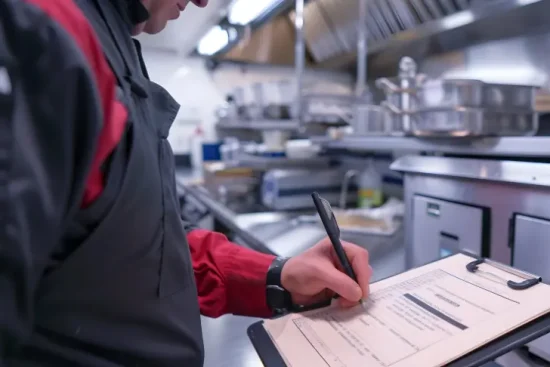
To operate a restaurant in Dubai, obtaining a Food License from the Food Safety Department of the Dubai Municipality is essential. This license ensures your establishment complies with the city’s stringent food safety and hygiene standards. The application process involves the submission of required documents adhering to regulatory requirements.
Required Documents For Food License Application:
- Trade License Copy: A valid Trade License issued by the Department of Economic Development (DED) is mandatory.
- Interior Design Layout: A detailed blueprint of your restaurant’s premises, which should include:
- Entry and Exit Passages: Marked routes for ingress and egress.
- Food Processing Areas: Designated spaces for food preparation.
- Storage Areas: Zones allocated for storing ingredients and finished products.
- Windows and Ventilation Systems: Placement of windows and details of the ventilation setup to ensure proper air circulation.
- Equipment Layout: Locations of all significant kitchen equipment used in food preparation.
- Dishwashing and Support Areas: Spaces assigned for cleaning utensils and other supportive operations.
Steps To Obtain The Food License:
- Submission of Documents
- Plan Approval
- Inspection
- Issuance of Food License
Other Permits: Depending on your restaurant concept, you may need additional permits:
- Liquor License: If serving alcohol, apply to the Dubai Police. Strict regulations apply, including designated serving areas and operating hours.
- Pork Permit: Required for handling and serving pork products. Specific storage and preparation guidelines must be followed.
- Food Consignment Release License: This is for importing food items. Requires compliance with customs regulations and food safety standards.
- No-Objection Certificate (NOC) from the Landlord: Essential before commencing any fit-out work.
- Building Permits: For any construction or renovation work. Adherence to Dubai Municipality building codes is mandatory.
Visa Processing: Securing visas for your staff is a crucial step. Regulations and quotas apply, and working with a reputable visa processing agency is recommended.
3. Determine the Restaurant’s Concept And USP

When opening a restaurant, you need to have a unique concept in your mind, something that would help you stand out from your competitors. This will give you an upper hand in Dubai’s competitive restaurant industry. Your restaurant concept includes the food you serve, the ambiance of your restaurant, and the customer service.
Another thing you need to consider is determining your restaurant’s USP. If you have an unusual theme or introduce an innovative menu item, it will help attract many customers. Therefore, experiment with what has never been done before!
4. Choose The Perfect Location
Dubai’s diverse population, consisting of over 200 nationalities, presents a lucrative opportunity for restaurant owners. The city’s dynamic food scene allows entrepreneurs to cater to various audiences based on their restaurant concept. However, selecting the right location is crucial to your restaurant’s success. A well-researched site can significantly impact footfall, profitability, and long-term growth.
Before finalizing a location, conduct thorough market research to analyze demographics, foot traffic, competition, and potential rental fluctuations. Here are the key factors to consider when selecting a restaurant location in Dubai:
Key Factors To Consider When Choosing A Restaurant Location
- Visibility & Foot Traffic: A prominent location with significant foot traffic increases brand awareness and attracts walk-in customers. Areas near shopping centers, busy streets, or tourist hotspots are ideal for maximum exposure.
- Target Customer Base: Understanding your target audience is essential when selecting a location. A fine-dining restaurant may thrive in an upscale area, while a quick-service restaurant (QSR) might perform better in a commercial district or near residential communities.
- Affordability & Rental Costs: High rental expenses can eat into profits, making affordability a critical factor. Research rental trends and potential lease escalations to ensure long-term sustainability.
- Proximity to Suppliers & Logistics: Sourcing fresh ingredients efficiently is key to maintaining food quality and cost-effectiveness. A location near suppliers or well-connected distribution hubs can help reduce transportation costs and streamline operations.
Best Areas To Open a Restaurant In Dubai
Based on footfall, economic feasibility, and target demographics, some of the top areas to consider for a restaurant in Dubai include:
- Jumeirah Beach Road
- Downtown Dubai
- Dubai Marina
- Mall of the Emirates
- Al Quoz
- Dubai Creek Harbour
Your choice of location should align with your restaurant’s concept, target audience, and long-term business goals. By carefully evaluating these factors, you can set your restaurant up for success in Dubai’s thriving food industry.
5. Creating The Menu

Designing an effective menu is crucial for the success of your restaurant in Dubai. It defines your brand and plays a significant role in managing costs and maximizing profits.
Menu Engineering And Pricing Strategies
Begin by analyzing each dish’s food cost to determine its profitability. Calculate the exact cost to produce one portion of every dish on your menu, considering all ingredients. Subtract this cost from the selling price to find the contribution margin, which indicates the profit per dish. This analysis helps categorize menu items based on popularity and profitability, allowing you to decide which dishes to promote, modify, or remove.
In Dubai, it’s important to note that a 5% Value Added Tax (VAT) applies to most goods and services, including restaurant meals. Ensure that your menu prices include VAT per UAE regulations to maintain transparency and comply with the law. To know more, read here.
Highlighting High-Profit Items
To encourage customers to order high-margin dishes, strategically design your menu by placing these items in prominent positions where customers’ eyes naturally fall. Use descriptive labels and appealing visuals to draw attention to these selections. This approach not only enhances profitability but also guides customer choices effectively.
Continuous Menu Optimization
Initially, your menu doesn’t need to be exhaustive. Regularly assess and update your menu as you gather data on customer preferences and sales performance. Remove less popular or unprofitable items and introduce new dishes that align with market trends and customer tastes. This dynamic approach ensures that your menu remains appealing and profitable over time.
6. Designing The Restaurant Layout
Creating a restaurant layout can be overwhelming but is a much-required step when starting a restaurant; how your restaurant is laid out significantly impacts its day-to-day operations. It will support the daily operations of your restaurant by providing ample space to move around freely and help leave a good impression on your guests as all the operations are performed swiftly.
You’ll want to consider how you can organize your entire layout to meet the goals outlined in your menu and theme. Tactfully utilize the space available and place all the elements wisely. It is essential to analyze and put everything from the tables to the kitchen equipment correctly to ensure maximum utilization of the area without hindering daily operations.
7. Investing In The Right Technology

In today’s tech-savvy world, you cannot overlook the importance of technology. When starting a restaurant, investing in an efficient POS system will help ease the work for you in the long run, which is vital. As a restaurant owner, you are expected to be present everywhere, supervising various departments, but it is physically challenging and nearly impossible. Using technology becomes very important if you wish to monitor daily operations. A POS system would enable you to perform various day-to-day tasks like the ones mentioned below.
Billing: A good POS system can perform billing operations smoothly. Billing is one of the most critical activities in any restaurant; therefore, you can entirely rely on a POS system to eliminate errors. It can also help you analyze the customer’s preferred mode of payment and develop offers regarding the same.
Stock & Inventory Management: Manage your inventory levels efficiently using a POS. You can check how much raw material is required or how much is available at present. Managing the inventory properly will help you manage your capital wisely and prevent any loss, which is crucial for anyone just starting in the restaurant industry. Get real-time inventory insights for making smarter decisions with cloud-based restaurant inventory software.
Get Accurate Reports: You can get real-time reports and analyze them on the go using a POS system, eliminating the need to be present everywhere.
All these features will help you manage the day-to-day activities at your restaurant seamlessly, which is much required to make your mark in Dubai’s food and beverage industry.
8. Hiring Qualified Staff

Good employees indicate a good restaurant and the best service; therefore, it is essential to hire the best staff. The restaurant industry in the Gulf region has a high turnover rate, which makes it very important to hire people who will stay and help your restaurant business grow.
Before hiring, you need to consider the various roles for which you wish to hire people.
- Sous Chef
- Prep Cooks
- Manager
- Servers
- Bartenders
- Hosts/Hostesses
- Cleaning Staff
Steps To Effective Hiring:
- Define Your Staffing Needs
- Develop Clear Job Descriptions
- Utilize Multiple Recruitment Channels
- Conduct Thorough Interviews
- Check References and Backgrounds
- Offer Competitive Compensation and Benefits
- Implement a Comprehensive Training Program
- Foster a Positive Work Environment
Conclusion
Starting a restaurant in Dubai can be a rewarding venture if done right. By securing the necessary licenses, choosing a great location, hiring the right staff, and designing a well-planned menu, you can set yourself up for success. With Dubai’s growing food scene and diverse customer base, offering quality food and excellent service will help your restaurant thrive. Stay adaptable, follow local regulations, and improve to build a successful and lasting business.