
Running a restaurant can be one of the most exciting and rewarding journeys in the business world. Picture this: the buzz of a packed dining room, the clinking of glasses, the sizzle from the kitchen, the satisfied smiles of customers enjoying your food. But behind the scenes, it’s a fast-paced and demanding industry where more than passion is needed to succeed.
To succeed in the restaurant industry, you need more than great recipes and a good location; you also need a combination of vision, strategy, and adaptability. Every decision, whether perfecting your menu, managing operations efficiently and startup costs or building a loyal customer base, contributes to your business planning’s overall success.
This blog is intended to help you navigate the challenges and opportunities of running a restaurant. It is packed with actionable tips, expert insights, and inspiring examples, giving you the tools to build a successful business and serve your customers with confidence and flair. Let’s get started on making your culinary dreams a reality!
Craft a Memorable USP (Unique Selling Proposition)

Every successful restaurant has a unique selling point (USP) that sets it apart from competitors. This could include a signature dish, an acclaimed chef, a unique concept, a service style, or an environment-friendly dining experience. Sweetgreen, a fast-casual salad chain, benefits from its commitment to sustainability, locally sourced ingredients, and health-conscious menu items.
In the competitive restaurant industry, it is critical to stand out. Your USP distinguishes your restaurant from the competition and gives customers a compelling reason to choose your establishment. It could be your signature dish, a famous chef, a distinct theme, or even pet-friendly access.
Tips to Develop a Strong USP:
- Signature Dishes: Create unique and memorable dishes that customers can’t find anywhere else.
- Ambiance: Design an inviting atmosphere that aligns with your restaurant’s theme.
- Exceptional Service: Train your staff to provide top-notch service that leaves a lasting impression.
Pro Tip:
Ensure that your unique selling point (USP) is consistent across all aspects of your business, including menu, decor, marketing, and customer service. A compelling USP attracts customers while also encouraging loyalty and word-of-mouth marketing.
Location: A Game-Changer

In the restaurant industry, location must be considered. The ideal location balances visibility, accessibility, and proximity to your target market and audience. Conduct a thorough market analysis to understand better customer demographics, foot traffic, and local competition.
Shake Shack, for example, started as a hot dog cart in Madison Square Park. It capitalized on high foot traffic and proximity to office workers to build a loyal customer base.
The location of your restaurant has a significant impact on its success. A convenient and visible location can attract more customers and increase foot traffic. However, securing the ideal location can be expensive, so balancing visibility and affordability is critical.
Factors to Consider:
- Target Audience: Identify your potential customers and choose a location that caters to their needs.
- Foot Traffic: Opt for areas with high foot traffic to maximize exposure.
- Competitor Analysis: Analyze the competition in the area and choose a location that gives you a strategic advantage.
Pro Tip:
With rising rental costs, consider alternative setups such as food trucks, ghost kitchens, or pop-up restaurants to reduce overhead costs while reaching a larger audience.
Optimize Costs Without Compromising Quality
Effective cost management is a critical component of running a successful restaurant. To maintain financial stability, both fixed and variable expenses must be meticulously tracked. Implementing cost-cutting strategies, such as sourcing ingredients from local suppliers, using kitchen space, optimizing energy consumption, and using menu engineering techniques to highlight high-margin dishes, can significantly boost profitability.
Furthermore, reducing food waste through improved inventory management practices can result in significant annual savings.
Cost control is critical to the restaurant’s long-term sustainability. By closely monitoring the budget, which includes fixed expenses like rent and salaries, and variable costs like utilities and food, we can build a solid financial foundation.
Strategies to Optimize Costs:
- Vendor Negotiations: Source ingredients from vendors who offer competitive prices.
- Energy Efficiency: Choose a location with ample natural light and ventilation to reduce electricity costs.
- Staff Management: Hire temporary staff during non-peak hours and retain permanent staff for busy periods.
Pro Tip:
Implementing real-time technology to monitor inventory levels provides a significant opportunity to improve stock management practices. This approach effectively reduces the risk of overstocking and waste, resulting in more efficient operations.
Build and Retain an Exceptional Team

Fostering a positive work culture is necessary for increasing morale and productivity in a restaurant setting. The staff plays a vital role in ensuring the establishment’s success. When employees are properly trained and motivated, they can significantly improve the customer experience and contribute to creating a welcoming environment.
Motivated restaurant employees are more likely to provide exceptional service because they understand their role as representatives of the restaurant brand. Their commitment to maintaining a positive brand image frequently motivates them to go above and beyond.
Well-trained and motivated employees can enhance the customer experience and create a positive atmosphere. Treat them like your partners in value creation. Offer them a competitive salary, sanitary conditions, ample work holidays, performance incentives, and career progression opportunities.
Effective Staff Management:
- Clear Responsibilities: Define roles and responsibilities for each staff member.
- Customer Service Training: Train staff courteously, politely, and professionally.
- Employee Incentives: Offer competitive salaries, incentives, and career progression opportunities to motivate staff.
Pro Tip:
Make it a priority to recognize and reward your team’s efforts regularly with incentives, promotions, and appreciation events. When employees feel valued, they become more engaged, which leads to happier customers.
Deliver an Outstanding Customer Experience

In today’s experience-driven world, customers expect more than just good food—they seek memorable dining experiences. This allows restaurants to improve every aspect of their service, from smooth reservation processes and easy online ordering to exceptional in-house service and creating an inviting atmosphere.
EXPERT OPINION
Experienced restaurateur and New York Times bestseller author, Will Guidara shares his wisdom on the significance of delivering exceptional customer experience:
 “One of the things I’m most proud of is creating a culture in the restaurant where everyone on the dining room team felt empowered and felt that they had opportunities to go above and beyond for the people they were serving. The moment you invite your team to bring their creativity to the experience they’re delivering is the moment they become so much more willing to work hard to make sure that experience is great because now they have creative autonomy.“
– Will Guidara
Customer satisfaction is critical to building a successful restaurant business. Happy customers are likelier to return and tell others about their positive experiences. Furthermore, by responding to customer complaints quickly and effectively, restaurants can improve their reputation and foster long-term relationships with their customers. Embracing these elements can result in a successful dining establishment.
Strategies for Customer Satisfaction:
- Feedback Management: Encourage customers to provide feedback and address their concerns promptly.
- Apologize and Rectify: When mistakes occur, apologize and take immediate action to rectify the situation.
- Customer Rewards: Offer incentives such as discounts, free meals, or VIP passes to loyal customers.
Pro Tip:
Delivering an exceptional customer experience requires making each guest feel valued and special. Personal touches, such as remembering and using customers’ names and providing customized recommendations based on previous visits, can help to create a welcoming environment.
Consistency in maintaining high food quality and service standards fosters trust and reliability, encouraging customers to return and recommend your restaurant to others. These practices can potentially convert casual diners into repeat customers.
Keep An Eye On Your Stock & Inventory

Your restaurant’s inventory needs to be well-stocked and run smoothly. Maintain an inventory sheet that should be updated daily, weekly, or twice a week, depending on the size of your restaurant.
Dividing your food items into fast-moving and slow-moving categories is also beneficial. Observing trends during peak and off-peak hours lets you make strategic decisions about replenishing stock while avoiding overstocking.
Maintaining an updated inventory sheet allows you to easily track various items’ movement. This proactive approach enables you to make informed purchasing decisions, resulting in a more efficient operation and a positive customer dining experience. Focusing on efficient inventory management will help your restaurant thrive by balancing supply with demand.
Inventory Management Tips:
- Regular Audits: Conduct daily or weekly inventory audits to stay on top of stock levels.
- Accurate Weighing: Use reliable weighing scales to avoid discrepancies.
- Price Updates: Keep track of market prices to adjust your inventory costs accordingly.
Pro Tip:
Select a POS system that offers comprehensive features like real-time inventory tracking, customer relationship management, and detailed analytics. Ensure it integrates seamlessly with your online ordering and reservation systems for a unified management experience. Regularly review POS reports to identify sales trends, monitor employee performance, and optimize menu offerings to maximize profitability.
Harness the Power of Restaurant Technology
Embracing restaurant technology provides a valuable opportunity to increase competitiveness in today’s dynamic industry. Restaurants can use AI-driven analytics to predict customer preferences better and optimize inventory, improving operational efficiency. Cloud-based POS systems provide streamlined operations, enabling more efficient transactions and services.
Furthermore, incorporating features such as contactless payments and QR code menus improves convenience while prioritizing safety, aligning with modern diners’ expectations. Also, advanced tools like kitchen automation and voice ordering systems can significantly improve efficiency and reduce errors, resulting in faster service.
Restaurants that actively adopt and integrate these innovations can create engaging and seamless dining experiences, promoting growth and increasing profitability. This proactive approach to technology benefits restaurant operations and enhances customer satisfaction and loyalty.
Technological Tools to Consider:
- POS Systems: Implement a point-of-sale system to efficiently manage inventory, invoicing, and staff schedules.
- Online Ordering: Enable customers to place orders online for convenience.
- Contactless Payments: Offer contactless payment options to provide a seamless checkout experience.
Pro Tip:
Stay ahead by adopting emerging technologies like contactless payments, QR-code menus, and AI-driven analytics to enhance efficiency and align with customer preferences.
Engage Customers Through Strategic Marketing

Marketing is the lifeline of a restaurant’s success. To build a thriving business, develop a comprehensive strategy combining traditional and digital channels to attract and retain customers. Concentrate on creating a solid marketing plan and strategy that generates buzz around your new restaurant first.
Use social media as a critical tool to engage your audience by sharing captivating images of your unique dishes, happy customers, and highlights from special events.
Furthermore, if your budget allows, consider traditional marketing methods such as newspaper ads, flyer distribution, or even a catchy radio jingle with discount coupons. These three marketing efforts, when combined, can generate a lot of buzz and help your restaurant gain visibility in the community.
Effective Marketing Strategies:
- Social media campaigns featuring behind-the-scenes content and promotions.
- Email newsletters with personalized offers and loyalty rewards.
- Collaborations with food influencers for greater visibility.
Pro Tip:
To build a robust online presence for your restaurant, actively engage with social media platforms. Consider implementing targeted promotions and hosting special events to attract new customers while keeping loyal patrons enthusiastic about your offerings. By leveraging data analytics, you can effectively assess the success of your marketing campaigns and refine your strategies based on customer preferences and feedback.
Focus on Sustainability and Health Trends
The modern diner is increasingly conscious of sustainability and health. Eco-friendly practices, such as using biodegradable packaging and actively reducing food waste, can help businesses attract this conscientious demographic.
For Example, Chipotle exemplifies this approach by emphasizing responsibly sourced ingredients and maintaining supply chain transparency. This commitment strengthens its brand and cultivates a loyal customer base among environmentally conscious consumers.
Maintain Legal Compliance
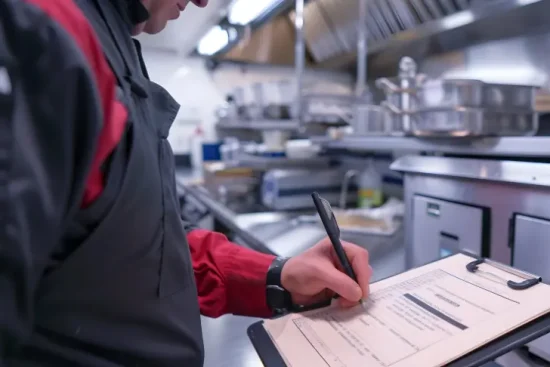
Restaurants must adhere to various regulations, including business permits, health and safety codes, and liquor licenses. By conducting regular audits of liquor license, and ensuring timely renewals, restaurant owners can lay the groundwork for smooth operations while protecting themselves and small business from potential legal issues.
Compliance with statutory and regulatory requirements is critical to success in the restaurant industry. Restaurant owners who proactively follow these legal guidelines can avoid potential closures and legal issues and create a safe and welcoming environment for their customers. This dedication to compliance eventually leads to long-term success and sustainability in the business.
Essential Licenses and Permits:
- Food Business Operator License: Ensure your restaurant has the necessary permits.
- Health and Safety Compliance: Follow food safety standards to protect customers and staff.
- Employment Regulations: Adhere to labor laws and provide a safe working environment.
Don’t Miss The Finer Details
Despite taking care of all the above, your whole restaurant concept may fail to impress customers, denting your reputation. The reason could be the fine details you should have considered essential to your whole restaurant concept’s success or ignored on a particular day but irked your customers enough not to return. Here are a few areas to focus on to enhance the dining experience:
- Ensure that linens and cutlery are always clean and presentable.
- Regularly check menus for greasy fingerprints and keep them clean.
- Keep high hygiene standards throughout the restaurant.
- Keep restrooms clean and well-stocked to ensure guest comfort.
- Ensure each table has the necessary cutlery, paper napkins, and salt and pepper shakers.
Addressing these issues can create a more welcoming environment that encourages customers to return.
Stay Data-Driven

Successful restaurants thrive by using data analytics to inform their decision-making. By focusing on key metrics such as sales trends, customer retention rates, and top menu items, restaurant owners can effectively fine-tune their operations and strategies.
Adopting a data-driven approach allows you to make well-informed decisions to improve your restaurant’s overall efficiency. By a detailed business plan, financial projections and regularly analyzing key data points, you can optimize operations and improve performance, paving the way for long-term success.
Key Data Points:
- Sales Reports: Monitor daily, weekly, and monthly sales to identify trends.
- Menu Analysis: Identify the most and least popular menu items to make adjustments.
- Staff Performance: Evaluate staff performance and customer feedback to improve service quality.
Pro Tip:
Leverage your POS system to create detailed reports on inventory, labor costs, and customer behavior. This will allow you to gain valuable insights while staying ahead of the competition.
Continuous Improvement and Self-Audits

Regularly evaluating your restaurant’s performance and making necessary improvements can help maintain high standards. Consider conducting surprise audits and inviting mystery diners to provide valuable, unbiased feedback. This approach can provide insights that lead to meaningful improvements and a better overall dining experience.
Improvement Strategies:
- Self-Evaluation: Step into your customers’ shoes and critique your restaurant’s offerings.
- Mystery Audits: Use mystery shoppers to gain insights into customer experiences.
- Continuous Learning: Stay updated with industry trends and best practices to keep your restaurant ahead of the competition.
Case Studies: Lessons from Successful Restaurants
Case Study 1: Panera Bread
Background
Panera Bread, founded in 1987, is a pioneer in the fast-casual dining industry. Known for its commitment to quality ingredients and warm, inviting atmosphere, Panera has over 2,000 locations across the United States. The company caters to health-conscious consumers, offering clean eating options and focusing on transparency.
How Are They Successful?
- Digital Dominance: Panera Bread excels in digital integration. By 2023, nearly 60% of its sales came from digital channels, including mobile apps, kiosks, and online platforms.
- Focus on Sustainability: Panera has committed to sustainable practices, including sourcing 100% cage-free eggs and reducing its carbon footprint.
- Community-Centric Approach: Panera invests in its communities by supporting hunger relief programs.
Case Study 2: Just Falafel (UAE)
Background
Founded in Abu Dhabi in 2007, Just Falafel started as a humble concept aimed at elevating the classic Middle Eastern Falafel. By using seasonal ingredients and introducing fusion flavors inspired by global cuisines (e.g., Indian, Mexican, and Italian), the brand quickly gained popularity.
How Are They Successful?
- Innovative Menu: Just Falafel’s reimagining of Falafel with global flavors helped differentiate it in a crowded fast-food market. Their ability to adapt the menu to local tastes in each region added to their success.
- Franchise Model: The brand’s aggressive franchising strategy enabled rapid expansion, allowing it to scale across multiple countries quickly.
- Sustainability Focus: The chain’s commitment to using fresh, locally sourced ingredients appealed to environmentally conscious customers.
- Recent Example (2023): After facing operational challenges, Just Falafel rebranded itself with a new name, JF Street Food, to better align with a modern audience. They introduced smaller-format stores and revamped their menu to include more plant-based options, appealing to health-conscious and vegan consumers.
Conclusion
Running a successful restaurant requires a blend of strategic planning, customer focus, and adaptability. Each element is critical in driving growth and profitability, from crafting a memorable USP to leveraging technology and staying data-driven.
Consider learning from industry leaders and staying current on emerging trends, as this information can spark new ideas. By constantly improving your operations, you can position your restaurant to thrive in an ever-changing and competitive environment.