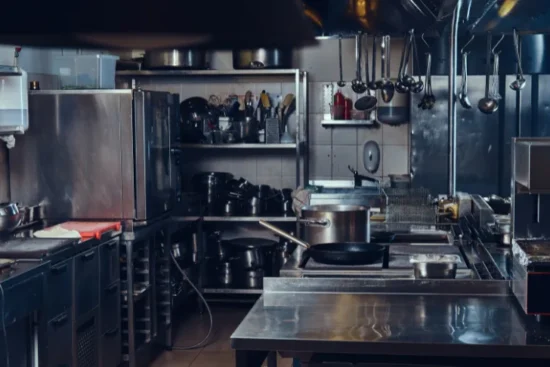


Think of a kitchen that is always busy preparing orders but has no dining tables or waiting area. That is a cloud kitchen. Also known as a ghost kitchen or virtual restaurant, it is a delivery and takeaway-only business. There is no dine-in service, no front-of-house staff, and no customer seating. Only a kitchen where food is prepared for online orders.
Customers order online, and the food is delivered to them. This model has changed the restaurant industry, giving the market a cheap and effective way of reaching customers. The global cloud kitchen industry was estimated at $71.1 billion in 2023 and is projected to reach $170 billion by 2032, at a CAGR of 10.2%.
Ghost Kitchen, Virtual Kitchen, and Cloud Kitchen
These terms get used interchangeably, but they describe different setups. Knowing the difference helps you pick the right one for your budget and growth plans.
- Ghost kitchen: A delivery-only kitchen space preparing food for one brand or several, often located in a shared commercial facility. A good choice for launching quickly without the cost of a traditional restaurant.
- Virtual kitchen: A delivery-only concept operating out of an existing kitchen. A burger restaurant running its main menu and launching a separate delivery-only brand from the same space. Useful for testing a new cuisine or lifting order volume without opening a new location.
- Cloud kitchen: The broader model focused entirely on delivery and takeaway. It can operate from a home kitchen, a shared commercial space, or a dedicated delivery-only facility.
Is a Home-Based Cloud Kitchen Legal in Your Area?

This question comes before menu, equipment, or branding, because in much of the United States the honest answer is “not from your regular home kitchen”. Skipping it is the most common way home food entrepreneurs waste money before their first order.
Food sold commercially to the public generally has to be prepared in a licensed commercial kitchen that passes a health department inspection, and most US jurisdictions do not permit a standard residential kitchen as a full production space. That does not make home-based food impossible. It means you have to find which legal route your state and county allow before you spend anything.
There are broadly three routes:
- Cottage food laws: Permit the sale of certain low-risk, shelf-stable foods made in a home kitchen, typically items that need no refrigeration. Each state itemizes exactly what you may sell and caps annual sales.
- Microenterprise home kitchen permits: A small number of states authorize a permitted category that allows hot, made-to-order meals, including delivery, from a private home. This is the closest thing in the US to a legal home cloud kitchen.
- Renting a commercial or commissary kitchen: You cook in a licensed shared kitchen and register your home as the business address. This is the route most delivery-style menus end up taking.
The Catch With Cottage Food
Cottage food laws almost never cover the hot, delivery-based meals a virtual restaurant sells. If your menu is made-to-order hot food, it falls outside cottage food rules and pushes you toward a permitted commercial kitchen. Check what your state actually allows on the list before you build a menu around it.
Microenterprise Home Kitchen Permits, and Their Ceiling
Where this category exists, the limits are real, and they define your business. A permitted home kitchen operation is typically capped on meals per day, meals per week, and gross annual sales, and it requires a food manager certification plus a county inspection. In California, for example, the program allows no more than 30 meals per day and 60 per week, with gross annual sales capped at $50,000, per the California Department of Public Health. It also only operates in counties that have opted in, not statewide.
What that ceiling means in practice. Those two caps interact, and it is worth doing the arithmetic before you plan. Sixty meals a week is 3,120 meals a year. Against a $50,000 annual sales cap, that implies an average order value of about $16.03 per meal. If your average order value is higher than that, the sales cap binds first, and you will hit it before you reach the annual meal allowance. If it is lower, the meal cap binds first. Either way, model your break-even against the ceiling your permit sets, not against what a commercial kitchen could turn over.
Business Registration, Zoning and Lease Restrictions
Three approvals sit behind the food license itself. Our guide to registering a cloud kitchen covers the paperwork in full, but for a home operation these are the ones that catch people:
- Zoning and home occupation permits: Residential zoning laws govern whether commercial food activity is allowed at your address at all. Verify with your city or county planning office.
- HOA and society restrictions: A homeowners association can prohibit business activity even where the city permits it.
- Lease agreements, if you rent: Most residential leases restrict or prohibit commercial activity, and a landlord can say no even where state law permits home food production. Starting anyway can trigger penalties or eviction. Get written approval or a lease addendum before you begin.
A compliant home operation typically needs a business license, a food handler certification, and a health department inspection or kitchen compliance check. Registering a separate legal entity also shields your personal assets from business liability, which matters far more when your business and your home are the same address. It is worth taking advice from a business consultant or attorney on the right entity structure and on contracts with delivery partners and suppliers.
Cloud Kitchen Business Models Explained
Even from home, it helps to know which model you are running, because it shapes your menu, your licensing, and your growth path.
- Single-brand: One brand, usually one cuisine or category. The kitchen handles a single menu, so operations stay simple. This is where almost every home operation should start.
- Multi-brand: One kitchen running several brands at once, which maximizes kitchen resources and reaches different customer segments. Harder to run from a home kitchen, because storage and prep space become the constraint fast.
- Virtual restaurant: Operating entirely online with no dine-in space, letting you experiment with new menus at minimal risk.
- Franchise: Operating under an established brand, with an existing name, proven menu, and operational support.
Develop a Menu Built For Delivery

Your menu sits at the center of your cloud kitchen and should reflect both your strengths and what your target customers order. For a home operation, three constraints shape it: your kitchen’s capacity, your storage limits, and what you can batch-produce without specialized commercial equipment. Watching menu trends helps, but your home’s limits decide more than trends do.
Keep the menu short. Most successful home cloud kitchens start with three to six items, which cuts waste and prep time and holds quality consistent. Choose foods that travel well and reheat cleanly: fried foods need ventilated packaging, gravies and curries need leak-proof containers. Standardize each recipe so every order comes out the same, and test with friends or potential customers before you launch.
Price carefully. Evaluate ingredient costs, packaging, and delivery expenses so your margins are sustainable, and run a cost-benefit analysis to find prices that are profitable and still competitive.
Setting Up Operations Without Disrupting Home Life
This is the challenge no competitor guide treats seriously, and it is the number-one operational reality of a home-based cloud kitchen. Your kitchen is now both your workplace and your family’s kitchen. Handling that well is what separates a sustainable home operation from a burned-out one.
Practical separations to build from day one:
- Block your prep and cook windows around family meals. Many solo operators prep early in the morning and cook mid-day.
- Set up documented food storage separation. Health departments require dedicated shelves or refrigerator sections, segregated utensils and a documented cleaning schedule. Get this in place before your inspection, not after.
- Manage odor and noise: Use ventilation and timing.
- Agree on kitchen time-sharing: Agree on sharing kitchen timings with everyone in the house, and keep a dedicated workspace so work and home do not fully dissolve into each other.
Build standard operating procedures for sourcing, quality, packaging, and order handoff, so the customer experience stays consistent even when you are the only person in the kitchen.
What It Costs, and What Actually Increases When You Cook Commercially at Home
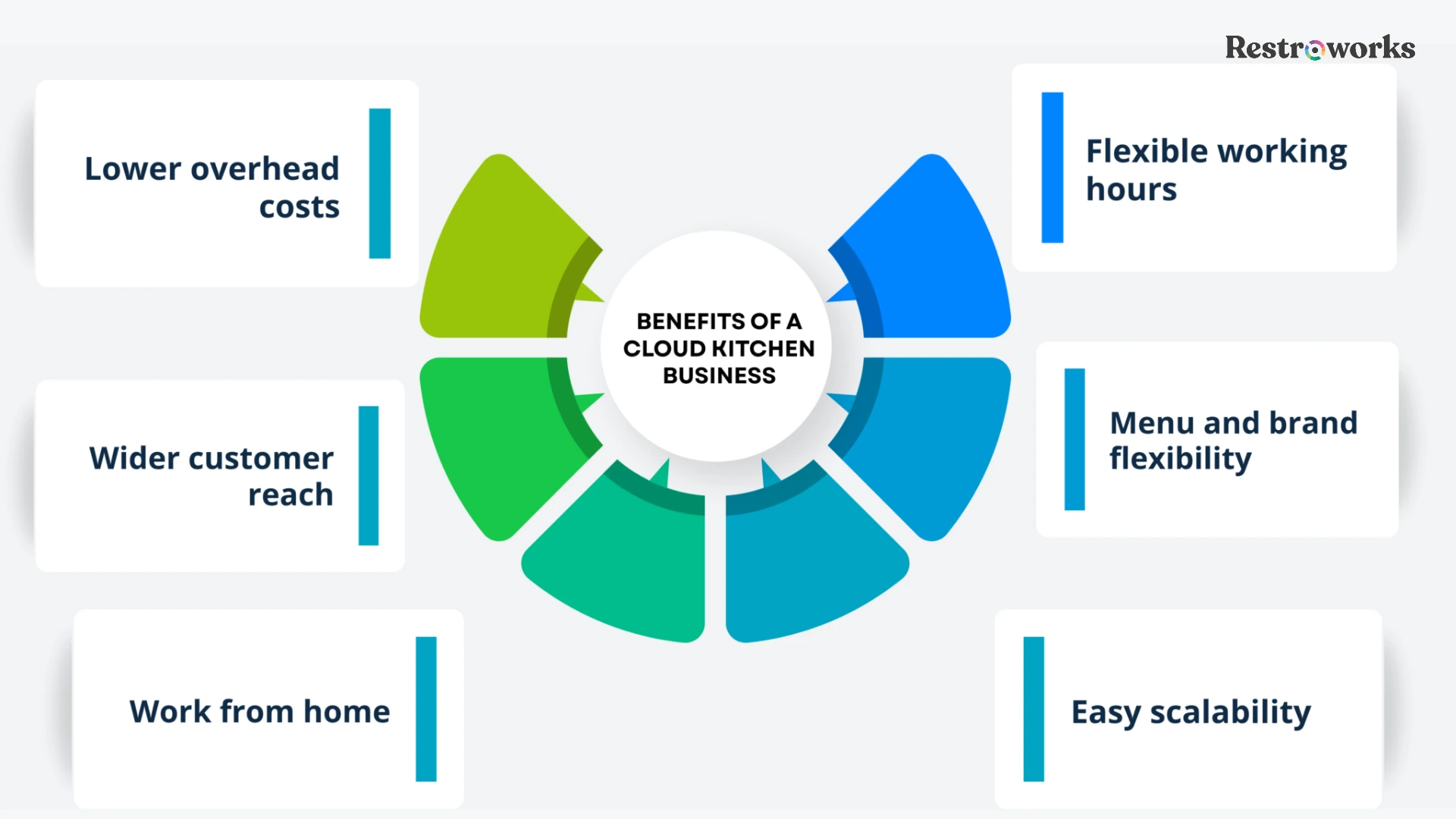
Cloud kitchens can help you cut labor costs by up to 25% and rent expenses by 20% to 40% compared with other restaurants, which frees up budget for quality ingredients, packaging and marketing. From home, you save more still, because you skip the lease entirely. But “cheaper” is not the same as “free”, and the honest picture accounts for costs that quietly erode your margin.
Hidden Costs of Cooking Commercially at Home
Measure your utility increase and separate personal from business usage for tax purposes. A simple approach is to track the percentage of total kitchen hours spent on the business and apply it to the bill. Then factor that into your pricing, or the increase quietly eats your profit.
Getting Listed on Delivery Platforms From a Home Address
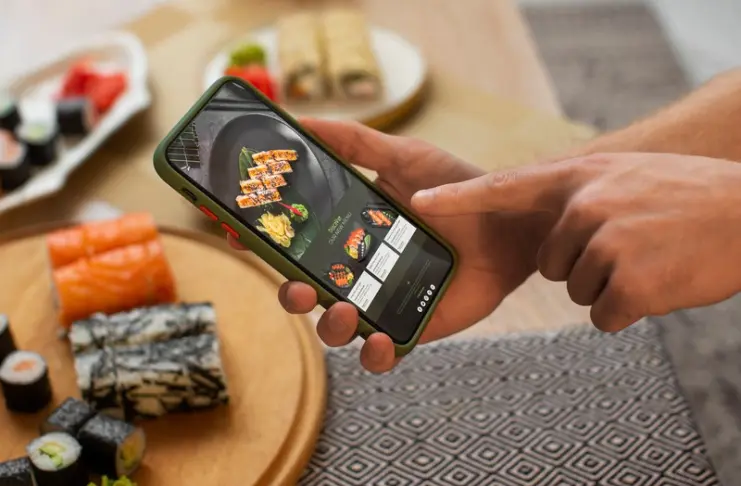
Delivery platforms are the primary revenue source for most cloud kitchens. Apps such as Uber Eats, DoorDash, and Grubhub let you serve a wide customer base without a prime location, and setting up your delivery integration properly is what keeps every order landing in one place. Our guide to setting up delivery covers the mechanics.
A residential address does raise trust questions a storefront does not, so present your operation professionally: a strong brand identity, high-quality food photography, and a consistent presence build credibility when customers cannot see a physical restaurant. Each major platform charges a commission per order, so price with that deduction built in rather than discovering it after launch.
Handling Delivery Logistics in a Residential Area
Multiple daily pickups at a residential address create real friction: parking, driver traffic, and noise. Designate a pickup spot away from the main entrance, keep a tight delivery radius of roughly three to five miles so food arrives hot, and treat your neighbors as stakeholders. A proactive heads-up and small goodwill gestures prevent complaints before they reach your HOA. Prep ahead of the peak lunch and dinner windows.
When is Demand Highest?
Food delivery demand tends to peak on weekends, particularly Friday through Sunday. Fridays mark the start of the weekend, and many people order in rather than cook. Order volumes also rise during holidays and major events. Plan your prep and your staffing, if you have any, around those windows.
Choose the Right Technology for Your Virtual Kitchen
Technology runs a modern cloud kitchen day-to-day, from online ordering through to delivery coordination. The right tools simplify operations, reduce manual errors, and improve the customer experience. Focus on these core systems:
- POS system: A point-of-sale system manages orders, inventory, and payments in one place and gives you visibility into sales trends. Look for one compatible with the major delivery services, so orders from every platform land in a single view.
- Kitchen display system: Shows orders on screen in real time, removing paper tickets and cutting mistakes during busy hours.
- Order management software: Tracks orders across channels so none are missed, and surfaces customer preferences and ordering trends.
- Delivery platform integrations: Connect your system to the major apps so you manage every incoming order in one place. Cloud kitchen software that consolidates these functions is usually cheaper and simpler than running separate tools.
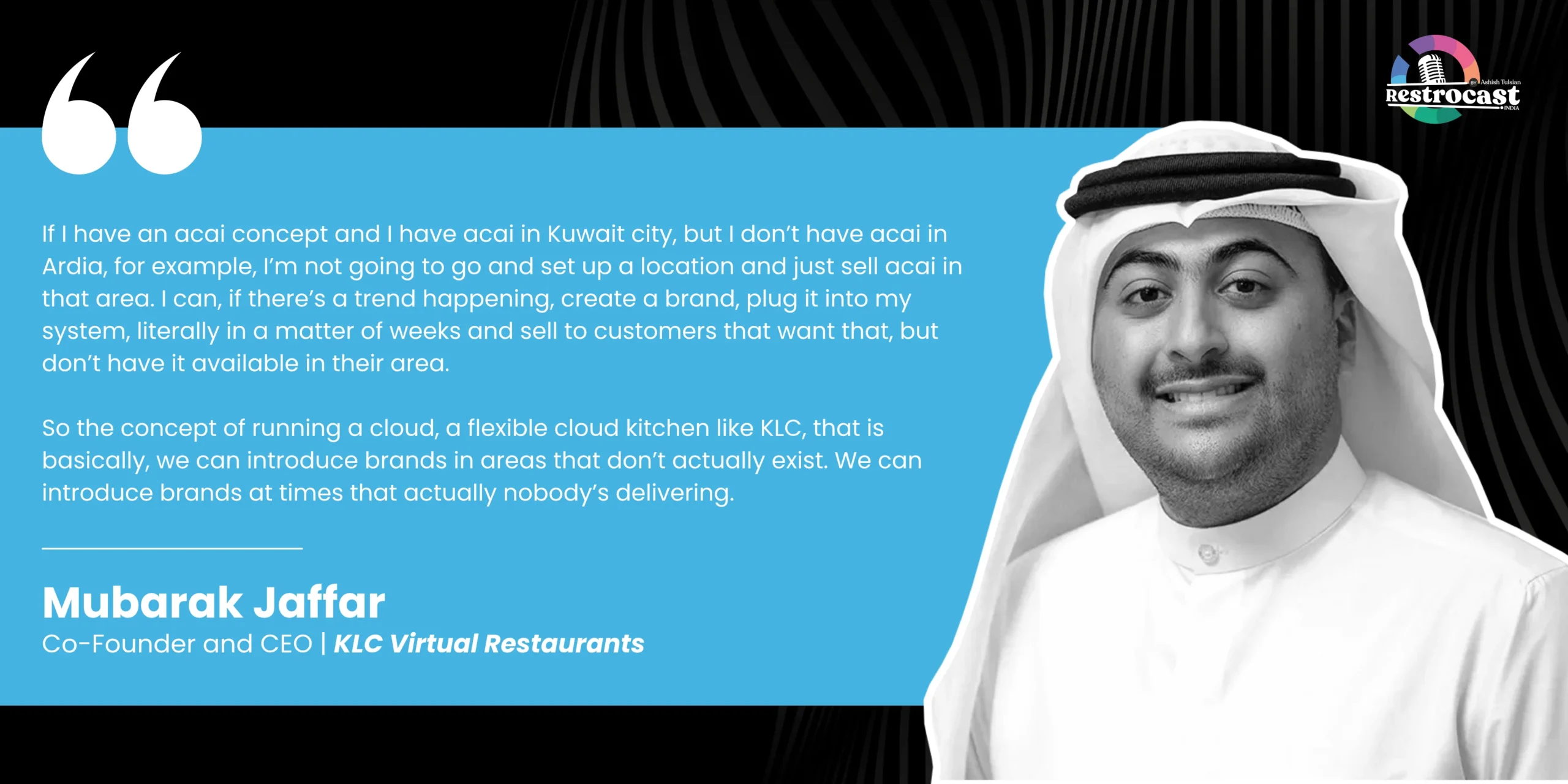
Technology is also what lets a small operation punch above its size. Mubarak Jaffar, Co-Founder and CEO of KLC Virtual Restaurants, described how that flexibility works in practice on Restrocast:
Hiring And Training, When You Get There
A reliable kitchen team maintains food quality, consistency, and speed as order volumes grow. One advantage of the cloud kitchen model is lower labor costs, because you do not need front-of-house staff such as servers, hosts or cashiers. Even in a home-based operation, clear role allocation avoids confusion during busy periods.
Hire people who understand basic food safety, hygiene, and kitchen discipline, then focus training on standard recipes, portion control, packaging standards, and order handling. Bear in mind that a residential space limits how many people can realistically work at once, which is often the first signal that you have outgrown the house.
Marketing Your Home Cloud Kitchen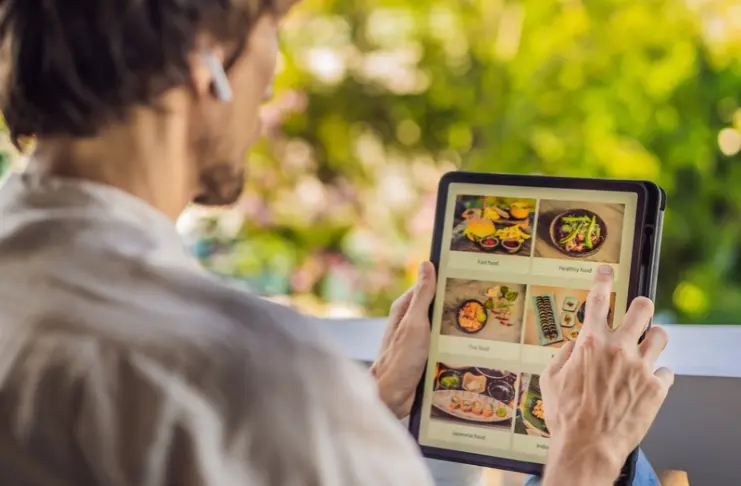
Because a home-based virtual restaurant has no storefront, your brand identity is your primary means of attracting customers online. Start with a professional, mobile-friendly website that lets customers view your menu and order directly, and use social media marketing to reach your target customers with photos of your food and your kitchen.
Beyond the basics, the home operator has one angle a chain cannot copy: the homemade story. Lean into it. Two further moves carry the most leverage:
- Packaging as marketing: Your box is the one physical touchpoint a delivery-only brand has. A branded insert with a code pointing to your own ordering site converts app customers into direct, repeat buyers who cost you nothing in platform commission.
- Neighborhood-targeted reach: Run radius-limited social ads to the streets you actually deliver to, rather than paying to reach people outside your delivery zone.
Partnering with food bloggers and local influencers extends your reach and builds credibility. Promotions, combo deals, and loyalty programs drive trial and repeat orders. Engage customer feedback consistently: acknowledge positive reviews, respond to concerns, and use what you learn to refine your menu and your delivery times.
Food Safety and Quality Control
Food safety is non-negotiable, and in a home kitchen it doubles as your legal foundation. Maintain strict hygiene protocols, sanitize regularly, and follow FIFO (first in, first out) to reduce waste. Hold hot foods above 140 degrees Fahrenheit and keep cold foods below 40, staying out of the temperature range in between where pathogens multiply.
The violations inspectors most often flag in home kitchens are specific: no documented separation between personal and commercial food, missing or uncalibrated thermometers, and inadequate handwashing setup. A documented cleaning schedule and a simple food safety plan, including a recall step for emergencies, head those off.
For quality, use standardized recipes and clear training protocols so every dish comes out the same, and taste-test regularly. Work with reliable suppliers and run quality checks at every stage, from sourcing through to final delivery, so you catch problems early.
When Your Home Kitchen Hits Its Limit
Every guide sells scalability as a benefit. Few admit that home kitchens hit a hard ceiling. Watch for the signals:
- You are consistently hitting your permitted daily order cap, or your own capacity
- Storage is maxed out
- There is no room to add help in a residential space
- Neighbor and parking friction is rising
When those stack up, plan a transition rather than waiting to be forced into one. The options are a shared commercial or commissary kitchen, or a hybrid model where you batch-prep in rented commercial space and assemble at home. If your permit carries a sales cap, hitting it is a good problem, but you have to plan the move before you reach it or the business pauses.
Is Starting a Cloud Kitchen From Home Right For You?
Be honest about fit. This path rewards a disciplined cook who can hold quality and hygiene standards, tolerate long early hours, and manage the blur between work and home. If you are a passionate cook who can maintain good standards of food and kitchen management, it can be both profitable and satisfying.
If a home operation is not a fit because your state bars it, your lease prohibits it, or your kitchen cannot scale, the alternatives are a shared commercial or commissary kitchen, a cloud kitchen pod, or a hybrid setup. None of those is the end of the idea. They are a different starting point.