

In the Food & Beverage industry, one truth has always remained constant: guests don’t just remember what they ate, they remember how they were made to feel.
Today, that feeling is increasingly shaped by how well a brand knows them. As technology evolves, personalization is no longer about greeting a guest by name or remembering their favorite dish. It is about delivering deeply tailored, context-aware experiences at every touchpoint. This is the era of hyper-personalization powered by guest data.
From Personalization to Hyper-Personalization
Traditional personalization was simple and often static.
“Welcome back, Mr. Sharma.” “Your usual table is ready.”
Hyper-personalization goes several steps further, which includes recommending dishes based on past orders, time of day, and dietary preferences
Offering dynamic pricing or bundled deals based on behavior, Customizing communication channels and timing, Predicting what a guest might want before they even ask
It is no longer reactive—it is predictive and real-time.
At the core of hyper-personalization lies data aggregation and intelligence. Restaurants today collect data from multiple sources, namely:
- POS systems (order history, frequency, spend patterns)
- Online ordering platforms and apps
- Loyalty programs
- Feedback and reviews
- Reservation systems
- Payment methods
Individually, these are just data points. Together, they form a 360-degree guest profile.
The real value emerges when this data is unified and analyzed to answer critical questions like,
- What does this guest prefer?
- When do they typically order?
- How price sensitive are they?
- What triggers repeat visits?
The Shift to Predictive Hospitality
Hyper-personalization enables a shift from serving what is ordered to anticipating what will be ordered.
Imagine this-
A guest opens your app and sees their “usual Friday order” already curated
A notification offers a personalized combo just before their typical dinner time
A dine-in guest is recommended a dish aligned with their past preferences and dietary habits
This is data-driven orchestration.
Key Applications in F&B
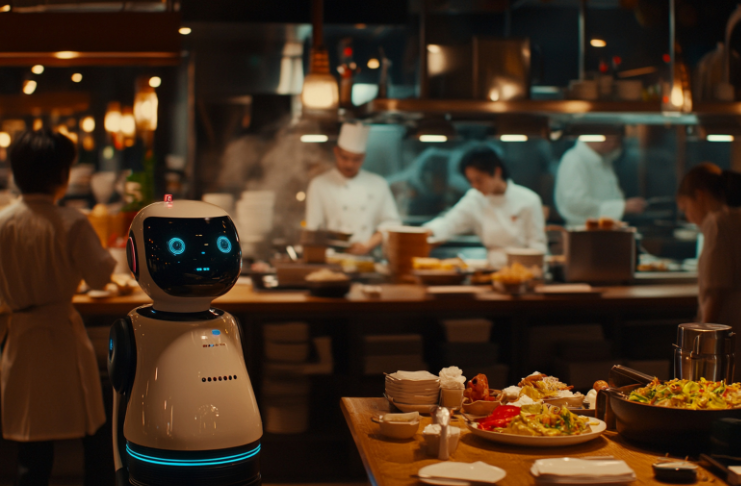
AI-driven systems analyze past behavior to suggest dishes, add-ons, and Pairings. This increases both customer satisfaction and average order value.
Menus are no longer static. They can adapt based on Guest preferences, Time of day, Availability of ingredients, and even weather conditions.
Each guest effectively sees a different menu.
Instead of blanket discounts, restaurants can offer targeted promotions, reward loyal customers differently, and create urgency with personalized deals.
This improves conversion while protecting margins.
Traditional loyalty programs are transactional. Hyper-personalization makes them experiential. Some examples are Personalized surprises and Behavior-driven incentives.
Loyalty becomes emotional, not just financial.
Whether a guest orders via App, Website, Phone, or Dine In, the experience remains consistent and personalized—because the data travels with them.
Hyper-personalization is not just about experience—it is a powerful business lever. Relevant recommendations and targeted offers increase spend per customer.
Guests are more likely to return when they feel understood. Precision targeting reduces wasted spend on irrelevant campaigns.