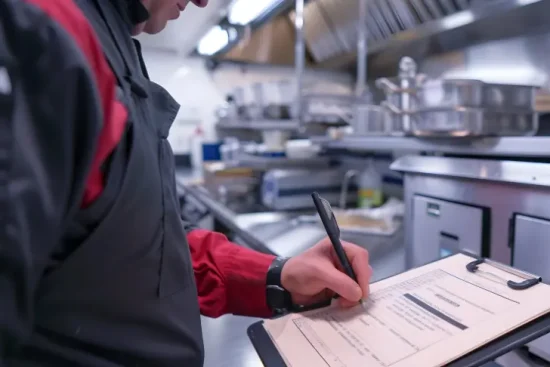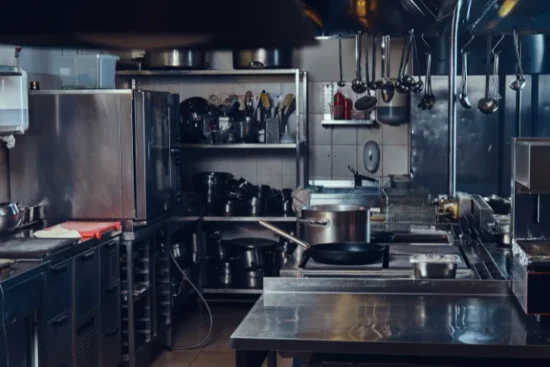


Launching a cafeteria business in Dubai offers a wealth of opportunities for those eyeing the thriving restaurant business and food service industry. With its dynamic tourism sector, cosmopolitan population, and appetite for quick, affordable dining, the demand for a cafeteria in Dubai is consistently high. But before you begin, understanding the nuances of obtaining a cafeteria license, securing approval from both the economic development authorities and the food and safety department, and budgeting for setup costs is essential.
In this comprehensive guide, we’ll walk you through the types of cafeteria models, the step-by-step process of obtaining a cafeteria license, the estimated cafeteria license cost, and the benefits of starting a cafeteria business in Dubai.
Types of Cafeteria Models in Dubai
Choosing the right model is a cornerstone decision. Here are some popular cafeteria business formats suited for Dubai’s diverse market:
- Small Takeaway (“small cafeteria”): Compact and cost-effective, ideal for busy office zones or transit areas. Focuses on quick service, minimal seating, and high turnover from walk-in customers seeking fast meals.
- Mid-Scale Dine-In Cafeteria: Offers moderate seating and casual service, perfect for families and everyday diners. Balances affordability with comfort, making it suitable for residential neighborhoods and mixed-use areas.
- High‑End Branded Cafeteria: Features upscale interiors, curated menus, and strong branding. Targets premium clientele in affluent districts, with higher investment in ambiance, service quality, and customer experience.
- Mall or Food Court Cafeteria: Located in high-footfall retail spaces, attracting diverse customers. Great visibility and volume potential, but comes with elevated rent and strict mall operational guidelines.
- Cafeteria with Cloud Kitchen Extension: Combines dine-in experience with delivery operations. Maximizes reach through online platforms, ideal for scaling and tapping into digital food demand across multiple zones.
Step-by-Step Process to Open a Cafeteria in Dubai, UAE

Here’s a streamlined roadmap to launching your cafeteria in Dubai:
- Conduct Market Research: Study customer preferences, competitors, and location trends. This helps define your concept, pricing, and service style, ensuring your cafeteria meets local demand and stands out in Dubai’s food scene.
- Draft a Business Plan: Create a detailed plan covering budget, operations, staffing, and marketing. It guides your decisions, attracts investors, and prepares you for licensing and regulatory approvals in Dubai’s business environment.
- Choose Legal Structure: Select a business format: LLC, sole proprietorship, or partnership. This affects ownership rights, liability, and licensing requirements, and determines how you’ll operate under UAE commercial laws and regulations.
- Reserve Trade Name: Submit your preferred business name to the Department of Economic Development (DED). Ensure it’s unique, compliant with naming rules, and reflects your brand identity for future marketing and licensing.
- Obtain Initial Approvals: Apply for preliminary approval from DED for your cafeteria activity. This confirms your business concept is legally acceptable and allows you to proceed with location, layout, and licensing steps.
- Lease Premises & Register Ejari: Find a suitable location and register your tenancy contract through Ejari. This legalizes your lease and is required for licensing, inspections, and utility connections in Dubai.
- Submit Food Layout: Share your kitchen and dining layout with Dubai Municipality’s Food Safety Department. It must meet hygiene, workflow, and ventilation standards outlined in the Dubai Food Code.
- Complete Fit-Out: Renovate and furnish your space according to approved layout and food safety standards. Use certified contractors and ensure compliance with health, fire, and accessibility regulations.
- Secure Civil Defense & Regulatory Approvals: Obtain fire safety clearance and other required permits. These ensure your cafeteria meets safety protocols, including emergency exits, fire extinguishers, and electrical compliance.
- Receive Final License: Once all approvals are complete, apply for your trade license and food safety license. These legal documents allow you to officially operate and advertise your cafeteria in Dubai.
- Hire Staff & Manage Visas: Recruit qualified employees and process their work permits and visas. Ensure compliance with UAE labor laws, offer proper training, and register with relevant health and insurance authorities.
- Launch Operations: Open your doors to customers, implement your marketing plan, and monitor performance using a cafe management tool. Focus on quality service, hygiene, and customer satisfaction to build a loyal clientele and grow your brand.
INDUSTRY INSIGHT
Steps to Obtain a Cafeteria License in Dubai
Let’s break down how to navigate acquiring your cafeteria license:
- Trade Name Registration – Reserve your name with DED; expect costs around AED 620–750.
- Initial Approval from DED – A mandatory preliminary step; costs AED 220–420.
- Drafting and Notarization of MOA – AED 2,000–3,000.
- Ejari (Tenancy Contract Registration) – Approx. AED 500.
- Dubai Municipality & Food Safety Department Approvals – Layout must align with food code standards; additional permits for food transport and handling may apply.
- Civil Defense Approval – For fire safety; included under “external approvals.”
- Final License Issuance – Includes your trade license and cafeteria license to operate legally.
- Optional Additional Permits – Depending on offerings: pork, delivery, Ramadan, or liquor permits.
By navigating both economic development and food and safety department obligations, you’ll secure the necessary license in Dubai for your cafeteria.
Documents Required to Open a Cafeteria in Dubai
Here’s what you need:
- Passport copies of owners or partners.
- Trade name reservation certificate.
- Initial approval certificate.
- Ejari‑registered commercial lease agreement.
- Approved layout plan per food safety/food code guidelines.
- Equipment list and sanitation plan.
- Health & safety approvals from the Food Safety Department.
- Civil defense certificate.
- MOA / legal incorporation documents.
Cost to Open a Cafeteria in Dubai
Here’s a detailed breakdown, tailored for 2025:
1. License & Regulatory Fees
- Cafeteria License Fee: AED 10,000–25,000 (varies by scale & location).
- Total Licensing (all-in): AED 24,000–35,000.
- Trade Name Registration: AED 620–750.
- Initial Approval: AED 220–420.
- MOA Drafting: AED 2,000–3,000.
- External Approvals (Municipality, Civil Defense): AED 5,000–10,000.
- Ejari Registration: AED 500.
- Company Stamp & Immigration Card: ~AED 100 + AED 500–600.
Total for licensing & compliance: AED 24,000–35,000 depending on specifics.
2. Premises & Fit-Out
- Rent (annual): Highly variable, AED 40,000–120,000+, depending on location.
- Fit‑Out & Interiors: AED 100,000–200,000+, particularly for branded or high-traffic locales.
- Equipment & Kitchen Setup: AED 50,000–150,000+ based on kitchen scale and menu offerings.
3. Staffing & Operations
- Staff Salaries & Visas: AED 20,000–50,000+, depending on staffing levels and visa types.
- Miscellaneous Costs: Marketing, inventory, license renewals, contingency funds.
4. Overall Investment Estimate
- Small Cafeteria (basic): ~AED 120,000–175,000.
- Mid-Scale/Branded Cafeteria: AED 300,000–600,000+, factoring in location, fit-out, and scale.
Cost Category | Estimated Range (AED) |
Licensing & Approvals | 24,000 – 35,000 |
Rent (1st year) | 40,000 – 120,000+ |
Fit-Out & Interiors | 100,000 – 200,000+ |
Equipment & Kitchen | 50,000 – 150,000+ |
Staff Salaries & Visas | 20,000 – 50,000+ |
Total Investment | 120,000 – 600,000+ |
Understanding these budget lines helps you align your vision with realistic numbers, whether you’re planning a small cafeteria, mall outlet, or premium venue.
Benefits of Starting a Cafeteria in Dubai

The advantages of entering the cafeteria business in Dubai are compelling:
- Robust Demand: Dubai’s diverse population and thriving tourism ensure a constant stream of potential customers. From expats to professionals, the city’s fast-paced lifestyle fuels daily demand for convenient, quality food options.
- Flexible Models: Cafeteria formats from takeaway counters to dine-in venues or cloud kitchens allow entrepreneurs to tailor operations to budget, location, and customer needs, making the cafeteria business adaptable and scalable in Dubai’s dynamic market.
- Strategic Locations: High-footfall areas like malls and commercial hubs offer excellent visibility and access to varied customer segments. Though rents may be higher, the volume of traffic can quickly convert into strong revenue and brand growth.
- Government Support: Dubai’s economic development policies promote entrepreneurship with simplified licensing, 100% foreign ownership, and fast-track approvals. Support from the Department of Economic Development makes starting a cafeteria business smoother and more accessible.
- High ROI Potential: With efficient operations, digital integration, and strong consumer demand, cafeterias in Dubai often achieve impressive returns. Smart location choices and menu strategies can drive profitability within the first year of launch.
Conclusion
Launching a cafeteria business in Dubai in 2025 demands careful financial and regulatory planning. Your investment ranging roughly from AED 120,000 for modest operations to upwards of AED 600,000 for upscale models, must factor in licensing, location, fit-out, staff, and ongoing compliance with food and safety, food code, and safety department requirements.
Securing both your trade license through the Department of Economic Development and your cafeteria license via the food safety department is non-negotiable. But once done with precision, your business stands well-equipped to attract potential customers in Dubai’s vibrant culinary scene.
To optimize success, structure your business model, keep a flexible budget, adhere diligently to regulatory protocols, and consider professional business setup assistance to streamline the process.