

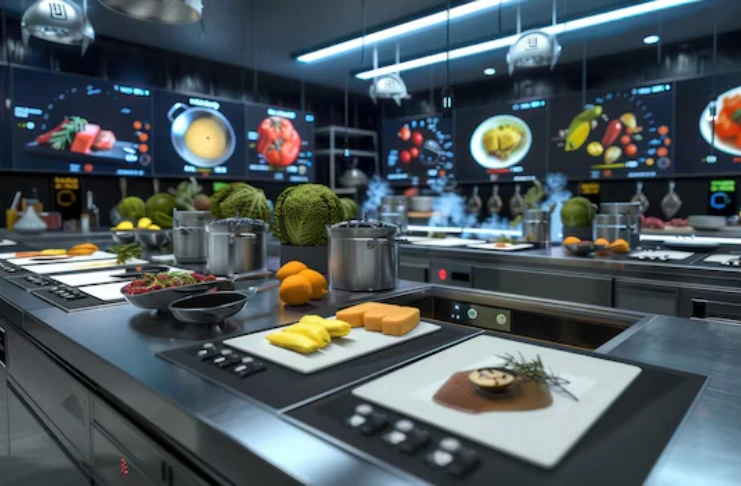
In 2025, technology is transforming every corner of our lives, and kitchens are no exception. Smart kitchens, outfitted with cutting-edge gadgets, help streamline restaurant operations, reduce waste, and boost productivity. Integrating smart kitchen appliances and tools can drastically improve efficiency and customer satisfaction if you’re a restaurant owner or chef. These devices, from smart ovens to automated scales, help you stay competitive and future-proof your business.
According to the National Restaurant Association, 70% of operators plan to invest in new kitchen technology to improve efficiency and consistency in the coming year.
This blog covers everything you need to know about building a smart kitchen, including essential design elements, must-have appliances, and how to optimize your kitchen’s workflow.
What Is a Smart Kitchen?
A smart kitchen utilizes Wi-Fi, Bluetooth, and AI technology to enhance everyday kitchen tasks. Its primary goal is to reduce manual labor, save energy, and improve the overall efficiency of the cooking process.
Smart appliances like refrigerators, ovens, and dishwashers can be conveniently controlled via smartphones or voice commands. Additionally, these appliances are equipped with automated functions such as self-cleaning modes, precise temperature control, and ingredient tracking, contributing to a more efficient and enjoyable kitchen experience.
Example:
In 2023, McDonald’s invested heavily in automated fryers and smart ovens in some U.S. locations. These smart devices cut cooking times, reduce labor costs, and deliver consistently crispy fries, improving operational efficiency and customer satisfaction.
Why Build a Smart Kitchen?
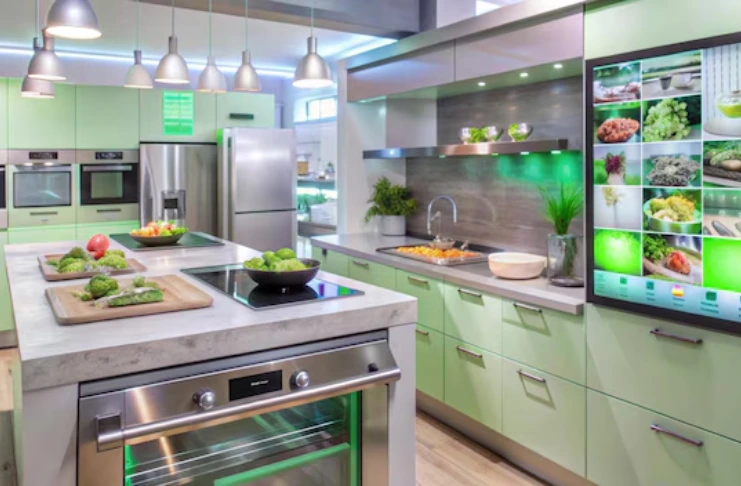
Running a restaurant is demanding. Managing staff, inventory, and customer orders requires time and attention. Building a smart kitchen can alleviate many of these challenges by:
- Increasing Efficiency: Automation can speed up routine tasks like cooking, cleaning, and inventory management.
- Improving Food Quality: Smart devices help ensure that each dish is perfectly prepared, maintaining consistency in taste and presentation.
- Reducing Waste: Accurate portion control and advanced inventory tracking help minimize food waste, cutting operational costs.
- Enhancing Customer Satisfaction: Faster service and consistently high-quality meals lead to happier customers, which drives repeat business.
Vital Elements of Smart Kitchen Design
Designing a smart kitchen isn’t just about installing new gadgets; it’s about creating a cohesive system that integrates seamlessly with your existing workflow. The following fundamental design principles can help ensure you get the most out of your smart kitchen:
Functionality First: Optimizing Space and Workflow
Functionality is paramount in any kitchen. Ensure that your appliances are strategically positioned to optimize workflow. Countertops should offer ample space for meal preparation, while smart appliances should be easily accessible to avoid unnecessary movements during cooking.
A well-organized kitchen makes cooking easier and speeds up meal preparation, which is crucial for high-demand restaurant environments.
Smart Appliances and Gadgets Integration
Smart appliances and gadgets are at the heart of a modern smart kitchen. These devices allow remote control and automation, making kitchen tasks more accessible and efficient. When integrating smart technology, ensure that all your devices can connect to a central hub or mobile app for streamlined control.
Aesthetic Appeal: Merging Style and Functionality
While functionality is the backbone of any smart kitchen, aesthetics also play an essential role. Aim for a balance between sleek design and practicality. Minimalist designs with hidden or built-in appliances can give your kitchen a futuristic, high-end look while maintaining ease of use for chefs and staff.
The Triangle Rule: A Timeless Design Principle
When designing the layout of your smart kitchen, remember the Triangle Rule. Industrial psychologist Lillian Moller Gilbreth developed this principle in the 1940s; what Gilbreth called “circular routing” became known as the kitchen “work triangle,” a concept designers still rely on today. In an efficiently planned kitchen, the perimeter of the triangle formed by the stove, sink, and refrigerator should be no greater than 26 feet, with a typical distance of 5.5 feet between appliances. This minimizes unnecessary movement and maximizes efficiency, especially in fast-paced kitchen environments.
Adhering to this classic design rule ensures that the most-used appliances are within easy reach, speeding up meal preparation and reducing chef fatigue.
Choosing the Right Smart Appliances for Your Kitchen
The type of smart appliances you choose will majorly impact the efficiency and quality of your kitchen operations. Below are some must-have smart kitchen appliances to consider:
Smart Refrigerators

Modern smart refrigerators have built-in cameras, touchscreens, and remote temperature control. These features allow you to monitor your fridge’s contents from your smartphone, track expiration dates, and manage inventory in real-time. Some smart fridges even suggest recipes based on your ingredients.
Example:
Samsung’s Family Hub Refrigerator features built-in cameras and an interactive touchscreen. Restaurants can use it to track inventory in real-time, which is especially useful for large kitchens with a variety of perishable items.
Smart Ovens and Cooktops
Smart ovens and cooktops can be controlled remotely, allowing chefs to monitor cooking progress from a distance. With features like automated temperature control, pre-programmed recipes, and child lock options, these appliances make it easier to maintain precision during cooking.
Additionally, these ovens can learn your cooking habits, remembering preferred settings for specific dishes to ensure consistency every time.
Example:
At Amazon Go’s New York locations, the introduction of automated ovens and smart cooking devices allowed them to manage high volumes of orders quickly. Their smart cooktops automatically adjust temperatures to accommodate rush periods, reducing energy consumption.
Smart Dishwashers
A smart dishwasher automatically and efficiently cleans dishes. Some models can detect the dirt on dishes and adjust the water pressure accordingly, saving energy and water.
Hi-Tech Gadgets for Daily Tasks
- Smart Coffee Makers: These allow you to schedule brewing times and monitor coffee levels remotely.
- Smart Scales: Automated scales ensure precise portion control, reducing food waste and maintaining consistency across dishes.
- Automatic Stirrers and Rice Cookers: Automating tedious tasks like stirring or cooking rice can save time and allow chefs to focus on more complex cooking tasks.
Smart Kitchen Storage Solutions
One lesser-known advantage of smart kitchen design is the availability of high-tech storage solutions. Modern storage units, from vertical pull-out shelves to motorized drawers, can optimize space and improve kitchen organization. Many smart storage solutions can be customized to fit your kitchen’s needs, allowing you to store and retrieve utensils and cookware easily.
Incorporating Future-Proof Design
Flexibility is critical to future-proofing your smart kitchen. Installing modular furniture, adjustable shelving, and multi-purpose countertops ensures that your kitchen remains adaptable as new technology emerges. Planning for future upgrades allows you to add smart appliances gradually without a complete overhaul.
How Smart Kitchens Save Time and Money

Reducing Food Waste
Smart kitchen gadgets, like scales and refrigerators, can reduce food waste through accurate portioning and inventory tracking. This lowers costs and increases sustainability, making your restaurant more environmentally friendly.
Optimizing Energy Use
Smart ovens, dishwashers, and refrigerators conserve energy by optimizing temperature control and operating during off-peak hours. Over time, this can result in significant savings on energy bills.
Example:
In 2023, Chick-fil-A implemented smart kitchen technology across several locations to reduce energy consumption. Their smart appliances are designed to run during off-peak hours, reducing energy costs by 15%.
Streamlining Labor
Smart kitchens automate repetitive tasks, allowing staff to focus on critical aspects of restaurant service. This reduces the need for additional staff, lowers labor costs, and minimizes human error.
Training Your Staff on Smart Technology
To reap the full benefits of a smart kitchen, your employees must be trained to use the new technology. Create a comprehensive training program that includes hands-on experience using the devices. Ensure employees understand how to troubleshoot problems and keep the technology running smoothly.
Monitor their progress and provide additional training to ensure they feel comfortable using smart devices in their daily tasks.
Overcoming Resistance: Why Smart Kitchens Are the Future
While the initial cost of installing smart technology may seem daunting, the long-term benefits far outweigh the upfront investment. Smart kitchens lead to faster service, better food quality, and consistent customer satisfaction—all critical to a restaurant’s success in a competitive market.
Conclusion: Building a Smarter Future for Your Kitchen
The future of restaurants lies in smart kitchens. You can boost productivity, reduce waste, and enhance customer satisfaction by integrating smart appliances, optimizing design, and training staff on the new technology. As the industry evolves, investing in a smart kitchen ensures that your restaurant stays competitive, efficient, and ready to meet the challenges of tomorrow.