

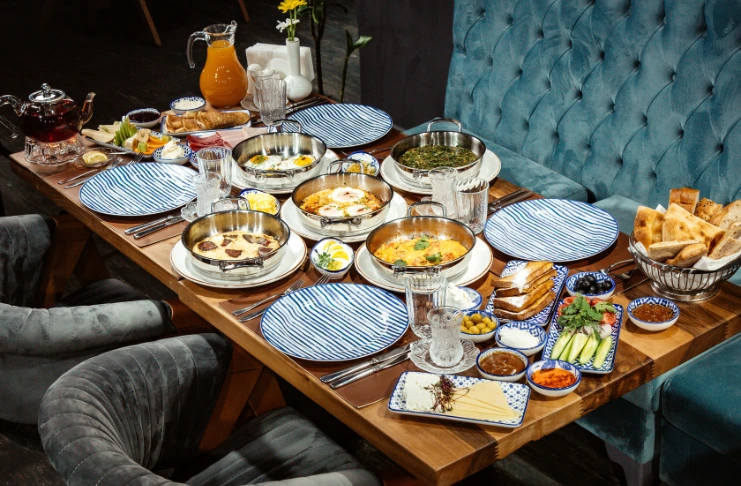
What is a Table Service Restaurant?

A table service restaurant is a format where guests are seated and served by staff throughout their visit. Servers handle ordering, food delivery, and check-out, while the rest of the front-of-house team supports pacing and coordination. The experience is structured, but the goal is to make the flow feel intuitive and comfortable for guests.
This model differs from counter-service or self-service formats, where customers place orders at a counter, manage their own seating, and often pick up their food themselves. As diners’ expectations for attentive and personalized services rise, this model also gives restaurants meaningful operational and financial advantages-
- Higher average spend per guest because staff can guide decisions, suggest add-ons, and adjust recommendations based on guest cues.
- A more differentiated dining experience thanks to the ambiance, pacing, and attention that the staff provides.
- Stronger guest loyalty, driven by consistent, personalized interactions that customers remember and return for.
What are the Features of a Table Service Model?
Table service restaurants succeed when their operational structure supports high-quality guest interactions and a consistent service flow. The key features are-
1. Well-Defined Front-of-House Structure
A clear FOH structure helps maintain an organized dining room and manage volume without compromising service quality. This often means having clearly defined roles and responsibilities-
- Servers, hosts, runners, and bussers each own a defined part of the guest journey, preventing overlap and confusion.
- Responsibilities are divided so staff can maintain speed, accuracy, and steady table movement during busy periods.
- It follows a standard sequencing, which includes aspects like greeting, order-taking, and the final check. This gives every shift a consistent rhythm.
2. Menu and Ordering Format
The menu shapes how guests move through the dining experience and influences the rhythm of the entire service.
- Table service menus often have more depth and variety, giving guests room to explore while allowing upsell opportunities.
- It also features varying formats such as à la carte, prix fixe, and tasting menus, each with its own different pacing needs.
- Menu items with clear descriptions and organized layouts reduce ordering friction and support confident decision-making.
- Seasonal updates and item positioning help balance profitability with guest appeal.
3. High Tableside Dining Standards
Tableside interactions define the quality of the service more than any other element. Consistent benchmarks ensure that guests receive the same level of attention, pacing, and care, no matter who is serving them.
- This includes standards for greeting times, order accuracy, and pacing to help the team deliver predictable and dependable service.
- Staff are trained to read guest cues and adjust their level of interaction to match the table’s preferences.
- Presentation and plating reinforce the restaurant’s positioning and influence perceived value.

4. Seamless Operational Flow and Coordination
Operational flow depends on the communication between FOH and BOH during the shift. Strong coordination reduces delays, keeps the dining room steady, and helps staff manage high volume without compromising quality.
- FOH and BOH sync closely to manage volume, prevent bottlenecks, and maintain steady pacing.
- Real-time communication through verbal cues, display systems, or even passing notes keeps teams aligned.
- Runners support the kitchen by delivering dishes quickly and accurately.
- Hosts manage seating to balance server sections and avoid overloading the kitchen.
- Teams make quick adjustments based on prep times, table status, and guest needs to keep the room moving.
5. Service Environment
The dining room environment directly influences comfort, pace, and how guests interpret the quality of the experience. A well-managed ambiance supports both hospitality and operational efficiency.
- Table layout and spacing determine how staff move through the dining room and interact with guests.
- Lighting and noise levels affect perceived hospitality and pacing.
- Comfortable seating encourages longer stays, while efficient arrangements support quicker turns.
- Cleanliness, table resets, and dishware presentation reinforce professionalism.
- Ambiance elements, including music, décor, and temperature, contribute to a cohesive, engaging experience.
INDUSTRY INSIGHT
What are the Types of Table Service Restaurants?
Table service formats differ in service depth, ticket size, and experience design, allowing operators to target distinct dining segments. Each format comes with its own expectations around pacing, menu structure, and service style.
Here are the different types of table service restaurants-
1. Casual Dining
- Casual dining offers a comfortable, accessible environment with a broad menu and moderate pricing.
- It appeals to guests seeking a relaxed, predictable experience that works for everyday occasions and group meals.
- Pricing is designed to be approachable, making the format suitable for regular visits rather than special events.
- Service pacing tends to be moderate, allowing guests to enjoy their meal without feeling rushed.
- The experience is consistent and straightforward, which encourages repeat visits.
2. Fine Dining
- Fine dining creates a highly polished experience built around culinary craftsmanship, refined ambiance, and elevated service standards.
- Fine dining restaurants typically offer multi-course menus that follow a carefully curated structure, from appetizers to desserts.
- Service is detailed and attentive, supported by higher server-to-guest ratios.
- The ambiance is intentionally designed to reinforce the restaurant’s identity and elevate the experience.
- Staff interactions follow established rituals that maintain consistency and professionalism.
3. Family Style
- Family-style formats focus on shared dishes, generous portions, and a relaxed environment.
- The model encourages connection at the table and creates a dining experience centered around togetherness and longer visits.
- Shared platters allow guests to sample multiple dishes without committing to individual entrées.
- Pacing is flexible, allowing guests to linger without feeling pressured to move quickly.
- The service style is friendly and communal, supporting a warm, approachable atmosphere.

4. Upscale Casual
- Upscale casual bridges the gap between casual dining and fine dining, offering refined menus in a more relaxed setting.
- The format resonates strongly with modern, experience-driven diners who value quality without the formality of traditional fine dining.
- Menus highlight high-quality ingredients and contemporary techniques without becoming overly elaborate.
- The ambiance is stylish but welcoming, making the space suitable for both everyday outings and special occasions.
What are the Different Types of Table Service in a Restaurant?
Understanding the different styles of table service in the dining helps operators choose the approach that best aligns with their menu, staffing structure, and guest expectations.
These restaurant service types vary in formality, staff involvement, and presentation style, but all influence how guests experience the meal and how efficiently the dining room operates.
- Informal Silver Service: Servers place dishes on the table for guests to serve themselves, offering a relaxed version of traditional silver service with minimal formality.
- Formal Silver Service: Food is served to guests from the left using silverware, with a strong emphasis on precision, etiquette, and presentation.
- French Service: Servers present food on platters and serve guests individually or allow tableside self-service, creating an interactive, high-touch experience.
- Russian Service: Dishes are pre-portioned in the kitchen and served to guests directly, providing elegance with more controlled pacing.
- American Service: Plates are fully prepared in the kitchen and delivered directly to guests, making it the most efficient and widely used format today.
- English Service: The host carves or serves the main dish at the table, with servers assisting in distributing sides and accompaniments.
- Gueridon Service: Food is prepared or finished tableside using a trolley, adding a theatrical element that enhances the overall experience.

How to Elevate Table Service Experience at a Restaurant?
Strengthening the service model requires operational clarity and consistent guest-centric execution. Here are a few ways to help your team deliver smoother service, reduce avoidable errors, and create an unforgettable experience that guests trust and return to
1. Standardize Service Sequences
Clear service sequences give each shift a predictable structure. When staff follow the same approach to greetings, order taking, table checks, and payment, the dining room moves at a steady pace, and guests experience consistency.
Standardization also reduces oversight. With defined steps, tables are less likely to be missed, communication is clearer, and small delays are easier to control during peak periods.
2. Strengthen Staff Communication and Training
Strong communication keeps the team aligned, especially in high-volume periods. Regular training through refreshers and scenario-based practice helps staff respond confidently to common challenges.
You can also plan short debriefs at the end of shifts or the week to create space to address bottlenecks and reinforce what worked well. This ongoing dialogue helps teams stay coordinated and adapt quickly.

3. Optimize Menus and Guest Experience
A thoughtful menu makes ordering easier and supports smoother pacing. Clear descriptions, logical structure, and manageable item counts help guests make decisions without friction.
The environment plays an equally important role. Adjustments to table layouts, lighting, seating comfort, and plating strengthen the overall experience and make the dining room feel more cohesive.
4. Integrate Guest Feedback Into Daily Operations
Guest feedback offers practical insight into what’s working and where adjustments are needed. Addressing comments in real time prevents minor issues from shaping the entire experience.
Reviewing post-visit feedback reveals patterns across shifts and days, helping operators refine service sequences, pacing, and communication. Over time, this creates a service model that evolves with guest expectations.
Conclusion
A strong table service model works best when operators understand how each component, from service structure to pacing, environment, and staff coordination, contributes to the guest experience.
Across formats, this model gives operators a practical structure for managing busy shifts and delivering service that feels intentional rather than improvised. As expectations evolve, refining table service simply ensures the experience keeps pace, allowing the restaurant to operate smoothly while giving guests a visit that feels well-managed and memorable.