

Picture a restaurant on a Saturday evening. The air is filled with excitement. There seems to be some commotion, at the entrance. People are crowding, unsure where the line starts or ends. The staff, overwhelmed, struggles to manage the growing queue. This scene, all too common, mirrors a startling statistic: long queues contribute significantly to lost store revenue, amounting to a staggering £11.3 billion.
Notably, Restaurants with long queues often face significant issues, including the loss of customers who may choose competitors over waiting. This leads to reduced revenue and lost opportunities for upselling. Long wait times can also result in negative reviews, adversely affecting the restaurant’s reputation. Operational inefficiencies become apparent, leading to disorganization and impacting the customer experience negatively. Customers waiting in queues may feel neglected, which can diminish their overall satisfaction and perception of the restaurant’s quality and service.
In this blog, we’ll underscore the challenges restaurant owners face without efficient queue management, explore its ideal solution, and highlight the undeniable benefits of integrating queue management software.
The Challenge of Queue Management in Restaurants
As a restaurant owner, you understand the importance of first impressions and efficient service. Let’s discuss some challenges you might face without a restaurant queue management software:
- Poor Representation: Imagine a long line outside your restaurant. It might deter potential customers. For instance, a family seeking a quick meal might see the crowd and decide your restaurant is too busy, choosing to dine elsewhere.
- Unpredictable Wait Times: Without a clear queue system, your guests are left guessing how long they’ll wait. Picture a couple on a date, constantly looking at their watches, feeling uncertain and frustrated. This uncertainty can negatively impact their experience.
- Extra Expenses: When customers leave the line or fail to show up for reservations, it’s not just a missed opportunity; it’s a direct loss for your business. Think about a group that booked a table but chose another place due to the apparent chaos at your entrance.
- Guest Frustration: Lengthy waits without clear communication can lead to guest dissatisfaction. Consider a solo diner watching others being seated while they’re left waiting, potentially feeling ignored or anxious.
So, now it’s clear to you how these challenges also underscore the need for efficient queue management. Statistics also show that 25% of customers would wait a maximum of two minutes, 59% up to four minutes, and 73% would abandon their plan after a five-minute wait. Addressing wait times is crucial in retaining customers and ensuring a positive dining experience.
Restaurant Operations with Effective Queue Management Systems
In the restaurant industry, effective queue management is crucial for customer satisfaction and business efficiency. A significant study indicates that reducing wait times in restaurants could potentially increase revenue by about 15%. Modern queue management systems, utilizing cutting-edge technology, are designed to optimize operations and enhance the customer experience, addressing the challenge of long queues which cause 86% of customers to leave.
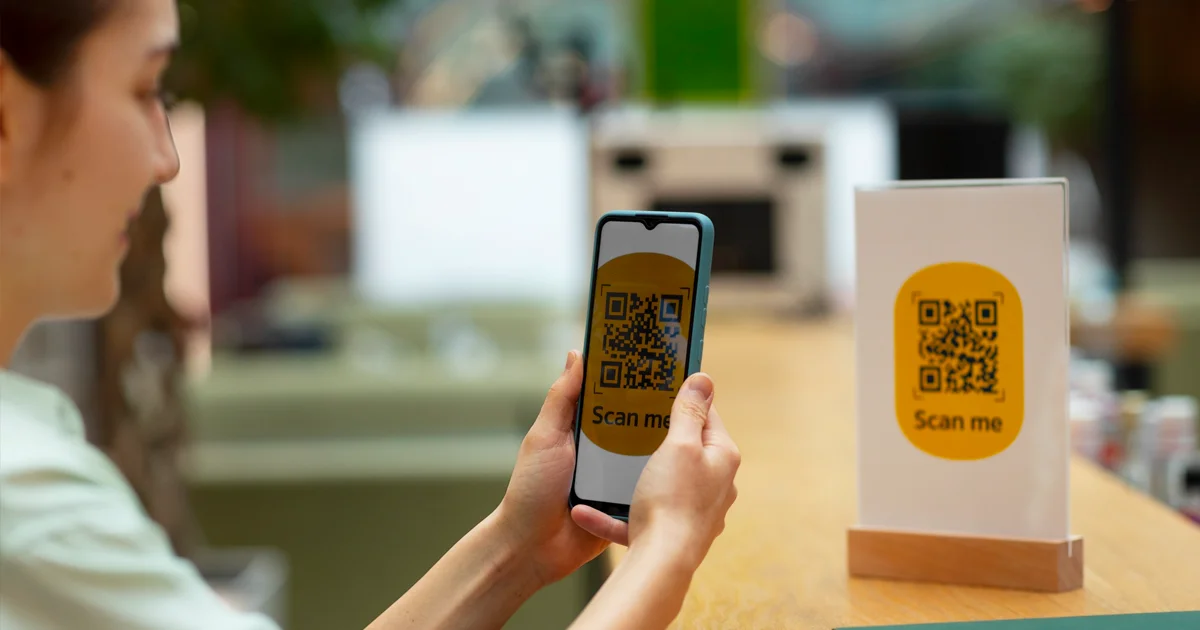
These systems automate tasks like updating queue status and customer check-ins, streamlining operations. They also cater to the psychology of waiting, where clear communication about wait times significantly improves the customer experience. Implementation is straightforward and quick, offering benefits like virtual queuing and accurate wait time predictions, which are especially appealing to younger, tech-savvy customers.
Modernizing Restaurants with Queue Management Technology
A mid-sized restaurant that faced challenges in managing customer queues, especially during peak hours. After implementing a queue management system, operations became more streamlined, reducing reliance on dedicated hardware and staff involvement. This shift led to greater efficiency and improved customer satisfaction.
Reflecting on the broader picture, a survey reveals that 77% of millennials believe restaurant technology enhances their dining experience. Additionally, 40% prefer making table reservations through apps or social media platforms. These stats underscore the growing importance of adopting technology in the restaurant business.
Several digital queue management features address these needs:
- Live Table Occupancy Monitoring – Enables real-time table assignments, reducing wait times and improving customer service. Imagine a busy Saturday night where guests are quickly seated, thanks to this system’s POS integration.
- Automated Alerts & Communication – Sends SMS or email notifications for table readiness, minimizing missed reservations and enhancing guest experience.
- Remote Queue Joining – Allows customers to join the queue from anywhere, optimizing planning and reducing physical wait times. A family can enter the queue from home and arrive just in time to be seated.
- Website Reservation API Integration – Simplifies the online booking experience, catering to tech-savvy diners who prefer streamlined reservation processes.
With modern queue management technology, restaurants can significantly improve operational efficiency and guest experience, making dining smoother for both customers and staff.
Conclusion
In the restaurant industry effectively managing queues is crucial, during times such as Saturday evenings. While long lines indicate popularity they can result in revenue loss and unhappy customers. Poor queue management may lead customers to choose competitors, write reviews and cause chaos. A modern POS system offers a solution for these challenges. It helps reduce stress during peak hours, enhances performance and improves dining experiences by providing features like table tracking and remote queuing. Moreover when integrated with CRM and POS systems it increases efficiency and customer satisfaction. For restaurant owners implementing restaurant reseveration software is a move towards modernizing operations and meeting the expectations of today’s tech diners to ensure competitive success.
Frequently Answered Question
1. What is Restaurant Queue Management Software and How Does it Work?
Restaurant queue management software is a tool designed to organize and manage customer waitlists and seating in an efficient manner. It typically operates by allowing customers to check in digitally, either through a kiosk, mobile app, or at the host stand. The software then tracks waiting times, notifies customers about their table readiness, and helps staff allocate tables more effectively.
2. What Are the Key Benefits of Using Queue Management Software in Restaurants?
The primary benefits of using queue management software in restaurants include reduced wait times, enhanced customer satisfaction, and improved table turnover rates. This software provides real-time updates to customers, reducing frustration associated with waiting. For restaurant staff, it streamlines the seating process and improves overall operational efficiency.
3. Can Queue Management Software Integrate with Other Restaurant Systems?
Yes, many queue management software solutions can integrate with other restaurant systems such as reservation platforms, point of sale (POS) systems, and customer relationship management (CRM) tools. This integration allows for a more seamless and holistic approach to restaurant management, offering detailed insights into customer behavior and operational efficiency.