

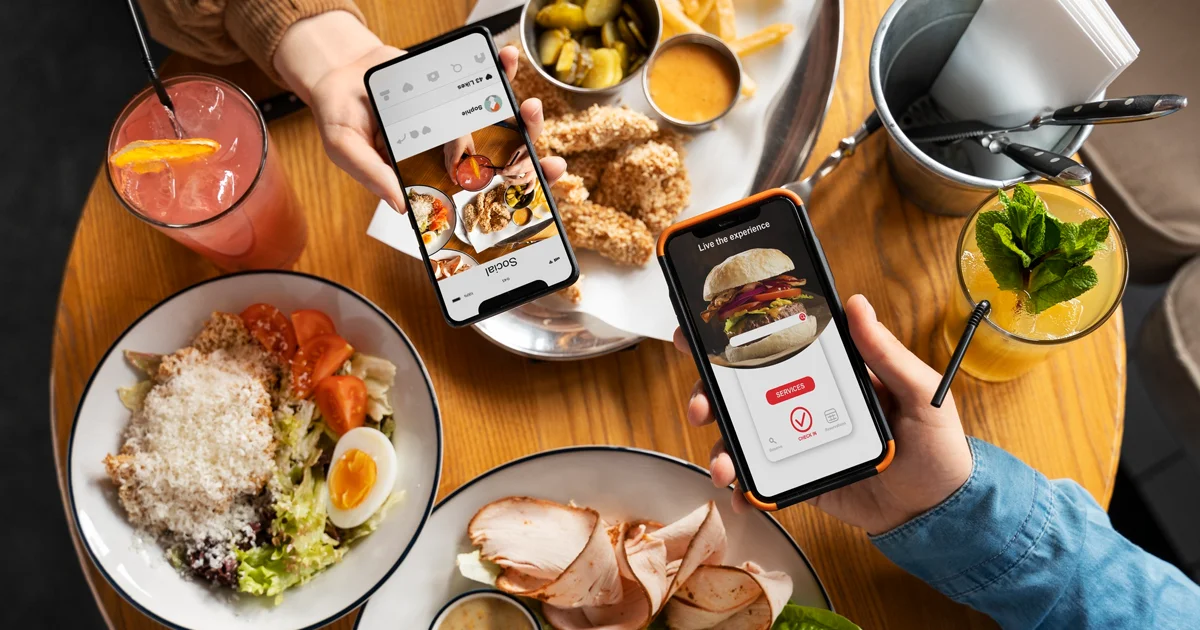
What is Restaurant Marketing?
Restaurant marketing refers to the strategies and activities you use to promote your restaurant and attract new guests. It’s about creating awareness, building your brand identity, and ensuring your restaurant stays top of mind whenever people think about dining out.
From digital campaigns and social media promotions to loyalty programs and local partnerships, restaurant marketing helps you connect with your audience at the right time and place. The focus is on understanding what your customers value — great food, convenience, service, or ambiance — and shaping your messaging to match those expectations.
Why is Restaurant Marketing Necessary?

The most obvious answer is to increase revenue through more sales. But, have you ever considered how restaurant marketing can benefit you in other ways?
Here are five reasons why marketing is necessary for your restaurant-
1. Increase Customer Lifetime Value (CLV)
CLV represents the total revenue a restaurant can expect to earn from a single customer throughout their entire relationship with the business. For restaurants, CLV takes into account factors like how often a guest dines with you, their average spending per visit, and how long they remain loyal to your brand.
You generate repeat business and improve CLV by constantly offering personalized offers to your new customers through email campaigns or social media marketing. This increases the lifetime value of each customer.
2. Strengthen Brand Awareness and Recognition
Marketing keeps your restaurant visible to potential diners long before they decide where to eat. Consistent promotion across digital platforms, including social media, search engines, and local listings, helps customers recognize your brand and recall it when making dining choices.
The more often people see your name, logo, or signature dishes, the stronger your brand identity becomes. Over time, this recognition builds trust and positions your restaurant as a preferred choice in your area.
3. Improve Customer Engagement and Retention
Good marketing doesn’t end with getting a customer through the door; it focuses on keeping them connected. Regular email updates, loyalty rewards, or personalized social media interactions remind customers that they’re valued.
These touchpoints foster emotional connection and motivate repeat visits. Engaged customers not only spend about 67% more per order than first-time customers but also recommend your restaurant to friends and family, increasing retention and organic reach simultaneously.
4. Attract New Staff Members
Showcasing your restaurant’s culture, values, and commitment to customer satisfaction through marketing doesn’t just draw in diners; it also appeals to potential employees. A strong employer brand can help you attract skilled, motivated staff who align with your vision.
In fact, by hiring the right candidates from the start, you can save around $2,000 per hire, which is the average cost of training an inexperienced employee.
5. Build Partnerships and Collaborations
Creative restaurant marketing also means building meaningful partnerships with local businesses, communities, and influencers to expand your reach. Collaborations like charity events, co-branded promotions, or influencer features can help your restaurant gain authentic visibility.
As your brand presence strengthens, you’ll benefit from organic word-of-mouth promotion within local circles and online communities.
Why Do You Need a Restaurant Marketing Strategy?

Having a marketing plan and having a marketing strategy are not the same. Many restaurants post on social media, run occasional ads, or send email offers, but without a defined strategy, these efforts often fail to connect or convert. A structured restaurant marketing strategy helps you focus your time, budget, and creativity in the right direction to drive measurable results.
Here’s why a clearly defined marketing strategy is essential for long-term restaurant success:
A. Prevent Wasted Time and Budget
Random marketing efforts can quickly drain resources without generating consistent returns. A strategy gives structure to your marketing spend, ensuring every campaign has a purpose.
- You’ll know which platforms to invest in, whether it’s Google Ads, local SEO, or social media.
- Since you can easily schedule and track campaigns, it reduces the risk of duplicated efforts or missed opportunities.
- You can prioritize high-impact initiatives that align with your target audience and restaurant goals.
B. Set Measurable Goals and Track Results
Without measurable goals, it’s impossible to know what’s working. Your marketing strategy should set clear, measurable targets, such as increasing online orders by 20% or growing Instagram engagement by 15% in a quarter.
After defining your goals, here’s what you need to do-
- Define KPIs (key performance indicators) like conversion rate, website traffic, or return customers.
- Track these metrics regularly through analytics tools.
- Adjust your approach based on data to keep your goals on track
C. Maintain Brand Consistency Across Channels
A well-defined marketing strategy ensures that every customer touchpoint reflects your brand identity, building familiarity and trust over time. When your tone, visuals, and messaging remain consistent across ads, social media, menus, and email campaigns, it reinforces recognition and positions your restaurant as reliable and professional.
This consistency also improves recall, making customers more likely to think of your restaurant first when deciding where to dine.

D. Adapt to Changing Trends and Customer Behavior
The restaurant industry evolves rapidly from social media algorithms to dining preferences. A well-structured strategy helps you adapt efficiently by
- Using data to identify shifting customer trends, such as growing demand for contactless dining or sustainable packaging.
- Reallocating resources based on performance insights instead of starting from scratch each time.
- Staying ahead of competitors who react late to new opportunities.
In a fast-moving industry, adaptability is what keeps your marketing relevant and effective. With a clear strategy, your restaurant can evolve with customer expectations instead of falling behind them.
6 Restaurant Marketing Strategies (3 Essentials + 3 Advanced)
Now that you understand why a defined marketing strategy is essential, let’s look at six proven ways to put it into action. These essential and advanced strategies will help you enhance your marketing efforts, reach a wider audience, and drive measurable business growth.
1. Create an Online Food Delivery System
Do you know online ordering accounts for 40% of total restaurant sales? Today, online food ordering is the new norm in the restaurant industry. If your website features online food ordering system, work on menu engineering to maximize your restaurant’s success with ease.
You can also add your website address to your Google My Business profile for customers to order food without much hassle. However, this means you need to optimize your website as well with features like-
- Mobile-friendly navigation is essential, as over 60% of food orders now come from smartphones.
- Multiple payment options like credit card, digital wallets, and COD to reduce cart abandonment.
- Highlight bestsellers or “chef’s specials” to encourage upselling.
- Real-time order tracking and estimated delivery times for transparency and trust.
- Clear food images, ingredient information, and allergen information to help your guests make an informed choice.
2. Improve Your Website SEO
Optimize your restaurant website for SEO. It is one of the best ways to drive organic traffic online. Hire an SEO expert and optimize your restaurant website to appear first on Google, Bing, and Yahoo for your business’s most popular search queries.
For instance, if your restaurant specializes in varieties of pizzas, optimize your website for popular search queries like “best pizzas home delivery near me” or “best pizza near me menu.”
To further enhance search visibility, you can-
- Include structured data markup for menus, opening hours, and reviews to improve how your restaurant details appear in search snippets.
- Use local keywords (like “family restaurant in Brooklyn”) to improve nearby visibility.
- Encourage customers to leave reviews as Google considers them for local ranking.
- Regularly update your blog or news section with local food trends or event coverage to improve domain authority.
3. Promote on Social Media
57% of Gen Z diners rely on social media reviews before selecting a new restaurant, making platforms like Instagram and TikTok essential for brand visibility. Instead of only posting offers, focus on building genuine engagement through high-quality photos of your dishes, restaurant ambiance, or candid moments of happy diners.
Pair them with thoughtful captions that reflect your restaurant’s vibe and values. Consistent, authentic content can spark curiosity and motivate viewers to visit or order from you without extra ad spend. Using relevant hashtags and location tags also helps your posts reach nearby audiences actively searching for new dining spots.
You can also:
- Host interactive polls, contests, or challenges to encourage user-generated content.
- Collaborate with local micro-influencers to showcase your brand authentically.
- Share behind-the-scenes kitchen moments or staff highlights to humanize your brand.
INDUSTRY INSIGHT
4. Turn Your Existing Customers into Promoters
Regular customers are the backbone of your restaurant’s profitability, often spending more and visiting more frequently than new guests. To maximize the value of this loyal base, focus on cultivating relationships that foster repeat business and advocacy.
Personal touches go a long way, such as remembering their usual orders, offering exclusive discounts, and suggesting new dishes tailored to their preferences. Beyond retention, you can also turn loyal diners into brand ambassadors by
- Introducing referral rewards or cashback incentives for every new customer they bring in.
- Launching a referral leaderboard that recognizes top promoters monthly.
- Personalizing thank-you notes or loyalty gifts for repeat customers who actively refer others.
- Encouraging customers to share their favorite meals or experiences using a branded hashtag.
5. Encourage Your Customers to Leave Online Reviews
94% of US customers check online reviews before dining in a restaurant. The reason is simple. People want reassurance that they are selecting the right restaurant for the best dining experience. In this regard, online customer reviews on your business pages are the biggest source of social proof.
That’s why you encourage customers to leave online reviews on your business pages. Consider small changes that drive big impact-
- Display QR codes on receipts or tables linking directly to your review pages.
- Respond publicly to both positive and negative feedback to show engagement.
- Feature selected customer reviews on your website or digital displays for added credibility.
If possible, incentivize them to leave reviews by offering a discount on their next meal. This will also incentivize customers to return to your restaurant to claim the discount.

6. Use Email Marketing
50% of US diners agree they are influenced by email marketing. It is cost-effective and highly fruitful if done correctly. The acquisition cost is very small, requiring no overhead or upfront cost.
All you need is the list of verified emails of your new and existing customers. You can easily collect the list from the CMS by running an online ordering system. Once you have a list of verified emails-
- Segment your mailing list by order history or dining frequency to send personalized offers.
- Automate emails for birthdays, anniversaries, or local events to increase open rates.
- A/B test your subject lines and visuals to refine what resonates most with your audience.
Send them promotional offers, special day wishes, culinary jokes, and personalized discount coupons to maximize conversions.
How to Optimize Your Restaurant Marketing Strategies?
Once your marketing campaigns are running, consistent evaluation is key to improving performance and ROI. Instead of treating marketing as a one-time effort, monitor and refine your approach continuously. Follow these steps to ensure your strategy delivers measurable results-
Step 1: Track Your Campaign Performance Regularly
Monitor your campaigns across various channels, including social media, email, and paid ads, to understand what’s working. Consistent tracking helps identify which campaigns attract engagement and which need adjustment before they consume more budget.
Step 2: Compare Live and Historical Data for Each Campaign
Analyzing performance over time reveals patterns in customer response and seasonal demand. Compare current campaign data with past results to identify trends, measure consistency, and refine your marketing calendar.
Step 3: Identify Improvement Areas Based on ROI and Conversion Rates
Review ROI and conversion metrics to see where your efforts deliver the most value. For instance, if email campaigns yield higher returns than paid promotions, shift your focus and budget accordingly.

Step 4: Use Restaurant Analytics Software to Automate Insights and Reduce Manual Errors
Restaurant management software provides real-time performance reports, saving time and minimizing human error. The integrated analytics tools can highlight underperforming order channels, track customer engagement, and suggest data-driven adjustments.
Step 5: Adjust Your Strategy Dynamically Using Real-Time Data
Marketing trends shift fast, making it important to stay agile by adapting to new data instead of sticking rigidly to preset plans. This is where you can use live feedback to refine offers, update campaigns, and target changing customer behaviors effectively.
A structured optimization process ensures every marketing dollar works harder and every campaign aligns with your restaurant’s growth goals.
Conclusion
An ideal failure-proof restaurant marketing strategy doesn’t exist. You must adopt the minimum marketing essentials and try more creative alternatives to see what works best for your restaurant. Moreover, you can leverage restaurant analytics software to track, analyze, and improve your marketing efforts with real-time performance data.