


How to Write a Restaurant Marketing Plan?
Restaurant owners put a lot of effort into building the right marketing strategy. As mentioned above, the market has grown highly competitive. Also, there is a huge shift in consumer habits. For instance, the vegan food market is projected to surpass $24 billion by 2026, reflecting significant growth in consumer demand for vegan products. 57% of customers are feeling more inclined towards restaurants with sustainability practices.
According to a study on Statista on the changing dining habits of US customers in Spring 2023, 43% of diners are cutting back on alcohol/drinks—a 38% increase in numbers compared to the fall of 2022.
The same study also shows an increase in the number of people looking for cheaper items on the menu and cutting down on desserts and appetizers since the fall of 2022.
So, unless new restaurants follow a targeted marketing approach, it is difficult to attract these new demographics. In this regard, restaurants need to go through the following steps to create a comprehensive marketing plan to stand out in a competitive market.

1. Conduct a Restaurant Market Analysis and Set Objectives
People visit restaurants not just to dine but also to relax and create beautiful memories on holidays and special occasions. Unless you understand the market, your potential customers, and gauge your competitors, developing a strategic goal is hardly possible.
A comprehensive market analysis helps you identify where opportunities lie and how to position your brand effectively.
1.1 Understand Your Market
Start by evaluating the local dining landscape — your competitors, target demographics, and evolving consumer trends. Assess which types of cuisine, price ranges, and service models are gaining traction in your area.
Next, define your target audience in measurable terms: age group, income level, lifestyle, and dining preferences. Overall, your market analysis will involve analyzing-
A. Demographics
For targeted marketing, you need to study different attributes of your potential customers, such as:
- Age
- Gender
- Income
- Education
- Race
- Religion
- Family size

B. Competitors
Study the following attributes of your competitors:
- Menus
- Pricing
- Target audience
- Marketing strategies
The aim is to take a helicopter view of all competitors and analyze them inside out to identify gaps you can exploit to stand out in the market.

For instance, let’s say you want to open a burger restaurant. Your competitor analysis revealed that several competitors offer traditional options like beef, chicken, and veggie burgers.
But, none of them are targeting huge potential customers looking for a gluten-free or ketogenic diet. This could be your chance to exploit the gap and grow a dietary segment your competitors neglect.
C. Industry Trends
Besides customer demographic and competitor analysis, it is imperative to understand the current trends in food, technology, and customer preferences so that you can plan and add to your marketing to attract a wider audience.
To give you a brief idea, look at the variety of current trends customers are particular about in terms of food, technology, and preferences.
1. Food Trends
a. Dietary Preferences
- Plant-based diets
- Gluten-free options
- Ketogenic diet
- Paleo-friendly dishes
b. Sustainability
- Farm-produced ingredients
- Eco-friendly packaging
- Minimized food waste
c. Ethnic Cuisines
- Korean
- BBQ
- Ethiopian
- Peruvian
2. Technology Trends
- Online ordering and delivery
- Mobile ordering system
- Social media presence
- AI-powered customer service
- Digital loyalty programs
3. Customer Preferences Trends
a. Convenience
- Online ordering
- Doorstep delivery
- Contactless delivery
- Prompt delivery
- Multiple payment options
b. Personalized Dining Experience
- Loyalty programs
- Birthday promotions
- Customized menu options
- QR code menu
- Online table reservations
c. Transparency and Authenticity
- Video tour of the kitchen
- Details of chiefs and staff
- Origin of ingredients
- Hygiene practices
- The story behind the restaurant

1.2 Set SMART Goals
Once you’ve analyzed your market, translate your findings into clear, achievable objectives. One of the best ways to do this is to utilize the SMART goal framework in your planning.
Here is what each term of your SMART goal framework stands for:
- Specific: Be specific about your goals (for instance, you might aim to increase dine-in traffic by 15% in the next quarter, or grow online orders by 25% within six months.)
- Measurable: Use measurable metrics such as website traffic, media engagement, sales data, customer acquisition costs, etc., for ROI calculation
- Attainable: Set dynamic goals you can achieve with your current marketing budget and resources.
- Relevant: Instead of focusing on vanity metrics, make sure your marketing goals align with your overall business objectives and target audience
- Time-Bound: Create a deadline-based marketing plan and develop a sense of urgency to adjust your strategies, if needed, to achieve goals within that timeframe
2. Develop Effective Marketing Strategies
Developing your restaurant marketing strategies is essential to attract, engage, and retain customers in a competitive dining landscape. A clear marketing plan helps you define your brand identity, choose the right promotional channels, and build lasting customer relationships that translate into repeat visits and consistent revenue growth.

2.1 Build a Strong Brand Identity
When you think about pizza, certain restaurant chains instantly strike your memory. That’s what brand positioning is all about in a nutshell.
Branding a restaurant is not just about creating a logo, a slogan, or a mission statement. It’s about working around your values and mission to establish your business. Most importantly, branding is how people remember you for their memories at your restaurant and their experiences with your online advertisements.
For instance, if you want to brand your restaurant as a cool casual gastropub for young millennials, your brand personality should be friendly, trendy, and approachable. Offline, your mission should be to offer creative dishes paired with an extensive collection of beer in a relaxed ambiance.
Your ad visuals should play with a warm color palette featuring a beer-inspired theme to promote the creative pub atmosphere and close-up photos of exotic dishes to attract the target audience.
2.1.1 What are the Benefits of Strategic Restaurant Branding?
Branding a restaurant in the right direction helps you unlock the following benefits apart from your regular marketing efforts.
1. Attracts Brand-Savvy Customers
Imagine a brand like “Sprout Kitchen” that promotes fresh, seasonal ingredients and healthy meal options. The restaurant is highly likely to connect with brand-savvy millennials who focus on health and clean eating.
2. Earns Loyalty and Trust
Delivering a consistent and positive brand experience is key to building customer trust and loyalty. For example, if your restaurant positions itself as a kid-friendly space, families should consistently find reliable meal options and well-maintained play areas for children. Each time you meet those expectations, you reinforce your brand promise and strengthen customer loyalty.
3. Gives a Competitive Advantage
With over 749,000 restaurants in the USA, branding your restaurant uniquely sets you apart from competitors. This competitive edge helps you set higher prices, attract top talent, and secure lucrative partnerships within your industry.
Customers looking for memorable dining experiences are willing to pay extra for a lavish fine-dining restaurant with a luxurious ambiance and world-class cuisine.
6. Keeps the Staff Engaged and Motivated
When your staff resonates with your brand values, it fosters a sense of shared purpose and direction. It helps your staff understand the type of service and communication expected. Now, they indirectly become your brand ambassadors and deliver service that reflects your brand personality.
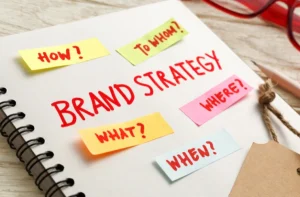
2.1.2 How to Develop your Brand Positioning?
You can easily develop a simple, clear, yet highly valuable brand persona for your restaurant by following the steps below.
Step 1: Define Your Core Values and Mission
Create a list of core values to establish your restaurant’s brand image. Based on that, create a mission statement that reflects your unique selling propositions.
For instance, if you’re opening a modern Tapas bar, your mission statement should reflect your core values: freshness, creativity, community, and fun.
Step 2: Know Your Target Audience
Who are your ideal customers? You can identify them with some easy steps. Analyze your local customer data, such as age, location, income level, family size, and ethnicity. One of the best ways to do this is to analyze your competitors’ clientele. Based on the shared characteristics of your target audience, refine your brand message.
Step 3: Develop Your Brand Personality
Once you know your target audience, look for their shared values. Are they health-conscious, environment-concerned, or budget-minded? Accordingly, you can develop your brand personality. For example, if your target audience is family, your restaurant’s pitch might use a warm and friendly tone.
Step 4: Maintain Brand Consistency
Choose colors and fonts that resonate with your brand message and create a cohesive visual identity. It is also imperative to train your staff to deliver exceptional service that reflects your brand personality and values.
2.2 Strengthen Your Digital Presence
A strong digital presence plays a crucial role in modern restaurant growth as it expands your visibility beyond physical boundaries. It helps you reach new audiences through social media, search engines, and online listings while driving engagement and reservations through targeted campaigns, SEO optimization, and consistent online presence.
Let’s look at some common and trending digital marketing tactics for restaurants.
1. Website Optimization
Did you know that around 35% of diners like to book reservations through the restaurant’s website? So, you should know how to turn your digital brochure (website) into a powerful marketing funnel.
A few small innovative redesigns will do the job. For instance, instead of just showing the menu, let your customers get a view of your ambiance and kitchen hygiene. A small virtual kitchen tour or a few blog posts about your ingredients will establish you as an authority in front of your customers.
However, optimize your website design, photos, and videos to blend well with any mobile device. Due to the small investments, building a promotional website is the best marketing plan for a small restaurant.

2. SMS Marketing
70% of customers use their phones to place orders, and 42% of them sincerely look for coupons/deals. In this regard, SMS marketing is one of the best digital marketing strategies with 98% open and read rates.
You can use SMS marketing to offer exclusive deals on new items or book reservations for weekend music nights with exclusive discounts on exotic food items. If your restaurant has high-value customers, they would love to receive texts to try “secret” menu items and feel like they are part of a special club.
Using restaurant text marketing with other marketing channels can also increase conversion rates to 112.6%.
3. Email Marketing
Around 68% of customers like to receive emails about new food items from restaurants, at least once a month. You can do more than that. You can send weekly newsletters, welcome emails, menu updates, promotional coupons, and special holiday offers to increase sales and add profit to your bottom line.
Emails are also a great medium to run surveys and ask for feedback to know what your customers think of your restaurant and to use that information to polish your marketing efforts.
4. Social Media Marketing
Around 82% of restaurants use social media to promote their business. You can try on every social media network; we recommend initially narrowing down your options to the following:
a. Facebook
- Facebook Live Events: Host live cooking demonstrations or a virtual tour of your kitchen
- Run Ads: Run targeted ads for special offers, new menu items, or upcoming events
- Build a Community: Create a loyal community by responding to customer queries
- Encourage User-Generated Content: Run contests to reward people for sharing their best moments in your restaurant
b. Instagram
- Food Photography: Share pixel-perfect, mouth-watering food photographs and videos to draw genuine engagement
- Instagram Stories: Use stories to share daily specials, staff hygiene, or even short cooking tutorials
- Instagram Reels: Use trending music and hashtags to promote reels on food, drinks, atmosphere, or fun challenges
- Influencer Marketing: Partner with local food bloggers or media influencers to promote your restaurant
c. TikTok
- Use Trending Challenges: Use trending music or challenges to make short, entertaining food videos
- Feature Your Staff: Feature your chefs, bartenders, or servers in behind-the-scenes videos or fun challenges to let their personalities shine through
- Food Hacks and Trends: Participate in trending food hacks or challenges to promote your skills and get noticed

5. Loyalty Programs
41% of customers admitted they feel encouraged to return to a restaurant when entitled to any loyalty program. Consider creating a mobile app featuring a loyalty program that is easy to sign up for and has simple, clear rules for redemption.
For maximum ROI, integrate your loyalty program with your point-of-sale system, automatically track customer purchases, and use that data to personalize rewards and offers- all through ideal restaurant management software.
6. Review and Reputation Management
Customer reviews are essential. They can make or break a business. 72% of customers trust online reviews like personal recommendations, where restaurants should focus more than on marketing outside.
We are talking about reviews on Google Business listing and other review websites like Trustpilot, TripAdvisor, and Yelp, among others. Claim all relevant profiles and encourage your loyal customers to leave positive reviews about their dining experience on their preferred platform.
Feature positive snippets of such reviews on your website, social media profiles, and printed marketing materials to reap the best benefits.
2.3 Complement Digital with Offline Marketing
Marketing off the internet can also yield favorable results if you know what and how to target different channels with a creative angle. Let’s talk about some highly effective offline marketing ideas for restaurants.
1. Distribute Flyers
Distributing flyers may seem like an old-school method, but it can still be effective with a strategic approach. For instance, just distributing the flyer, or running a social media contest to reward a free meal to customers sharing their best photo with the flyer using a unique hashtag.
You can create a separate landing page on your website that corresponds to the flyer offer. This creates a multi-layered marketing approach.
Customers who visit your website through flyers can be influenced by other online marketing opportunities, such as loyalty programs or food delivery discount coupons.
2. Place Tabletop Flyers
Tabletop flyers can prompt customers for upsells while browsing menus or waiting for their food. Imagine a close-up photo of a tempting appetizer, like sizzling shrimp scampi or crispy calamari, tempting your customers to try your limited-time appetizer with a headline “Start your meal off right with a right taste!
Available for a limited time only!” You can use tabletop flyers even to promote new menu items, highlight happy hour deals, and draw customers toward loyalty programs.

3. Partner up with Local Businesses
You can partner up with businesses that complement your restaurant business for cross-promotions. For example, you can collaborate with breweries, coffee shops, or grocery stores to explore potential synergies. Instead of offering just basic discounts, consider offering combo packages to promote each other’s products or services.
Customers who buy a cup of coffee and a pastry at the coffee shop can receive a voucher for a discounted brunch meal at your restaurant.
You can further innovate the offer for weekends, featuring brunch dishes at your restaurant and brunch-specific beverages like lattes or cold brew at the coffee shop.
4. Participate in Local Events
Local events are a great marketplace for promoting your restaurants in front of huge potential customers. Look for events in your local community calendar that align with your restaurant’s brand persona and target audience.
For instance, if your restaurant is a trendy gastropub that targets young professionals, you should consider a local brewery block party over a community picnic in the park.
Highlight your signature dishes and unique cuisine with high-quality banners, tablecloths, and signage. Most importantly, do not forget to offer bite-sized portions of your most popular dishes to grab attention.
5. Host a Themed Party
People love themed parties. You will be surprised that people would prefer to stay 80% longer to enjoy good live music playing in your restaurant, and 60% might order more to continue that pleasure.
However, themed parties can go beyond just hosting live music. Consider entertaining your customers with a stand-up comedy or Super Bowl watch party on weekend nights.
Some restaurants even host 20s dance nights and wine-tasting soirees to generate excitement. However, planning and preparation are important. Offer a themed menu or beverages to immerse guests fully in the theme.
For example, cocktails with glowing garnishes would blend well with neon lights, glow sticks, and fluorescent decorations if you’re hosting a glow-in-the-dark party.
6. Give Back to the Community
As per a study, 81% of millennials love to support brands with corporate citizenship. That’s why charity programs are the new way of increasing brand loyalty.
You can support any social cause that resonates with your target audience, partner with a local organization that supports them, and donate a small percentage of profit from each meal to your chosen charity.
For instance, you can feature a special menu item from which a portion of the sales goes towards local education initiatives. Dedicate a special night or weekend to raise money for your chosen charity. Be transparent about how much is being donated and the impact it’s creating.
7. Target Print Advertisements
Do you know that 75% of customers feel special when receiving print advertisements, and 73% prefer it over other forms of advertisements? If you can smartly utilize print advertisements, they can be a powerful tool for promoting your restaurant.
For instance, you can promote your brunch menu offerings in a local newspaper with a high-quality image and a discount voucher for first-time brunch customers. You can also use print ads to drive traffic to your website or social media channels to increase engagement.
3. Execute Your Restaurant Marketing Plan
Once your marketing strategy is mapped out, the next step is turning those ideas into measurable actions. Execution is where strategy meets consistency — every campaign, promotion, and customer interaction must align with your defined objectives and brand positioning.
This phase involves selecting the right marketing channels, assigning budgets, setting timelines, and ensuring your team understands their roles in delivering cohesive results
3.1 Budgeting
Without a control mechanism, marketing expenses can quickly go out of control. In this regard, budgeting is important. Crafting a reasonable restaurant marketing budget (RMB) means spending wisely through different marketing mediums to boost the bottom line.
With a clear, well-researched RMB on paper, you can save yourself from impulse spending and keep yourself focused on cost-effective strategies.
3.1.1 How to Create Your Marketing Budget?
There are different budgeting methods as follows.
- Percentage of Sales Method: A fixed percentage of your projected sales revenue is used for marketing
- Goal-Based Budgeting: Funds are allocated based on measurable goals/objectives rather than sales revenue or projections alone
- Competitive Analysis: Competitor’s advertising spending is considered the benchmark to decide your marketing budget
- Zero-Based Budgeting: Every expense category of your marketing begins with a zero budget, with justification for every single cost for an upcoming period
- ROI-Focused Budgeting: Budgeting is focused on achieving maximum ROI against every dollar spent
Ideally, you should spend 3-10% of your total sales on marketing. But the real challenge is balancing digital and traditional marketing methods.
Here is a flexible budgeting window for the following marketing methods-
- Digital marketing (50-70%)
- Offline marketing (30-50%)
Additionally, allocate a 5-10% buffer to handle unexpected marketing opportunities such as running special promotions or capitalizing on seasonal trends.
Here is a restaurant marketing budget breakdown to help you get started.
This is just for reference. You can create your restaurant marketing plan template based on your team size, available resources, and objectives.
4. Leverage Technology and Innovation
Leveraging technology and innovation in restaurant marketing allows you to connect with customers more effectively and personalize their dining journey.
From AI-powered recommendations and loyalty apps to automated campaigns and data analytics, technology helps you create targeted, measurable, and engaging marketing strategies that drive both reach and retention.
4.1 Essential Marketing Tools
Some essential marketing technology to boost your campaigns include-
1. Email Marketing Software
Restaurant email marketing software is one of the most effective tools to boost bookings and build a strong relationship with customers. It allows you to maintain healthy two-way communication with your guests with personalized and targeted campaigns.
However, you must collect important customer data through surveys, booking accounts, QR menu scanners, and other sources. Try not to get into the “spam” zone by sending too many emails without value.
2. Customer Relationship Management (CRM) Systems
CRM systems can segment your customers into different groups based on their demographics, dining preferences, order history, etc. This data is super helpful for creating targeted campaigns and personalized offers.
CRM systems can also track loyalty reward points and customer milestones to help you reward customers to incentivize repeat visits. If you want to identify what’s working and what’s not in your marketing campaigns, integrate them with the CRM system.
It can analyze open rates and click-through rates to help you refine your marketing strategies for better results.
3. Digital Loyalty Apps
Restaurants leverage loyalty programs to reward customers for repeat visits. Loyalty program apps and tools can help track your customers’ purchase history and segment them into different groups based on visit frequency and preferred dishes.
This analysis helps you personalize rewards based on individual customer experiences. These tools can add gamification to loyalty programs with points, badges, and leaderboards, which prompt increased participation and engagement by default.
4. SMS Marketing Tools
SMS marketing offers 98% open and read rates, and millennials open SMS messages within 90 seconds of receiving them in their inbox. With an SMS marketing tool, you can send personalized bulk SMS messages to your potential customers with just a few clicks.
You can even use the API to connect the software with your website to synchronize all customer data automatically. The software can automatically add shortcodes inside the messages to simplify the opt-in process and notify you whenever customers click the links.
5. Online Reputation Management (ORM) Tools
An online reputation management (ORM) tool helps you collect and manage all your reviews in one place. It can aggregate reviews from different sources like Google and Facebook onto one dashboard so that you can easily review and respond.
Ideal reputation management tools also enable you for benchmark analysis – you can compare your reviews to regional averages. If the tool is powered by sentiment analysis, you get valuable insights into how customers perceive your food, service, and value.
Besides, ORM tools can also automatically schedule feedback requests and collect feedback after meals, orders, or events.
4.2 What are Emerging Trends in Restaurant Marketing Technology?
As technology continues to reshape how restaurants connect with customers, staying ahead of emerging marketing trends has become essential. The industry is moving beyond traditional tools toward more data-driven, automated, and personalized solutions that enhance customer engagement and operational efficiency.
1. Restaurant Chatbots
Restaurant chatbots are not just mere tools to aid your customer service. When used effectively, they can unlock personalized marketing windows for your business.
For instance, chatbots powered with sentiment analysis can identify customer preferences and recommend special offers or new menu items, proving to be more effective than blanket promotions.
Advanced chatbot applications are good at upselling and cross-selling to increase the average order value. Moreover, the customer data collected through the chatbot could act as the key to identifying the areas of improvement and customizing your marketing efforts for maximum conversions.

2. QR Code Restaurant Menus
QR code menus could be one of the innovative marketing plans for restaurants. Post-pandemic, QR code menus rose in popularity by offering contactless access to customers to browse and order food during dining. If you use QR code menus, there are different opportunities for passive and active marketing.
For instance, you can add a signup form to your digital menu to build an email list for targeted email marketing. The same marketing strategy plan for a restaurant can be used to drive traffic to the website, displaying more high-value promotional offers.
Some restaurants also add surprise instant discount coupons within the QR code that thrill and translate to a higher average order value with minimum effort.
3. Restaurant POS systems
POS stands for point of sale, and the restaurant POS system deals with sales transactions. However, advanced POS solutions are not limited to secured payment processing only. They can do menu management, online order processing, and more.
They can also help with marketing your restaurant. POS systems allow you to create segregated customer profiles, identify trends, and customize your marketing efforts for maximum efficiency.
For instance, if your POS system identifies a group of customers who consistently order vegetarian or vegan dishes, you can launch a targeted email campaign for them to promote your new line of power bowls or guilt-free dessert options.
You can also integrate the POS system with email marketing and loyalty program campaigns to easily streamline your marketing efforts.