


Imagine you’re running your lemonade stand on the hottest summer day. The sun is blazing, kids are running to you for a refreshing drink, and you’re scrambling to meet the demand. But here’s the big problem: without enough lemons or sugar, your lemonade stand is in big trouble.
This is where inventory management comes in. The secret weapon keeps you at the right time for preparing lemonades, whether at a stand or with many branches around. It is the art of keeping track of what you have, what you need, and when to order more so that your business can keep humming along without a hitch. Effective restaurant inventory management systems ensure that sitting inventory is accurately monitored, helping restaurant owners to meet customer demand and maintain proper inventory management.
Essentially, inventory management means knowing how much stock to order and when. You would want to ensure enough stock to service your customers or keep your kitchen running, but you would not want to overstock and waste either money or space.
Why is Inventory Management Essential for Restaurants?
This poses special challenges in a restaurant, as food is perishable. Effective inventory management differs between serving fresh, delectable dishes and dealing with costly waste. It harmoniously synchronizes your kitchen, front-of-house operations, and customers’ expectations.
Types of Inventory:
Restaurant inventory is an extensive collection of items used to create a culinary symphony. The major ones can be categorized into the following:
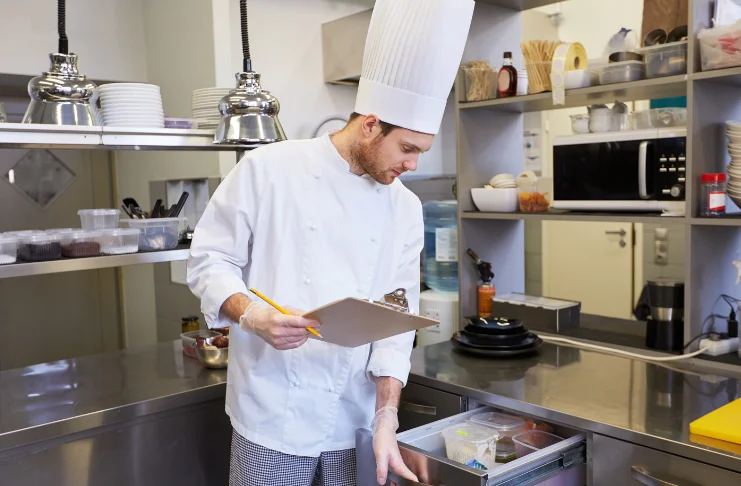
Raw Materials: The building blocks of tasty food dishes as raw materials involve fresh vegetables, pantry items, and meat or seafood.
Work-in-Progress (WIP): These are ingredients that have been given some level of prior preparation, like pre-cut vegetables, precooked sauces, or lightly cooked meats.
Finished Goods: The realization of culinary art, ready to be brought before salivating diners, like appetizers, main courses, or desserts.
Decoupling Inventory: A buffer stock of certain ingredients to accommodate unexpected demand fluctuations, like extra pizza dough or premade sauces.
Safety Stock: An insurance policy against unforeseen shortages or disruptions, like extra flour, canned tomatoes, or a backup supply of cooking oil.
Packaging Supplies: These are relatively self-explanatory but absolutely necessary to maintain the integrity and aesthetics of deliveries and take-out orders; they include cups, lids, straws, food containers, and napkins.
Yet, there’s more to a well-managed restaurant inventory than meets the eye:
Beverages: From refreshing soft drinks to exquisite cocktails, a fully stocked bar complements your culinary offerings, ensuring a complete dining experience.
Cleaning Supplies: Hygiene and sanitation are imperative. These supplies are invaluable to maintaining glistening health and safety standards.
Paper Products: Napkins, paper towels, and any other disposable items are silent warriors in daily operations that ensure cleanliness and convenience.
Understanding the Differences
Let’s take a closer look at the distinction between these types of inventory:
1. Raw Ingredients vs. Pre-portioned Items
The raw ingredients are the base of your products—those that require an additional preparatory process. On the other hand, the pre-portioned items have been somewhat pre-cooked, saving a lot of time and helping ease the pressure that comes with peak kitchen hours.
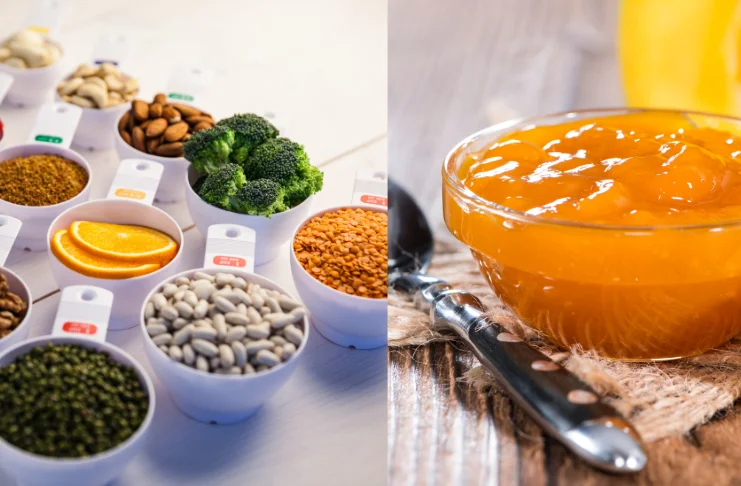
2. Safety Stock vs. Decoupling Inventory
Decoupling inventory buffers unexpected surges in customer demand, like having extra pizza dough for busy nights. Safety stock is like an insurance policy against external disruptions in the supply chain, like keeping extra flour to compensate for a potential flour shortage.
Benefits of Restaurant Inventory Management
Effective inventory management means a world of good for your restaurant. It goes a long way in building up the eatery and making it a haven of food that works efficiently with fun and profitability. Some of the mentioned benefits coming this way are:
1. Less Food Loss
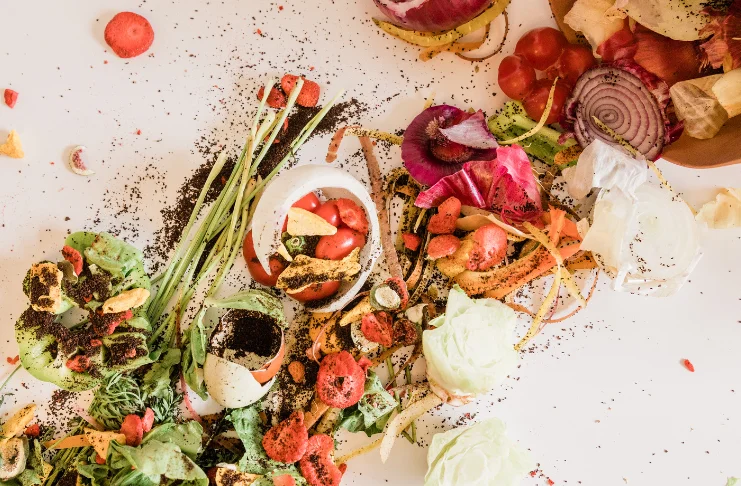
Did you know that up to 10% of all food items that restaurants purchase they actually throw away before they can be sold to consumers? Always accurately know what is on hand and what is about to go bad by tracking inventory frequently. Proactively using ingredients before they spoil will save you money and your environmental impact.
2. Improved Vendor Relations
In restaurants, like in most businesses, strong relations with vendors are the magic ingredient for excelling. Reliable vendors will restock the kitchen with ingredients, keeping the kitchen running smoothly and customers happy.

By understanding your consumption trends and clearly communicating this with your vendors, you can guarantee that you are ordering the right stock in the right amount and at the right time. This not only saves you money but also keeps the vendors happy, guaranteeing you a long-term partnership and even better deals.
3. Lower Cost of Goods
In the competitive world of restaurants, every dollar saved counts. According to the National Restaurant Association, food costs typically account for 28-35% of a restaurant’s total operating costs. Reducing food waste and ordering ingredients strategically can lower your overall food costs. This directly translates to increased profits, allowing you to invest in new menu items, improve your staff’s working conditions, or simply give your customers a better dining experience.
4. Auto-restock inventory
Picture this: It’s one Saturday evening, and you’re experiencing a dinner rush. Suddenly, you discover that you need more ingredients to make your number-one-selling dish. The scramble to find a solution can disrupt your kitchen’s operations and disappoint customers.

Automated inventory restocking will prevent instances like this. Most inventory management software allows you to input automatic reorders at a certain stock threshold. This way, you will always have important ingredients again, and your kitchen can continue to run smoothly and efficiently.
5. More Profits
At the end of the day, every restaurant owner wants to see their business thrive. By reducing food waste, lowering food costs, and improving efficiency, inventory management can directly impact your restaurant’s profitability. In fact, according to a study, businesses that effectively manage their inventory can see an increase in profits of up to 43%. This increased profitability allows you to reinvest in your business, grow your customer base, and ultimately achieve your culinary and financial goals.
6. Happy Customers
A report on the dining trends of 2022 says that 57% of customers, even if unsatisfied with poor service, would return if the food was good. This standard gives a message that with happy customers, you receive more good words for your eatery out there, leading to long-term growth in business. You can consistently serve clients if your stock level is high and you have most of the items needed for the preparation on your menu. This consistency and reliability build the trust and loyalty of the customer and thus support a food service operation.
7. Improvement in Cash Flow
The availability of stocks in a business, by ordering lower quantities and thus reducing waste, optimizes the level of necessary inventory. The freed cash can further be reinvested back into the business to create growth and improve the financial stability of the restaurant.
Essential Restaurant Inventory Management Techniques
1. Stock Monitoring
If your system says that by the end of the day, you are supposed to have 100 tomatoes in inventory, and you have only 95, well., it’s like a pinch less salt in a recipe—not a big deal. Think of your kitchen as a recipe in progress. An inventory tool is like your cooking guide. A slight variation between the expected and actual counts is acceptable, but too much can give your dish a different identity. Keeping this under check ensures that your kitchen creates delicious magic.
2. Management of Central Kitchens
In larger restaurants and chains with multiple outlets, a central kitchen caters to the multiple kitchens by preparing food and then distributing it to their other locations. Inventory management software will help you coordinate ingredient distribution across locations. Whenever a kitchen needs supplies, it sends a request to the central kitchen, and it dispatches. Just like any ingredient transaction, it requires checks—making absolutely sure every item arrives in its own two pieces.

3. Raw Material Management
Running a restaurant kitchen is never easy; it requires intelligent choices, if not just a touch of wisdom at times. Here are some practical tips that will make it easier for you to manage your ingredients effectively in a restaurant kitchen:
Keep it simple: Imagine your ingredients’ stock as the kitchen cabinet. Just like a chef wants the best for him, so should you, and that’s why you prepare your cabinet with distinct advantages only for freshness, the best selection, and efficiency.
Seasonal Delights: Seasons bring along different flavors. Use seasonal ingredients as your kitchen’s secret weapon by applying these special treats to unique dishes that will delight customers.
Friendly Reminders: Receive a reminder to reorder supplies, just like a personal assistant who gives you a heads-up: “Time to reorder!” When an ingredient is running low, keep your kitchen well-stocked.
Managed Usage: Use “First in, First out.” Make sure that the old stock is used before the new one to ensure that everything is put to good use.
4. Shelf Life Management
Vegetables, fruits, and dairy have a low shelf life; these perishable ingredients quickly deteriorate. Effective management ensures that these perishable ingredients are used before they go wrong and that the food items maintain quality. Just as a good chef knows where to source out fresh ingredients, good inventor software keeps track of the shelf life of each ingredient.
It also tracks the age of the ingredients and alerts you when they are near their best-before date so you can prioritize using older ingredients. This ensures that customers get fresh, flavorful dishes. So, you will focus on ensuring every dish that leaves your kitchen showcases your culinary talents.
5. Recipe Management and Costing
It’s not just about whipping up extraordinary dishes, but a way of controlling the costs and consistency spirals. Explore the basics of recipe management.
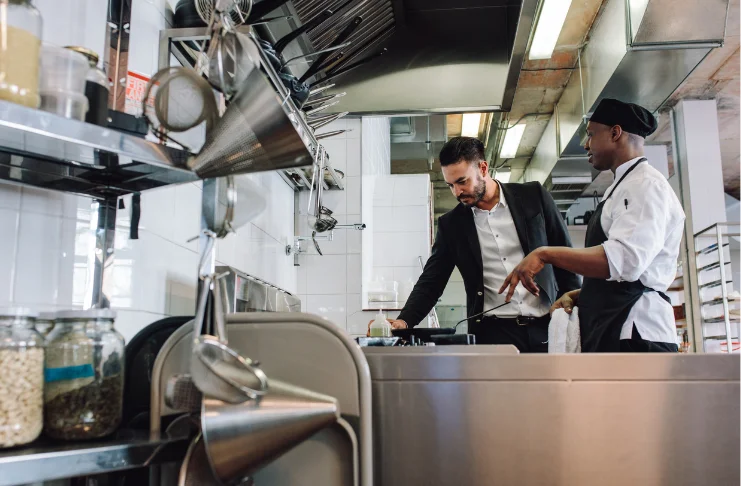
Precise Portions: Consider recipes and your kitchen’s secret code. Each ingredient is precisely measured to give every dish just the proper symphony of flavors.
Tech-enabled Recipes: Imagine entering your recipes into the POS software and letting the tech update you on raw material usage against sales. It’s as if you’d have a digital kitchen assistant looking out for an economical stock process.
Costing: Have you ever wondered what the cost could be behind the preparation? Inventory management software has the answer. Feed in your recipe details, and voila—it calculates the food cost, guiding you to set the perfect menu prices. Ideally, the cost should be 28%–35% of the menu price or selling price.
6. Role Management and Permission
You know the saying, “Too many cooks spoil the broth”? Well, in the case of restaurants, it’s not only about the cooks but also about keeping a check on who handles the ingredients and the cash register. A staggering $6 billion is siphoned off from the restaurant business every year in the United States, and over half of restaurant servers have admitted to committing theft at least once.
Why does it matter? This is not only about preventing theft or mishaps; it is about creating order and accountability. In the kitchen, from the head chef to the prep cook, each person has defined duties, tasks, and obligations. So, in operation, not only is this efficient, but it also builds confidence throughout the team.
7. Analytics
Imagine this: You are planning your menu for the new season. The report helps you understand what the customer loves, focusing on popular dishes. Based on the customers’ preferences, you could possibly introduce new dishes that follow the same trend. This strategy satisfies the customers, hence increasing your revenue.
8. FIFO: First In, First Out
FIFO is one of the most essential tools in inventory management. It ensures that old ingredients are used first before new ones, thus giving the best quality. Here’s a visualization of this concept:
Now imagine your ingredient shelf as a carefully built tower. The first goods you receive create the foundation, and every brand-new item gets stacked on top of it. When it is time to cook, you reach for those ingredients at the bottom first to ensure that nothing lingers and everything remains fresh.
9. ABC Analysis
Not all inventory items have equal standing. ABC Analysis groups items into three categories so that you can focus and improvise accordingly:
A: High-value items that represent the bulk of cost pulling when an inventory is taken—for example, specialized ingredients, deluxe drinks, or expensive machinery.
B: Medium-value, essential items that make little extra difference in overall cost. For example, base ingredients and equipment.
C: Low-value, operationally essential things that have low-cost impacts. That could be just disposable items or basic cleaning supplies.
This analysis provides a reference for ordering strategies, such that the most important items are always kept in just enough quantities.
10. The Sweet Spot: Par Levels
Par levels are the place to be when managing inventory: not too much or too little, but just right. They are the minimum quantity that should be ordered at any given time to keep from stocking too much. Here is one formula that can be used to determine par levels:
Par Level = (Daily Usage rate x Reorder Lead Time) + Safety Stock

Daily Usage: The quantity of material or items used on average per day as obtained from history.
Reorder Lead Time: Number of days between placing an order and receiving it after considering the effect of the time taken by deliveries.
Safety Stock: The amount of extra stock held over regular needs that is designed to cover demand surges or supply shortfalls.
For example, if you go through 20 pounds of flour per day and your lead time to get a reorder in is three days, your par amount would be as follows:
(20 lbs/day x 3 days) + 5 lbs of safety stock = 75 pounds
So, 75 pounds is the right inventory level for a given day, and it should be available for normal kitchen operations. Real-time information from this report ensures that one is well ahead and has all essential ingredients during rush hours. This makes the flow in the kitchen smooth without any hassles, which ensures customer satisfaction.
In addition, the reports help in financial management as they provide profit and loss reports from the sales and consumption data obtained. Such financial insight will help you measure and learn about your restaurant’s performance, know where to put more effort or improve, and finally make good business decisions.
KPIs and Formulae to Help Manage Your Inventory and Restaurant
A restaurant manager will understand the performance of his inventory based on the proper definition and use of key performance indicators and identify areas for improvement along with changes that need to be made to optimize the bottom line.
1. COGS (cost of goods sold):
Imagine that you are a restaurant owner, and every person walking into your restaurant is buying your product, something you will make for them. The topping of fresh vegetables, meat, and fish, the spices that wake up their flavors, and all the other ingredients finally come down to the measurement of COGS, the most critical metric for measuring a restaurant’s profitability.

Formula: COGS = Beginning Inventory + Purchases – Ending Inventory
Example: Suppose your restaurant’s food cost of goods sold for the month was $10,000. This means that for every $100 in revenue you generate, you’re spending $30 on food ingredients. If you wanted to try to hit a COGS of 30%, you’re doing great. However, if your COGS is trending above 30%, you should reconsider your purchasing strategies or portion sizes a little more closely.
2. Food Cost Percentage
Food cost percentage is the actual number by which you find out how much the cost of food affects your restaurant’s profit; it’s the share of your revenue that goes into purchasing food ingredients.
Example: Suppose your restaurant’s monthly net sales totaled $50,000, and your COGS was $15,000. Then, your food cost percentage would be 30%. If you were to aim for a food cost percentage of 30%, then that is what you need to reach. But if the food cost percentage keeps going above 30%, then you may control it by raising your menu prices or changing the way you source and what you buy.
Formula: Food Cost Percentage = (COGS) / (Net Sales) x 100%
3. Liquor Loss Expense
If your restaurant serves alcohol-based drinks, be extremely watchful of this indicator. It measures the total value of lost or stolen liquor, and in relatively up-market establishments, it may be a considerable cost.
Example: Let’s say in your restaurant, at least one bottle of wine, valued at $50, is lost every day. Calculating that monthly, 30 days would bring your liquor loss to $1,500. One could seriously reduce liquor losses by investing in better inventory management systems or even spending time training staff on handling liquor.
Formula: Liquor Loss Cost = (Average Liquor Loss per Day) x (Cost per Unit) x (Number of Days in the Period)
4. Liquor Cost
This is simply the exact COGS for food and liquor purchased for your restaurant. This figure should include all bottles, kegs, and other forms that liquor takes.
Formula: Liquor Cost = Beginning Liquor Inventory + Purchases – Ending Liquor Inventory
Example: Your restaurant’s beginning liquor inventory is $5,000, your monthly purchases are $2,000, and your ending liquor inventory is $3,000. This means your liquor cost for the month is $4,000.
5. Liquor Cost Percentage
As with the food cost percentage, the liquor cost percentage measures the proportion of your revenue from buying liquor. It tells you exactly how much you’re making towards your overall profitability from liquor sales.
Formula: Liquor Cost Percentage = (Liquor Cost) / (Net Sales) x 100%
Example: A bar sells 9,000 dollars worth of liquor in a month, and the cost of liquor is 3,000 dollars. The liquor cost percentage would be 33.3%.
6. Inventory Turnover Ratio
Inventory turnover is a restaurant’s measure of the number of times it turns over its goods. High inventory turnover means that inventory is used up quickly, meaning less spoilage and more profit for your restaurant.
Formula: Cost of Goods Sold (COGS)/Average Inventory Value
Example: Let’s assume that for the month, your restaurant’s COGS amount to $10,000, and during the same month, on average, the value of your inventory is approximately $5,000. Your inventory turnover rate would be 2. This implies that in a month’s span, your inventory gets turned over twice, which is a sound inventory management practice.
7. Prime Cost
Prime cost is a more all-encompassing definition of your restaurant’s costs. This is a total additional dollar cost that goes into creating the food you sell—that is, it doesn’t include any of the other overhead or fixed expenses like rent, utilities, etc.
Formula: Prime Cost = COGS + Labour Cost
Example: Suppose you spent $10,000 on COGS for the month and $12,000 on labor for the month; you would then have a prime cost of $22,000. This translates to the fact that, for every dollar in revenue you generate, you are spending $0.22 to make the food you love your customers to eat.
8. Prime Cost as a Percentage of Sales
It will assist you in assessing how effectively your restaurant is operating by measuring the prime cost as a percentage of sales. It will be the percentage of your sales dollars that will go towards prime costs.
Formula: Prime Cost as a Percentage of Sales = (Prime Cost) / (Net Sales) x 100%
Example: Let’s take your net sales of $40,000 for the month: Your prime cost, figured as a percentage of sales, is 55%. That means, for each dollar in revenue, you are spending approximately $.55 to produce the food.
Selecting the Right Restaurant Inventory Management Software
It’s kind of like choosing the best ingredients for that signature dish when you’re looking for the right inventory management system for your restaurant. Let’s dive into the recipe for success:
Restaurant size
Just like you adjust portions according to the number of diners, consider your restaurant’s size. Running a small eatery visited by 100 customers daily is very different from a large establishment with four bustling restaurants serving 4,000 customers daily.
Check on your POS compatibility.
Check if your current POS system plays nice with the new inventory management addition. You want to ensure all the spices in your kitchen go together. If your POS can’t track stock, it’s probably time for a new and upgraded system with inventory management.
Prioritize the features you need most.
While evaluating inventory management systems, take advantage of every feature under the sun. Focus on those that really matter to your restaurant. Here are a few key features to consider in an inventory management system:
Real-time tracking: no more guessing games! The system should automatically deduct the stock available for every customer order, giving you a precise figure for the remaining stock by the end of the day.
Automatic Purchasing: There is no need to chase down suppliers whenever you run low on something. The system will create supplier purchase orders when inventory levels drop below a set point. This will make sure you have what you need—to make a feast—without overstocking.
Financial assessments and reports: Determine which items bring in the money and which drag you down. A system should also generate detailed financial reports about each inventory item’s performance so that informed menu and purchasing strategy decisions can be made.
User-friendliness: You don’t need a complicated system that slows down your staff. The system has to be user-friendly for all restaurant members, regardless of their level of computer literacy.
Scalability: Your restaurant is taking off, and your inventory management system should, too. Ensure you pick a system capable of expanding its prowess in line with your business’s growth.
Consider cloud-based systems.
Inventory management is generally divided into two main categories: in-house and cloud-based systems. In-house systems must be installed directly within the restaurant facility. Cloud-based systems are available through the Internet. The systems offer more flexibility, as you can access them from almost any device, regardless of its physical location.
Compare Cost
Prices for inventory management systems vary depending on the size of your operation and the features you need. Price each system according to your budget to ensure a suitable ROI.
To Wrap It Up
Imagine having your restaurant kitchen in order, every order perfect, and every penny being able to count. This is what effective inventory management does for you.
With the strategies and tips you’ve learned here, you can take just about any inventory management problem from headache to strategic advantage. It goes something like this: implementing the right restaurant inventory software and optimizing inventory tracking can transform your inventory process into a seamless operation. Leveraging a comprehensive restaurant inventory management system ensures proper food inventory management, turning potential challenges into opportunities for efficiency and growth.
No more last-minute runs to the grocery store just because you’ve run out of key ingredients. No more throwing away perfectly good food because it spoiled or was over-ordered. No more mystery about which of your menu items are profitable and which ones are dragging you down.
Remember, inventory management is not about numbers and spreadsheets alone; it aims to provide for an unbeaten restaurant. It’s about that peace of mind that comes from having the right ingredients and the confidence to have customers return for more.
Frequently Asked Questions
Restaurant stock includes everything a restaurant receives to support its operation. It includes food, beverages, cleaning, and paper goods. Proper management allows the restaurant to support the customers and effectively manage the operational process with minimal waste.
Restaurants commonly adopt the FIFO inventory management system because it eliminates waste and promotes using fresh ingredients. Ordered as needed, an available minimum amount of ingredients is used, or maximum freshness is wasted.
Restaurants can use inventory management software solutions, spreadsheets, and manual listings. However, spreadsheets and manual lists are slowly being replaced by software solutions due to their automation, real-time monitoring, and data-driven insights.
Inventory control in a restaurant should occur as often as possible for perishable products, like fresh produce, every day. For other arrays of products that are non-perishable, weekly or biweekly is acceptable. The counts enable one to know the stock levels and view possible problems.
A restaurant’s inventory includes raw ingredients, pre-portioned items, finished goods or dishes, beverages, cleaning supplies, paper products, and disposable items. Proper management of this supply keeps the diners running smoothly and efficiently.
Making a restaurant inventory list involves grouping items, noting usage, and establishing par levels. Organizing the list of items, their respective quantities, and when to reorder them can be exercised using spreadsheet programs or inventory management software. Of course, updates need to be regular so that they remain accurate.
Restaurants count inventory, mainly using the FIFO method. They establish par levels, track their usage, and reorder accordingly. Inventory management software affords them real-time data, so this process is much more streamlined.
Inventory management software is a tool for controlling the intended level of inventory and automating stock-keeping activities, such as item recording, purchase order generation, and data-driven reports that provide insights and reduce inefficiency and waste.
Inventory management for a restaurant implies controlling and optimizing the stock of ingredients, supplies, and other items needed in operations. It encompasses forecasting, ordering, storing, and efficiently using inventory. Effective inventory management would ensure the continuous turning out of the entity’s offerings with the least wastage but maximum profits gained.
However, the restaurants maintain the inventories through a combination of established processes and technology: regular inventory counts, calculating par levels, and strategic replenishment. Most restaurants have deservedly adopted inventory management software to make these operations seamless and receive real-time data to assist decision-making.
An inventory sheet is a document containing all stocked items, their quantity, and other details. It can be done in spreadsheet software or specialized inventory software. A sheet is useful in updating inventory, often for purposes such as reordering items and taking stock of consumption. Consequently, it reflects an exact record of the supplies.
The inventories of restaurants differ from each other. For instance, the inventory comprises raw ingredients such as fresh produce, meats, seafood, and pre-portioned items like chopped vegetables or pre-mixed sauces. Finished goods refer to food products ready for distribution to the final consumers, such as appetizers and main courses. A well-managed restaurant inventory also includes beverages, cleaning supplies, paper products, and other disposable items.
Restaurant inventory contains so much more than just food products; it includes all of the following:
Raw Ingredients: These are the essential elements of your menu items.
Pre-Portioned Items: Ingredients that have been partially pre-prepared.
Finished Goods: These are the completed dishes, all prepared.
Beverages: From soft drinks to cocktails, the bar is essential to any food service facility.
Cleaning Supplies: Your hardware store has an array of items to keep things clean and sanitary.
Paper Products and Disposable Items: Napkins, paper towels, and other disposables make life easier and increase customer convenience.
Inventory generally means an inventory of eatables and food used to make cooked items. This may be in the form of soft commodities, including fresh produce, meat, and dairy, or in the form of material used for making uncooked dishes, such as cans and dry staples. Food inventory management practices ensure that a restaurant can always serve fresh and quality food.