

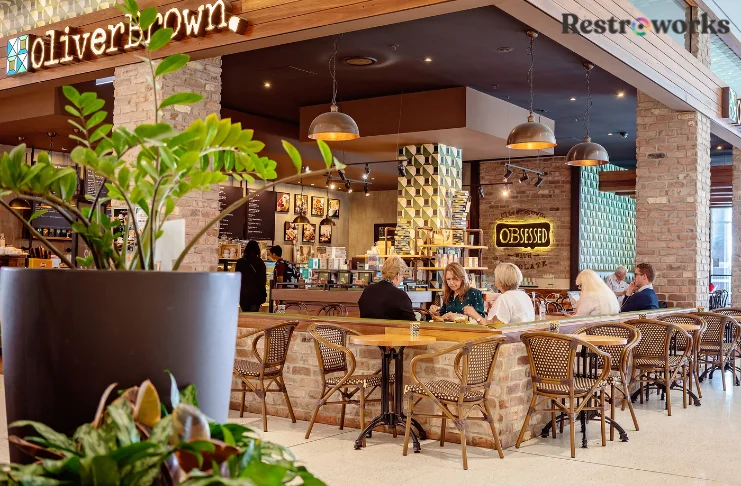
Franchise marketing in restaurants expands a business’s horizons without investing much capital. The number of full-service franchises is forecasted to be 33,605 in 2024. The competition is fierce, and running a successful multi-location franchise is increasingly challenging.
Indeed, traditional marketing strategies for single-location businesses often fail at expanding into a franchise. Imagine a local restaurant expanding to new cities. Without a strategic marketing plan, the restaurant will struggle to capture the original’s essence, leading to losing effort in developing a franchise.
Effective marketing campaigns are essential, and a franchise marketing plan should be meticulously crafted to ensure consistency and success. A successful franchise marketing plan involves identifying the target audience, developing unified marketing initiatives, and providing guidance to franchise owners. Without these elements, a franchise owner may find it challenging to maintain the brand’s identity and appeal in new markets.
Franchise marketing involves the knowledge of brand, market, and location. Marketers must create a centralized strategy to maintain brand values while adapting to local preferences. A robust restaurant marketing plan for franchises integrates these elements, ensuring consistent brand recognition and fostering brand loyalty within each franchise location.
This strategy also considers the unique characteristics of the target market and allocates resources effectively within the marketing budget. Utilizing diverse marketing channels, franchise marketers can strengthen brand identity and establish meaningful connections with local businesses and communities.
Once the identity is established, the other supportive mediums, such as social media, need to consistently maintain that brand identity through their post and messaging to the audience.
This blog is a good starting point for those who want to start a restaurant marketing franchise. Read the upcoming sections to learn more about brand consistency, localized strategies, digital marketing, and customer engagement. Additionally, we’ll address franchise support, public relations, franchisee recruitment, and a cost-effective approach.
Franchise Marketing for Restaurants mandates Brand Consistency
Achieving consistent franchise branding is a strategic imperative. Why does consistency matter? It’s simple: trust and recognition. 81% of customers first recall a brand’s color rather than its name.
Restaurant marketers should develop comprehensive brand guidelines covering logo usage, color schemes, typography, and messaging tone and distribute these guidelines to all franchisees. Standardize visual elements across all locations by providing high-quality, scalable versions of logos and design elements.

Ensure uniform interior and exterior design, including signage and overall aesthetics, to create a cohesive visual identity. Use customizable templates for flyers, brochures, and advertisements. Centralize social media management with approved content calendars and post templates. This approach helps increase brand awareness and engage customers across franchise locations while maintaining consistency in business operations and targeting customers effectively on various social media platforms and social media channels.
Offer ongoing training and support to keep franchisees updated on branding guidelines. Address regional challenges like language differences and misinterpretation of brand messaging to maintain consistency across all locations.
Localization is the key
Localization in restaurant franchise marketing is crucial for achieving the visibility needed to drive traffic. The process of localization has the following aspects.
a. Leverage Social Media Marketing

Social media acts as a catalyst because of its wide reach and engagement. Platforms such as Instagram showcase through photo, video, carousel, and story ads with call-to-action buttons.
Snapchat’s user base can be engaged with discount coupons, food snaps, customer takeovers, and geo-filters. Twitter offers real-time engagement with exclusive deals, unique hashtags, and Twitter Cards. TikTok reaches younger audiences with creative videos and location-based hashtags. Utilizing these platforms enhances online presence, attracts new customers, and maintains engagement with existing ones.
b. Enhance Email Campaigns

Imagine keeping all your customers in the know with a monthly newsletter—it can be your go-to way to share updates on your restaurant. Each edition can spotlight fresh menu additions and exclusive promotions for a limited time. You can even start a contest where the prizes are just as delicious as your meals. Moreover, sending birthday wishes and discounts to your loyal customers can help with customer loyalty.
c. Optimize Online Advertising

Try strategically pinpointing your ideal customers using platforms like Facebook, Instagram, Google Ads, and Yelp. Begin by crafting visually appealing ads complemented by high-quality images that capture attention. Consistency is vital, so ensure your information remains uniform across all platforms. Actively encourage customers to leave positive reviews, as these are invaluable. Continuously monitor and fine-tune your campaigns based on performance data, and engage directly with your audience to foster relationships. Leverage special offers and use remarketing strategies to attract new patrons and retain existing ones.
Synchronize Customer Engagement & Loyalty Programs
A loyalty program increases retention scores and brand awareness. To achieve this, choose a structure (points-based, tiered, or hybrid) and design rewards like free items and exclusive access. Develop a platform for enrollment and tracking and promote it across franchises. Analyze data to personalize rewards and evolve the program based on feedback. Encourage franchise participation with incentives.
Customer feedback is crucial for refining strategies. Gather it through surveys, forms, social media, and review sites. Categorize feedback into food quality, service, and ambiance. Highlight strengths and address weaknesses in marketing messages. Use feedback to drive innovation and monitor continuously. Offer incentives for feedback, respond promptly, and build trust with positive experiences.
Include Personalized Marketing
Personalized marketing utilizes customer data to create ‘optimized & pruned campaigns.‘ This means tailoring offers based on order history, location, or demographics for restaurant franchises. These personalized emails can deliver 6x higher transaction rates.
Franchise Support and Resources
Franchise support and resources are vital for effective restaurant marketing strategies. Leverage marketing expertise from franchisors for guidance on branding, advertising, and campaigns. Tap into domestic campaigns to boost brand awareness and traffic. Utilize shared resources like marketing templates and customer data for consistency. Participate in co-op marketing for financial support.
Build Public Relations and Brand Awareness
The repo-building exercise can be done by utilizing media coverage, crafting press releases, building media relationships, and sharing the franchise story—partnering with relevant influencers for collaborative campaigns and social media amplification.
Restaurants can sponsor community events and local sports teams to mark their presence. This initiative increases brand visibility and fosters community connections. It will also enhance brand credibility, drive customer engagement, and establish a loyal customer base.
Franchise Recruitment Marketing
Franchise Recruitment Marketing is essential for attracting and onboarding new franchisees and driving brand expansion.
a. Attracting New Franchisees
Develop targeted digital and print campaigns emphasizing the brand’s unique selling points and support systems. Create engaging websites showcasing the brand’s story and franchise opportunities. Optimize content to rank higher for keywords like “franchise opportunities” or “restaurant franchise.”
b. Franchise Information Sessions
Host webinars and seminars to educate potential franchisees about the brand and its benefits. Include ample Q&A time to address concerns. Offer personalized consultations to discuss goals and assess suitability.
c. Success Stories
Showcase testimonials and case studies from successful franchisees. Highlight awards and recognition to build credibility.
Performance Metrics and Analytics
Restaurant Franchise marketing efforts need proper monitoring to measure performance. The basic KPIs to consider are impressions, views, conversion ratios, and retention rates. Assign unique tracking codes to each campaign. Correlate campaign data with sales figures. Calculate Customer Acquisition Cost (CAC).
a. Analytics Tools

Use Google Analytics to track your website. Use relevant tools to monitor social media engagement—track email campaign metrics. Employ CRM systems for customer data analysis.
b. Data-Driven Decisions
These decisions simply mean identifying trends and refining strategies through the insights of the collected data. Marketers track key performance indicators, such as sales growth, customer visits, and retention.
Wrap up with Cost-Effective Strategies
The methods mentioned above are incomplete without management of cost. There are certain aspects to take care of –
a. Budget Management

Develop tiered marketing plans to suit different franchisee budgets. Offer basic plans for smaller budgets and comprehensive options for larger ones. Focus on high-ROI tactics like digital marketing, social media, and email marketing. Encourage local partnerships to cross-promote and reach new customers without significant investment.
b. Marketing Efficiencies
Create a central repository of customizable marketing materials and brand assets for franchisees. Utilize marketing automation tools to streamline repetitive tasks, reducing manual labor costs. Track and analyze marketing performance data to improve and allocate resources more effectively.
c. Co-Op Marketing
Establish a co-op marketing fund where franchisees contribute a percentage of sales for national or regional campaigns. Encourage collaborative campaigns and joint promotions to pool resources. Negotiate group discounts for marketing materials and services to reduce individual costs.
Final words: Franchise Marketing Plan
Marketing of franchise restaurants will be a major ROI driver in 2024. Ready to grow, business owners need to be familiar with the foundations of franchise marketing. This page offers basic knowledge while recognizing the special selling points of every franchise. As such, no strategy is universal. AI, VR, and other technical developments have made experimentation quite possible. Accept these advancements to customize plans and propel expansion in the ever-changing restaurant franchise market.