

Recipe management plays a critical role in boosting your restaurant’s revenue—not just by organizing recipes but also by controlling costs and improving consistency. When every dish is prepared with the right ingredients, in the correct portion sizes, and following standardized methods, it reduces errors, food waste, and customer complaints.
Studies show that restaurants using effective recipe management systems can cut food costs by up to 15%. These savings directly improve your profit margins—without raising menu prices.
But here’s the real risk: just one poorly prepared meal can do severe damage. Research shows that a single unhappy customer shares their bad experience with 9 to 15 people. If your kitchen isn’t consistent, that one mistake could lead to a loss in both customers and revenue.
In this blog, we’ll explain recipe management, why it’s critical for profitability, and how it can directly increase revenue at your restaurant.
What Is Recipe Management in a Restaurant?
Recipe management refers to the process of standardizing, organizing, and optimizing your restaurant’s recipes to ensure consistency, cost control, and efficiency. It typically includes:
- Defining precise ingredient quantities for every dish
- Standardizing preparation and plating instructions
- Calculating accurate food costs and profit margins
- Managing supplier and inventory integration
- Training staff based on uniform recipes
Recipe management software often supports this process, digitizing all recipe data and integrating it with inventory and POS systems. Whether done manually or digitally, recipe management is the foundation of kitchen operations and financial control.
Why Recipe Management Matters for Profitability
In the restaurant industry, profit margins are often razor-thin. That’s why even minor improvements in cost control can make a significant difference to overall profitability. Recipe management directly supports this by helping you control food costs, improve kitchen efficiency, and maintain operational efficiency—all of which contribute to stronger financial performance.
1. Recipe Control = Better Margin Management
By accurately documenting and standardizing recipes, you ensure every dish has the right ingredients. This reduces waste, prevents overportioning, and eliminates guesswork, which lowers your cost of goods sold (COGS). When your food costs are under control, your profit margins naturally improve.
For example, if a pasta dish is supposed to cost $3.50 to prepare but inconsistent portioning raises the cost to $4.20, that 70-cent difference can significantly cut into your profits when scaled over hundreds of dishes per week. Recipe management eliminates these discrepancies by enforcing portion discipline.
2. Cost Efficiency Leads to Top-Line Revenue Growth
While recipe management helps reduce expenses, it also supports top-line revenue growth. Here’s how:
- Consistency builds customer loyalty. When customers know they’ll get the same great taste every time, they’re more likely to return—and repeat customers are far more profitable.
- Faster kitchen operations mean higher table turnover. Standardized recipes reduce prep time, helping you serve more customers during peak hours.
- Smarter pricing leads to better margins. Knowing the exact cost of each dish allows you to price your menu strategically, so every item contributes to your revenue goals.
8 Recipe Management Tips to Boost Your Restaurant’s Revenue
Let’s now dive into the eight ways in which recipe management can directly contribute to your restaurant’s revenue growth:

1. Reducing Food Waste and Ingredient Costs
Recipe management ensures precise measurement of ingredients for each dish, reducing the chances of excess usage or wastage. By maintaining consistency in portion sizes, restaurants can cut down on unnecessary costs.
For example, a bakery using recipe management software can ensure that every loaf of bread is made using the exact quantity of flour, yeast, and water specified, minimizing leftover ingredients.
Additionally, recipe management allows restaurants to analyze ingredient usage patterns and negotiate better deals with suppliers for bulk purchases. This reduction in food waste and ingredient costs directly contributes to higher profit margins.
2. Ensures Portion Control for Profit Optimization
Portion control is essential for maintaining food cost percentages and ensuring consistent profits per dish. Without recipe management, different chefs might serve varied portion sizes, eroding margins and confusing customers.
Standardized recipes ensure each dish served contains the exact intended quantity of ingredients. This eliminates “portion creep,” where small overages add up over time.
By maintaining strict portion control through recipe management, restaurants can calculate the cost per dish accurately and price their menu items for maximum profitability.
Example: A fine-dining restaurant noticed that its signature risotto was being served with 25% more seafood than listed in the original recipe. The recipe management system helped correct the portioning, saving thousands annually.
3. Maintains Consistent Food Quality Across Locations or Shifts
Consistency is key in the restaurant industry—customers expect the same taste and consistent quality whether they visit on a Monday afternoon or Saturday night. Recipe management helps maintain this consistency by providing clear, replicable instructions for preparation, cooking time, seasoning, and plating.
This is especially important for restaurant chains or franchises where consistency across locations is critical to brand trust. The exact recipe card can be followed across different kitchens with recipe management, ensuring identical food quality.
Example: A fast-food chain like McDonald’s relies heavily on recipe management to ensure that a burger made in Tokyo tastes identical to one served in New York. This level of consistency builds trust among customers and encourages repeat visits.
4. Simplifies Staff Training and Reduces Errors
Training new staff can be time-consuming and expensive. However, recipe management streamlines the onboarding process by giving staff precise instructions, recipe adjustments, and expectations. When new chefs or kitchen staff follow a well-documented recipe, they’re less likely to make costly errors or variations.
Furthermore, training based on recipe manuals or digital platforms improves accuracy, speeds up the learning curve, and boosts employee confidence.
Example: A cloud kitchen reduced training time for new hires from 10 days to 6 days after implementing a standardized recipe management system.
5. Improves Inventory Management

Inventory control becomes much more efficient with proper recipe management. Because every recipe lists ingredient quantities, restaurants can forecast how much inventory is needed for a given number of orders. This prevents over-ordering (which leads to spoilage) or under-ordering (which can result in stockouts and lost sales).
Many recipe management software solutions integrate directly with inventory systems. This allows automatic inventory deductions based on orders placed and ingredients used, streamlining the reordering process.
Example: A bistro found that it was overstocking premium fish fillets, resulting in 20% waste. By linking recipes with inventory systems, it was able to adjust stock levels in real time.
6. Enables Menu Engineering for Higher Margin Dishes
Menu engineering is the art and science of designing your menu to maximize profitability. Recipe management provides the data needed to categorize dishes based on cost and popularity, helping you identify:
- Stars (high profit, high popularity)
- Plowhorses (low profit, high popularity)
- Puzzles (high profit, low popularity)
- Dogs (low profit, low popularity)
Through management, restaurants can understand each item’s true cost and contribution margin, more effectively promote high-margin dishes, remove underperforming items, and create bundles that drive more profit.
Example: A casual dining restaurant used recipe management data to remove two low-margin items and focus promotion on a burger combo that had a 40% profit margin. Monthly profits increased by 15%.
7. Speeds Up Kitchen Operations and Boosts Table Turnover
A streamlined kitchen is a more profitable kitchen. When chefs don’t have to second-guess measurements or remember prep steps, food preparation becomes faster and more efficient. Recipe management software allows teams to work off consistent recipes, improving coordination and reducing prep time.
Faster kitchen operations lead to quicker service, higher table turnover, and the ability to serve more customers—especially during peak hours.
Example: After introducing digital recipe cards via tablets, one restaurant shaved off an average of 6 minutes per order during the lunch rush, increasing total covers by 20% per day.
8. Enhances Data-Driven Decision Making
In today’s data-driven world, recipe management gives you actionable insights into food cost trends, ingredient usage, and sales performance. This data empowers restaurant owners to make smarter decisions, like:
- Adjusting menu pricing when ingredient costs rise
- Identifying underused inventory for special dishes
- Experimenting with low-cost, high-margin recipes
With access to real-time data through recipe management software, restaurant operators can be more agile and strategic in planning promotions, adjusting menus, and forecasting demand.
Example: A restaurant noticed rising costs in imported truffle oil through recipe data analysis and adjusted the menu price of their truffle pasta accordingly—preserving margin without affecting demand.
What is Recipe Management Software?
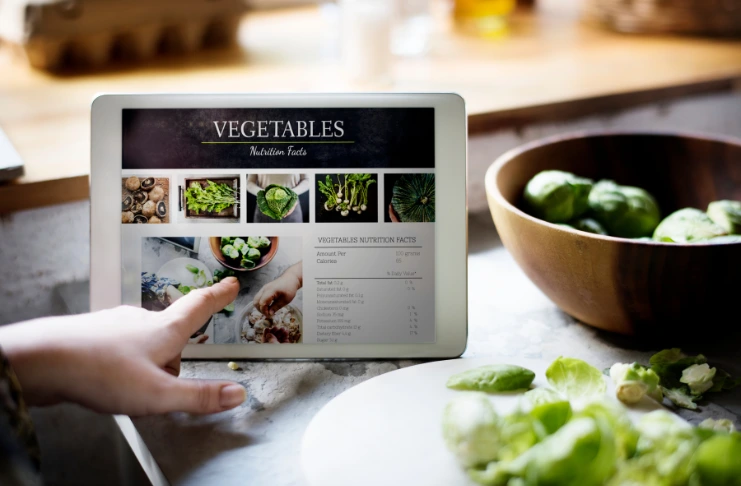
Recipe management software is a digital solution that helps restaurants create, store, and manage standardized recipes. It often integrates with POS, inventory, and accounting systems for a complete view of food costs and operations.
To implement recipe management effectively:
- Document All Recipes: Start by creating accurate, standardized recipes for every item on your menu. This includes listing ingredients, exact quantities, preparation steps, cooking times, and plating instructions. Don’t forget to calculate the cost per portion and the expected selling price. Clear documentation sets the foundation for consistency and profitability.
- Train Staff: Once your recipes are standardized, train your kitchen staff to follow them strictly. Every chef or line cook should understand that these recipes are not just guidelines—they are essential protocols for ensuring quality, portion control, and food cost management. Hands-on training and easy-to-access recipe sheets (or digital displays) can improve compliance and reduce errors.
- Use Technology: Investing in recipe management software can streamline the entire process. Choose a system that integrates with your existing POS system and inventory management tools. These platforms can automatically calculate food costs, track inventory depletion, and update prices based on market changes—saving time and reducing manual errors.
- Audit regularly: Monitor recipe compliance, food waste, and ingredient usage regularly. Conduct spot checks to ensure the kitchen is following standard recipes. This helps identify any issues early and ensures accountability across the team.
- Update as Needed: Ingredient prices fluctuate, and seasonal availability can change. Update your recipes to reflect these changes so your costing and pricing remain accurate. A proactive approach ensures that your menu stays profitable and relevant.
What Features Should a Recipe Management System Include?
When choosing a recipe management system, look for the following features:
- Recipe Standardization: Ability to define ingredients, steps, photos, and videos.
- Cost Calculation: Real-time cost per recipe based on current supplier prices.
- Inventory Integration: Sync with inventory systems for auto deductions.
- Portion Control and Scaling: Adjust recipe quantities for different batch sizes.
- Multi-Location Access: Standardize recipes across different outlets.
- Training Tools: Visual guides or video recipes for staff training.
- Analytics & Reporting: Track food cost, waste, and margin performance.
Conclusion
Recipe management is a powerful tool that can transform restaurants’ operations, leading to higher revenue generation and improved customer satisfaction. By reducing food waste, ensuring portion control, maintaining consistency, and leveraging data-driven insights, restaurants can optimize their operations and achieve long-term success. Whether running a small café or a large chain, investing in recipe management software is a step in the right direction.