

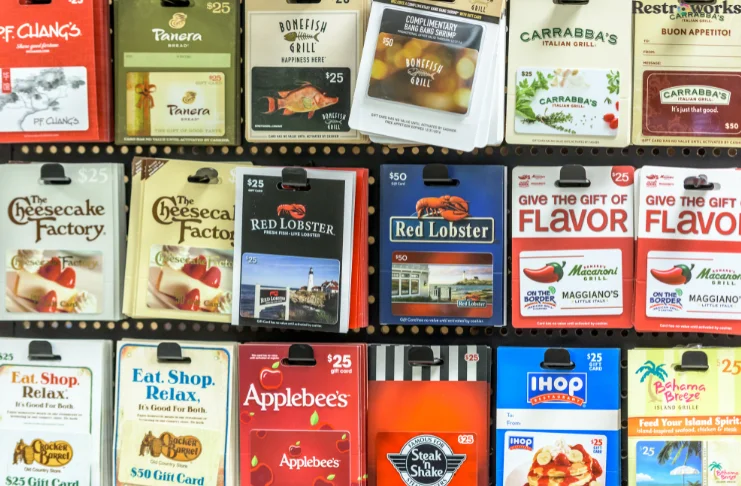
People visit restaurants to taste the food, feel the ambiance, and experience the vibrant settings. This cannot be done without physically visiting the venue. Similarly, when a restaurant marketer sends a restaurant postcard to one of its target audiences, he/she makes the potential customer feel valued. At the same time, the customer also takes the time to read through the restaurant’s menu, offer, and photos of the venue. They also feel that this is the exact value and experience you will give them whenever they visit your restaurant. Restaurant postcards are an effective tool in direct mail marketing, allowing the restaurant business to create a personal touch that resonates with potential customers.
The importance of postcards in restaurant marketing is crystal clear. They have the potential to attract loyal patrons. For this reason, this blog explicitly teaches essential lessons on postcard marketing for restaurants.
Postcard Marketing Campaign Prerequisites and Elements
Understanding the fundamental elements is crucial to launching a successful postcard campaign. Planning a successful postcard marketing campaign involves several key elements. Your postcard’s design and creativity are crucial, as they shape the reader’s initial impression. Utilize appealing visuals—think high-quality images, sharp contrasts, and readable fonts—to capture attention effectively. Maintain brand consistency with your logo and colors to reinforce your identity. To attract customers, restaurant owners should consider collaborating with a professional photographer to ensure top-notch images. Including a coupon code can incentivize recipients to visit. Utilizing the post office for distribution ensures broad reach. Implementing these marketing strategies effectively can enhance your campaign’s impact and provide valuable insights for future campaigns.
The postcard should communicate your restaurant’s unique selling qualities and meet your audience’s demands. Using convincing wording and a compelling call to action, persuade prospective consumers to book, visit your website, or purchase online for delivery.
1. Targeting and distribution
Targeting the right audience and effective distribution are essential for the success of your postcard campaign. Read the points below to learn about effective targeting and distribution strategies.

Audience Segmentation: Segregate your customer base to create personalized marketing that meets each group’s needs.
Age
Location
Interests
Buying habits
Geographical Targeting
You can use the map to focus on specific areas. Geotargeting makes your offers relevant and drives more business to your restaurant.
Mailing Lists: Your mailing list can come from existing customers or feedback forms. Methods include:
Collect addresses at events, in-store, or door-to-door.
Target nearby neighborhoods at discounted postage rates.
Buy or rent an up-to-date list from a reputable provider.
2. Offers and promotions
Creating compelling offers and promotions can retain a significant amount of customers. This specific aspect has significant potential to attract and retain new customers.

Compelling Deals
Your postcard must include a compelling statement, such as “20% off your first visit,” to grab customer attention and entice new visitors.
Event Invitations
Use events to create memorable experiences. Grand openings, holiday parties, or tasting events generate excitement and exclusivity. Consider “buy one, get one free” offers.
Loyalty Programmes
Encourage repeat visits through loyalty programs. Benefits like “earn points with every meal” or “get a free dessert after five visits” reward continued patronage.
3. Printing and quality

High printing quality for your restaurant marketing postcards is essential to make a great impression on potential customers. Here are key points to consider:
High-Resolution Printing
Ask vendors for samples to ensure sharp, clear images and text; 300 DPI is ideal.
Quality Materials
Choose glossy, thick, high-quality paper stock for durable, premium postcards.
Always Remember, Good-quality paper = Durable & attractive postcards.
Eco-Friendly Options
Sustainability is increasingly important. Consider using recycled paper, sustainable inks, and biodegradable materials. Using both sides of the postcard, efficient design can reduce the need for additional printed materials and make your campaign more sustainable.
4. Tracking and Analytics for Postcard Campaigns

After executing your postcard marketing campaign, tracking and analyzing its success is crucial. Here’s how to do it effectively:
Response Tracking
Track responses through unique codes, tracking phone numbers, and QR codes.
Analyzing Results
Analyze advertising performance using Google Analytics, call tracking, and conversion tracking. Direct mail, including postcards, returns 112%, earning $1.12 per dollar spent. Measure your investment and reactions to boost venue traffic.
Step-by-Step Guide to Creating a Postcard Marketing Campaign
With the fundamentals covered, let’s move on to the practical steps. Here’s a step-by-step guide to cover every important aspect:
1. Define Objectives
Define your postcard marketing campaign goals: attract new consumers, promote an event, or encourage return visits.
2. Budgeting
To ensure balance and quality, spend 40% on design, 30% on printing, and 30% on mailing.
3. Timeline
To guarantee a flawless campaign, allow 2-3 weeks for design, 1-2 weeks for printing, and 1 week for shipping.
4. Printing and production
To ensure the quality and effectiveness of your postcards, follow these essential steps:
Choosing a printer: Select a printer with positive reviews and a robust portfolio. Ensure it provides clear communication, sample prints, and reliable turnaround times.
Proofreading and Approval: Verify all aspects with a checklist – spelling, contact information, design alignment – and print a few test copies for added accuracy.
5. Distribution and mailing
Finally, effective distribution and mailing strategies are key to reaching your target audience.
Mailing list preparation: Compile and categorize your list based on demographics, activity, and region to reach your target audience.
Every Door Direct Mail (EDDM): EDDM can be used to cover entire neighborhoods without specific addresses, which is ideal for new locations.
Targeted direct mail: To maximize ROI, target specific segments. For example, send fine dining offers to affluent neighborhoods.
New Mover direct mail: To build loyalty, welcome new residents with special offers, such as discount coupons.
Automated Direct Mail (API): Streamline your process by automating direct mail for new loyalty program members.
6. Success Stories
To understand the real impact, let’s look at some success stories and key takeaways:
- K&W Cafeteria: Their postcard marketing campaign generated $20,182 in revenue with an investment of $2,522.
- Piccadilly Restaurant: This restaurant saw a significant return, generating $27,756 in revenue from its postcard marketing efforts.
From these examples, key takeaways include: targeted segments maximize impact, integrating postcard marketing with digital strategies enhances results, compelling incentives are crucial, and unique codes and tracking metrics ensure success. Consistent mailing and clear designs attract and retain customers.
7. Common Mistakes to Avoid
Avoiding common pitfalls is crucial for a successful campaign. Here are some key areas to watch out for:
Design Pitfalls: Keep designs simple, use high-resolution images, and maintain consistent branding
Targeting Errors: Accurate targeting is crucial – define your audience, segment data, and update mailing lists.
Lack of Follow-Up: Follow up on results and feedback – analyze to improve campaigns, convert leads, and retain customers.
Conclusion
You now know the basics of postcard marketing for businesses, from having clear goals and eye-catching designs to sending the postcards to the right people and following up regularly. For a restaurant owner, this can be a cost-effective way to promote restaurant offers. By understanding the whole process and learning how to track results, you can refine your approach and maximize the impact of your postcard campaigns.
Starting your postcard marketing campaign is an intelligent choice. This guide provides everything you need to begin.
Frequently Asked Questions
Deliver a tangible message with a unique design and irresistible offer that motivates customers to act.
Absolutely! Postcards cut through digital noise and leave a lasting impression, making them a powerful tool for any business.
Postcard advertising is surprisingly budget-friendly, with costs varying depending on size, quantity, and design.
A captivating message, eye-catching visuals, and a clear call to action drive engagement.
Yes! Postcards are a versatile marketing tool that can target specific audiences, boost brand awareness, and drive traffic.
Use bold colors, compelling images, and a limited-time offer to capture attention and encourage action.