

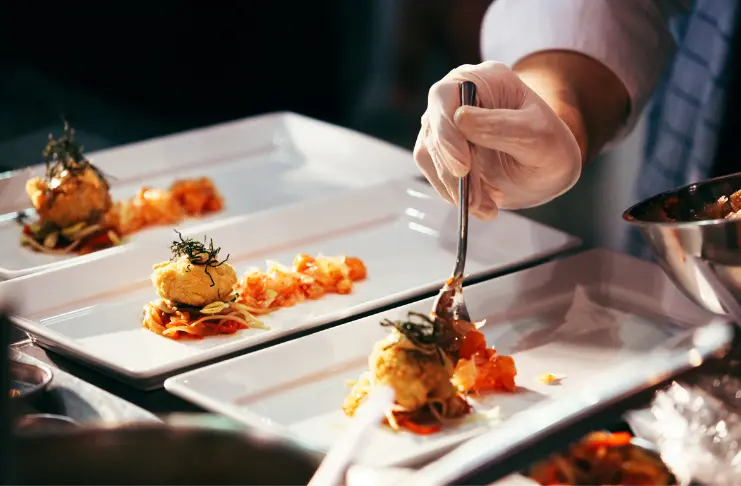
Rising food costs are putting pressure on food-makers and restaurants. Whether you’re running a busy café, a fast-paced delivery kitchen, or a full-service restaurant, the soaring prices of ingredients can quickly eat into your profits. With inflation and supply chain hiccups showing no signs of slowing down, controlling costs has become a top priority for every food business.
One of the simplest—but most powerful—ways to protect your bottom line? Portion control. It’s more than just measuring how much food—it’s about delivering consistency, reducing waste, and keeping your customers happy with every bite.
In this blog, we’ll dive into why portion control is crucial in today’s food service industry. You’ll learn how it can help you maintain profitability, improve kitchen efficiency, and even boost customer satisfaction. We’ll also share smart portion control strategies you can use right away—no matter the size or type of your restaurant. If you want to cut costs without cutting corners, portion control might be your secret weapon.
What Is Portion Control In Restaurants
Portion Control is the procedure that defines the quantity of calories to be utilized in preparing and serving a dish. Standard portions also mean consistency in the taste, quality, and quantity of food, eventually resulting in customer satisfaction. Controlling portions becomes crucial for any restaurant’s success as it considerably impacts food costs.
The tight margins in restaurants and high competition have led to a dire need to control food costs. Portion control in restaurants is one way to keep food costs in check and maintain the overall health of your restaurant.
Why Portion Control Is Important For Your Restaurant
Portion Control is the procedure followed that defines the quantity to be utilized in preparing a dish and then serving it. Standard portions also mean consistency in the taste, quality, and quantity of food, which eventually results in customer satisfaction more food often. Controlling portions becomes crucial for the success of any restaurant as it has a considerable impact on Food Costs:
1. Reduces Food Waste

Oversized portions often result in uneaten food left on the plate. Not only does this waste valuable ingredients, but it also increases disposal costs and contributes to environmental issues like excess landfill waste and greenhouse gas emissions. Globally, over 1.05 billion pounds of food waste is generated annually, much of it from oversized servings. By implementing proper healthy portion- control strategies, you can significantly reduce food waste, save money, and promote eco-friendly practices that today’s diners appreciate.
2. Maintains Consistency in Quality
Serving uniform portions ensures that every customer receives the same quality and quantity of food, no matter who works in the kitchen. This builds customer trust and creates a reliable dining experience that encourages repeat business. Inconsistent portions can confuse or disappoint guests, leading to negative reviews and a potential loss of customer loyalty. Standardized portion sizes enhance your brand’s reputation and keep quality consistent across all dishes.
3. Improves Profit Margins
Portion control directly impacts your restaurant’s food cost percentage. For example, if you reduce a meat portion by just 1 ounce across 100 dishes a week, at $0.75 per ounce, you save $75 weekly — or nearly $4,000 annually. That’s just one ingredient. Multiply this across your entire menu, and the savings can be substantial. By managing food portions effectively, you protect your bottom line without sacrificing the customer experience.
How To Effectively Control Portion Sizes
Mastering portion control in your restaurant doesn’t happen by chance—it requires a strategic approach involving standardization, staff training, the right tools, and innovative technology. Here’s how to take control of your portion sizes and lower food costs without compromising the customer experience.
1. Standardize Your Recipes
Standardizing your recipes is one of the most essential steps in implementing effective portion control in your restaurant. It sets the foundation for consistency, quality, and cost control across your entire operation.
Each recipe should include clearly defined ingredients, precise measurements, cooking instructions, portion sizes, and plating guidelines. Recipe cards should be stored in your kitchen manuals and placed in high-visibility prep food serving areas to ensure quick access. Consider including visual aids or plating photos to help staff accurately replicate the look and size of each menu item. This ensures that no matter who works in the kitchen—whether a seasoned chef or a new hire—every plate leaving the kitchen meets your restaurant’s standards.
In addition to improving portion control, recipe standardization helps you forecast inventory, manage food costs, and streamline training for new employees. It also supports your restaurant’s ability to deliver a consistent product, which is key to building customer loyalty.
Industry Insight
An insightful article in QSR Magazine outlines ten effective strategies for controlling food costs. One standout tactic is recipe costing, which involves calculating the exact cost of each menu item down to portion sizes and individual ingredients:
2. Train Your Staff

Your kitchen and service staff play a crucial role in portion control. Whether it’s back-of-house or front-of-house, your team needs to understand the importance of consistent portioning and how it directly impacts food cost, quality, and customer satisfaction.
On the front end, your servers are equally important in portion control. Educate your waitstaff about the appropriate portion sizes of menu items so they can confidently communicate serving sizes to guests and set clear expectations. Ongoing training should be part of your restaurant’s operational culture. Make portion control a part of onboarding for new hires and integrate it into team meetings or performance reviews. When your entire staff is aligned on the importance of portioning, you create a more efficient kitchen, a consistent dining experience, and a healthier bottom line.
3. Use the Right Tools and Equipment
Equipping your kitchen with portioning tools like scoops, ladles, measuring cups, portion scales, and digital timers makes it easy to serve consistent portions. Using the right tools and equipment is essential for maintaining consistent portion sizes in your restaurant kitchen. Precision is key in portion control, and relying on estimates or visual judgment often leads to over-serving, food waste, and increased food costs. Equipping your staff with standardized portioning tools ensures consistency, improves kitchen efficiency, and protects your profit margins.
Common portion control tools include scoops, ladles, portion scales, measuring cups, and digital timers. Each tool serves a specific purpose. To maintain accuracy, regularly inspect and replace worn-out tools. Provide training on how and when to use each tool and reinforce the importance of measured serving sizes during kitchen prep and service.
4. Implement POS and Inventory Management Systems

A robust POS integrated with an inventory management system allows you to monitor ingredient usage in real-time. The system automatically deducts the corresponding ingredients from your inventory when a dish is ordered and prepared. This real-time tracking helps you identify discrepancies between expected and actual usage, often caused by over-portioning, spillage, or staff errors.
By analyzing detailed sales and usage reports, restaurant owners can easily detect trends and areas of concern. For example, if a menu item consistently uses more ingredients than expected, it may indicate the need for staff retraining or recipe adjustments. These systems also provide alerts when inventory levels fall below a threshold, helping you reorder efficiently and avoid last-minute shortages.
Moreover, integrating POS and inventory management tools supports recipe standardization. Each menu item can be linked to a precise recipe and portion size, ensuring consistency across shifts and locations. This reduces food waste and enhances the dining experience by delivering consistent quality and healthier choices to your guests.
5. Smart Menu Engineering For Portion Control
Menu engineering isn’t just about pricing—it’s a strategic approach to influencing customer food choices, controlling food costs, and improving profitability. When done with portion control in mind, it becomes a powerful tool for maintaining a balance between value and profit in your restaurant.
Offering flexible portion sizes—such as small, regular, and large—gives customers the freedom to choose based on appetite, dietary needs, or budget. Smaller portions can also serve as add-ons or side dishes, increasing the average ticket size when guests build their own meals. While large portions might seem like a selling point, today’s diners are increasingly focused on value and experience over quantity. Use descriptive language to highlight more about the size and quality of ingredients, chef’s preparation techniques, or locally sourced produce rather than portion size. Your pricing strategy should reflect value—focus on perceived quality, unique flavor combinations, and presentation.

Conclusion
Portion control is one of the most powerful yet often overlooked strategies for reducing food costs, improving consistency, and promoting sustainability in your restaurant. Controlling portion sizes helps protect your profit margins by lowering ingredient overuse and ensuring predictable food costs. It also supports consistency in presentation and taste, creating a reliable experience that keeps customers returning.
The key to successful portion control lies in consistency and staff engagement. When your team understands the “why” behind portion control and is equipped with the right tools and training, it becomes a long-term habit—not just a cost-saving tactic.