

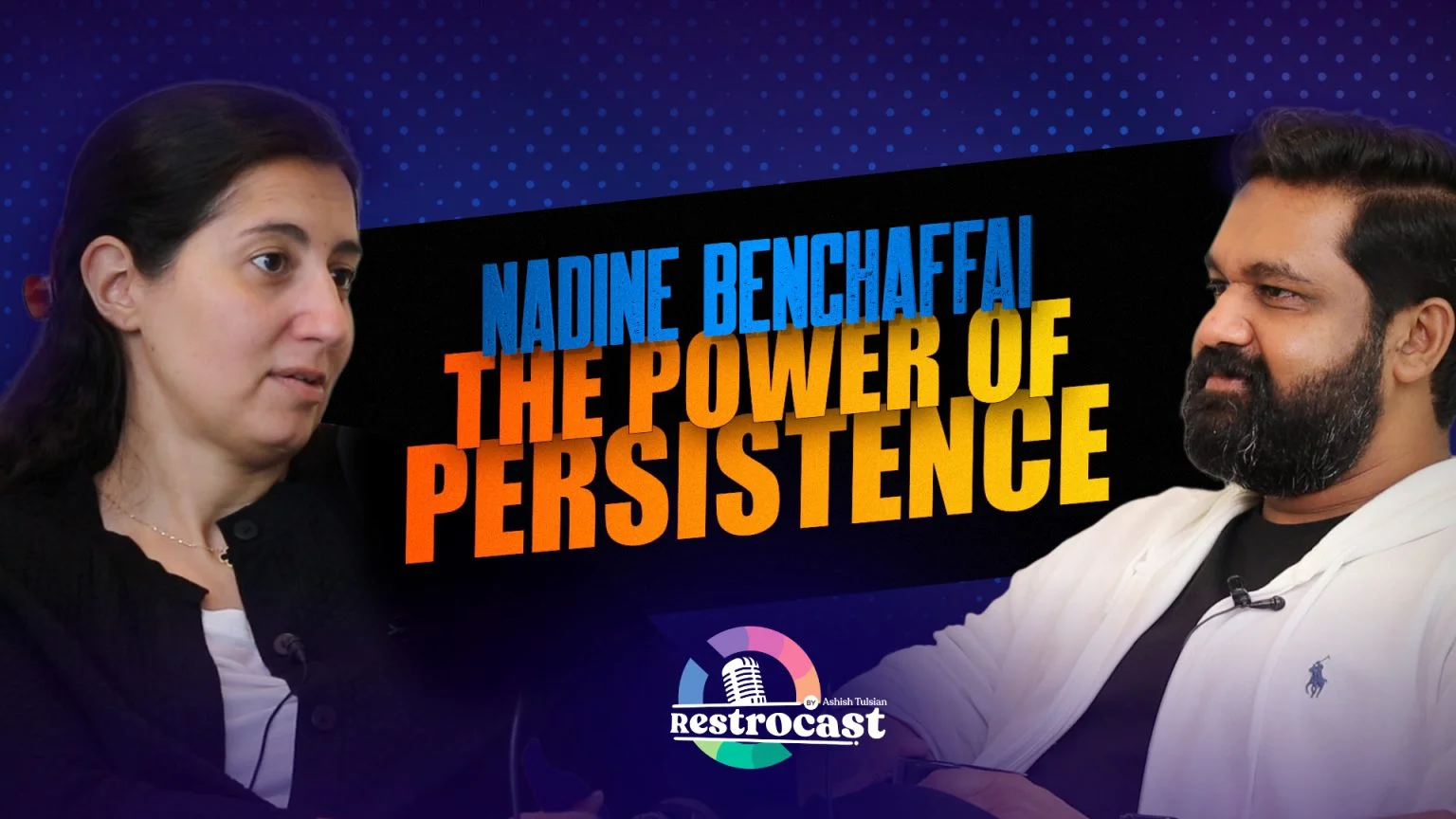
Nadine Benchaffai is a name synonymous with resilience, innovation, and a deep passion for food. From her early days in the fast-moving consumer goods (FMCG) sector to co-founding Tortilla Mexican Grills in the UK, and later establishing Taqado Mexican Kitchen in the UAE, Nadine’s journey is a testament to her entrepreneurial spirit and adaptability. In this interview, Nadine shares insights from her career, the challenges she faced, and the lessons she learned along the way.
You’ve had a remarkable journey, from working in FMCG to co-founding Tortilla Mexican Grills in the UK and then founding Taqado Mexican Kitchen in the UAE. What were your formative years like, and how did you find yourself in the food and beverage industry?
Nadine Benchaffai: My journey into the food industry wasn’t entirely planned, but I’ve always had an interest in food. I started my career in FMCG with Kraft, now Mondelēz, managing different brands across the Middle East. Afterward, I moved to Nestlé in Europe, but the experience there was less fulfilling due to the corporate politics. These early years taught me a lot about brand management and the importance of being adaptable, which would later influence my decision to pursue an MBA and eventually enter the entrepreneurial world.
You mentioned that you didn’t want to be branded as a Middle East marketeer. What challenges did you face in that regard?
Nadine Benchaffai: Working in the Middle East, especially in marketing, was often seen as less prestigious compared to the UK. This was despite the fact that in the Middle East, we had much more hands-on experience, managing full P&Ls, creating TV and print campaigns, and dealing with distributors directly. The perception was that marketing here wasn’t taken as seriously, which I found frustrating because the scope and impact of our work were significant.
After your MBA, you co-founded Tortilla Mexican Grills in the UK, which has now grown to over 60 stores. How did that venture come about?
Nadine Benchaffai: The idea for Tortilla came from a conversation with my MBA classmates who missed good Mexican food in London. We noticed a gap in the market and decided to follow the Chipotle model. I initially joined to help with marketing and branding, but soon became more involved as an executive director, especially in fundraising and securing real estate. It was a challenging time, but we managed to open our first store in Islington, and from there, Tortilla took off. It was a combination of hard work, smart networking, and a bit of luck.
What were some of the key challenges you faced during the early years of Tortilla?
Nadine Benchaffai: Fundraising and real estate were our biggest challenges. Securing the right locations in London was difficult because landlords preferred established tenants over new concepts like ours. We also faced stiff competition, but we stayed focused on our operations and brand, which ultimately paid off. Another challenge was convincing investors about the potential of Mexican food in a market dominated by more familiar options like sandwiches and burgers.
After moving to the UAE, you founded Taqado Mexican Kitchen. What was the inspiration behind starting this brand?
Nadine Benchaffai: Moving to the UAE was partly driven by a desire for a change after the rise in Islamophobia in the UK post-9/11 and the 7/7 bombings. Initially, I considered bringing Tortilla to the UAE, but due to the timing of the 2008 financial crisis and other factors, we decided to start fresh with Taqado. The idea was similar to Tortilla but adapted for the local market. We launched Taqado in 2012 and grew it to 18 stores across the UAE, focusing on delivering fresh, customizable Mexican food.
Growing a niche concept like Taqado must have been challenging in a market dominated by more popular cuisines. How did you approach brand awareness and customer education?
Nadine Benchaffai: It was definitely a challenge. Mexican food wasn’t a top choice for many in the region, so we had to educate the market. We were the first to introduce a fully customizable meal experience in the UAE, which was a key selling point. We focused on being accessible and adaptable to different tastes, which helped us gain a loyal customer base. However, it was a constant battle to build brand awareness in such a competitive market.
You eventually sold Taqado to Kitopi in 2021. What led to that decision, and how did you feel about exiting the brand you built?
Nadine Benchaffai: The decision to sell Taqado was influenced by a combination of personal and business factors. My father’s sudden illness and passing in 2021 played a significant role. Additionally, the impact of COVID-19 on the business was severe, and we were facing financial pressures. Kitopi offered a partnership that allowed us to continue growing the brand while relieving some of the operational burdens. It was a bittersweet moment, but I felt it was the right decision for both the brand and myself at that point in my life.
Looking back, how do you feel about your journey as an entrepreneur? What lessons have you learned?
Nadine Benchaffai: It’s been a fulfilling journey, full of ups and downs. I’ve learned the importance of staying calm under pressure, being adaptable, and knowing when to pivot. One of the most valuable lessons is that you don’t need to have all the answers. It’s okay to try things, fail, and learn from those experiences. I’m proud of what we achieved with both Tortilla and Taqado, and I’m excited about the future, even though it’s taking me in new directions, particularly in agri-tech and food tech.
You mentioned that you’re now involved in agri-tech and food tech. What does that entail, and how does it differ from your previous ventures?
Nadine Benchaffai: Yes, I’m now working as a venture builder in the agri-tech and food tech sectors. It’s a different challenge, but still very much about solving problems. My focus is on helping startups in these areas scale and find the right market fit. It’s exciting because it’s at the intersection of food, technology, and sustainability, which are all areas I’m passionate about. The work is less about day-to-day operations and more about strategy and growth, which suits where I am in my career now.
Nadine Benchaffai’s journey is a compelling narrative of resilience, adaptability, and entrepreneurial spirit. From navigating the complexities of FMCG and launching successful food ventures to transitioning into the agri-tech and food tech sectors, Nadine exemplifies how embracing change and learning from challenges can lead to continued growth and success. Her story serves as an inspiration for aspiring entrepreneurs, reminding us that it’s not just about the destination but the journey and the lessons learned along the way.