

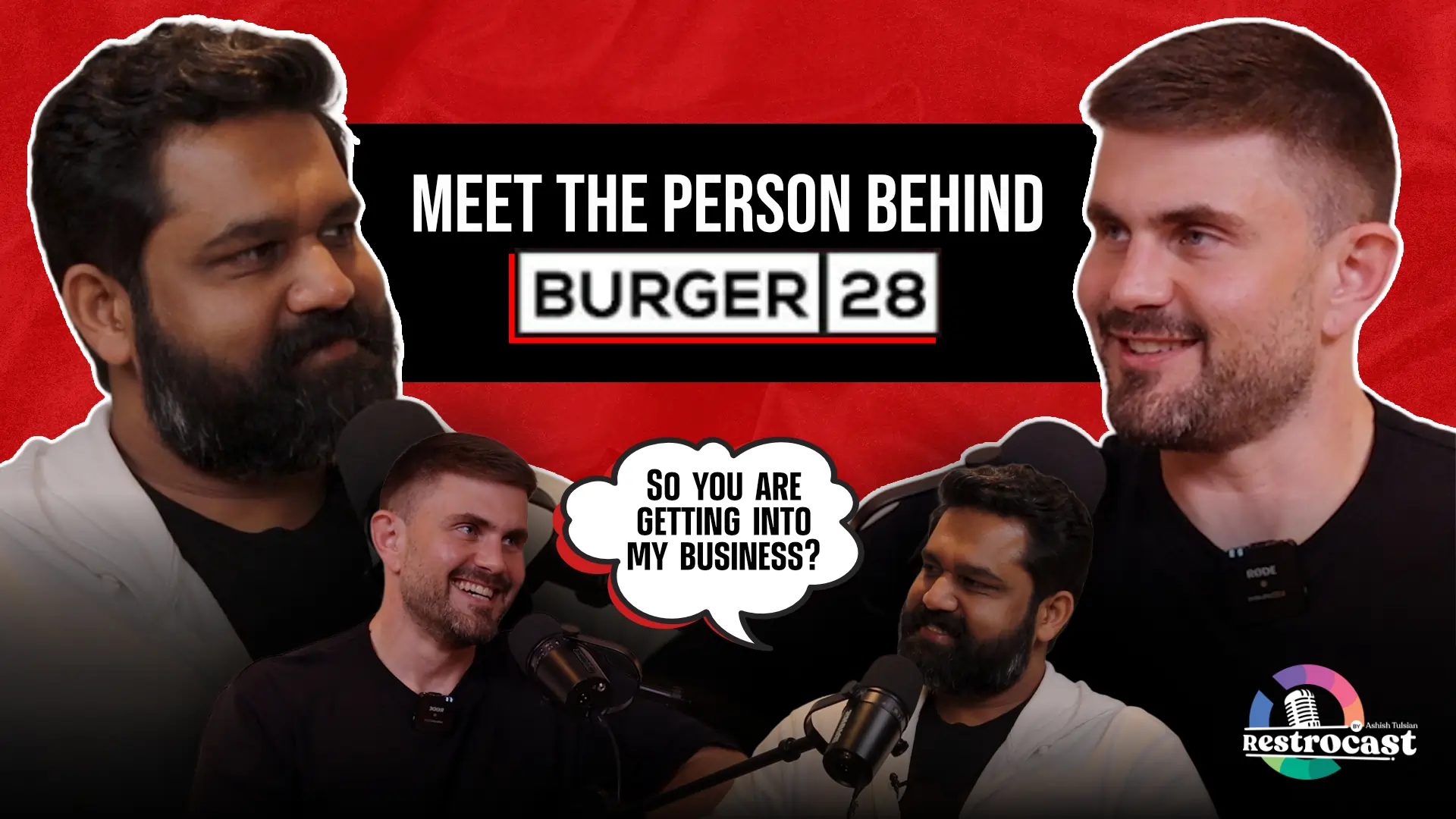
In the dynamic world of entrepreneurship, stories of success and perseverance often take center stage. Alexander Debare, founder and chief growth officer of Burger28, shares his remarkable journey and insights on building a thriving business in the restaurant industry. Armed with a law degree and an MBA, Debare’s entrepreneurial spirit led him to the creation of Burger 28, a unique burger and hot dog chain inspired by the nostalgia of ’90s UAE. In this exclusive podcast interview, we delve into the inception of Burger 28, the role of social media in its success, and Debare’s personal approach to business and self-improvement.
Could you share a bit about your journey and how you ventured into the business of burgers?
Alexander Debare: Growing up, I initially aspired to become a pilot, inspired by the idea of flying private jets. However, my interest shifted to law, envisioning financial success. After an eye-opening internship in Paris, I realized law wasn’t my path. I then explored various business opportunities in West Africa before eventually returning to the UAE. The idea for Burger 28 emerged when I witnessed the success of a burger joint in Sharjah. In 2016, we launched Burger 28, aiming to create a burger experience tailored for those who grew up in the UAE during the ’90s.
Tell us about the inception of Burger 28. How did the concept and brand name come about?
Alexander Debare: The concept was inspired by the nostalgia of the ’90s in the UAE. We incorporated elements like Chips Oman and nostalgic drinks to create a unique burger joint experience. The name “Burger 28” signifies our origin – we started on 28th Street. The logo, a street sign, reflects an urban and contemporary vibe. Collaborating with a branding agency, we curated a menu that resonated with the UAE’s cultural background.
Considering you’re not a chef, how did you develop the menu and concept for Burger 28?
Alexander Debare: While I may not be a chef, I collaborated with experts, including my brother’s best friend from Skinny Genie, a food production company. Together, we crafted the menu and developed unique sauces and burgers. My approach involves leveraging online resources, particularly YouTube, for continuous inspiration and learning.
Your Instagram account and marketing strategies seem quite impactful. How did you approach social media, especially in the early days?
Alexander Debare: Early on, we experimented with Facebook ads, capitalizing on the affordable conversion rates. We invested heavily, drawing people from Dubai to Abu Dhabi. Our signature dish, the cheese volcano, gained popularity through social media, especially Instagram. Social media played a pivotal role in building a brand without the need for traditional advertising methods.
As your brand evolved, how did your social media strategy change? And what role does it play today in the success of Burger 28?
Alexander Debare: Initially, I was the face of Burger 28, but now I aim to showcase my staff and create a more diverse representation. Humanizing the brand is crucial for building emotional connections. Personally, I’ve been consistent in creating content, posting a video every day for the past year. On the company page, we focus on engaging content, always aiming to connect with our audience.
It’s impressive to see your commitment to daily content creation. Have you noticed any downsides to this level of exposure on social media, both personally and for the business?
Alexander Debare: Honestly, I don’t see any downsides. Creating content allows me to connect with a wide audience, build a community, and showcase our brand for free. It’s a powerful tool for businesses and individuals alike.
Navigating the balance between personal authenticity and the expectations of a growing community can be challenging. How do you manage to stay true to yourself while also meeting the evolving demands of your audience?
Alexander Debare: Well, Ashish, I haven’t faced that dilemma yet, and I plan on avoiding it. My past experiences, especially dealing with challenges during my younger years, have instilled a sense of resilience. I credit my mom for instilling courage in me. I believe in creating content because I genuinely enjoy it, not just to please others. There’s a significant difference between those who create content out of love and those who do it just to please others. I’m committed to staying on the side of genuine enjoyment.
Running a restaurant business is known for its challenges, from disgruntled customers to the pressure of consistently delivering quality. Can you share any anecdotes or experiences that highlight the responsibilities and challenges you face in the restaurant business?
Alexander Debare: Immediate feedback is part of the game. I have a fantastic team that I consider family, and we follow a simple rule: never say no to a customer. Apologizing and addressing issues head-on is crucial. I’ve encountered various situations, like dealing with a customer who repeatedly claimed our chicken burger was undercooked. In such instances, maintaining composure and resolving issues promptly is key.
As a business owner, self-improvement is vital. How do you nurture and better yourself, both personally and professionally? Are there specific books, podcasts, or practices that have had a significant impact on your growth?
Alexander Debare: I’m an avid reader and podcast listener. Currently, I’m engrossed in “The Rational Optimist,” delving into the history of human trade. I believe in the power of microeconomics, and Naval Ravikant’s “The Almanac” is a go-to for me. Podcasts like “The Founders Podcast” and “Invest Like the Best” offer valuable insights. My approach involves a combination of reading, listening, and staying updated on current affairs.
Many aspire to be their own bosses and start their businesses. What advice do you have for those contemplating entrepreneurship, particularly on dealing with failure and rejection?
Alexander Debare: Starting a business is a common aspiration, but few take the plunge. Dealing with failure and rejection is inevitable. I’ve faced numerous challenges, especially in moments of uncertainty about payroll and finances. It’s crucial to understand how to navigate these dark times. Starting early and avoiding excessive lifestyle commitments can provide flexibility during tough periods. It’s about resilience and learning from setbacks.
Looking ahead, what are your aspirations and goals, not just for Burger 28, but for your broader vision? How do you see the fusion of media and technology shaping your future endeavors?
Alexander Debare: My ultimate goal is to build a business with a monthly revenue of 1 million dollars, involving minimal personnel and following a bootstrap approach. I believe the future lies in the amalgamation of media and code. Currently, I’m focusing on the media aspect, creating a community with genuine engagement. The next step involves incorporating a tech component, possibly a SaaS platform, to bring value to users seamlessly.
You’ve touched upon the pitfalls of chasing billion-dollar valuations and the importance of sustainable growth. How has your experience with the bootstrapped model influenced your perspective on growth and financial sustainability?
Alexander Debare: The bootstrapped model forces you to scrutinize every aspect of your business. It compels you to evaluate the necessity of each expense, hiring decision, and overall business model. Avoiding external funding has allowed me to maintain a keen focus on sustainability and long-term success rather than succumbing to the pressure of rapid but potentially unsustainable growth.
Alexander Debare’s journey from aspiring pilot to law student and, eventually, the founder of Burger 28, exemplifies the unpredictable yet rewarding path of entrepreneurship. His insights into the intricacies of building a successful business, the power of social media, and the significance of authenticity offer valuable lessons for aspiring entrepreneurs. As Debare continues to navigate the challenges and successes of the restaurant industry, his commitment to sustainable growth and the fusion of media and technology sets the stage for a compelling entrepreneurial future.