

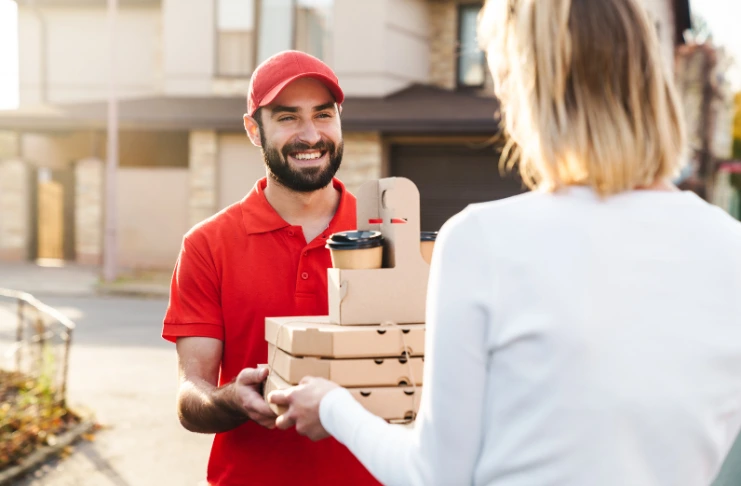
Learning how to start a delivery service also empowers you to optimize logistics, streamline operations, and improve customer satisfaction. From selecting the right business model to integrating technology and managing delivery staff, having this knowledge can significantly boost your profitability and growth potential.
How To Start A Food Delivery Business
1. Conduct Market Research And Identify Your Niche
Before launching your own food delivery business, conducting thorough market research is a crucial first step. It helps you understand industry trends, identify customer preferences, and discover untapped opportunities within your target location. With the food delivery industry booming across the United States, carving out a niche is key to standing out in this competitive landscape.
Start by analyzing consumer behavior and demographics in your desired service area. Each segment has different needs, so understanding what they value most—speed, affordability, dietary preferences, or gourmet options—can help you design a more targeted offering.
Look at your local competitors, including national food delivery apps like DoorDash, Grubhub, and Uber Eats and any local delivery startups. Study their business models, pricing, delivery zones, menu options, and customer reviews.
Use tools like Google Trends, Yelp, Facebook Groups, and online food forums to explore trending food categories and consumer conversations in your area. Consider surveys or focus groups to gather direct input from potential customers. Are people looking for vegan food delivery, gluten-free meal plans, meal prep kits, or grocery delivery services?
Choosing a niche—healthy meal delivery, ethnic cuisine, farm-to-table groceries, or late-night delivery—will help you build a strong brand identity and connect with a specific audience. A well-defined niche attracts loyal customers and enhances online visibility through SEO-friendly content and marketing strategies.
2. Choose A Business Model

Choosing the right food delivery business model is essential to shaping your operations, costs, and long-term scalability. Each model offers benefits depending on your goals, investment capacity, and target audience.
2.1 Aggregator Model
This model connects users with multiple restaurants through a centralized platform, like DoorDash, Uber Eats, or Grubhub. You manage the ordering system as a middleman while restaurants handle food preparation. Delivery can be managed by your team or outsourced to third-party logistics providers. Launching this model is cost-effective but requires strong tech infrastructure and high customer acquisition efforts.
2.2 Full-Stack Model
In this approach, you control the entire process—from food preparation to delivery—by running your kitchen. Commonly seen in ghost kitchen or cloud kitchen setups, this model gives you complete control over quality, menu design, and customer experience. It also allows for better profit margins but requires more initial investment in kitchen space, staff, and equipment.
2.3 Marketplace For Local Vendors
This multi-vendor platform combines independent food businesses—like home chefs, bakers, or small grocery providers—under one digital marketplace. You manage the tech, payments, and customer service, while vendors handle their orders and production. It’s scalable, community-focused, and ideal for entrepreneurs targeting niche markets or hyperlocal delivery zones.
3. Legal Requirements And Business Setup

Before launching your food delivery business, you must handle all legal requirements and set up your business entity appropriately. This ensures you operate legally, avoid fines, and build a trustworthy brand.
3.1 Register Your Business
The first step is choosing a business structure that fits your needs. Many food delivery startups in the U.S. opt for a Limited Liability Company (LLC) due to its balance of flexibility, tax benefits, and liability protection. However, depending on your goals, you can also consider a sole proprietorship, partnership, or corporation.
After deciding on a structure, register your business with your state’s Secretary of State and obtain a Federal Employer Identification Number (EIN) from the IRS for tax purposes. If you plan to operate under a different name, file a Doing Business As (DBA).
3.2 Get Necessary Permits And Licenses
A food delivery business must comply with various health and safety regulations. A Food Handler’s Permit is required if you or your team will handle or prepare food. Health department approvals may be necessary for operating a kitchen or partnering with food vendors. Some cities and states also require local delivery permits for food delivery vehicles or operations, so check with your local business licensing office.
3.3 Get Business Insurance
Protect your food delivery business with the right insurance coverage. General Liability Insurance covers legal costs in case of accidents or food-related claims. Commercial Vehicle Insurance or commercial auto insurance is essential if you’re operating a delivery fleet. Workers’ Compensation Insurance is also required if you have employees, covering medical expenses for work-related injuries. Having the right insurance builds trust and protects your business from financial risks.
4. Build A Tech-Driven Food Delivery Platform
A robust and user-friendly technology platform is the backbone of any successful food delivery business strategy. In today’s digital-first world, your food delivery app or website must offer seamless functionality, speed, and convenience to attract and retain customers.
4.1 Choose The Right Technology
When developing your online food delivery app or platform, you can either build a custom solution from scratch or use a white-label third-party service. If you have technical expertise or the budget to hire developers, a custom food delivery app offers complete control over features, design, and scalability. On the other hand, white-label software solutions are faster and more affordable to launch, which is ideal for startups looking to enter the market quickly.
Your website or app should include essential features such as an intuitive menu browsing experience, secure and diverse payment integrations (credit card, PayPal, Apple Pay, etc.), customer reviews, and real-time order tracking. A mobile-optimized platform with a responsive design ensures that users can place orders anytime, anywhere.
4.2 POS System & Order Management
Integrating a reliable POS system is crucial for syncing orders between your app and the restaurants or cloud kitchens. This ensures accurate order processing, reduces errors, and improves efficiency.
Advanced order management software helps track inventory levels, monitor food prep times, and streamline delivery dispatching. Real-time delivery tracking allows customers to follow their order journey, enhancing transparency and satisfaction. Additionally, analytics tools provide insights into sales trends, customer preferences, and delivery performance—key for optimizing operations and scaling your food delivery business. Using the data generated through delivery platforms, restaurants can build custom menus for each consumer, increasing opportunistic sales, total order value, and conversion rates.
5. Hiring And Managing Delivery Staff

Efficient and reliable delivery staff are vital to the success of your food delivery business. Whether you’re operating in a small neighborhood or across an entire city, the experience your delivery team provides can directly impact customer satisfaction and repeat business. Managing logistics, ensuring safety, and maintaining professionalism should all be top priorities.
5.1 Choose Delivery Logistics
When setting up your food delivery menu and operations, you must decide between managing an in-house delivery fleet or working with freelance or third-party delivery drivers. An in-house team offers more control over service quality, training, and branding, making it a good fit for businesses focused on consistent customer experience. On the other hand, hiring freelance drivers or using gig workers allows flexibility and lower overhead, especially in the early stages of your food delivery startup.
Next, determine the mode of transport based on your service area and delivery range. Depending on urban density, delivery distances, and weather conditions, options include bicycles, scooters, or cars. Electric bikes and eco-friendly vehicles can also help reduce operating costs and promote sustainability.
5.2 Set Delivery Protocols
Establishing clear delivery protocols is essential to maintaining high food safety, hygiene, and customer service standards. Ensure all delivery personnel are trained in proper food handling, secure packaging, and temperature control to keep meals fresh and safe during transit.
Implement safety training covering road rules, accident prevention, and emergency handling. In addition, emphasize customer service etiquette—timely deliveries, polite interactions, and professional handling of complaints. Providing uniforms or branded gear can enhance your food delivery brand’s credibility and make your drivers easily identifiable.
By building a trained, dependable delivery team with efficient logistics and protocols, you can ensure fast, safe, and satisfying deliveries—boosting your food delivery business’s reputation and customer loyalty.
6. Marketing Your Food Delivery Business

Effective marketing is the key to attract new customers, build brand loyalty, and stand out in the competitive food delivery market. With the right combination of branding, digital outreach, and customer engagement, you can grow your food delivery business and establish a strong local presence.
6.1 Build A Strong Brand
Start by developing a unique and memorable brand identity. Choose a catchy business name, design a professional logo, and define your brand colors and tone. Your branding should reflect your niche—whether it’s gourmet meals, fast casual, healthy options, or late-night eats. Clearly articulate your value proposition—what differentiates your food delivery service from big players like Uber Eats or DoorDash? Focus on speed, quality, affordability, or supporting local restaurants.
6.2 Digital Marketing Strategies
Invest in digital marketing to drive traffic and online orders. Use targeted ads on Instagram, Facebook, and TikTok to reach hungry customers in your service area. These platforms are ideal for showcasing high-quality food photos, behind-the-scenes videos, and customer testimonials.
Run Google Ads to capture search traffic and optimize your website for local SEO by adding your business to Google My Business, Yelp, and local directories. Collaborate with local influencers and food bloggers to boost brand awareness and trust through reviews and shoutouts.
6.3 Loyalty Programs And Promotions
Offer irresistible promotions such as first-time customer discounts, referral bonuses, and repeat-customer loyalty rewards. Use push notifications, emails, and SMS marketing to keep customers engaged and coming back for more. Strategic promotions help build a loyal customer base and increase lifetime value in your food delivery business.
Conclusion
The food delivery industry is thriving like never before, offering aspiring entrepreneurs an exciting opportunity to build a profitable and scalable business. From understanding market trends and choosing the right business model to setting up logistics, building a tech-driven platform, and crafting effective marketing strategies—every step plays a crucial role in your success.
Whether you’re launching a local delivery service, partnering with restaurants, or operating your ghost kitchen, this guide has equipped you with the essential knowledge to get started. By focusing on customer satisfaction, operational efficiency, and digital visibility, you can create a food delivery business that stands out in a competitive market.