

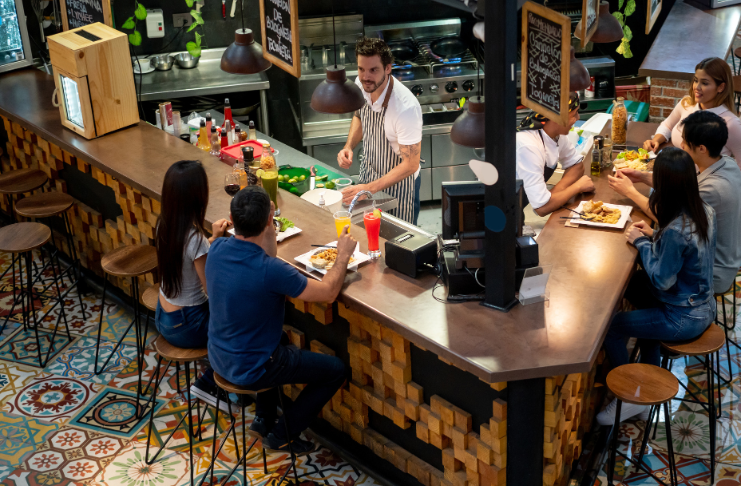
As a restaurant owner, you can have exquisite décor, a well-curated menu, and a team of highly skilled chefs yet still struggle to retain customers. On the other hand, a small diner with a simple setup and friendly, attentive service can effortlessly build a loyal customer base. The key difference? The quality of customer service.
Studies show that diners prefer to return to restaurants where they had a positive experience, regardless of price or location. Providing exceptional service is one of the most effective ways to drive repeat business and boost restaurant revenue.
In this post, we’ll explore how to serve customers correctly in a restaurant, ensuring they leave satisfied and eager to return.
1. Understanding Your Customers
To serve customers in a restaurant, it is essential to understand their needs and anticipate customer preferences. Customers have different expectations, and recognizing their preferences can help you provide personalized service.
Know Your Audience
Restaurants cater to many customers, including families, couples, business professionals, and tourists. Understanding their needs and preferences allows you to tailor your service accordingly. For example:
- Business professionals often value quick and efficient service.
- Families with children may require kid-friendly menus and high chairs.
- Tourists might appreciate menu recommendations and information about local specialties.
Customer Expectations
Customers have specific expectations when they dine out, such as friendly and welcoming staff, accurate orders and timely service, a clean and comfortable dining environment, efficient handling of complaints and special requests, etc. Exceeding these expectations is what sets excellent restaurants apart.
Building Rapport
Establishing a connection with customers from the moment they walk in can significantly enhance their dining experience. Engaging in friendly conversation, a simple smile, eye contact, remembering repeat customers, and showing genuine interest in their preferences can build a strong rapport and foster loyalty.
2. Pre-Service Preparation
Before customers arrive, staff must be equipped with the necessary skills and knowledge to serve customers in a restaurant efficiently.

Staff Training
Regular training sessions on communication, problem-solving, health and safety regulations, and product knowledge are essential for maintaining high service standards. Staff should be well-versed in the menu, including ingredients and possible dietary restrictions, to confidently answer customer queries and make recommendations. These training sessions help reinforce essential customer service skills for success, such as effective communication, empathy, and adaptability.
Ambiance and Cleanliness
A clean and well-maintained restaurant shows commitment to providing a pleasant dining experience. A welcoming ambiance and cleanliness increase the impression of professionalism and attention to detail. Ensure:
- Tables and utensils are spotless.
- Restrooms are regularly checked and cleaned.
- The dining area has the proper lighting and temperature.
Menu Familiarity
Knowledge of the menu is critical for effective service. Staff should be familiar with the ingredients in each dish, allergen information, and cooking methods. They should be able to suggest pairings and accommodate dietary restrictions. Familiarity with the menu allows servers to make informed recommendations and upsell items, contributing to a better customer experience.
3. The Greeting and Seating Process
The initial interaction sets the tone for the entire dining experience. A warm and professional greeting, followed by proper seating, is crucial to serve customers in a restaurant.
First Impressions Count
A friendly greeting can make customers feel welcome and valued. Staff should greet guests with a smile, make eye contact, and use polite language. A warm welcome sets a positive tone for the rest of the dining experience.
Seating Arrangements
Efficient seating strategies are essential for accommodating different customer needs. Whether it’s a family with children, a couple on a date, or a group of friends, seating arrangements should be thoughtful and considerate. Promptly escorting guests to their tables and presenting menus can enhance the dining experience. Efficient seating strategies include:
- Giving priority to reservations.
- Seating customers based on their needs (e.g., wheelchair accessibility).
- Managing peak hours effectively to minimize wait times.
Body Language and Communication
Nonverbal cues like body language and facial expressions can significantly impact how customers perceive the service. Positive body language, such as maintaining eye contact, nodding, and smiling, can make customers feel appreciated and understood. Maintain:
- An open and welcoming stance.
- A polite and professional tone.
- Eye contact and active listening skills.
4. Taking Orders Effectively
Accurate order-taking ensures that each dish is prepared correctly and meets the diners’ expectations, contributing to an exceptional dining experience. This process involves active listening, personalization, and accommodating special customer requests.

Active Listening
Ensuring that you understand and remember customer orders is essential. Active listening involves focusing on the customer, confirming their order, and avoiding distractions. Taking notes and repeating the order back to the customer can prevent mistakes.
- Repeat the order back to the customer to confirm accuracy.
- Write down or use a POS system to avoid mistakes and streamline order processing.
- Clarify special requests and dietary restrictions.
A unified restaurant platform offers solutions designed to enhance your restaurant’s efficiency and customer service. Our POS systems are designed to simplify order management, reduce the chances of errors, and ensure a seamless experience for both staff and customers. Key features include:
- Real-Time Order Tracking: Monitor orders as they progress from the kitchen to the table, ensuring timely delivery.
- Customization Options: Easily accommodate special requests and dietary restrictions with customizable order settings.
- Integration with Other Systems: Seamlessly integrate with other restaurant management tools for a holistic approach to operations.
With Restroworks, your team is empowered to serve customers in a restaurant with precision and professionalism, creating an outstanding dining experience that keeps happy customers always coming back. By leveraging our technology, you can enhance order accuracy, cater to special requests, and provide a level of service that sets your restaurant apart.
Personalization and Upselling
Tailoring suggestions and upselling without being pushy, like highlighting the chef’s special and seasonal dishes, can enhance the dining experience. Servers should consider the customer’s preferences and recommend dishes or beverages that align with their tastes. Personalization adds a thoughtful touch to the service.
Handling Special Requests
Managing dietary restrictions and unique customer needs requires flexibility and attention to detail. Staff should be trained to handle special requests gracefully, ensuring that customers feel accommodated and valued.
5. Serving with Excellence
To serve customers in a restaurant with excellence, staff must coordinate effectively with the kitchen, present dishes attractively, and maintain attentive service throughout the meal.
Timing and Coordination
- Ensure appetizers, entrées, and desserts are served at the right intervals.
- Coordinate with the kitchen to avoid long wait times.
- Check back with customers after food is served to ensure satisfaction.
Presentation and Professionalism
- Serve food with a smile and confidence.
- Avoid reaching across customers when placing dishes.
- Serve drinks from the right and remove empty plates from the left.
Check-Ins During the Meal
- After a few bites, ask if everything is satisfactory.
- Offer to refill drinks and accommodate additional requests.
- Never rush customers to finish their meals.
INDUSTRY INSIGHT
6. Handling Complaints and Difficult Situations
Managing complaints and difficult situations effectively is vital to maintaining customer satisfaction and loyalty. Addressing customer complains and issues promptly and professionally can turn negative experiences into positive ones.
Conflict Resolution
Addressing complaints quickly and gracefully is crucial to serving customers in a restaurant. Staff should listen to the customer’s concerns, apologize sincerely, and take appropriate action to resolve the issue. Effective conflict resolution can prevent negative reviews, boost sales, and retain customer loyalty.
Turning Challenges into Opportunities
Using feedback to improve service and create positive experiences is essential for continuous improvement. Constructive feedback should be taken seriously and used to implement changes that enhance the overall dining experience.
Staff Empowerment
Encouraging team members to take initiative in solving issues can lead to quicker resolutions and increased customer satisfaction. Empowered staff are more likely to handle complaints confidently and effectively. Train staff to make small decisions (e.g., offering a free drink for a long wait) without always seeking managerial approval. This improves service efficiency.
7. Post-Meal Interactions
Post-meal interactions, including the check and farewell, gathering feedback, and creating lasting impressions, are crucial to leave a positive and lasting impact.

The Check and Farewell
- Provide the check promptly when requested.
- Offer payment options (cash, card, digital wallets).
- Thank customers sincerely and invite them to return.
Gathering Feedback
Collecting customer insights for continuous improvement is essential for maintaining high service standards. Encouraging customers to provide feedback through digital surveys, QR codes, comment cards, or online reviews can offer valuable insights into areas for improvement. Direct feedback through friendly conversations.
Leaving a Lasting Impression
Simple gestures, such as a sincere thank you or a follow-up offer, can encourage customers to return. Building customer loyalty involves making guests feel appreciated and valued even after they leave the restaurant.
8. Continuous Improvement and Innovation
Regular Training Sessions
- Keep staff updated on new service techniques.
- Conduct role-playing exercises for customer interactions.
- Reinforce positive behaviors through incentives.
Feedback Loops
Using customer reviews and surveys to refine service strategies can lead to continuous improvement. Feedback loops allow restaurants to identify strengths and areas for improvement, ensuring that service quality remains high.
Adopting Technology
Exploring digital tools like POS systems and reservation apps can enhance service efficiency. Offer online ordering for takeout and delivery options. Modern technologies can streamline operations, reduce errors, and improve the dining experience.
INDUSTRY INSIGHT
Conclusion
To serve customers in a restaurant effectively, it is essential to prioritize delivering excellent customer service at every stage of the dining experience. From understanding customer needs to post-service follow-up, each interaction plays a crucial role in creating memorable experiences and fostering loyalty. By implementing the strategies outlined in this guide, restaurants can enhance their service quality, exceed customer expectations, and achieve long-term success.