

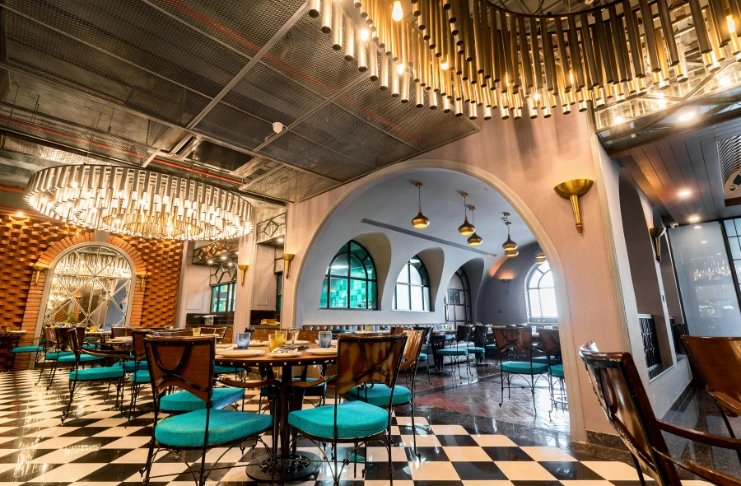
2.3 Branding Your Restaurant
Strong restaurant branding goes beyond just a logo. It’s about creating a cohesive identity that’s reflected in your name, signage, décor, menu design, website, and tone of voice. UK diners are drawn to restaurants with a clear personality and story.
Is your restaurant quirky and casual, or refined and elegant? Your branding should communicate that instantly, both offline and online. A memorable brand identity will help you build recognition, attract your ideal customer, and position your restaurant for long-term success.
3. Writing A Restaurant Business Plan
A well-structured restaurant business plan is essential for turning your vision into a tangible, fundable, and actionable reality. Whether you’re applying for a loan, attracting investors, or simply trying to stay focused, your business plan acts as a roadmap that guides every step of your journey.
3.1 Why A Business Plan Matters
Without a business plan, launching a restaurant is like cooking without a recipe. It not only helps you clarify your concept and financial goals but also forces you to think through potential challenges and solutions. Investors and banks in the UK often require a robust plan to evaluate whether your restaurant startup is a sound investment.
3.2 Key Components Of A UK Restaurant Business Plan
Executive Summary: This is the first—and sometimes only—section investors will read, so it must clearly and concisely present your restaurant concept, target market, and financial snapshot.
Business Overview and Concept: Detail your restaurant idea: cuisine, theme, format (QSR, fine dining, delivery-first), location strategy, and your unique selling proposition. Explain what gap you’re filling in the UK market.
Market Analysis: Showcase your understanding of the UK foodservice landscape. Include local demographic data, dining trends, and competitor analysis to back your strategy.
Marketing Strategy: Describe how you plan to attract and retain customers. Include online marketing, loyalty programmes, launch promotions, PR strategies, and influencer partnerships—especially important in the digital-first UK dining culture.
Operations Plan: Explain how you’ll run the day-to-day. Outline staffing needs, supplier relationships, kitchen workflow, technology stack (POS, delivery platforms), and customer service processes.
Financial Projections: This is the backbone of your business plan. Include startup costs (equipment, fit-out, licences), fixed and variable expenses, pricing strategy, monthly profit and loss projections, and expected break-even timeline. If you’re seeking funding, clearly outline how much you need and how it will be used.
4. Legal Requirements For Opening A Restaurant In The UK

Opening a restaurant in the UK involves more than a great concept and menu—you must also comply with a range of legal requirements and regulations before serving your first guest. From business registration to food safety certification, ticking these boxes early protects your business and avoids costly penalties down the line.
Understanding what licences and registrations are needed to open a restaurant in the UK is essential for a smooth, lawful launch.
4.1 Registering Your Business
Before trading, you must register your business with HM Revenue & Customs (HMRC). You’ll need to decide whether to operate as a sole trader, a limited company, or a partnership. Each structure comes with its own tax, legal, and accounting obligations, so it’s best to consult an accountant before choosing.
If you’re opening a limited company, you must also register with Companies House, which involves selecting a company name, listing your directors, and filing necessary documentation.
4.2 Licences and Permits
Food Business Registration: Every food business in the UK must register with the local council at least 28 days before opening. Registration is free and a legal requirement under food hygiene laws.
Food Hygiene Certificate: While not mandatory by law, having staff trained and certified in Level 2 Food Hygiene and Safety is strongly recommended. It’s also something environmental health officers expect to see during inspections.
Premises Licence (for Alcohol): If you plan to sell alcohol, you’ll need a Premises Licence issued by your local authority. Additionally, at least one staff member must have a Personal Licence, which requires a certified qualification and background check.
Music, TV, and Entertainment Licences: If you’ll be playing background music, showing TV, or hosting live entertainment, apply for the relevant PRS and PPL licences. This ensures you’re legally allowed to use copyrighted material.
4.3 Insurance Requirements
Having the right insurance is not only good practice—it’s legally required in some cases. The key policies include:
- Employer’s Liability Insurance – Mandatory if you employ staff
- Public Liability Insurance – Protects you if a customer is injured or property is damaged
- Business Interruption Insurance – Covers lost income due to unforeseen closures (e.g., fire or flood)
5. Finding The Right Location
One of the most critical decisions when opening a restaurant in the UK is selecting the right location. The success of your business can hinge on footfall, visibility, demographics, and even your competition. Whether you’re targeting busy high streets, trendy urban neighbourhoods, or quiet residential communities, choosing a location that aligns with your brand and target audience is essential.
5.1 Factors To Consider
Foot Traffic and Visibility: High footfall areas like city centres, near transport hubs, or retail districts offer maximum exposure but often come with higher rental costs. If you’re aiming for impulse visits or walk-ins, visibility is key. A corner spot, a frontage with large windows, or proximity to busy intersections can significantly impact your daily covers.
Demographics and Demand: Study the local population. Are you near offices, universities, tourist attractions, or family-friendly zones? Your concept should match local demand. A late-night burger joint may thrive in student-heavy areas, while a family-friendly brunch café might succeed in suburban neighbourhoods.
Proximity to Competitors: Don’t just fear competition—learn from it. Being close to successful restaurants can validate local demand. However, ensure your concept offers a fresh angle. If four pizzerias already serve the area, a Neapolitan-only wood-fired oven approach might offer a unique twist.
Accessibility and Parking: Restaurants in the UK that offer parking or are close to public transport have a clear edge. Also, ensure the site meets accessibility standards for guests with disabilities, as required by UK law.
5.2 Lease or Buy?
Most first-time UK restaurateurs opt to lease commercial restaurant space rather than buy property outright. Leasing offers flexibility, lower upfront costs, and allows you to test the market without committing long-term.
Before signing, thoroughly review your lease agreement. Consider hiring a solicitor experienced in UK commercial property law to flag issues like break clauses, rent reviews, and repair responsibilities.
6. Designing And Equipping Your Restaurant

Designing your restaurant is about creating a space that reflects your brand while ensuring seamless operations. A well-thought-out design directly influences customer experience, staff efficiency, and even revenue. Equally important is sourcing the right kitchen equipment to meet health standards and maintain productivity.
6.1 Interior Design & Layout
Balancing Aesthetics and Functionality: Your design should strike the right balance between ambiance and practicality. Whether it’s a rustic café or a modern bistro, aesthetics should align with your brand and appeal to your target audience. But never compromise on layout efficiency—ensure the space supports smooth operations and easy navigation for staff and customers.
Customer Flow: Plan how guests will enter, wait, be seated, order, and exit. A logical customer flow avoids congestion at the entrance, bar, or payment counters. Proper spacing between tables also improves comfort and meets UK fire safety regulations.
Zoning for Efficiency: Create designated zones for dining, takeaways, waiting areas, staff stations, and restrooms. This not only improves service speed but reduces staff fatigue and confusion.
Accessibility Compliance: Under the UK Equality Act 2010, restaurants must provide accessible entrances, restrooms, and pathways. Tables should be wheelchair-friendly, and signage should be clearly readable. This isn’t just a legal requirement—it also improves customer satisfaction.
Lighting and Atmosphere: Use lighting to define the mood. Warm lighting works well for casual and intimate spaces, while bright lighting suits high-turnover settings like fast-casual restaurants. Natural lighting can also reduce electricity costs and improve the overall dining experience.
6.2 Kitchen Setup
Designing for Speed and Safety: Your kitchen layout should ensure maximum productivity with minimum movement. Consider the “kitchen work triangle” when placing your prep, cook, and cleaning stations. Grouping similar tasks (e.g., cold storage near the prep area) reduces time and confusion.
Health & Safety Standards: Install commercial-grade flooring that’s slip-resistant and easy to clean. Ventilation systems are critical for temperature control and staff comfort. Ensure all surfaces are compliant with UK food hygiene standards, using materials like stainless steel for food contact zones.
Energy Efficiency: Opt for energy-efficient appliances rated for commercial use. Not only do they reduce utility bills, but some may also qualify for government incentives or green tax deductions in the UK.
6.3 Technology & Equipment
Essential Restaurant Equipment
- Commercial ovens, fryers, hobs, grills
- Cold storage: refrigerators, freezers, blast chillers
- Prep equipment: mixers, slicers, food processors
- Dishwashing stations with proper drainage
- Fire suppression and exhaust hoods (mandatory in UK commercial kitchens)
Point-of-Sale System: Choose a reliable restaurant POS that integrates with online ordering, payment gateways, table management, and inventory systems. Cloud-based POS platforms are becoming increasingly popular in the UK for their remote accessibility and low maintenance.
Reservation and Ordering Tech: Modern UK diners expect tech-enabled experiences—install digital ordering screens, QR code menus, or mobile app ordering to streamline service and increase order accuracy.
7. Hiring And Training Staff
Hiring the right team and providing them with structured, consistent training is one of the most critical components of opening a successful restaurant in the UK. In an industry where staff interactions directly impact customer satisfaction, your team must reflect the values and service standards of your brand. From chefs and servers to supervisors and support staff, each individual plays a key role in building a consistent and enjoyable dining experience.
7.1 Key Roles To Hire
When planning your staffing structure, begin by identifying the essential positions required for daily operations. Every restaurant, regardless of size or format, needs both kitchen and front-of-house (FOH) staff to function efficiently.
Start with your kitchen team. Hiring experienced chefs is crucial to ensuring food quality and consistency. For smaller restaurants, a head chef supported by one or two assistants may be sufficient, but for larger establishments, you’ll need additional roles such as prep cooks, line cooks, and dishwashers to manage volume efficiently.
Front-of-house staff—including waiters, hosts, and bartenders—must have excellent communication skills, a strong customer service mindset, and the ability to work in fast-paced environments. In multicultural areas like London or Manchester, hiring multilingual staff can significantly improve customer experience and accessibility.
Don’t overlook the importance of hiring a capable restaurant manager or supervisor. This individual is responsible for overseeing daily operations, managing staff schedules, resolving customer issues, and ensuring that your restaurant remains compliant with health and safety standards. A manager with prior experience in the UK restaurant industry will understand local service expectations and help maintain consistency across shifts.
7.2 UK Labour Laws And Compliance
Before onboarding any employee, restaurant owners in the UK must comply with several legal obligations. First and foremost is the Right to Work check, which requires verifying that every staff member has legal permission to work in the UK. This documentation should be securely stored in case of inspections from the Home Office.
Next, every employee must receive a written employment contract or statement of particulars on or before their first day of work. This contract should clearly outline job duties, salary, working hours, holiday entitlements, notice periods, and any probationary terms.
Restaurant owners must also ensure they comply with UK minimum wage and national living wage requirements, which vary depending on the employee’s age. These wage rates are updated annually, and failure to meet them can result in legal penalties and reputational damage.
7.3 Training And Onboarding
Proper training is vital to ensuring that your restaurant staff in the UK not only meets legal standards but also delivers a consistent, high-quality dining experience. All food handlers should complete Level 2 Food Hygiene and Safety training, which covers essential topics like cross-contamination, temperature control, and allergen management. Keeping training records up to date is critical for passing local health inspections.
If you’re using digital tools like a restaurant POS system, mobile ordering, or reservation software, ensure that your staff is fully trained on how to use these platforms. Technology is a major part of modern restaurant operations in the UK, and poor tech skills can lead to slow service, order errors, and lost revenue.
Ongoing performance evaluation helps reinforce good habits and identify areas for improvement. Set clear goals such as average table turnover times, upsell rates, or customer satisfaction scores. Consider offering recognition or incentives to top-performing staff, which can boost morale and reduce turnover.
8. Marketing And Promoting Your Restaurant

In the highly competitive UK food and hospitality market, having great food and service isn’t enough—you need a solid marketing strategy to draw people in. Whether you’re launching your first location or growing an existing concept, how you market your restaurant can define its visibility, reputation, and long-term profitability. Successful restaurant marketing in the UK blends both digital and offline tactics to reach your ideal audience where they are—on social media, in search engines, and in your local community.
8.1 Pre-Launch Marketing Strategy
The period before your restaurant opens is a golden window to build anticipation and buzz. Begin by creating a brand presence online at least 6 to 8 weeks prior to your soft opening.
First, set up your restaurant’s Google Business Profile and social media accounts (Instagram, Facebook, and TikTok are particularly effective in the UK market). Share your brand story, behind-the-scenes kitchen action, progress updates, sneak peeks of your menu, and even staff introductions. This humanizes your brand and helps future guests connect with you before they even walk through the door.
Consider hosting a soft launch or friends-and-family night to test operations and generate word-of-mouth buzz. Invite food bloggers, local influencers, and journalists for a preview event, and encourage them to share their experience online. Collaborating with micro-influencers in your area can be a cost-effective way to get exposure without a massive ad budget.
Your restaurant launch marketing plan should also include press releases to local food publications or online media outlets like Time Out, Eater London, or local lifestyle magazines, if your restaurant is part of a niche, such as vegan, halal, zero-waste, or dog-friendly, target media outlets that cover these topics specifically.
8.2 Post-Launch Promotion Tactics
Once your doors are open, the focus should shift to sustaining momentum and attracting repeat business. Start by maintaining an active presence on social media. Post regularly with high-quality food photos, daily specials, behind-the-scenes moments, and customer reviews. Use trending hashtags relevant to your region and food type, such as #LondonEats, #ManchesterFoodie, or #UKVegan.
Implement a local SEO strategy to ensure people in your area find your restaurant when searching terms like “best Italian restaurant near me” or “brunch in Soho.” Optimize your website with key location-based keywords, ensure your name, address, and phone number are consistent across all platforms, and collect customer reviews on Google, TripAdvisor, and Yelp.
To incentivize loyalty and repeat visits, launch a loyalty programme or digital stamp card. UK diners are highly responsive to rewards and exclusive perks, especially in cities with abundant dining choices. Promote limited-time offers, seasonal menus, or referral discounts through email marketing and SMS campaigns.
Don’t underestimate the power of hyperlocal advertising. Use flyers, posters, and partnerships with nearby gyms, offices, or hotels to drive foot traffic. Join UK-based food delivery platforms like Deliveroo or Uber Eats, but also encourage direct ordering from your own website to avoid high commission fees.
Finally, track performance using tools like Google Analytics, Meta Insights, and email engagement metrics. This data will guide you in refining your marketing strategy based on what’s working and what’s not.
9. Managing Day-To-Day Operations

Once your restaurant is up and running, maintaining smooth and efficient daily operations becomes your top priority. Consistent execution, strong back-of-house processes, and proactive customer service are what keep diners coming back—and ultimately determine whether your restaurant thrives or merely survives. Effective restaurant operations in the UK require a balance of process, technology, and attention to detail across staffing, supply chain, food safety, and service delivery.
9.1 Inventory And Supply Chain Management
One of the most critical aspects of daily restaurant operations is managing your inventory. Without proper oversight, food waste, shortages, or over-ordering can quickly eat into your profits.
Use a restaurant inventory management system to track stock levels, monitor ingredient usage, and automate reorder points. These systems help reduce waste, avoid stockouts, and forecast demand more accurately based on sales trends. In the UK, where food costs and supplier reliability can vary regionally, this type of real-time insight is essential.
Build strong relationships with reliable local and national suppliers. Many UK restaurants now prioritise partnerships with farm-to-table, organic, or sustainable producers, especially in urban areas where conscious consumerism is on the rise. Always keep backup suppliers in case of delays or shortages, and regularly audit pricing and delivery performance.
9.2 Health And Safety Compliance
Restaurants in the UK must adhere strictly to Food Standards Agency (FSA) regulations and local council guidelines. Ensuring food safety is not just a legal obligation—it’s a brand trust factor that directly affects your restaurant’s reputation and rating.
Your kitchen must follow strict cleanliness protocols, including proper storage temperatures, cross-contamination prevention, and regular sanitisation of surfaces and tools. Use food safety checklists, daily logs, and staff training modules to maintain consistency across all shifts.
Environmental Health Officers (EHOs) can visit your premises at any time to conduct inspections. A strong hygiene rating (ideally a 5) displayed at your entrance and on platforms like the FSA website enhances your credibility with customers. Poor hygiene practices or a low score can severely impact your business.
9.3 Delivering Outstanding Customer Experience
Customer experience is the heartbeat of any successful restaurant. In the UK’s highly competitive foodservice market, even a single bad review on Google or TripAdvisor can deter dozens of potential diners. That’s why investing in guest satisfaction must be part of your daily operations.
Train your front-of-house team to greet guests promptly, manage wait times effectively, and handle complaints gracefully. Use table management software or reservation apps to avoid overbooking or long queues, especially during peak hours.
Speed of service is also vital. UK diners expect prompt attention, particularly during lunch hours. Streamline your ordering and payment process using digital POS systems, handheld ordering tablets, or QR code menus, which reduce wait times and minimise errors.
Encourage feedback through digital comment cards, social media, or in-person interactions. Responding quickly to issues and thanking guests for positive comments creates a two-way relationship that builds loyalty over time.
10. Financial Management And Growth
Financial stability is the backbone of every successful restaurant. While creativity and hospitality may drive your brand, it’s solid financial planning and careful management that will keep your business afloat—and eventually help it scale. Understanding how to manage your restaurant’s finances, monitor cash flow, and make data-driven decisions is essential to long-term profitability. For restaurant owners in the UK, where food costs, rent, and labour are constantly rising, smart financial management is not optional—it’s survival.
10.1 Managing Your Restaurant Finances
The first step to achieving financial health in your restaurant is tracking your income and expenses with accuracy and consistency. Use cloud-based restaurant accounting software that integrates with your POS system, inventory tools, and payroll service. This will allow you to generate real-time reports, spot trends, and stay on top of financial obligations like taxes, supplier payments, and employee wages.
In the UK, restaurant owners must be aware of VAT (Value Added Tax) thresholds and ensure they’re compliant with HMRC regulations. Choose a software platform that is Making Tax Digital (MTD) compliant to simplify reporting.
Create monthly profit and loss (P&L) statements and cash flow forecasts to evaluate performance. Your financial plan should include break-even analysis, seasonal trends, and contingency planning for slow periods. Many UK restaurants experience revenue dips in post-holiday months—your forecasts should account for this and plan accordingly.
10.2 Cost Control And Profit Optimisation
Managing the cost of goods sold (COGS) is one of the most effective ways to improve profitability. This means tracking your food and beverage costs carefully, negotiating prices with suppliers, and reducing waste through better inventory control. Pair your recipe management software with your POS system to track ingredient usage in real time and compare expected versus actual food costs—this helps identify pilferage or inefficient portioning.
Labour costs are another major expense. Use scheduling software to optimise staff rosters based on forecasted demand and avoid overstaffing during off-peak hours. Regularly review employee productivity and cross-train your team to increase flexibility without inflating payroll.
Don’t forget to monitor your overheads—utilities, rent, and maintenance costs can quickly add up. Consider energy-efficient appliances and off-peak ordering from suppliers to reduce these operational costs.
10.3 Scaling Your Restaurant Business
Once your restaurant is profitable and your processes are streamlined, you can begin to explore restaurant growth strategies. For many UK restaurant owners, the first step is opening a second location. But expansion should never be rushed—first, ensure that your original outlet can operate independently without your constant involvement.
Consider expanding through:
- Franchising is possible if your model is replicable and operations can be standardised.
- Dark kitchens or virtual brands are used to test new locations without the cost of a full dine-in setup.
- Catering services or delivery-only models, which can boost revenue using your existing kitchen capacity.
Before scaling, revisit your brand positioning, evaluate market demand in new areas, and ensure you have the systems and leadership in place to maintain consistency.
Conclusion
The UK hospitality market is competitive, but it’s also full of potential for those who are prepared. By understanding local dining trends, delivering a standout guest experience, and using smart tools to streamline operations, you can build a restaurant that not only survives but thrives.
With the right foundation, clear vision, and a deep understanding of your market, your restaurant can make a lasting impact on the UK dining scene. Take the leap, follow the strategy—and start building the restaurant you’ve always dreamed of.