
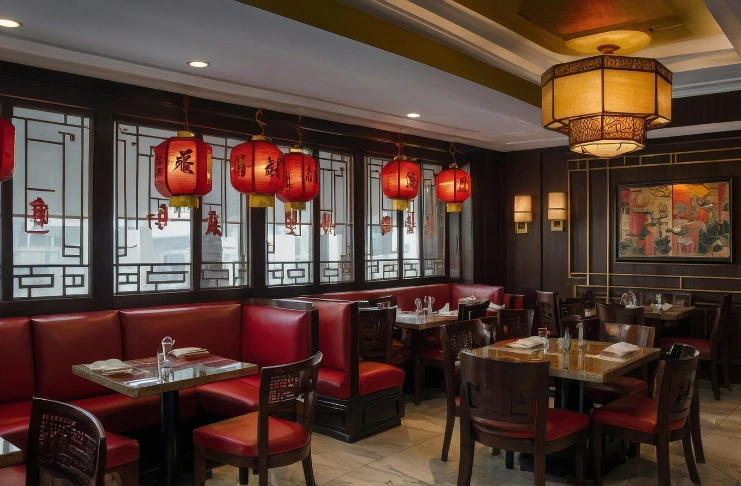
With over 17,000 restaurants operating across a dense urban landscape, Hong Kong is one of the most saturated and competitive dining markets globally. From Michelin-starred fine dining to humble cha chaan tengs and rapidly scaling cloud kitchens, the city’s dining landscape reflects its global connectivity and authentic local preferences.
This blog will explore the latest Hong Kong restaurant statistics shaping the industry and offer a comprehensive view of its current state and future prospects.
An Overview of Hong Kong Restaurant Statistics
In 2024, Hong Kong’s foodservice sector generated a revenue of $17.7 billion, declining at a 1.4% CAGR between 2019 and 2024, where outlet numbers grew slowly but transactions declined.
Additionally, from 2024 to 2029, the profit sector in the Hong Kong foodservice industry is expected to register a value of 6.7% CAGR, while restaurant transactions will see a CAGR of 4.5%.
Segment-wise Growth
Hong Kong’s foodservice sector is divided across several key segments, each showing distinct performance metrics:
- Full-service restaurants led the industry, with a 61.4% share of the total sales.
- Thanks to their convenience and affordability, quick-service restaurants accounted for 23.5% of total sales in 2024.

Industry Performance - The overall F&B profit margin in Hong Kong remained around 23% in 2024, well below regional peers such as Vietnam (~38%) and Thailand (~32%).
- Regarding the restaurant receipts and purchases, Hong Kong recorded total restaurant receipts of $14 billion in 2024, down 0.1 % in value and 2.4 % in volume.
- Hong Kong restaurant diners spent about $3.5 billion in the last quarter of 2024.
- In Q4 2024, 61% of Hong Kong restaurants saw a stable or increased dine-in revenue.
- When analyzing the restaurant types, Chinese restaurants saw a 3.6% decline in total receipt value, while non-Chinese restaurants saw a rise of 2.2%.
Outlet Turnover
- As of April 2025, 17,154 restaurant licences were active in Hong Kong, down from 17,409 a year earlier. Despite this contraction, licence numbers remain higher than pre-pandemic levels.
- In the 12 months ending April 2025, Hong Kong saw 2,034 restaurant closures and 1,779 new openings, resulting in a net drop of 255 licensed outlets, the first annual contraction since 2018.
- The Yau Tsim (Tsim Sha Tsui) and Central & Western districts recorded a net loss of 40 outlets over the past year.
Hong Kong’s restaurant sector is navigating a cost-intensive, consolidating market, characterized by fluctuating performance, increasing outlet turnover, and decent segment-wise growth.
EXPERT OPINION
Chiu Kwun-chung, head of the Eating Establishment Employees General Union’s labour rights committee, discusses the recent shutdowns in the Hong Kong restaurant industry. “From the struggles of affordable eateries such as Ocean Empire Food Shop to the collapse of higher-end, multi-cuisine groups such as King Parrot, Hong Kong’s dining scene is caught in a vicious circle. Residents’ willingness to spend is weak, and they would rather spend their money in Shenzhen on the weekend. Even tourists coming to Hong Kong are spending less. Many factors are putting us in a very difficult situation.” |
Market Trends Driving the Hong Kong Restaurant Industry
1. Online Delivery
The revenue in the Hong Kong restaurant delivery market is expected to reach $4.41 billion in 2025 and show an annual growth rate of 6.86% by 2030. In fact, 93% of Hong Kong restaurateurs in 2024 reported delivery platforms as “equally or increasingly essential,”.
2. Plant-Based Foods
Plant-based meat is rising in popularity in Hong Kong, reflecting a consumer shift towards wellness and sustainability. While 52% of respondents in an InvestHK report “agree” or “strongly agree” to consuming more plant-based substitutes, a plant-based meat online shop in Hong Kong saw a 77% rise in sales.
3. Tourism Growth
Hong Kong has long been a popular tourist destination, with 44.5 million arrivals in 2024, 31% more than in 2023. This influx means high foot traffic to restaurants and a higher demand for diverse cuisines and dining experiences.
4. Speed and Convenience
For most consumers, long workdays and packed schedules mean there’s less time to sit down for a leisurely lunch. So, they are looking for easy options that fit into their day, such as kiosk ordering, takeaways, mobile ordering, and quick and convenient dining formats.
Conclusion
The latest restaurant statistics for Hong Kong reveal the market is shaped by growing demand for convenience, rising costs, evolving dietary choices, and a surge in online ordering. While outlet numbers have slightly declined and profitability remains tight, the potential for innovation is stronger than ever.
By understanding the trends driving growth, the behavioral shifts behind dining choices, and the operational realities reflected in the current performance metrics, stakeholders can better navigate what’s next.
Frequently Asked Questions
As of April 2025, Hong Kong had 17,154 licensed restaurants, according to the Food and Environmental Hygiene Department.
As of 2018, Hong Kong’s population was at 7.45 million, with a high restaurant density of one restaurant for every 415 people.
The iconic Jumbo Floating Restaurant capsized and sank in the South China Sea in June 2022 while being towed away. Once a symbol of Hong Kong’s opulent dining scene, the vessel had closed in 2020 due to financial pressures worsened by the pandemic.
Hong Kong is best known for its dim sum, wonton noodles, roast goose, and egg tarts. The city’s culinary identity blends Cantonese tradition with colonial and global influences.
Gordon Ramsay had three restaurants in Hong Kong, which shut down during the pandemic due to increasing financial pressures. Another restaurant, Plane Food To Go, is still operational and located at the Hong Kong airport.
The Jumbo Floating Restaurant, after closing in 2020 due to COVID-related losses, sank in 2022 while being moved to Southeast Asia.
As of 2024, Hong Kong has 79 Michelin-starred restaurants.