
Hungry for success in the fast food industry? With tastes changing fast and competition as fiery as your grill how can you stay ahead? Since the competition is fierce a well-defined fast food marketing strategy is important.
Learn with us as we share helpful tips for fast-food companies to market themselves better. We’ll talk about understanding who your customers are and how to make promotions that work so you can do well in this fast-moving industry. By delving into effective fast food restaurant marketing strategies, you can gain insights into what works best for your fast food business.
Implementing tailored fast food restaurant marketing tactics can help you reach your target audience effectively and stay ahead in the competitive landscape of the fast-food industry.
KEY TAKEAWAYS
- Fast food marketing revolves around staying visible, relevant, and memorable in a fast-moving, high-frequency market.
- Success depends on combining smart promotions with consistent customer engagement across digital and in-store channels.
- Menu design, branding, and value communication play a key role in shaping quick purchase decisions.
- Integrating sustainability, community involvement, and ethical practices enhances long-term brand credibility.
- The most effective strategies focus on loyalty, adaptability, and meaningful customer experiences that extend beyond the counter.
Why Is Fast Food Restaurant Marketing Important?
Fast food restaurants compete in a fast-moving, price-sensitive market where consumer decisions often happen in seconds. Marketing, therefore, plays a crucial role in attracting attention, driving repeat visits, and sustaining long-term brand growth. Here’s why it matters:
1. Building Instant Brand Recognition
In the fast food industry, familiarity drives sales. Consumers are more likely to choose a brand they recognize, especially when making quick, on-the-go decisions. Effective marketing ensures that your restaurant brand stays visible and memorable across every touchpoint, from outdoor ads to digital channels.
Some key branding elements include-
- Consistent branding across packaging, signage, and social media.
- Eye-catching visuals that communicate freshness and speed.
- Localized campaigns that connect with community culture and preferences.
2. Driving High-Frequency Purchases
Unlike fine dining, fast food thrives on repeat orders and habitual visits. Marketing keeps your restaurant top-of-mind, encouraging customers to return multiple times a week through timely promotions and personalized engagement.
You can achieve this with-
- Loyalty programs that reward repeat purchases.
- Limited-time offers (LTOs) to create urgency.
- Send push notifications or SMS campaigns to remind customers of deals or new menu items.
Beyond short-term sales boosts, these efforts create behavioral consistency. When customers know they’ll receive value, convenience, or rewards each time, they’re more likely to develop a purchase habit.
3. Creating Competitive Differentiation
With multiple brands offering similar menu items, strategic marketing helps you stand out beyond just pricing. Differentiation is achieved through storytelling, menu positioning, and emotional appeal that gives your brand a distinct personality.
This can be done by
- Highlighting unique menu innovations or signature flavors.
- Using storytelling to reinforce brand identity (e.g., family-focused, value-driven, or youth-centric).
- Investing in creative ad campaigns that resonate with local audiences.
4. Strengthening Digital Presence
Today’s fast food decisions are increasingly digital—customers discover, compare, and order through online platforms. A strong digital marketing strategy ensures visibility where customers are searching and scrolling.
For this, it is important to establish your online presence by
- Optimizing Google Business and local SEO for “near me” searches.
- Maintaining active social media engagement with visuals, reels, and polls.
- Running targeted ads that reach nearby diners at peak meal times.
5. Building Long-Term Loyalty
While fast food purchases are impulsive, long-term loyalty isn’t accidental. Consistent, value-driven marketing nurtures repeat customers and converts casual diners into brand advocates who promote your restaurant organically. These loyalty tactics may include-
- Personalized offers based on order history or location.
- Exclusive app discounts or early access to new menu items.
- Community-based initiatives that strengthen brand trust and connection.
Sustaining loyalty is about fostering emotional connections and building brand credibility. When guests feel recognized and appreciated, they associate your brand with reliability and familiarity.
That emotional link can outweigh minor price differences, making loyalty one of the most powerful drivers of sustainable growth in the fast food sector.
Top Marketing Strategies for Fast Food Restaurants
Fast food marketing thrives on speed, visibility, and emotional connection. Unlike full-service restaurants, these brands must capture attention in seconds, both online and offline, while driving consistent foot traffic and digital orders.
The most successful fast food chains balance creative campaigns with data-driven execution, ensuring every marketing effort translates to measurable outcomes.
Here are the top 11 fast food marketing strategies for crafting successful marketing campaigns for your fast-food restaurant-
1. Local SEO
First, analyze your current online presence on web directories. You can use various search engine optimization tools, such as Semrush or Ahrefs.
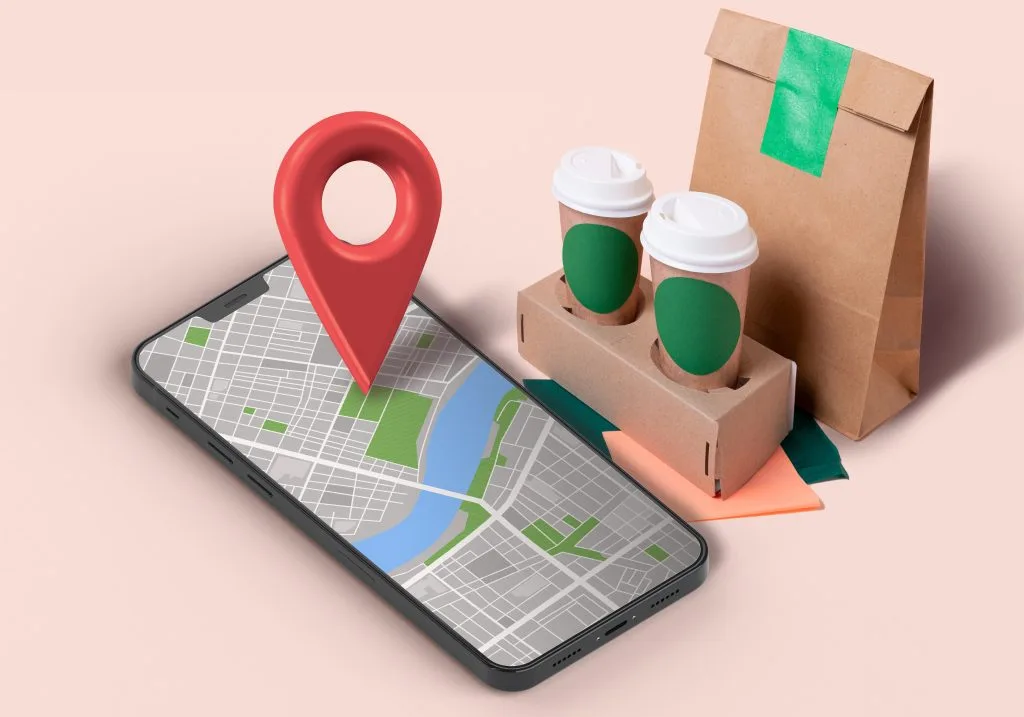
Make sure your restaurant’s listing is accurate, which includes your name, address, and operating hours across all platforms, along with your Google business profile.
Here’s how to strengthen your local SEO efforts:
- Create separate landing pages if you operate in multiple locations.
- Add relevant keywords to your pages.
- Respond to online reviews regularly to boost credibility and visibility.
2. Analyze Your Customers
Understanding your target audience is the first step to creating a foolproof marketing plan for any business. This means learning about their age, interests, and habits. Begin by analyzing customer feedback, online reviews, and surveys, to understand what customers appreciate, or hate about your business.
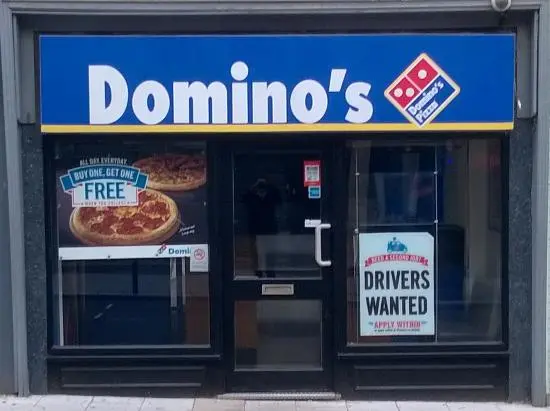
Moreover, this information is essential to identify relevant marketing channels for your business. Let’s see how Domino’s used customer feedback to introduce new products and increase sales.
In 2009, Domino’s Pizza’s customer feedback indicated that its product was not meeting customer expectations. They took this challenge head-on and launched the “Pizza Turnaround” campaign.
The campaign was unique as it openly accepted the negative feedback about their pizza’s taste and quality. They launched a multi-channel marketing strategy that included television ads, and social media posts, to tell their story of change and improvement.
The company saw a 14.3% increase in same-store sales right after the campaign’s first quarter.
3. Offer Meal Bundles and Combos
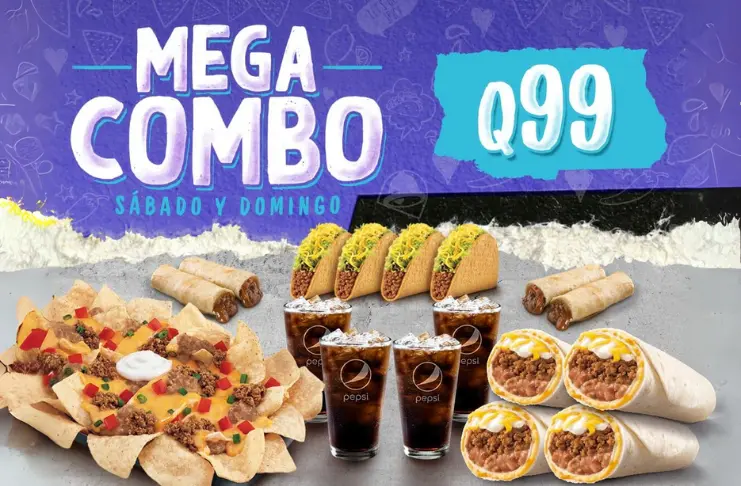
Offering combos and meal bundles is an excellent way to increase sales, bundling items at a slightly reduced price compared to buying each item separately, encourages customers to spend more per transaction. Moreover, customers find it easier to make faster decisions if they get a choice of combo.
For example, Taco Bell’s “Cravings Value Menu” offers a mix of individual items and combo meals that provide a full meal experience at a lower cost. This approach met the budgetary needs of different customers & also boosted sales through upselling.
4. Turn to Social Media
Social media is essential for fast food chains to captivate interest and foster connections. Platforms like Instagram, Facebook, and X (formerly Twitter) allow your fast-food restaurant to showcase enticing food images, offer deals and discounts, and directly engage with customers and competitors.
For your fast food restaurant, you can use social media to
- Collaborate with food bloggers and influencers to reach a new audience effectively.
- Post regularly using trends, challenges, and behind-the-scenes content.
- Interact with customers through polls, comments, and user-generated content.
This approach is more effective in attracting Gen Zs, who prefer restaurants with a good social media presence & look good on their profile.
For example, Burger28, a burger joint in the UAE, grew its followers by just posting quirky and engaging videos daily.
They offer experiential dining, where customers can customize their burgers according to their preferences, such as when a customer requests cheese fries without the fries. Today, this large burger giant has over 110k followers only on Instagram.
5. Loyalty Programs
Fast-food restaurants utilize loyalty programs to encourage customers to return again and again. These programs work best when they offer customers tangible benefits, such as discounts, special deals, and rewards for frequent visits.
It’s essential to personalize these rewards based on each customer’s preferences and purchasing habits to only offer what’s truly relevant to them. Once implemented, take care of the following aspects to get the most out of your loyalty programs-
- Ensure your POS is flexible enough to accommodate integrations with loyalty apps, food delivery apps, and other tools that can enhance repeat business.
- Incorporate data-driven insights into your fast food marketing campaigns.
- Leverage fast food advertising strategies to create targeted promotions that resonate with your audience.
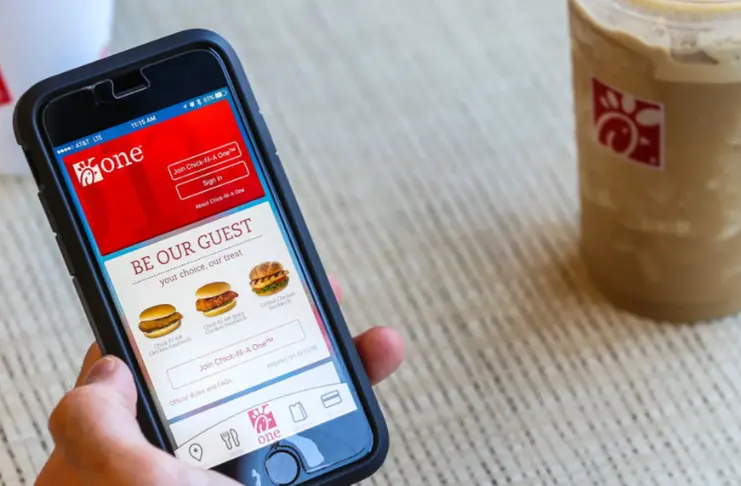
With a sophisticated app, customers are surprised with their favorite food based on their preferences and previous orders for free. As users order or purchase through Chick-fil-A One, they get closer to their next free offering.
6. Kids Menu with Collectibles
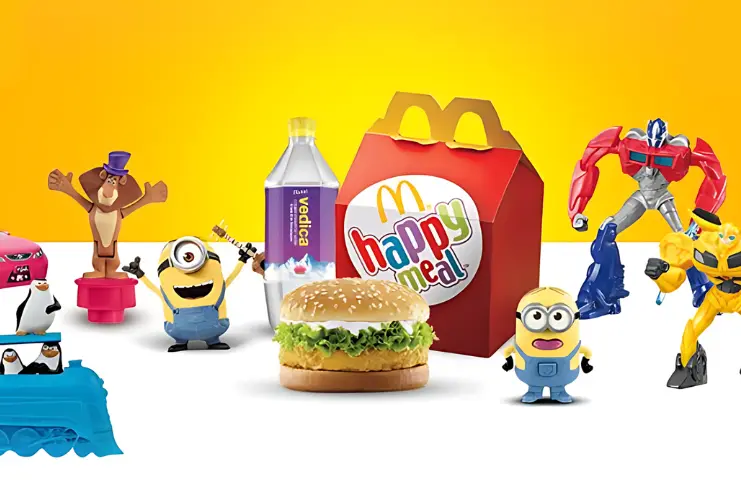
Some fast food restaurants have cracked the code to attract families through children’s menus with collectibles, such as toys.
We have listed down 5 tips for you to inspire you on how you can leverage this tactic:
A. Healthy and Appealing Menu
To appeal to parents, ensure the kids’ menu is balanced with healthier options while ensuring that it is still fun and appealing to children.
B. Theme-Based Collectibles
Collaborations with popular franchises can attract children who are fans, also drawing in their families. You could create limited edition collectibles that change seasonally or coincide with certain events or movie releases. This creates a sense of urgency and can encourage repeat visits.
C. Educational Collectibles
Develop collectibles that are not only fun but also educational. These could be themed around science, and nature, with accompanying apps.
D. Interactive Packaging
Design packaging that doubles as a plaything or includes puzzles and games.
E. Inclusive and Diverse Options
Ensure your collectibles represent different cultures and abilities, making every child feel included and represented. Like Mattel, which has recently gathered a lot of fame for its inclusion campaigns.
INDUSTRY INSIGHT
The average fast food restaurant in the U.S. runs around 11 advertising campaigns each year, reflecting how competitive and promotion-driven the sector has become.
What’s more, over 60% of all food-related TV ads aimed at children are from fast food brands, underscoring the industry’s strong focus on early brand influence and audience targeting.
7. Create Your Own Mobile App
Mobile ordering technologies like apps can send alerts about deals, simplify the payment process for orders, and have loyalty programs. This would improve user convenience and help restaurants keep track of customer data.
As a result, it becomes more likely that customers will come back again and again. Moreover, 3rd party delivery apps charge huge commissions, and a dedicated app can help you save a lot of money in the long run.
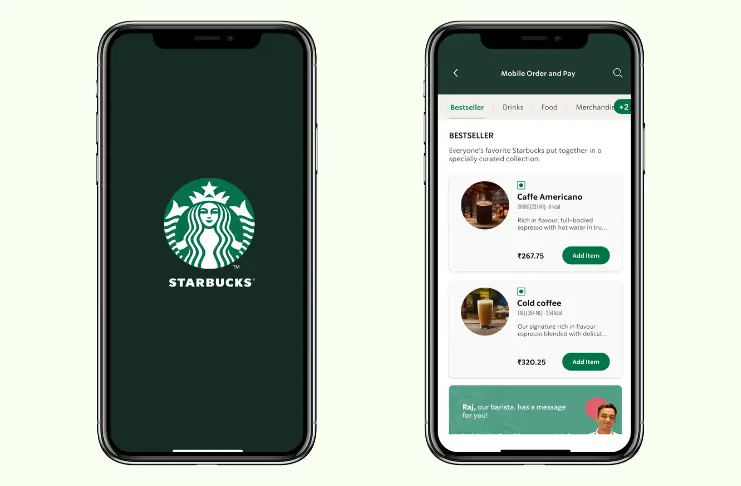
The Starbucks app stands out in the fast food industry by integrating ordering capabilities, a loyalty program, and customer engagement strategies. This ensures customers are always engaged and updated with the newest offers and products.
8. Upgrade Your Website
A personal brand is a key factor for any business to grow online. To build an effective online presence, a website can help restaurants grow as a brand. This includes-
- Incorporating effective digital marketing strategies and optimizing the ordering process.
- Displaying high-quality photos of your menu items
- Offering a seamless navigation experience
- Ensuring the site is mobile-friendly for a better user experience.
By doing so, restaurants can enhance their visibility, attract more customers, and ultimately boost sales. Whether you’re a small local eatery or a large fast food company, having a well-designed website is crucial for engaging with customers and showcasing your offerings in the digital realm.
9. Limit Your Menu to One Page
A one-page menu is a concise, visually balanced layout that showcases your best-selling or most profitable items in a single view. This is a great way to present a menu as it helps customers make quicker decisions, reduces kitchen complexity, and highlights the restaurant’s specialties, leading to faster service and potentially higher-quality dishes.
To optimize your restaurant’s one-page menu, here’s what you can do-
- Use bright colors and simple designs that reinforce your brand.
- Highlight signature dishes and combo options prominently.
- Keep descriptions concise to avoid decision fatigue.
In-N-Out Burger is a well-known example of a fast food restaurant using a one-page menu strategy. They have maintained a simple menu since their inception in 1948.
Their offerings are limited to fewer key items: burgers, fries, shakes, and beverages. This limited menu has become a hallmark of their brand & also allows for high-quality, consistent food preparation and faster service.

10. Engage with Community
Fast-food restaurants can connect with the local area by supporting events or sports teams.
By actively participating in community events and sponsoring local sports teams, marketing fast food establishments can foster a sense of belonging and loyalty within the community.
This includes-
- Leveraging social media platforms to promote local participation.
- Running campaigns tied to local celebrations or holidays.
- Supporting charity events and sustainability drives.
Supporting local events not only helps boost brand visibility but also contributes to customer satisfaction by demonstrating a commitment to the community. Overall, these initiatives can help attract customers and build a strong presence in the local area.
They can also contribute to charity events. This demonstrates the restaurant’s commitment to the community, encouraging repeat visits.
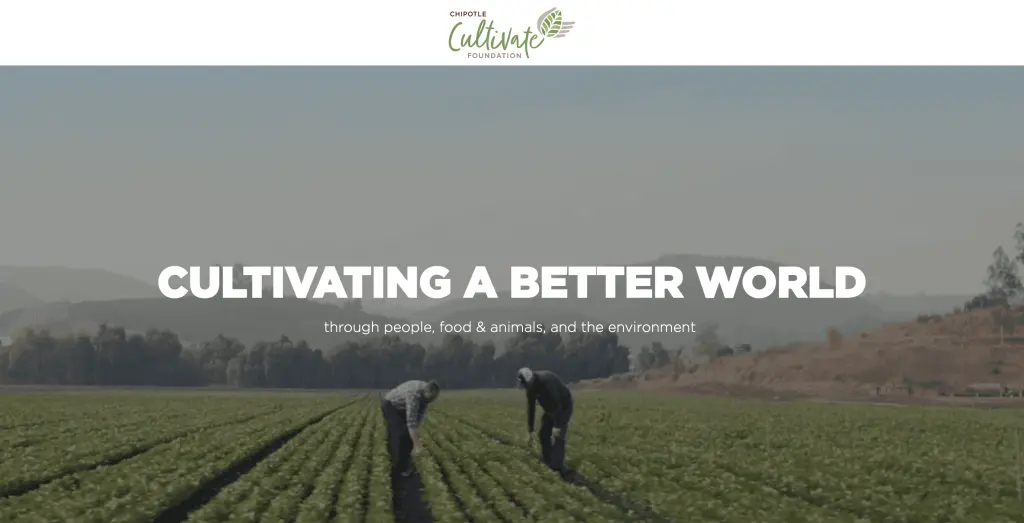
For instance, Chipotle’s Cultivate Foundation is dedicated to creating a more sustainable and health-conscious food future. The foundation supports farmers, community organizations, and educational programs that teach young people about nutrition and agriculture.
Chipotle raises funds through in-restaurant promotions and has committed millions to help young farmers and sustainable farming practices.
11. Embrace ECG Principles
With consumers’ growing preferences for sustainable packaging, following the environmental impact of single-use plastics, everyone, from large chains to small pop-ups, is slowly embracing sustainability.
Fast food brands can adopt ESG practices by
- Investing in renewable energy and reusable packaging.
- Sourcing local ingredients and implementing recycling programs.
- Upgrading to energy-efficient appliances to reduce environmental impact.
- Introducing plant-based or low-carbon menu options to minimize supply chain emissions.
- Partnering with food recovery organizations to redistribute surplus meals instead of wasting them.
- Using eco-certified cleaning and delivery materials that meet safety and sustainability standards.
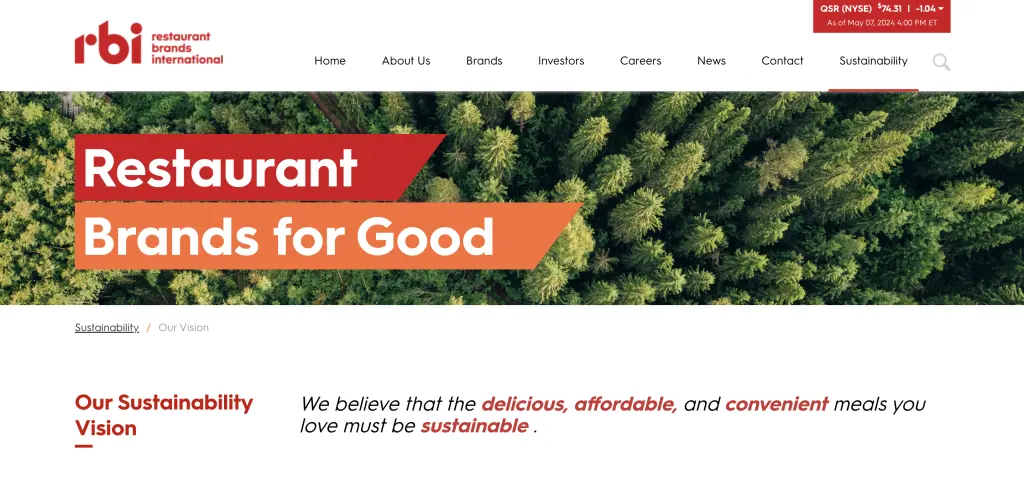
Here’s an example. Restaurant Brands International Inc. (RBI), the parent company of fast-food chains including Burger King, Tim Hortons, and Popeyes has set goals to source sustainable ingredients, reduce greenhouse gas emissions, conserve water, and improve waste management.
How to Measure Marketing Success for Fast Food Restaurants?
Checking how well marketing strategies work is important for fast-food restaurants. It helps them make their strategies better and keep getting better over time.
Here’s a look at key aspects and metrics involved in gauging marketing success-
1. Key Performance Indicators (KPIs)
These are like markers that show restaurants how well their marketing is doing. They monitor metrics such as sales growth, customer acquisition costs, and the effectiveness of their marketing strategies in generating revenue.
Additionally, they track metrics like conversion rates from ad views to purchases, website traffic, and social media engagement levels.
2. Customer Data, Feedback, and Habits
Knowing your customers is key for restaurants. Restaurants must understand what their customers prefer to eat, so they must look at past orders, food preferences, age, and feedback to improve the dining experience. Using an advanced restaurant management and CRM tool can be of great value since it gathers key customer data and helps your servers with upselling based on past orders, dietary restrictions, and other preferences
This helps restaurants send out offers and promotions that people will want. By knowing more about their customers, restaurants can see what’s popular and change their menus to match what people want.
3. Sales Data
Using modern POS systems can help you record and analyze your sales data, and get daily, and monthly reports on which items are selling more at what time.
This data can help you measure the success of your promotion tactics and other marketing campaigns, allowing you to make data-driven decisions while setting up offers, and discounts.
Conclusion
In fast food, success means being flexible, creative, and getting to know your customers. Figuring out who your customers are, using information smartly, and using cool tech stuff can make your marketing effective.
But it’s not just about numbers; it’s about making experiences people remember and involving the community. As things change, being flexible is important. By focusing on customers and aiming for excellence, fast-food restaurants can do well in the competitive market.
Frequently Asked Questions
Promoting your fast food restaurant effectively involves understanding who your customers are, using both digital and traditional advertising methods well, offering special deals, and ensuring you have a strong online presence through social media and a good website.
Fast food is advertised in different ways, like on TV and radio, on social media sites, through emails, by working with popular social media personalities, and by offering restaurant promotions. The main idea is to show how convenient and affordable the food is and to make it look tempting.
Examples of food marketing include things like showing new menu items on social media, running ads on TV for limited-time offers, teaming up with social media stars to promote the brand, giving rewards to customers who come back often, and sending out emails with special deals.
Marketing is super important for fast food places because it helps them bring in customers, stand out from other establishments, sell more food, and make people want to return. It’s a way for restaurants to keep in touch with the people who like their food and change things up if needed.
The best way to advertise a restaurant is to use a mix of different methods, like online ads and things in the restaurant itself, make sure your customers feel happy and listened to, use what you know about your customers to make smart choices and be honest and open in your communication.
Some good ways to market food are to come up with new things for your menu, offer deals or special prices sometimes, team up with local businesses or popular people in your community, have events that bring people together, and use technology to make it easy for people to order online or to earn rewards.
To make a marketing plan for your restaurant, start by figuring out who you’re trying to reach, find out what’s going on in your area, set goals for what you want to achieve, decide how you’re going to let people know about your restaurant and keep them interested, figure out how much money you can spend, and keep checking to see if your plan is working and if you need to change anything.