

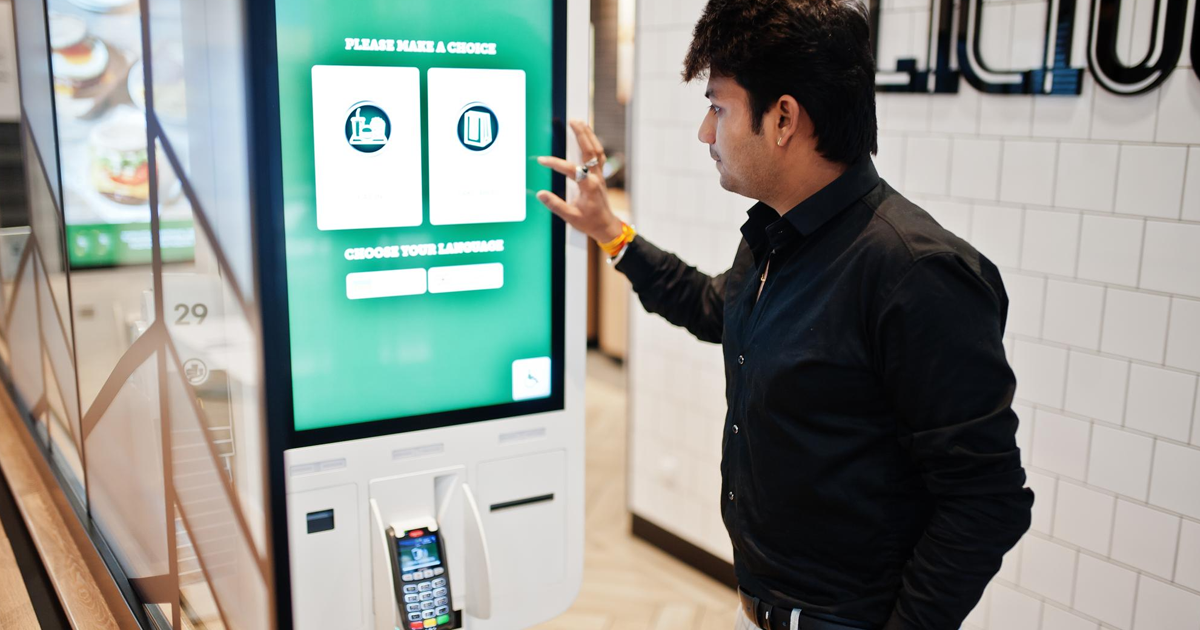
Across swarming city streets worldwide, fast food outlets are more than places to eat; they’re vital spots in the rhythm of city life. Amid the hum of activity and the aroma of quick meals, a quiet revolution is reshaping how we order our beloved fast bites. Enter the world of self-service kiosks, where swiftness and modernity merge, promising a superior dining journey for each customer.
The Shift to Self-Service Kiosks
In city life where every second counts, fast food goes beyond just meals—it’s about the whole experience. Moving to self-service kiosks is more than a trend. It’s a response to the growing need for speedy, precise, and tailored service in fast food.
Customers today are savvy with technology, looking for value, and always in a hurry. They crave quick service without sacrificing their personal tastes. Self-service kiosks step up, offering a smooth mix of speed and personalisation.
Picture this: you dash into a fast-food spot, very hungry and rushed. Instead of queuing, a friendly kiosk awaits you. A few taps, and you’ve customised your meal, perhaps adding more toppings to your pizza or choosing a lighter salad. You pay on the spot and relax for a moment, confident your meal will be just as you like it. This is the heart of why fast food outlets are embracing self-service kiosks: empowering customers, cutting down wait times, and ensuring each meal is crafted to individual preferences.
- The Rush Hour: Navigating Challenges in Fast Food
Behind the counters of fast-food joints, the challenges are as intense as the fryers. The traditional way of taking orders is riddled with stress, especially in the busiest times. Employees are overwhelmed, customers grow restless, and the margin for error is worryingly slim.
- Intense Demand, Immense Pressure
In the busiest times, a fast-food spot turns into a hub of action. Staff members rush to take orders, manage payments, and work with the kitchen, all with a smile on their face. The surge of customers pushes the boundaries of efficiency, leading to longer waits and worn-out staff. Here, even minor mistakes can snowball, affecting customer contentment and the eatery’s standing.
- Adapting to Customer Preferences
Modern outlets seek more than speed; they want their food tailored. With an uptick in dietary preferences, allergies, and a preference for personalised meals, order taking has become more complex. Employees must carefully note each customisation, slowing the pace and upping the chance of errors.
Fast food joints are tackling these issues directly by adopting self-service kiosks. Kiosks remain unfazed by rush or fatigue. They provide a steady, user-friendly platform for customers to leisurely place their orders, lightening the load on employees and markedly boosting the precision and speed of service.
Benefits for Quick Service Restaurants (QSR)
Quick Service Restaurants (QSR) continuously strive for faster service and precise order accuracy. Self-order kiosks have emerged as pillars of efficiency within this fast food service environment. Now, let’s explore how these innovative systems are transforming the QSR experience.
1. Speeding Up Service: The Time Efficiency Factor
Imagine a scenario in downtown New York, where the streets buzz with professionals darting between appointments. Here, a popular fast food chain introduced self-order kiosks and witnessed an immediate transformation. John, a regular customer, shares his experience: “It used to take me nearly 15 minutes to get my order in and receive my meal during the peak lunch rush. Now, I walk up to the kiosk, customise my usual chicken wrap with extra cheese, pay, and by the time I fill my drink, it’s ready. It’s like they’ve given me an extra 10 minutes of lunch break!”
- Instant Kitchen Alerts: As soon as John or any other customer inputs their order, it’s electronically relayed directly to the kitchen. This seamless transition means the kitchen staff can start preparing the meal immediately, cutting down on wait times and reducing the risk of human error. No more shouting orders over the counter or misreading scribbled notes.
- Efficient Workflow: With orders flowing in more smoothly, staff can allocate their time better — focusing on food quality and customer interaction rather than juggling multiple tasks. This not only speeds up service but also enhances the overall quality of the dining experience. Employees are less stressed, and every meal is prepared with care and attention.
2. Customisation: Personalising the Dining Experience
Do you crave extra cheese or perhaps a gluten-free bun? Kiosks make customising your meal effortless and error-free.
- Interactive Menus: Customers enjoy browsing through detailed menus, selecting and customising dishes to their taste.
- Accurate Orders Every Time: By allowing customers to visually confirm their choices, kiosks minimise misunderstandings and ensure satisfaction.
3. A Smile with Every Service: Enhancing Customer Satisfaction
Why do customers return? Because they feel valued and well-served. Kiosks contribute to this by:
- Quicker Service: Speeding up how you order lets you spend more of your time savouring your food.
- Customer Autonomy: When customers take charge of their ordering, it enhances their overall meal experience, making them feel more content and in control.
4. Data at the Dash: Leveraging Information for Better Service
What if your menu could adapt to the crowd’s favourite choices? With kiosks, data isn’t just numbers; it’s a roadmap to customer satisfaction.
- Real-Time Feedback: Collect and analyse customer preferences and feedback for menu adjustments and improved service.
- Trend Tracking: Understand peak times and popular choices to better manage inventory and staffing.
5. Dollars and Sense: Cost Efficiency and Increased Revenue
Wondering about the financial sense behind kiosks? Here’s the breakdown:
- Lower Labour Costs: Kiosks can handle multiple orders simultaneously, reducing the need for a large ordering staff.
- Upselling Made Easy: With attractive visuals and prompts, kiosks can encourage customers to try additional items, boosting sales.
Crucial Elements for Integrating Kiosks in Fast-Food Outlets
Implementing self-service kiosks is a deliberate approach to enhance both efficiency and satisfaction during your fast-food experiences. Far from being solely about technological advancement, it’s about creating an eating experience that’s more intelligent and swift for all involved.
- Demographics: Know your customers’ comfort with technology. Customising the kiosk experience to fit their preferences can make a big difference.
- Behaviour Patterns: Look at busy times and popular orders to place kiosks where they’ll be most used and helpful.
- Redefining Roles: As kiosks handle more tasks, reshape staff duties to focus on customer service, maintaining food quality, and keeping kiosks functional.
- Training: Offer thorough training so staff can guide customers using kiosks and solve any problems quickly.
- User-Friendly Design: Ensure the kiosk system is simple and intuitive, offering clear guidance for users.
- Strategic Kiosk Placement: Install kiosks in accessible spots that facilitate ease of use without disrupting your restaurant’s flow.
- System Integration: Check that the kiosk’s software works well with your POS system, kitchen displays, and inventory management for smooth operations.
- Data Syncing: Keep menus, prices, and promotions updated by regularly syncing data across systems.
- Customer Feedback: Regularly collect and review feedback to continuously improve the kiosk experience.
- Technology Updates: Keep the system up-to-date with the latest software and hardware enhancements for ongoing efficiency and appeal.
Emerging Trends in Self-Service Kiosk Technology
As technology grows, self-order kiosks become more advanced, offering exciting opportunities for your QSR to stand out:
- AI-Driven Suggestions: Future kiosks may use order history and preferences to suggest meals, adding a personal touch to the ordering process.
- Recognising Customers: New systems might identify returning customers through mobile devices or loyalty accounts, customising their welcome and menu options.
- Voice and Gesture Interaction: Look for kiosks with voice and gesture control soon, making ordering even easier and more natural.
- Languages for All: As your customer base diversifies, expect kiosks to offer more language choices to accommodate everyone.
- Seamless Integration with Mobile/Online Ordering: Kiosks are expected to sync perfectly with mobile and online orders, creating a cohesive customer journey.
- Flexible Loyalty and Payment: Kiosks will likely offer more ways to pay and integrate with loyalty programs, from traditional methods to newer digital currencies.
- Digital Receipts: Moving towards sustainability, kiosks will provide options for digital receipts, sending them directly to customers’ phones or emails.
Conclusion: A Step Towards Smarter Service
Self-order kiosks stand as beacons of progress, addressing the core challenges of fast-food services. These kiosks don’t just shorten lines and minimise mistakes; they create a personalised ordering journey that modern eaters desire. As they blend smoothly into the fast-food world, they enable staff to concentrate on crafting tasty meals and ensuring you leave happier and more satisfied than ever.
Frequently Asked Question
1. What are self-service kiosks in fast food outlets?
Automated ordering stations, or self-service kiosks, are interactive screens allowing patrons to place orders and tailor their meals independently. They aim to expedite the ordering sequence and lessen queue durations.
2. Is cash payment an option at self-service kiosks?
While predominantly supporting card and mobile payments, certain kiosks might accept cash or offer counter payment post-order.
3. What measures ensure the hygiene of self-service kiosks?
Restaurants maintain kiosk cleanliness routinely, and some feature touchless payments and sanitising options for users.
4. Are kiosks user-friendly for those with disabilities?
Kiosks are often designed with adjustable screens, audio aids, and other accessible features to assist all customers.
5. What benefits do self-service kiosks provide to fast food outlets?
Kiosks contribute to operational efficiency, reduced staffing costs, fewer order errors, valuable consumer insights, and often result in higher sales through effective upselling and customer satisfaction enhancement.