


Creating an efficient restaurant-equipment-inventory list is crucial for successful dining establishments. The process is complex, and it does not just list restaurant kitchen equipment like food storage containers or food prep counters. Should you categorize by function, type, or cuisine? Each method offers distinct advantages and could transform your kitchen’s efficiency. Some argue that categorizing by function improves clarity and productivity. Including specific items such as a kitchen display system and considering whether to use a gas or electric grill can further refine your restaurant equipment list and enhance overall kitchen operations.
Others believe tailoring the inventory to the restaurant type or specific cuisine is more effective. Additionally, using inventory lists may reduce food waste by up to 10%. In this blog, we’ll examine these approaches, their benefits, and practical examples to help you optimize your restaurant-equipment-inventory list. For instance, including commercial ovens, continuous feed food processors, portable sinks, and other essential commercial kitchen equipment like washing equipment can significantly enhance your kitchen’s efficiency and reduce waste.
Building Your Restaurant Equipment Inventory List
Ever wondered why there is so much equipment out there in the market and how all of them are relevant to your restaurant kitchen? Electrical, mechanical, and gas appliances are considered part of the budget for setting up the kitchen. So, here, optimization is the key. If you ask any restaurant owner about the issue they face during kitchen setup, one of the primary challenges they face is the lack of a well-organized restaurant kitchen equipment list. Ideally, this list becomes the base of all the maintenance, disposal, or upgrade tasks, including items like storage racks, high quality equipment such as pizza ovens, disposal sinks, and the kitchen display system (KDS).
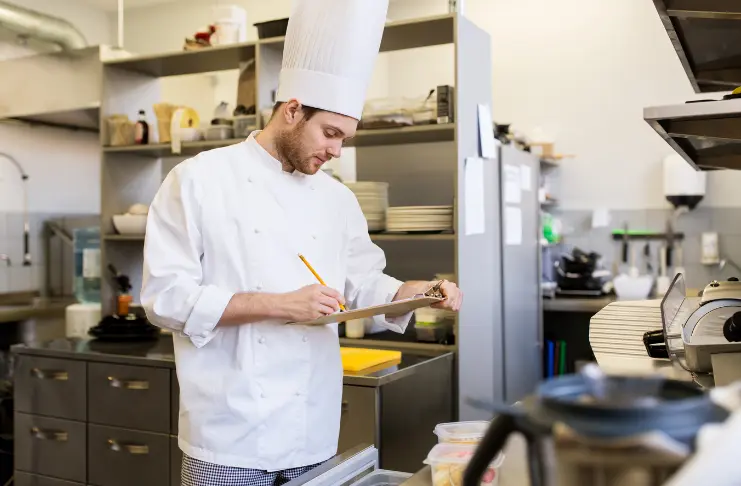
So, we are starting our first line of action by clearly explaining how to build a restaurant equipment inventory list. First, as a restaurant marketer, you must determine the BOH equipment category. We can create a category by function or by restaurant type.
Categorize by Function: A restaurant marketer can divide kitchen equipment into various categories based on their functionality, usage, and importance in the kitchen. He can divide the equipment into cooking, refrigeration, food preparation, cleaning, serving, beverage preparation, safety, and utensils. This segmentation helps highlight each piece of equipment’s specific role in creating a seamless kitchen operation.
We are giving you a readymade template so that you can easily understand the categories and use it to create your list.
Cooking Equipment
Item | Description |
Stove | Used for cooking various dishes |
Oven | Bakes and roasts food |
Grill | Grills meat and vegetables |
Deep Fryer | Fries food items |
Microwave | Quickly heats and cooks food |
Refrigeration and Storage
Item | Description |
Refrigerator | Keeps ingredients fresh |
Freezer | Stores frozen items |
Walk-in Cooler | Provides large-scale cold storage |
Storage Shelves | Organizes and stores kitchen supplies |
Food Preparation Equipment
Item | Description |
Mixer | Mixes ingredients |
Blender | Blends and puree food |
Food Processor | Chops and processed food |
Slicer | Slices meats and vegetables |
Peeler | Peels fruits and vegetables |
Cleaning and Sanitation
Item | Description |
Dishwasher | Cleans dishes and utensils |
Sink | Washes hands, food, and dishes |
Cleaning Supplies | Maintains hygiene in the kitchen |
Serving Equipment
Item | Description |
Serving Tray | Carries and presents food |
Chafing Dish | Keeps food warm during serving |
Food Warmer | Maintains the temperature of prepared food |
Beverage Equipment
Item | Description |
Coffee Machine | Brews coffee |
Smoothie Blender | Blends smoothies |
Soda Machine | Dispenses carbonated drinks |
Safety Equipment
Item | Description |
Fire Extinguisher | Puts out small fires |
First Aid Kit | Provides medical supplies for emergencies |
Safety Gear | Protects staff from potential hazards |
Utensils and Smallwares
Item | Description |
Knives | Cuts and prepares ingredients |
Spoons | Stirs and serves food |
Spatulas | Flips and turns food during cooking |
Tongs | Grasps and serves food |
Essential Equipment by Restaurant Type
The Restaurant Inventory can also be formed according to the type of restaurant. It is self-explanatory that redundant equipment will only fill unnecessary space and bring financial burdens. A restaurant first determines its cuisine and service style to identify the required equipment, such as mobile storage racks, electric ranges, commercial dishwashing machines, and commercial restaurant equipment like refrigeration equipment and prep counters and cutting boards. The market price of kitchen equipment ranges from $15,000 to $200,000, impacting the budgeting process. That also means you need optimization while selecting BOH equipment like cutting boards, coffee makers, and commercial dishwashing machines to ensure you’re efficiently serving delicious food while staying within budget.
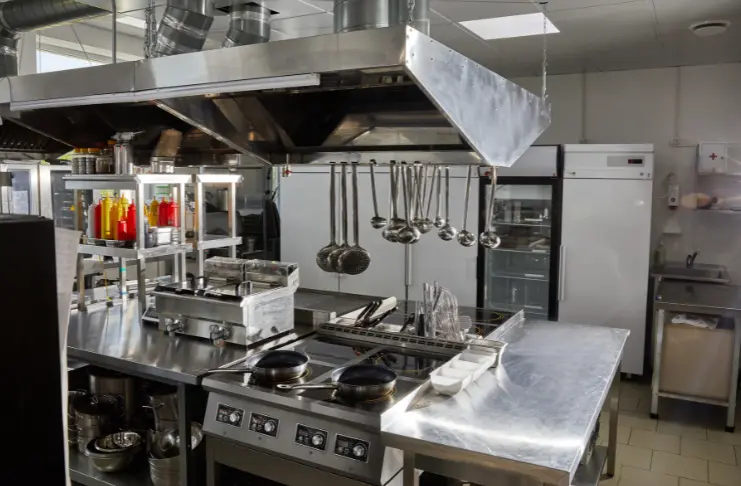
Now, the table given below shows the category division with restaurant type as the base. You can determine your category of restaurant type and check the inventory items.
Fast Food Restaurants
Item | Description |
Deep Fryer | Quickly fries items like fries and chicken |
Griddle | Cooks burgers, pancakes, and other fast items |
Soft Drink Dispenser | Dispenses sodas and other beverages |
Heat Lamp | Keeps food warm until served |
Freezer | Stores large quantities of frozen ingredients |
Fine Dining Restaurants
Item | Description |
Sous Vide Machine | Cooks food evenly at precise temperatures |
Wine Cooler | Stores and chills wine bottles |
High-End Oven | Provides precise baking and roasting |
Meat Slicer | Slices meats thinly for gourmet dishes |
Espresso Machine | Brews high-quality espresso and coffee |
Casual Dining Restaurants
Item | Description |
Grill | Cooks a variety of meats and vegetables |
Pizza Oven | Bakes pizzas evenly |
Salad Bar | Allows customers to create their own salads |
Ice Maker | Provides ice for drinks and food preparation |
Multi-Function Cooker | Versatile cooking for various dishes |
Cafes
Item | Description |
Coffee Grinder | Grinds fresh coffee beans |
Panini Press | Grills sandwiches |
Display Case | Showcases pastries and baked goods |
Blender | Prepares smoothies and blended drinks |
Microwave | Quickly heats food and beverages |
Bakeries
Item | Description |
Stand Mixer | Mixes dough and batter |
Proofing Cabinet | Provides a controlled environment for dough-rising |
Convection Oven | Bakes bread and pastries evenly |
Dough Sheeter | Rolls out dough to uniform thickness |
Display Refrigerator | Showcases refrigerated baked goods |
Bars
Item | Description |
Cocktail Shaker | Mixes cocktails |
Ice Crusher | Crushes ice for cocktails |
Wine Chiller | Keeps wine at the ideal serving temperature |
Beer Tap | Dispenses draft beer |
Glass Washer | Cleans glasses quickly and efficiently |
Equipment Specific to Cuisine or Service Style
Now, essential equipment can be categorize based on a specific cuisine or service style to ensure that each establishment has the specialized tools needed for its unique culinary and service demands. These categories are Italian, Chinese, Japanese, Indian, French, and Buffet service styles.
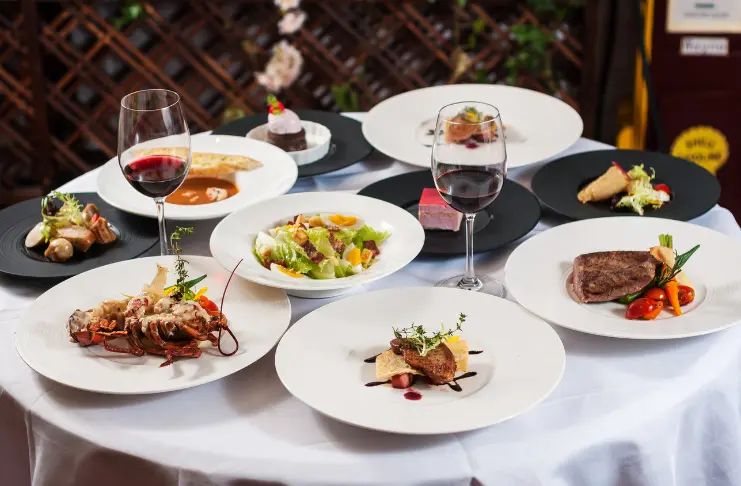
Here is the readymade list for your convenience. .
Italian Cuisine
Item | Description |
Pizza Oven | Bakes pizzas evenly |
Pasta Cooker | Boils pasta to perfection |
Espresso Machine | Brews authentic Italian espresso |
Parmesan Grater | Grates fresh parmesan cheese |
Tomato Squeezer | Extracts tomato juice for sauces |
Chinese Cuisine
Item | Description |
Wok | Stir-fries and cooks dishes quickly |
Rice Cooker | Steams rice perfectly |
Bamboo Steamer | Steams, dumplings and buns |
Cleaver | Chops meats and vegetables efficiently |
Noodle Maker | Prepares fresh noodles |
Japanese Cuisine
Item | Description |
Sushi Knife | Slices fish and other ingredients precisely |
Rice Cooker | Steams rice to perfection |
Teppanyaki Grill | Cooks food on a flat iron griddle |
Miso Soup Bowl | Serves traditional miso soup |
Soy Sauce Dispenser | Provides soy sauce for dipping |
Indian Cuisine
Item | Description |
Tandoor Oven | Bakes naan and cooks tandoori dishes |
Spice Grinder | Grinds fresh spices |
Chapati Press | Flattens dough for chapatis |
Curry Pot | Cooks various curries |
Deep Fryer | Fries, samosas and other snacks |
French Cuisine
Item | Description |
Crepe Maker | Cooks delicate crepes |
Mandoline Slicer | Slices vegetables thinly |
Pâtisserie Oven | Bakes pastries and desserts |
Immersion Blender | Blends sauces and soups |
Duck Press | Prepares traditional duck dishes |
Buffet Service Style
Item | Description |
Chafing Dish | Keeps food warm during service |
Buffet Table | Displays a variety of dishes |
Heat Lamp | Maintains food temperature |
Beverage Dispenser | Provides drinks for self-service |
Salad Bar | Allows customers to create their salads |
Importance of Customized Equipment List
The prudency lies in the Customization of the list. The customized equipment list will further contribute to the success of a restaurant. The reasons are given below:
Efficiency: Proper equipment helps manage orders effectively. Fast food restaurants need deep fryers and grills for quick cooking, while fine dining requires specialized tools like sous vide machines for quality dishes.
Quality: The right tools ensure great taste. For instance, a wood-fired pizza oven in an Italian restaurant produces better pizzas than a standard oven.
Cost-Effectiveness: Investing in suitable equipment saves money over time by boosting efficiency and reducing waste. A blast chiller in fine dining quickly cools food, preserving freshness and reducing spoilage.
Compliance: Specific equipment is needed to meet health and safety regulations and ensure the restaurant operates legally and safely.
Optimizing Your Restaurant Equipment Inventory

Restaurants must have adequate equipment to operate efficiently without overstocking or understocking. Further details are given below:
Use space based on the utility of equipment
The kitchen space must be used considering the utility of the equipment. Those frequently used equipment (pots, pans, and knives) should be placed in easily accessible places to keep the kitchen running smoothly. Less-used items (seasonal equipment) can now be stored in harder-to-reach areas. Multi-functional equipment is also an excellent option to declutter the space.
Functionality vs. Cost
When restaurant owners do a functionality vs. cost analysis, they can make better decisions. In this analysis, it’s crucial to assess if high-end equipment’s extra cost is justified. Let’s take the example of a top-quality grill and analyze its value. Such a grill is essential for a steakhouse due to its frequent use and the need for high performance. However, it might be unnecessary for a café. Multipurpose machines, like food processors that chop, slice, and puree, save money and space compared to having separate devices for each function. While cheaper equipment may save money initially, it could lead to higher maintenance and replacement costs. A cost-benefit analysis ensures smart spending, balancing immediate costs with long-term savings.
New vs. Used Equipment
Many restaurant owners wonder whether to invest in new or used equipment. Used items are cheaper, allowing funds for other areas, and sometimes include almost-new machines. However, they lack warranties, may have hidden damages, and can be outdated.
New equipment is expensive but offers the latest technology, warranties, and better customer support. It ensures compliance with health codes and advanced safety features. We recommend deciding based on your budget and the specific needs of your restaurant and balancing cost savings with potential risks.
Maintaining Your Restaurant Equipment Inventory
It is surprising to know that managing MRO equipment inventory also helps companies get ahead of their competitors. However, restaurant owners also find this aspect of operations difficult. One of them is the challenge of controlling preventive maintenance schedules (a plan for keeping equipment, machines, and facilities in top shape) to maintain health and safety standards.
Inventory Tracking: Tracking kitchen equipment is super essential for restaurant owners. Imagine knowing the exact model numbers, purchase dates, and maintenance schedules for all your tools. This helps save money by monitoring usage and shelf life, ensuring everything works efficiently. For example, a heavily used oven might last 5-10 years, while a medium-use fridge could last 8-12 years. Keeping this information in a simple table helps manage your business more innovatively.
Equipment | Usage Level | Shelf Life
Oven: High, 5-10 years
Fridge: Medium, 8-12 years
Blender: Low, 3-5 years
Fryer: High, 6-9 years
Grill: Medium, 6-10 years
This system lets you know when to replace items and avoid shortages. It’s like having a smart assistant sending alerts for low stocks or upcoming maintenance checks, preventing unexpected issues. Using digital platforms to track maintenance schedules keeps everything organized, ensuring your kitchen runs smoothly.
Regular Maintenance
The Next Part is regular Maintenance of Kitchen equipment. The reason behind this is simple. It affects performance and prevents costly repairs. It also promotes safe practices, thereby ensuring compliance. Let’s understand the benefits in detail.
Peak Performance and Efficiency:
Periodic maintenance of equipment results in peak performance. For this purpose, practice cleaning filters, checking electrical connections, and lubricating appliances. This consistency reduces energy consumption and operational bottlenecks.
Preventing Costly Repairs:
To keep the equipment operational without periodic maintenance can lead to significant breakdowns and expensive repairs. This can be solved by scheduling inspections and promptly addressing minor issues to catch potential problems early. The significant benefits – are the extended lifespan of equipment & no more premature replacements.
Ensuring Food Safety and Hygiene:
The maintenance of equipment in the kitchen also includes cleaning and sanitization, which removes bacteria and leftover food. This activity also includes checks such as keeping refrigerators and freezers at the right temperature, which stops harmful bacteria from growing on food.
Enhancing Safety for Users:
Sometimes, equipment poses a threat at the workplace due to a lack of maintenance. Periodic maintenance identifies potential safety hazards. Plus, routine inspections and repairs minimize the risk of accidents, creating a safer environment for staff.
Compliance with Regulations:
Failing to comply with safety and performance standards in commercial kitchens can lead to severe penalties and operational disruptions. Regular maintenance, however, ensures that these regulations are met consistently.
Common Maintenance Tasks:

Clean Condenser Coils:
Refrigeration units’ condenser coils should be cleaned every three months. This task maintains performance and prevents breakdowns. Use a vacuum to remove dust and follow the unit’s manual.Check Door Gaskets and Hinges:
Inspect and clean refrigerator and oven door gaskets and hinges regularly. Dirty or damaged gaskets can allow air or heat to escape, overworking the equipment. Replace damaged parts as needed.Clean or Replace Filters:
Clean the filters on ice machines, refrigerators, fryers, and ovens every two months and replace them if they are too dirty to ensure proper ventilation and water flow.Care for Combi Ovens:
Combi ovens need routine cleaning and descaling. To keep the oven running smoothly, clean the intake fan weekly and descale according to the manufacturer’s recommendations.
Replacement Planning
Budget for Repairs and Replacements
Replacement planning requires a budget to buy or repair kitchen equipment. When you set a monthly budget, you can allocate 1.5% to 6% to this activity. Now, preplanning will make sure funds are available for any unexpected event.
Assess Equipment Lifespan
We have already mentioned creating a list of equipment with purchase dates and maintenance records. This kind of regular assessment of each item’s condition helps compare repair costs to replacement costs.
Consider Leasing or Buying Used Equipment
Restaurant owners should evaluate the benefits of leasing equipment, including maintenance services and spread-out costs. Alternatively, buying high-quality used equipment can be cost-effective if it’s in good condition and parts are available. This approach balances cost savings with the need for reliable, functional equipment.
Evaluate Repair vs. Replacement Costs
Compare frequent repair costs to the price of new equipment. Replacements are often the better option if repairs cost more than 50% of a new item. Factoring in the availability of parts and future maintenance costs ensures informed decisions that save money in the long run.
Monitor Performance and Efficiency
Track equipment performance with sensors and data analysis tools. Implementing condition-based maintenance to address issues as they arise helps maintain efficiency and prevent unexpected failures. This proactive approach ensures equipment operates optimally.
Train Staff to Identify Issues
Restaurant owners should ensure staff are trained to use equipment properly and recognize signs of wear and tear. Establishing a system for reporting issues during daily operations allows early detection and prevents significant damage, reducing repair needs.
Conclusion
Effective inventory management is crucial for restaurant owners. It helps avoid unnecessary purchases and reduces food waste by up to 10%. This guide covers building, optimizing, and maintaining an equipment inventory list, emphasizing categorization, regular maintenance, budgeting, and staff training.
Implementing these strategies streamlines equipment management, reduces downtime, and enhances customer satisfaction. You can explore suite of products for comprehensive guidance and more detailed solutions.