

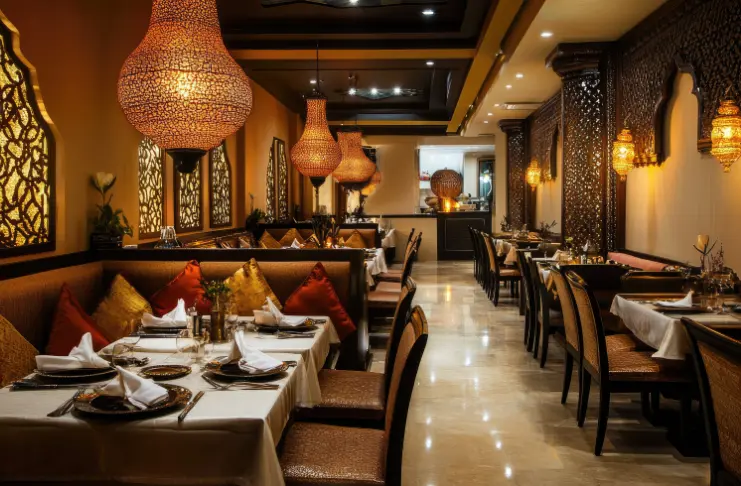
Opening a restaurant in India today means entering a fast-moving market where costs vary sharply by city, format, and scale. Today, increasing real estate costs, rising staff wages, and growing compliance demands are reshaping what it actually takes to launch a successful restaurant.
At the same time, digital infrastructure, demand in smaller cities, and operational tech have made new formats like cloud kitchens more viable, but also more complex in terms of cost. For new operators, this means planning for just capital investment is not sustainable. But accounting for ongoing operational costs is just as crucial.
This blog explores the costs of opening a restaurant in India, both one-time and recurring, across every major category, including rent, equipment, interiors, licenses, staff, inventory, and tech.
Key Factors That Influence Restaurant Startup Costs in India
There’s no universal playbook for restaurant investment in India; what you spend depends entirely on what you’re building. Every decision, from the service model to the design aesthetic to the tech stack, has financial implications. The more clearly these variables are defined upfront, the more accurately you can determine your startup budget.
1. Format and Size
Restaurant costs scale quickly based on the concept you choose. A quick service restaurant (QSR) designed for speed and high footfall requires less capital than a full-service casual or fine dining outlet. QSRs can often function in 300–500 sq. ft. spaces with minimal seating, which keeps rent, interiors, and staffing costs limited.
On the other hand, casual dining formats require larger spaces, more seating, and a layered customer experience, increasing capital outlay. Fine dining ventures go further, factoring in high-end materials, curated ambiance, premium tableware, and experienced service staff.
Cloud kitchens, with no dine-in space, offer a lower entry point, but depend heavily on delivery logistics and digital infrastructure. All in all, dining format fundamentally shapes how and where your money is spent.
2. Location
Rent is one of the largest fixed costs in any restaurant budget, and it varies dramatically by geography. Prime commercial areas in metros like Mumbai or Bengaluru command far higher rates than Tier 2 cities like Jaipur or Coimbatore.
Even within cities, choosing between a high-footfall mall, a standalone outlet in a residential neighborhood, or a shared kitchen facility can alter monthly costs significantly. Visibility, accessibility, and proximity to your target audience all factor into the value of your location.
3. Kitchen Requirements and Staff Size
The type of cuisine and service model dictates the kitchen layout and equipment needed. A North Indian dine-in restaurant may require tandoors, multiple burners, and bulk refrigeration, while a multi-brand delivery kitchen will need a more modular, tech-linked setup.
These choices also affect staffing: self-service or delivery-first formats require fewer front-of-house employees, while full-service concepts must budget for waitstaff, stewards, and supervisors.

4. Design Expectations
Your target customer sets the tone for how much to spend on interiors. A fast-casual brand focused on students or office workers can succeed with functional design and a compact layout. In contrast, restaurants targeting affluent urban diners need to invest in ambiance, layout flow, lighting, acoustics, and material quality, all of which push costs up significantly.
5. Licensing and Compliance
India’s regulatory framework requires multiple licenses before operations can begin. FSSAI registration, GST, local municipal permits, fire safety clearances, and environmental approvals come with both fees and waiting periods. In some cities, consultants are necessary to manage the process, adding to the initial costs.
6. Tech Stack
Technology now plays a foundational role in how restaurants operate day to day. Whether you’re running a dine-in outlet or a delivery-first kitchen, tools like POS systems, inventory management software, kitchen display screens, and customer engagement platforms have become essential.
These systems not only improve order accuracy and inventory control but also reduce dependency on manual processes, especially as volumes grow.
Cost of Opening a Restaurant in India: Initial Investments
Estimating your initial capital needs accurately sets a realistic foundation for any restaurant launch. In India, the total cost to open a small to mid-sized restaurant in 2025 typically ranges from Rs. 15 lakhs to Rs. 1.5 crores or higher, depending on the format, location, and size.
Below is a breakdown of the major one-time costs for starting a restaurant in India.
1. Location
Securing your location accounts for a substantial upfront investment. In metro cities (Delhi NCR, Mumbai, Bengaluru), retail or high-street restaurant spaces usually command a monthly rent of Rs. 150- Rs. 300 per sq. ft. Further, in premium zones such as Gurgaon’s Cyber City or Mumbai’s MG Road, monthly rent can exceed Rs. 300/sq ft.
Additionally, most lease agreements in India feature a security deposit equivalent to 6-12 months’ rent, along with additional brokerage fees and sometimes a rent-free fit-out period. This brings the annual rent totals for 1,000 sq. ft. metro spaces ranging from Rs. 18-36 lakhs, while in smaller cities it may be less.
2. Interior Design and Renovation
Design decisions directly influence first impressions and the capital needed to bring a concept to life. In India’s competitive dining landscape, design often acts as a silent differentiator, influencing dwell time, order size, and return visits.
At the core of design budgeting are four major components: seating and layout, lighting, surface finishes (flooring, wall cladding, ceiling treatments), and decor accents such as art, greenery, or thematic props.
A thoughtfully zoned layout with optimal table spacing improves guest comfort and service efficiency, while cluttered or cramped environments reduce throughput and increase staff fatigue. Interior design and renovation costs can range between Rs. 3 lakhs and Rs. 10 lakhs+, depending on the format, quality of finishes, and creative direction.
3. Kitchen Infrastructure
A commercial kitchen is the foundation of your restaurant, and one of your largest capital expenses. Whether you’re operating a North Indian thali outlet, a South Indian tiffin center, or a multi-cuisine casual diner, the kitchen setup must align with the menu volume, prep style, and food safety standards.
In India, a full commercial kitchen for a 30-50 seat dine-in restaurant typically costs between Rs. 4 lakhs and Rs. 12 lakhs, depending on the cuisine, scale, and grade of equipment.
For a commercial kitchen, some of the key requirements in terms of equipment include-
- Gas ranges and cooking ranges
- Induction cooktops and insta-cook stoves
- Refrigerators
- Undercounter chillers/freezers
- Vertical deep freezers
- Stainless steel worktables
- Three-sink dishwashing units
- Wet grinders/mixers/blenders
- Fresh air inlet systems and chimneys
Investing in modular, easy-to-clean units that are FSSAI-compliant from the start often saves more in maintenance than what it adds to setup cost.
4. Licensing and Regulatory Compliance
Before launching operations, restaurants in India must secure multiple licenses and permits—each serving a different legal or safety requirement. Failing to comply can lead to penalties, delays, or even shutdowns, so this step is non-negotiable.
A. FSSAI license
Issued by the Food Safety and Standards Authority of India, this certifies your restaurant business for safe food handling.
B. Shop and Establishment license
It is mandatory to register your commercial kitchen premises with the local labor department.
C. GST registration
A GST registration is required if your annual turnover exceeds Rs. 20 lakhs.
D. Fire Safety License
Issued by the local fire department, this certifies your kitchen’s fire compliance and is essential for any outlet using high-heat equipment.
E. Municipal health trade license / local permits
Some cities require additional approvals from the municipal corporation, such as environmental clearance, drainage and waste disposal NOC, and building use compliance.
Restaurant operators may also need to apply for a liquor license, music license, lift license, signage license, and more, depending on the location and regulations. In total, licensing and compliance can cost restaurant owners anywhere from Rs. 1 lakh to Rs. 2 lakhs.

5. Technology Setup
Whether or not you plan to operate online initially, basic technology infrastructure is essential. From order-taking to backend visibility, initial tech investments enhance accuracy, transparency, and long-term scalability. A typical restaurant tech setup includes:
A. Point-of-Sale (POS) Sales
A reliable POS system helps manage orders, billing, taxes, and inventory from a central dashboard and can cost between Rs. 10,000 and Rs. 50,000 for the setup, including terminals and software license.
B. Kitchen Display System (KDS)
For streamlined kitchen communication and order accuracy, a kitchen display system replaces traditional paper tickets and integrates with the POS. The costs can come upward of. Rs. 15,000 for screen units and thermal printers.
C. Surveillance Equipment
CCTV, biometric access controls, routers, and modems are essential for both security and real-time monitoring of staff and customer areas. The costs depend on camera quality, storage systems, and network range.
6. Marketing and Branding
Strong first impressions are vital in the competitive restaurant landscape. Investing in cohesive branding and strategic local marketing builds early trust, draws footfall, and helps position the restaurant clearly in the market from day one.
This includes visual elements like the logo, menu design, typography, high-quality signage, and local marketing efforts such as print ads and influencer tie-ups. Depending on the marketing strategy and reach, you can expect to spend between Rs. 1 and 2 lakhs.
Operational Costs of a Restaurant in India
Once the restaurant is launched, ongoing monthly expenses determine both profitability and long-term sustainability. These operational costs vary by city, size, format, and cuisine, but tracking and optimizing them is essential to avoid margin erosion.
Here is a breakdown of key recurring cost categories-
1. Rent and Utilities
Once operations begin, rent becomes a recurring fixed outflow that impacts cash flow month after month. The lease amount rarely changes, but its financial weight increases if sales decline or seasonality affects foot traffic.
Utilities, on the other hand, fluctuate with the restaurant’s operating hours, equipment load, and climatic factors. An outlet running lunch and dinner shifts with a full kitchen setup will spend Rs. 15,000 to Rs. 50,000 monthly on electricity, LPG, and water.
Heavy-duty kitchen appliances like deep freezers, exhaust systems, or electric ovens can spike power consumption, especially during peak summer.
2. Staff Salaries
Labor is a critical operational pillar and a recurring cost that scales with service style. A full-service restaurant with 10-12 staff members may allocate Rs. 1.2 to Rs. 2.5 lakh monthly toward payroll.
- Executive chef: Rs. 1,00,000- Rs. 2,00,000/month
- Kitchen staff (commis, cooks, helpers): Rs. 12,000- Rs. 20,000/month
- Waitstaff or service crew: Rs. 10,000- Rs. 15,000/month
- Restaurant manager or floor supervisor: Rs. 40,000- Rs. 60,000/month
QSRs and cloud kitchens may run leaner with smaller teams, but fine-dining or specialty outlets often require skilled staff, which increases salary expectations, especially in major metros like Delhi or Mumbai.

3. Raw Material and Inventory
Food and beverage inventory represents a large, variable cost that directly tracks sales volume. Most restaurants aim to maintain a food cost ratio of 25%-35% of total sales, depending on cuisine and pricing model.
For example, a restaurant generating Rs. 10 lakhs/month in revenue might spend Rs. 2.5- Rs. 3.5 lakh/month on inventory. Initial inventory stocking may be high due to bulk purchases, but monthly reorders stabilize based on customer demand.
4. Maintenance
Ongoing maintenance of your restaurant space and equipment is necessary for service consistency, food safety, and equipment longevity. Neglecting these essentials often leads to costlier breakdowns or compliance issues later. Common maintenance requirements will include-
- Pest control
- Grease trap cleaning and drain maintenance
- Equipment servicing
In addition to regular upkeep, it is also a good idea to allocate a monthly contingency buffer for unexpected surprise repairs, such as a broken exhaust fan, faulty burner, refrigeration downtime, or plumbing leaks. These unplanned hiccups, if not addressed promptly, can disrupt service and hurt guest experience.