

What are the Different Types of Breweries in India?
Before diving into costs, it’s essential to understand the different types of breweries, each having distinct investment requirements:
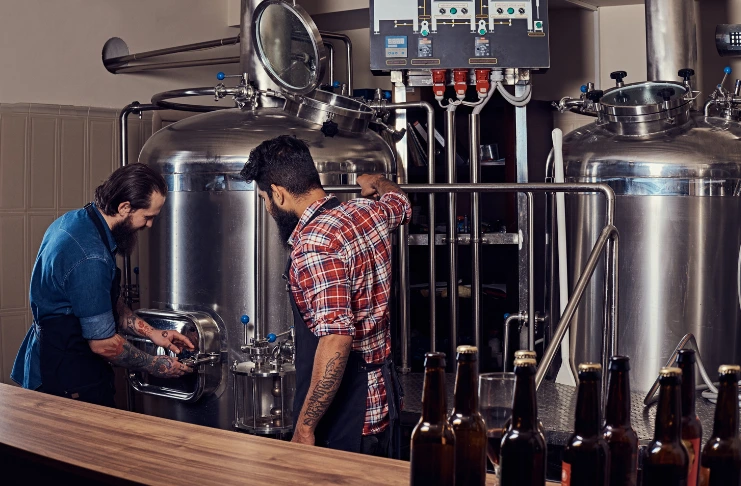
- Microbrewery Business: A microbrewery makes fresh craft beer on-site and serves it directly to customers, often in bars or pubs. It’s compact, trendy, and ideal for urban hangout spots with limited production space.
- Craft Brewery: Craft breweries focus on brewing high-quality beer with unique flavors. They often bottle or keg the beer and sell it to local stores, restaurants, or pubs, targeting a niche customer base.
- Production Brewery: These are large factories that brew beer in huge quantities for mass retail. The beer is distributed nationwide and sold through wholesalers, shops, and bars. It’s a big investment venture.
- Contract Brewing: With contract brewing, you don’t own the equipment. Instead, you rent brewing capacity from an existing brewery to produce beer under your own brand. It is great for reducing upfront costs.
Each type has different regulatory requirements and legal requirements alongside capital expenditures, primarily for brewing equipment and operational licenses. Here’s a detailed breakdown of the key expenses you’ll need to plan for across every stage of setting up and running a successful brewery in India.
1. Location and Setup Costs: What You Need to Know
In major cities like Bengaluru, Mumbai, Pune, and Gurgaon, rental rates typically range from ₹80 to ₹150 per sq ft/month, depending on the locality and proximity to commercial zones. Premium areas in Tier-1 cities like Delhi and Mumbai may push this up to ₹300 per sq.ft/month.
Key Setup Costs Include:
- Rent/Lease Cost: ₹80–₹150 per sq ft/month in Tier-1 cities; higher in prime commercial zones.
- Minimum Space Requirements: 3,000–6,000 sq ft for microbreweries; 5,000+ sq ft for production setups.
- Renovation & Interiors Flooring, drainage, insulation: ₹15–₹25 lakh.
- Electricals & Plumbing Includes water supply, power backups, and load enhancements: ₹10–₹15 lakh.
- Civil Modifications, including brewing system integration, such as trenching, water lines, and exhausts: ₹8–₹12 lakh.
2. Licensing and Legal Costs Requirements
India has a complicated alcohol regulation system that differs by state. Below are the necessary licenses required to start a brewery:
- Brewery License (State Excise): Ranges from INR 5–25 lakhs, depending on the state
- FSSAI License: Around INR 2,000–5,000 per year
- Pollution Control Board NOC: INR 50,000–1 lakh
- Fire Safety Certificate: Varies by municipality
- Trade License: INR 10,000–50,000 annually
- GST Registration: Free but essential for taxation
- Consultancy Fees: Legal and documentation services may cost ₹1–₹3 lakh.
3. Cost of Brewing Equipment: What to Expect

Investing in high-quality brewing equipment is crucial for consistent beer production. The cost depends on production capacity, level of automation, and whether the equipment is locally sourced or imported.
Essential Brewing Equipment Includes:
- Brewhouse (mash tun, lauter tun, kettle, whirlpool): ₹25–₹60 lakh
- Fermentation Tanks: ₹10–₹30 lakh
- Bright Beer Tanks: ₹5–₹15 lakh
- Cooling Systems: ₹5–₹10 lakh
- Water Treatment Plant: ₹3–₹8 lakh
- Boilers and Chimneys: ₹5–₹10 lakh
- Packaging Equipment: ₹10–₹50 lakh (for production breweries)
Estimated Cost:
- Indian Equipment: INR 60–80 lakhs
- Imported Equipment (Germany, Italy): INR 1–1.5 crore
- Installation and Commissioning: INR 5–10 lakhs
4. Raw Material Costs
Using quality raw materials plays a pivotal role in crafting distinct flavors in your freshly brewed beer. The quality and sourcing of ingredients directly impact the taste and consistency of your beer. Here are the common ingredients used:
- Malted Barley: INR 40–70/kg
- Hops: INR 3,000–6,000/kg (imported mostly from the US, Germany)
- Yeast: INR 500–2,000 per batch
- Water Treatment: Setup costs INR 2–4 lakhs; water cost is recurring
A 500-liter batch of beer typically costs around INR 5,000–7,000 in raw materials, depending on the recipe and brewing technique. Local sourcing can reduce costs, but many breweries prefer imported hops and specialty malts for flavor diversity. Monthly raw material expenses can range from ₹1 to ₹5 lakh, depending on production volume.
INDUSTRY INSIGHT
5. Manpower and Staffing
Running a brewery requires skilled personnel across brewing, operations, and customer service. Depending on the type of setup, microbrewery, brewpub, or production unit, the number of employees and skill levels will vary. Typical monthly salaries include:
- Brewmaster: INR 80,000–2 lakh/month (foreign-trained experts command higher salaries)
- Assistant Brewers: INR 30,000–50,000/month
- Service Staff (for brewpubs): INR 15,000–25,000/month per head
- Operations Manager: INR 60,000–1 lakh/month
For a 3000 sq. ft microbrewery, a team of 12–15 people would require a monthly wage bill of INR 3–6 lakhs. Efficient staffing not only enhances beer quality but also supports smooth daily operations across brewing, maintenance, and customer engagement.
6. Interior Design and Furniture

For those planning a brewpub, ambience and customer experience are crucial. This is a one-time investment but contributes significantly to brand appeal. The cost of design depends on the theme:
- Bar Counter Setup: INR 5–10 lakhs
- Furniture: INR 10–15 lakhs
- Lighting & Decor:INR 5–10 lakhs
- Music and Entertainment:₹1–₹5 lakh
7. Marketing and Branding Costs
Even the best craft beer won’t sell without proper branding and outreach. Early marketing efforts help build credibility, attract footfall, and differentiate your beer in a competitive space. Initial costs typically include branding design, a professional website, launch promotions, and digital outreach. For startups, digital channels like Instagram and influencer collaborations are especially effective. Over time, consistent campaigns and community engagement help convert curious drinkers into loyal brand advocates. Here’s a detailed marketing expenses breakdown:
- Brand identity (logo, design, packaging): INR 1–2 lakhs
- Website and digital presence: INR 50,000–1 lakh
- Launch promotions:INR 2–4 lakhs
- Social media campaigns: INR 50,000/month (starting)
8. Utility and Operational Expenses
Daily operations form the bulk of recurring expenses. These include:
- Electricity: INR 50,000–1 lakh/month (depending on production volume)
- Water Supply: INR 10,000–30,000/month
- CO2 & Chemicals: INR 20,000/month
- Maintenance: INR 10,000–25,000/month
- Insurance: INR 50,000/year
9. Technology & Software Costs
Modern breweries rely on software for inventory, billing, and compliance. Important tech tools:
- POS System (₹30,000–1 lakh): Essential for brewpubs, a Point-of-Sale system handles billing, order tracking, and inventory updates in real time. It streamlines customer transactions and integrates with accounting software for seamless financial reporting.
- Inventory & Recipe Management (₹25,000/year): These tools help brewers track raw materials, monitor batch progress, and fine-tune recipes. They ensure accurate ingredient usage, reduce spoilage, and maintain flavor consistency across batches.
- Accounting Tools & CRM (₹20,000–₹50,000/year): Accounting software automates invoicing, payroll, and tax compliance. CRM systems manage customer data, loyalty programs, and marketing campaigns, especially useful for brewpubs and craft beer brands building a community.
Together, these tools optimize brewing process operations, reduce manual errors, and support smarter decision-making. According to market research, over 72% of breweries now use integrated software to manage production, sales, and compliance. Investing in the right tech stack can significantly lower long-term costs while elevating product quality and customer experience.
What are the Key Factors Influencing Startup Cost?
Your total spend when you start a brewery will vary due to:

- State-wise excise policies and tax structures play a major role. Some states like Karnataka offer brewery-friendly regulations, while others impose higher duties and complex licensing.
- The type of brewing equipment also affects cost; imported systems from Germany or Italy are more expensive than locally manufactured ones, but may offer better automation and durability.
- Your scale of operation and target audience. Whether you’re launching a small brewpub or a large production unit will determine space, staffing, and marketing needs.
- The availability and cost of raw materials like malt, hops, and yeast can fluctuate based on sourcing (local vs imported), impacting monthly expenses.
- Lastly, your marketing and positioning strategy, from branding to launch campaigns, can influence upfront costs and long-term customer acquisition.
How to Optimize Brewery Setup Costs?
Many successful entrepreneurs started their microbrewery business on lean budgets and scaled based on performance. Here are a few tips to optimize your brewery costs:
- Start Small: Launching with a limited production capacity allows you to test your beer offerings and brand in the market. Once demand grows, you can gradually scale operations, expand your brewing equipment, and increase output, minimizing financial risk and avoiding upfront overinvestment.
- Lease Equipment: Instead of purchasing expensive brewing machinery, leasing lets you lower capital investment while accessing quality systems. This is especially useful during the early stages when cash flow is tight. It also gives flexibility to upgrade as you grow, without being locked into outdated equipment.
- Outsource Marketing: Hiring external marketing agencies helps you professionally brand and promote your craft beer without building an in-house team. This frees up your budget for essential operations like staffing, brewing, and raw materials, while still reaching your target audience through expert outreach.
- Partner with Consultants: Experienced consultants simplify legal and compliance processes, helping you avoid regulatory delays and penalties. They guide you through state excise rules, pollution norms, and licenses, saving time, minimizing costly errors, and ensuring a smoother setup process for your brewery business.
- Use Indian Suppliers: Buying brewing equipment and raw materials locally reduces shipping and import duties. Indian suppliers offer cost-effective options without compromising quality. This also strengthens supply chain reliability and supports sustainable operations, especially valuable when managing recurring costs and long-term sourcing.
Conclusion
Opening a brewery business in India is like brewing a perfect pint; it demands precision, creativity, and financial foresight. While the initial cost may seem hefty, ranging from ₹1.5 to ₹3.5 crores for microbreweries and beyond ₹5 crores for large-scale operations, every rupee spent becomes a part of your brand’s story and experience.
From choosing brewery-friendly states to optimizing brewing equipment and staffing smartly, there’s room to make savvy decisions that shape long-term success. Think of your investment not just in terms of tanks and taps, but in flavors, atmosphere, and community. With India’s craft beer culture on the rise, your brewery can become more than just a business. Plan wisely, spend smartly, and brew boldly.