
The Average Cost to Open a Coffee Shop
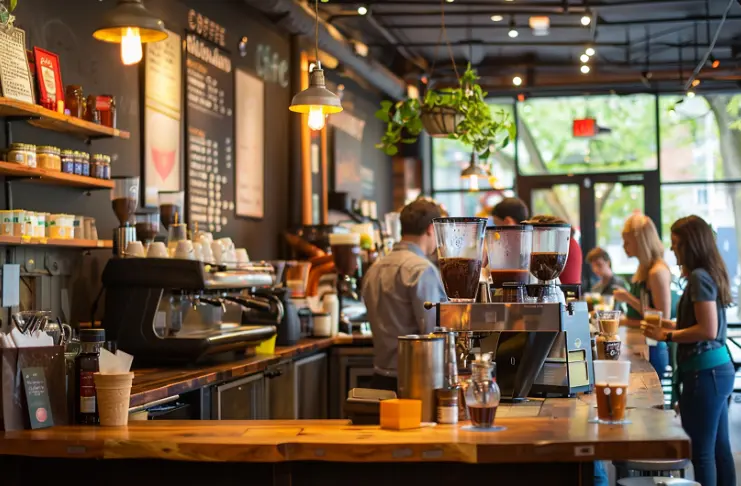
The cost of starting a coffee shop can be relatively lower than that of a restaurant, given it often operates on a smaller scale. However, it can range widely depending on location, licensing requirements, and whether you’re renting a space or starting from scratch.
The most significant cost drivers are typically real estate, construction or renovation, equipment, staffing, and pre-opening expenses, such as marketing.
Additionally, how you plan to serve customers also affects the overall costs. A small mobile cart and a seated café with a drive-thru may both sell the same menu, but they operate with very different footprints, staffing needs, and capital requirements.
Given these variations, opening a cafe may cost anywhere between $50,000 and $400,000, depending on your specific operations. Below is a breakdown of estimated startup costs based on the type of coffee shop you plan to open-
1. Coffee Shop with Seating Only
This is the traditional full-scale café model with seating. Major costs associated with this cafe format include interior design, furnishings, and kitchen equipment. Add to that the costs of staffing, inventory, and working capital for several months, and the estimated startup cost ranges between $100,000 and $350,000.
Additionally, if you choose a prime urban location for your coffee shop, it will push the cost to the higher end of this range due to rent and renovation requirements.
2. Coffee Shop with Drive-Thru Only
Drive-thru-only models prioritize speed and volume over the dine-in experience. It might help you save on the interior and furniture costs. Still, it requires specialized outdoor infrastructure, such as ordering windows and signage, along with site compliance (for vehicles), and higher permitting costs.
Overall, starting a drive-thru coffee shop can cost between $100,000 and $250,000.

3. Coffee Shop with Seating + Drive-Thru
This hybrid model combines the expenses of both sit-down and drive-thru formats. As a result, it requires more square footage to manage both indoor and outdoor foot traffic, additional staffing, and complex buildout plans.
Operating on a hybrid model also means incurring additional permit and licensing costs for parking lot requirements or layout design. This can bring the costs to $120,000 to $400,000. However, it allows you to serve both dine-in and on-the-go customers, improving your earning potential.
4. Coffee Kiosk / Stand
A kiosk inside a mall, office complex, or transit hub has much lower overhead but comes with space limitations. It requires compact equipment, since it offers minimal operational and storage space. Additionally, you may incur substantial leasing fees for high-traffic areas.
As a result, a kiosk coffee shop can cost between $90,000 and $150,000.
5. Mobile Coffee Truck / Cart
Mobile models offer flexibility and lower fixed costs, as expenses vary based on vehicle type, equipment, and licensing. A cart with basic equipment might start at $50,000, while a fully outfitted truck with refrigeration, water systems, and branding can easily top $175,000. This format also demands additional budgeting for commissions, fuel, and mobile permits.
INDUSTRY INSIGHT
A Complete Breakdown of Coffee Shop Startup Costs
Starting a coffee shop is an exciting venture. However, before you consider the business plan, there are several major costs to consider. Here’s a detailed coffee shop cost breakdown to help you get started-
1. Location
Real estate is almost always the first major financial commitment, and its impact extends far beyond the monthly lease. In addition to rent, the location also determines the customer traffic, staffing needs, and even your pricing strategy.
Another factor to consider is the area. Depending on your business type, a coffee shop with dine-in and drive-thru will need up to 1,500 sq ft, while a walk-in coffee shop may need 300-1,800 sq ft. Consider the build-out cost of $150 to $300 per square foot, or the average rental cost of $2,000 to $12,000 per month, depending on the location.
2. Interior
The appearance and ambiance of your coffee shop play a crucial role in attracting customers and keeping them engaged. Interior costs range widely, depending on the concept, but typically fall between $10,000 and $50,000.
Comfortable, well-planned layouts improve customer flow and can help boost efficiency behind the counter. In cities with competitive café markets, investing more in design can also help a new shop stand out, but it needs to be carefully evaluated against other priorities.
3. Utilities
Although less visible, utilities are a meaningful cost to plan for in your everyday operations. A typical shop will spend between $1,000 and $1,200 per month on electricity, gas, water, internet, and waste services for a smaller cafe.
If your building has outdated infrastructure or isn’t rated for commercial use, you may need to incur one-time upgrade costs. Plus, the final amount can also depend on the equipment you are using. For instance, espresso machines and ovens have high power and water requirements.
4. Kitchen Equipment
Your coffee shop equipment is another capital-intensive area. A reliable commercial espresso machine alone costs anywhere from $5,000 to $20,000. When you add grinders, batch brewers, dishwashers, refrigerators, blenders, ovens, and water filtration systems, the total can range between $80,000 and $300,000.
Your menu will heavily influence this number. A coffee-only shop may get by with less than $40,000 in equipment, whereas a café that also serves food will require additional equipment, including prep tables, extra refrigeration, and baking or reheating equipment.

5. Licenses, Permits & Legal Fees
Every state and municipality has different rules when it comes to foodservice, and navigating them takes time and money. Business licenses, food handling permits, signage approvals, and fire inspections can collectively cost between $500 and $5,000.
It’s also wise to budget for legal fees during setup, especially if you’re signing a long-term lease or forming a partnership. Incorporation, trademark filings, and operating agreements usually fall between $500 and $2,000.
6. Inventory and Supplies
Opening inventory is more comprehensive than most anticipate. Beyond coffee and milk, you’ll need to account for additional ingredients like sugar, syrups, cups, as well as cleaning and packaging supplies. Depending on your menu and prep setup, the initial inventory costs can range from $5,000 to $15,000.
Once operations begin, also consider monthly restocking costs, which range between $5,000 and $10,000, depending on the order volume and spoilage.
7. Technology
Technology forms a core part of your guest experience and operational efficiency. From order-taking and payment to reporting, every touchpoint benefits from well-integrated systems. A complete POS setup, including terminals, printers, and hardware, typically requires a one-time spend of $1,200 to $4,000, depending on the scale of your setup.
Then come the recurring costs of POS software subscriptions, loyalty programs, or scheduling platforms, which can add $50 to $200 per month. While these systems incur an upfront cost, they reduce human error, speed up service, and enable owners to track performance in real-time.
8. Staffing and Training
Hiring, onboarding, and training often require an upfront investment of $10,000 to $25,000, depending on team size and experience level. Some shops run paid soft launches or extended training weeks to properly prepare the team, which helps reduce mistakes in the initial months.
After launch, labor cost is your biggest recurring expense. A 7-day operation with two staff can cost $10,000+ per month, depending on wage rates, shift coverage, and how much of the work you delegate or automate.

9. Marketing
Customer acquisition takes more than word-of-mouth, especially when you’re entering a competitive landscape like the coffee shop industry. Before the launch, marketing costs will include expenses for branding, signage, PR, and digital presence, ideally accounting for around 3-6% of the total sales.
Once you’re live, expect to spend $500 to $2,000 per month on campaigns, partnerships, loyalty programs, and local events. Inconsistent or reactive marketing often results in slow starts. Setting a clear strategy early on not only builds visibility but also helps minimize these costs in the long run.
10. Working Capital
Even with strong opening sales, most coffee shops don’t reach breakeven immediately. That’s why operators need to budget for working capital, essentially, a financial buffer to keep the business running through its early months.
As a thumb rule, set aside three months’ worth of operating expenses as working capital, which covers core expenses such as payroll, rent, and inventory replenishment, until revenues stabilize. Having adequate working capital can prevent cash flow crunches.
Franchise vs. Independent: Startup Cost Comparison
For aspiring coffee shop owners, one of the first strategic decisions is whether to invest in a franchise system or establish an independent brand from the ground up.
An independent coffee shop startup requires owners to build everything from scratch. While you retain 100% of profits and make all creative decisions, you also bear full responsibility for operations, marketing, and customer acquisition.
On the other hand, opening a coffee shop franchise means gaining access to an established brand, business model, and ongoing support. Franchise systems typically provide comprehensive training, marketing assistance, equipment packages, and help with location selection and buildout.
However, this structure comes at a cost. According to estimates, total startup investment for a typical coffee shop franchise falls between $200,000 and $500,000+, depending on the brand, concept, and location size.
This includes initial franchise fees, often around $20,000-$50,000, buildout, equipment, and required operating capital. On top of that, franchisees must pay ongoing royalties, typically ranging from 4% to 8% of sales, as well as marketing contributions, which usually account for 1% to 4%.
These fees reduce your control over how revenue is allocated and limit flexibility in menu, branding, and supplier choices.
Here’s a quick cost comparison of franchise vs independent coffee shop-
| Cost Type | Franchise Business | Independent Coffee Shop |
| Initial investment | $200,000 to $500,000 (including franchise fee) | $50,000 to $400,000 (depending on the business model) |
| Franchise fee | $20,000 to $50,000+ | Nil |
| Marketing | 1-3% of sales (required) | 3-6% of the sales (can vary based on the business) |
| Royalties | 4-8% of gross sales | Nil |
| Staff training | Included within the franchise cost | Self-funded |
Common Budgeting Mistakes First-Time Coffee Owners Make
The biggest coffee shop setup costs aren’t always related to overspending. In many cases, it’s poor planning, like underestimating hidden costs or misallocating funds, that causes the most damage.
1. No Contingency Fund
Unexpected spending, like a plumbing issue, an equipment failure, or a health code violation, can disrupt everyday operations and cash flow.
Without a contingency fund, even minor issues can lead to revenue losses. Setting aside 10-15% of monthly operating costs as a buffer helps ensure you can respond quickly.
2. Underestimating Training Costs
Training is often viewed as a one-time line item, but inconsistent staff execution can quickly lead to bad reviews, slow service, and missed revenue. Budgeting for ongoing staff training, not just pre-opening sessions, ensures consistency and improves retention.

3. Overspending on Aesthetics
The cafe design should support service flow, not just look good. Overspending on high-end finishes while neglecting workflow, seating layout, or customer accessibility can impact operations. Instead, focus on functional design aspects that attract the customer and ensure a seamless experience.
4. Ignoring Local Regulatory Fees
Missing permits, licenses, or local code requirements may result in fines or, worse, lead to the shutdown of operations. These costs are often overlooked but can be avoided with research and professional guidance.
5. Not Automating Operations
Manual processes may work early on, but over time, they drain staff bandwidth, slow down service, and increase the risk of errors. Using automated platforms for inventory management, employee scheduling, and POS transactions can streamline daily tasks and maintain consistency.
Conclusion
The costs associated with opening a cafe business may seem daunting, but smart financial planning and budgeting can help you run a successful coffee shop. Multiple factors like location, staff, cafe format, space renovation, and more affect the overall investment.
However, the coffee shop business is a lucrative venture with a high return potential, making it an excellent entry for entrepreneurs in the growing F&B sector.