


The global cloud kitchen market is booming, expected to grow from $61.67 billion in 2023 to $103.3 billion by 2028 at a CAGR of 11.2%. Digital marketing for cloud kitchens takes a different route than traditional restaurant marketing. It’s essential for building an online presence, driving customer engagement, and increasing sales without a physical dining space. This blog acts as a guide on how to make a cloud kitchen successful via digital marketing strategies and capitalize on cloud kitchen growth.
Digital Marketing Strategies
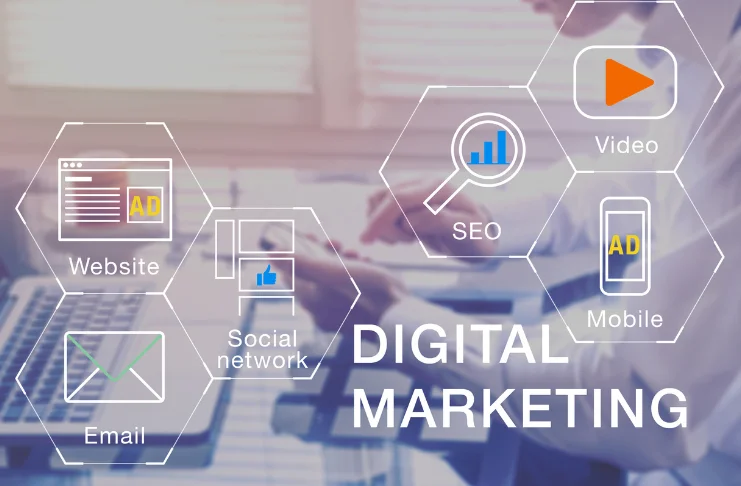
For cloud kitchen marketing, we are going to explain social media marketing in detail. Plus, we will explain paid and organic aspects of content marketing. Additionally, we will understand the analytical part and then online reputation management that will help you stand out in the cloud kitchen business. This is particularly important for independent cloud kitchens and those in the independent cloud kitchen segment. Understanding cloud kitchen market segmentation and the trends within the global market can provide valuable insights and opportunities to differentiate and excel.
1. Social Media Marketing

In this section we will only focus on the social media tactics that are relevant to cloud kitchen marketing in the global market.Whether you operate an independent cloud kitchen or operate multiple brands, cloud kitchen is full of chefs and workers but no visitors. So, to handle any kind of social media marketing, you can hire a social media marketer to do the task. Now, further tips on social media marketing we will mention below.
a. Instagram Marketing for Cloud Kitchens
To make your Instagram page look neat and professional, create a content calendar to complete a grid of 3×3. This approach keeps your page organized and visually appealing. Then , distribute the content format using the 33% rule. This means your content should be divided into three types: Reels, Static Posts, and Stories. By following this rule, you can ensure that the Instagram algorithm picks up your content, increasing your visibility.
Consider these ideas:
Unveiling a Dish: Show the moment when a new dish is ready to be served.
Offering a Heavy Discount: Highlight special discounts available on particular days.
Sharing Reactions: Capture and share the genuine reactions of first-time customers.
Cooking Intricacies: Show the detailed process of cooking a certain dish, giving your audience a behind-the-scenes look.
Interactive Fill in the Blanks: Post a picture of a dish and ask your followers to guess its name.
The above mentioned tips are going to set the base of your Instagram social media marketing. However, if you want to leverage more, then consider the idea of ‘Going Live’. The idea is to make the audience feel the heat of the efforts that you put in cooking your dishes this is a great way to make a substantial mark in the food industry.
The transparency you will create will work as a catalyst because you are showing the process, the hygiene and the time taken for that cuisine. You can invite influencers within the same domain who have a ten thousand plus follower network.
Apart from this, optimization of the instagram page is also important. The ultimate goal is to make it easy for the user to navigate your order link or website. That is why, the Bio section needs to be pruned and sharpened.
Remember: Cloud kitchen chefs are mostly busy catering to orders. So, when it comes to social media marketing on Instagram, it’s crucial to have a dedicated social media executive to handle the task.
b. Facebook marketing for more business
Instagram and facebook both are from the Meta family. This means that you can publish and share the same content on Facebook which you are publishing on Instagram. However, there are some tweaks relevant to facebook audiences that can be deployed.
Facebook cloud kitchen marketing starts with setting up a business page. For that, you need to create high quality banners to show. After that fill the details on the Business page for proper optimization.
Now, the main focus should be on the posting of the content ( videos, post or carousels). You can share the content on Facebook directly via Meta Manager. The important aspect is the caption content. That is where the value can be created. You can set your tone and be very warm and welcoming to the audience.
Example of Facebook Caption Content
Brand name: 800 Degrees Pizza
In the above post , the description is addressing how yummy and crispy the wings are. The bright colors and fun words make the wings look really tasty.
This description is driving value via content and it directly connects to the reader and makes up their mind to do an action.
Tip: The benchmark for the images and videos should be high regardless of their platform.
c. Twitter marketing for more business
For Twitter the cloud kitchen marketing strategy varies a little bit. Before we elaborate it, let’s take a look at one of the twitter pages of The Cheesecake Factory.
You can see that their banner and profile page exactly represent their nature of business, similar to how brands like Rebel Foods, Kitchen United, and Kitopi Catering Services utilize their platforms. Now, think of Twitter as a loudspeaker and feedback booth all in one. Here’s how you can use Twitter to market your cloud kitchen:
Twitter works best with real-time updates. When you create a new dish or have a special offer, tweet about it right away.
Twitter is very conversational, similar to chatting with customers at your food cart. Engage with your followers by replying to their tweets, asking for their feedback about new menu items, and running polls to decide your next special.
Every tweet appears in the feed of your followers, unlike other platforms that might filter your content.
Use Twitter’s features like hashtags to join food trends or local events, and mention usernames when collaborating with other businesses or influencers. Retweets and replies help you interact directly with your audience, making your kitchen feel friendly and personal.
Even if you are a small cloud kitchen venture just starting out, Twitter can help you stand out. Your unique dishes, behind-the-scenes photos, and cooking tips can attract attention and earn you visibility.
Connections on Twitter are very valuable. Imagine being able to tweet at a famous chef or a local food critic and getting a response. These interactions can lead to real-world opportunities, like collaborations or features in food blogs.
How to run ads and events
Now that you understand the basic fabric of social media for cloud kitchen marketing we will shift our focus on the idea of running events, ads and promotions. We are telling you about this after providing the details of social media marketing because, our analysis says that building an audience base should be the first priority for any kind of social media. Then , you can create a funnel for millions of followers to guide them through different stages.
For a cloud kitchen restaurant, these stages include awareness, where people first discover your delicious offerings; Interest, where you capture their curiosity with mouth-watering images and engaging posts; Consideration, where they weigh your menu options through detailed descriptions and customer reviews; Conversion, where they place an order; Loyalty, where you keep them coming back with excellent service and exclusive deals; and Advocacy, where they rave about your food to their friends and followers.
After attaining a certain follower base (say 10 thousand), you can decide to create mini events, promotions that capture the trends and cross channel promotion. Lets understand it with an example of Midtown Foods Nashville.
This promo post from Midtown Foods brilliantly combines essential marketing elements. At the top (1), the prominent logo and location info instantly establish brand identity and trust. The bold promo code “THANKYOU5” (2) grabs attention, offering a clear incentive, while the “$5 OFF” highlight (3) vividly communicates the deal’s value, prompting action.
The engaging caption (4) adds a personal touch, thanking the Nashville community and inviting them to indulge. Coupled with strategic hashtags, this post not only captures attention but also extends its reach, making it a powerful tool for attracting and engaging customers.
Similarly, you can create the post on:
Live music announcement
Activity based event
Rewards on participation
Add value through content marketing
Content is the soul of your cloud kitchen marketing. The visuals satisfy the eyes but the words influence and convince the audience to taste your food. Now the content marketing part contains the research of what kind of content that you are going to publish for your cloud kitchen. It can be long form or short form. Moreover, considering the format of the content is also important.
We recognise that blogs, articles, and informational content influence the readers and shows the seriousness of your cloud kitchen. Plus, the content you create in social media, Emailers, and Videos keeps them connected and add a pinch of entertainment. We can give a general idea of the niche of the content for cloud kitchen marketing however, each cloud kitchen owner comes with their own USP. You can adopt these ideas:
Behind the Scenes
Chef’s Daily Routine
Customer Reactions
Recipe Explainer Videos
Conduct Live Q&A
Leverage Seasonal Promotions
Show Sustainability
2. Build Credibility with organic SEO

When implementing SEO practices for cloud kitchen marketing, avoid overstuffing keywords or using spammy tactics, as Google has become stricter since its March 25th update. Focus on being raw, precise, and organic with your keyword usage, phrases, and FAQs. Research keywords using Google Trends and target those with a monthly volume greater than 1,000. This approach will help you maintain a strong and effective Google search presence, crucial for attracting more traffic to your cloud kitchen.
Ensure your content fulfills user intent and avoids misleading information, as this can harm your credibility and rankings. Stay consistent with obtaining quality backlinks and regularly perform outreach to build your online presence. For example, if “best cloud kitchen in NYC” has a high search volume, incorporate it naturally into your content, such as in blog posts about your top dishes or in customer testimonials, ensuring it aligns with user expectations and provides value.
Online Food Ordering and Delivery Platform Optimization

You may skip this section if you have already registered into an online delivery platform.But if you are still confused or considering some insights then look for these characteristics in online food delivery services:
User-friendly interface
Flawless connection with your systems
Affordable commission rates
Wide client base
Powerful marketing tools.
Sites with real-time order monitoring
Excellent customer service,
Perceptive data analytics
1. Menu means everything
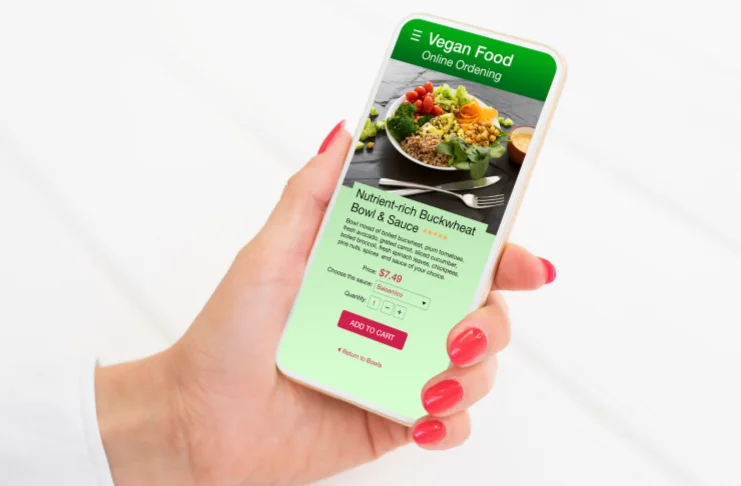
Yes, it means the world to a cloud kitchen chef and to design it, you start with high-resolution photos and compelling descriptions. If you’re looking to optimize your cloud kitchen’s online menu for online food delivery platforms, making high-resolution photos (1080P or more) a daily practice is key. Once you get comfortable with your camera, try different angles to showcase your dishes: side angles of the platter, close-up shots to highlight textures, or the platter elegantly placed on a table. Variety in your photos can make your menu visually appealing and enticing for customers browsing on food online delivery platforms.
When it comes to descriptions, make sure they have an agenda. Your words should connect with your audience and evoke the right emotions without coming across as arrogant or authoritative. As you know that words hold value so when your dish name appears on the menu, such as “Spicy Tuna Roll“, you can add a description ( form of a short tempting story) such as “Our Spicy Tuna Roll features fresh, melt-in-your-mouth tuna, perfectly seasoned rice, and a zesty sauce that brings everything together in a harmonious bite.” This way you can quickly capture the attention of the reader.
2. Integration Technology for effective management
Integration Technology makes your life easier by combining different ordering platforms into one system. This helps you manage all your orders in one place, speeds up your kitchen operations, and lets you analyze customer data more effectively. It’s like having a single dashboard for everything, making your cloud kitchen run smoothly to help in your cloud kitchen market growth.
Brand Building and Identity
Think of your USP as your cloud kitchen’s superpower – what sets you apart from the sea of other delivery-only options? Here’s how to pinpoint it:
Soul Searching: What is your passion (represent it)? Perhaps it is a particular cuisine, distinct flavor combinations, or a dedication to using organic ingredients.
Competitive Snooping: Order from your competition. What are they doing well? What could they do better? Where are the gaps you can fill?
Customer Whispering: Engage with your customers on social media, through surveys, or even directly on delivery platforms. What do they love about your food? What keeps them coming back for more?
Imagine your brand as a personality. One of your goals is to ensure that it is easily recognizable and trustworthy across all touchpoints. You need to work out on the below mentioned aspects to maintain it.
Brand Guidelines
Consistent Content
Employee Training
Customer Feedback
1. Customer Relationship Management (CRM):
CRM builds relations, identifies needs, and exceeds expectations. The main intention is to create a community around your brand where customers feel valued and want to keep coming back. It‘s a way to track every interaction, from the moment they first hear about you to their repeat orders and raving reviews. Here is how you can build more connections.
2. Loyalty Programs: Make Your Audience Feel Special

You can enhance your customer loyalty programs by rewarding your repeat customers with perks they’ll love! Let loyal customers earn points with each order that they can use for discounts or cool goodies. You can also create membership levels with better benefits; as customers level up, you can surprise them with unexpected gifts or discounts now and then. Additionally, offer bonuses for referring friends and provide VIP access to new items or special deals. These rewards keep your loyal customers excited and motivated to come back for more.
3. Customer Feedback: Listen and Learn
Open communication builds trust and improves your service:
Online Reviews: Monitor and respond professionally to feedback.
Social Buzz: Encourage sharing experiences and engage with customers online.
Surveys: Get feedback on food, delivery, and satisfaction.
Direct Line: Make it easy for customers to contact you directly.
4. Local Marketing and Community Engagement
This key to connect with your audience that lives in the proximity of your kitchen. The way to get their attention is through local seo and the continuous involvement in the community. You need to stand out and engage with them and this is how you should do it:
5. Local SEO: Dominate Your Neighborhood
Think of local SEO as your cloud kitchen’s “Open for Business” sign. Here’s how to stand out:
Google My Business: Keep it updated with your best photos and reviews.
Local Keywords: Use phrases like “cloud kitchen near me” or “best [your cuisine] in [your city]” throughout your site.
Get Listed: Register your cloud kitchen on the food delivery apps and online directories.
Local Backlinks: This involves partnerships with local businesses for cross-promotion and link exchanges.
6. Community Involvement: Be a Local Hero

Now, let’s go beyond the virtual world and become an active part of your local community. This is where you can truly build lasting relationships and loyalty.
Sponsor Events: Show your support for local sports teams, festivals, or charities.
Partner with Businesses: Team up with other local shops for joint promotions or events – think cross-promotional discounts or themed menus.
Give Back: Donate a portion of your profits to local causes or charities that resonate with your values.
Engage Online: Join local Facebook groups or online forums to share your story and connect with potential customers.
7. Analytics and Performance Tracking

Let’s turn our attention to the data-driven side of cloud kitchen management. This is where we’ll learn how to measure our marketing efforts and make data-informed decisions.
Sales Data Analysis
When you do the sales, you gather data on a daily, weekly, and monthly basis. The analytics of this data, enhanced by technology and data analytics, help you in setting further lines of action. You can conduct a comparative analysis of weekly sales data to find out the trajectory of orders. A lot of important decisions are dependent upon this comparative analysis. Here we are giving key point indicators, informed by technology and data analytics, to consider for your analysis:
Order Volume
Popular Dishes
Time of Orders
Customer Feedback
Sales by Location
Promotional Impact
Now, let’s talk about measuring the Return on Investment (ROI) for your cloud kitchen or virtual restaurants. Knowing your ROI is essential because it tells you how profitable your investments are.
Marketing ROI: Measure Your Marketing Muscle
To measure the ROI of your cloud kitchen model, you need to look at a few important elements:
Total Revenue: This is the total amount of money your cloud kitchen earns from sales.
Total Costs: This includes all the expenses associated with running your cloud kitchen. Think ingredients, labor, utilities, marketing, and any other operational costs.
Net Profit: This is your total revenue minus your total costs.
Advertising Campaigns: Get Noticed
Now, let’s talk about reaching new customers and boosting your visibility. Here are two key strategies:
Paid Advertising: Target Your Ideal Customer
Google Ads: Target hungry searchers with keywords like “best [your cuisine] delivery.”
Facebook Ads: Reach people based on their interests and location with eye-catching visuals.
Local Ads: Advertise on neighborhood websites or forums for hyper-targeted reach.
Promotions and Offers: Incentivize Orders
Discounts & Deals: Entice new customers with limited-time offers.
Loyalty Programs: Reward your regulars and keep them coming back for more.
Seasonal Specials: Get festive with limited-time menu items.
Off-Peak Deals: Boost sales during slow times with special promotions.
Crisis Management and PR

When you get a negative review, respond fast with empathy. Show a willingness to fix the problem for the customer. Offer a direct way to talk, like a phone number or email, for further discussion. Look into the complaint to find out what went wrong inside the organization. If the review isn’t fair, explain your side politely with evidence. When the criticism is valid, apologize sincerely to the customer. Offer a solution, such as a refund, replacement meal, or discount on future orders, to make amends. Always stay professional and polite, even with tough customers. Keep an eye on online reviews and social media mentions for any negative feedback. By responding quickly and transparently, you’ll protect your brand and show commitment to customer satisfaction.
Conclusion
The above-mentioned marketing lessons are the starting points. Now, Digital marketing includes AI and VR as more modern methods. This means consulting professionals is recommended. Understanding customer preferences and keeping an eye on market trends are crucial, especially since cloud kitchens heavily rely on technology and innovation to stay competitive. The cloud kitchen market size is expanding rapidly, and staying ahead in the cloud kitchen industry requires leveraging advanced tools and techniques.
Frequently Asked Questions
Cloud kitchens are experiencing significant cloud kitchen growth and success, fueled by the increasing demand for online food delivery and changing consumer preferences.
Annual revenue varies greatly depending on factors like location, brand, and marketing. However, the global cloud kitchen market is projected to reach USD 71.4 billion by 2027.
Yes, ghost kitchens (another term for cloud kitchens) are experiencing rapid growth due to the increasing popularity of online food delivery.
The virtual kitchen market is expanding rapidly and is projected to continue growing in the coming years, driven by factors like convenience, cost-effectiveness, and changing consumer habits.
The target market includes busy individuals, families, young professionals, foodies, and cost-conscious consumers who prefer ordering food online.
Profitability varies, but with efficient operations and effective marketing, cloud kitchens can generate substantial profits, with an average profit margin of 15-20%.
A cloud kitchen is a delivery-only restaurant without a physical storefront, operating solely online and focusing on food preparation for delivery and takeout.
The size of cloud kitchens varies depending on the scale of operations and the number of brands being operated from a single kitchen. They can range from small setups to larger facilities.
Marketing strategies include building a strong online presence, partnering with delivery platforms, targeted advertising, loyalty programs, and promotions.
The cloud kitchen concept involves operating a delivery-only restaurant without a dine-in option, focusing on efficient food preparation and delivery through online platforms.