
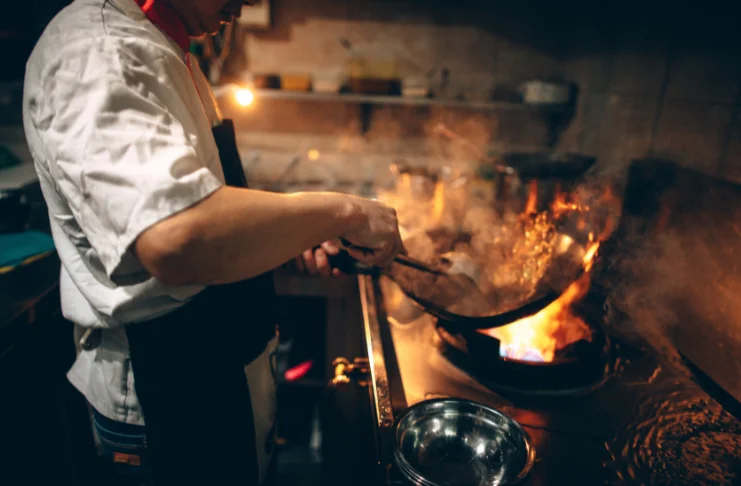
Cloud kitchens are shaking up the food industry in the USA. They’re growing fast, at a rate of 11.8% each year, and big brands are jumping on this trend. In 2021, the real estate company CBRE predicted that ghost kitchens would make up 21% of the U.S. restaurant industry by 2025.
This blog contains the ins and outs of various cloud kitchen models. Ever wondered how a restaurant without tables or chairs works? You’ll learn about single-brand cloud kitchens like Wow Bao, which focuses only on delivery. Discover multi-brand cloud kitchens like Rebel Foods, offering many cuisines in one place. Explore the pros and cons of delivery app-owned kitchens, shared commissaries, and franchises. Finally, see how hybrid models blend different services. Find out which model suits your business best and how to succeed in this exciting food trend.
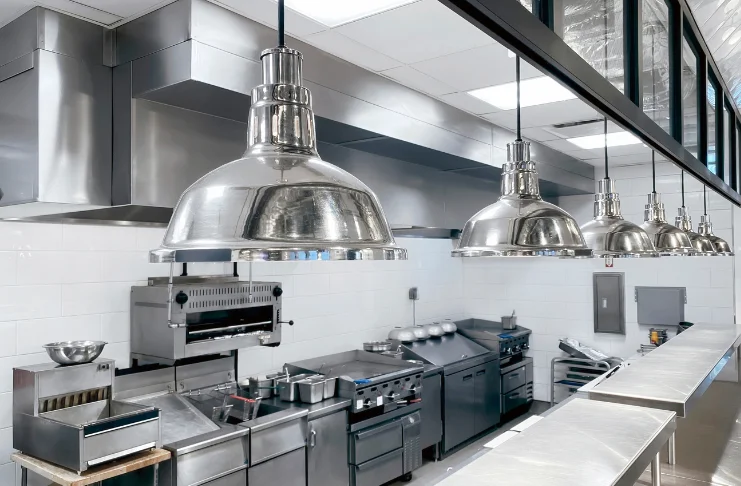
Ever heard of a restaurant without tables or chairs? That’s a single-brand cloud kitchen model! A single-brand cloud kitchen is like your secret kitchen, focusing on just one type of food—maybe your favorite pizzas or awesome burgers. It is a delivery-only restaurant, a concept that’s becoming increasingly popular in the restaurant industry. Unlike a traditional brick and mortar restaurant, these kitchens are set up specifically for delivery, allowing restaurant owners to streamline operations and reduce overhead costs. This innovative approach to dining is reshaping how we think about the cloud kitchen business models and offering new opportunities in the food delivery market.
Famous Cloud Kitchen Example: Wow Bao’s cloud kitchen in the United States represents a single-brand cloud kitchen; it is a brand-owned cloud kitchen that specializes in Asian-inspired foods such as steamed buns, potstickers, and rice bowls, only accepts delivery and takeaway orders, removing the need for a permanent eating location. This focus allows them to refine their menu and manage costs effectively. Their locations in cities like Chicago and New York are in cost-effective industrial areas. Advanced technology helps them streamline operations, manage orders, and maintain quality, ensuring that every dish is fresh and well-prepared.
Concept: The idea of a single-brand Cloud Kitchen is an online-only restaurant that doesn’t have an actual location. Customers use apps or websites to order their favorite meals and give delivery information. The cloud kitchen’s special tablet or system gets these orders and tells the cooks to start making the food. It’s like a virtual restaurant where you can order tasty food and deliver it to your door.
Pros:
Cost Savings: No dining area means you can set up your kitchen in cheaper spots and need fewer staff since there’s no need for waiters.
Focus on Quality: A smaller, specialized menu ensures that every dish is perfect. Less distractions also allow the chefs to maintain high standards for every order.
Flexibility: You can set up your kitchen in various places, even less expensive areas, and it’s easier to open new cloud kitchens to reach more customers.
Efficiency: By focusing on delivery, you can streamline operations and get food out quickly. Advanced software helps manage orders and track deliveries.
Wider Reach: By focusing on delivery, your restaurant business can serve a larger area, reaching more people who prefer eating at home.
Cons:
Limited Customer Interaction: Without face-to-face contact, getting immediate feedback is harder, which helps improve service and menu items. Also, customers miss out on the atmosphere and experience of a traditional restaurant.
Underutilization During Off-Peak Times: Walk-in traffic is necessary for the kitchen to avoid slow periods, affecting overall profits.
Marketing and Brand Awareness: Building your brand can be tougher without a physical location. You should invest more in online marketing to attract and keep customers coming back for more.
2. Multi-Brand Cloud Kitchen
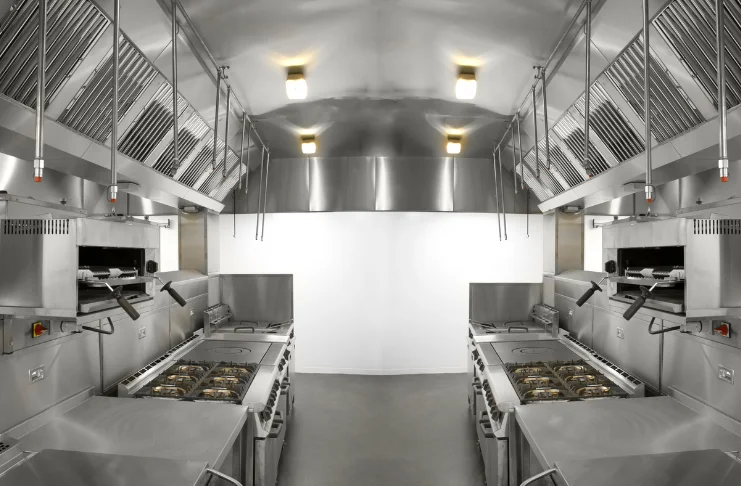
A Multi-Brand Cloud Kitchen is a cloud kitchen model in which several restaurant brands operate out of a single kitchen facility. This arrangement enables different brands, usually under the same parent company, to share resources and infrastructure. Each brand can offer a range of cuisines from the same location, maximizing efficiency and reducing costs.
Famous Examples: All Day Kitchens is a standout example of a multi-brand cloud kitchen in the USA. They operate a network of small, distributed kitchens close to residential areas, allowing quick and efficient delivery. Each kitchen serves food from numerous local restaurants, enabling customers to order from multiple eateries in a single delivery. This model helps local restaurants scale without traditional setups’ overhead costs, enhancing operational efficiency and customer satisfaction. All Day Kitchens has rapidly grown, boasting impressive delivery times and profitability.
Concept: A multi-brand cloud kitchen operates from a single building, sharing resources such as equipment, supplies, and workers. This configuration lowers expenses and increases efficiency. Customers can place orders via numerous delivery apps or straight on brand websites. The kitchen can handle many cuisines simultaneously, and the chefs are educated to maintain good quality across all menu options. Advanced software organizes orders, maintains inventories, and optimizes delivery routes. Once cooked, the food is wrapped and given to delivery drivers, ensuring rapid and efficient service.
Pros:
Cost Efficiency: Sharing kitchen resources reduces costs on rent, utilities, and equipment. Purchasing ingredients in bulk lowers food expenses across brands.
Flexibility and Scalability: By adding new brands or entering new markets, multi-brand cloud kitchens readily grow without requiring additional physical sites, enabling easy testing and rollout of new menu items.
Resource Optimization: Using the same kitchen staff, equipment, and space for multiple brands increases resource efficiency and minimizes downtime.
Market Reach: The more the cuisine is equal, the wider the market reach. Offering a range of cuisines from one location attracts a larger customer base and boosts revenue. Cross-promotion between brands increases overall visibility.
Risk Mitigation: Operating multiple brands reduces financial risk enables testing new concepts, and avoids chances of failure.
Cons:
Operational Complexity: Running multiple brands from one kitchen can be quite challenging, especially during busy times. It requires precise coordination to keep quality consistent across different menus and dishes.
Brand Identity: When several brands share a single space, their unique identities might become blurred, reducing their appeal. Creating distinct and compelling marketing strategies for each brand can also be a tough and time-consuming.
Resource Allocation: Sharing kitchen staff and equipment among different brands can strain resources, leading to slower service and possible mistakes. Managing inventory for multiple brands demands careful oversight to avoid waste and ensure everything is in stock.
Customer Experience: With a physical restaurant, connecting personally with customers is easier, which can impact their loyalty. Relying on third-party delivery services introduces risks like high fees and inconsistent service.
Technological Dependence: A heavy reliance on technology means that any system issues can significantly disrupt operations. Managing large amounts of customer data also increases the risk of breaches, requiring strong security measures.
3. Delivery App-Owned Cloud Kitchen
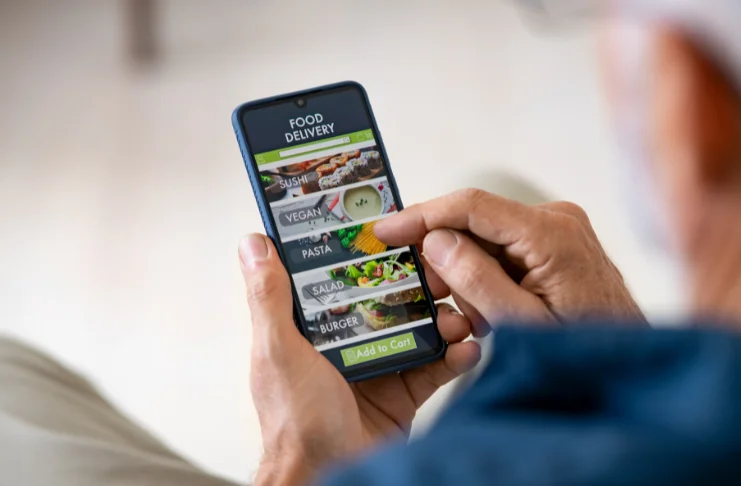
A Delivery App-Owned Cloud Kitchen is a cloud kitchen operated by food delivery platforms. These kitchens prepare food exclusively for delivery without a dine-in option. The delivery app owns and manages the kitchen space, providing infrastructure and technology for various restaurant brands to cook and fulfill online orders efficiently.
Famous Examples: Uber Eats runs virtual restaurants that only prepare food for delivery, using their extensive network to reach customers quickly. DoorDash also operates cloud kitchens where multiple brands cook exclusively for delivery, with locations chosen to speed up service. Meanwhile, Deliveroo’s Deliveroo Editions features a network of cloud kitchens hosting various brands, helping them expand delivery without opening new physical spots. These examples highlight how cloud kitchens are evolving to meet today’s delivery needs.
Concept: Delivery app-owned cloud kitchens (such as Uber Eats) are a strategic combination of food preparation and delivery services. These kitchens are run directly by online food delivery platforms that concentrate only on cooking meals for delivery via their applications. Unlike typical restaurants, they do not serve clients on-site and instead rely on their parent company’s extensive delivery network to complete orders. This concept simplifies operations since the kitchens are designed for speed and efficiency while preparing and delivering orders. These solutions can maintain constant service quality while reducing delivery time by regulating the kitchen and the delivery process. Using innovative technology to manage orders, maintain inventory, and coordinate delivery improves operational efficiency and customer happiness.
Pros:
Cost Savings: By sharing kitchen space, restaurants save money on rent, utilities, and upkeep. They do not need a physical store, so their costs are lower.
Wider Reach: The kitchen’s visibility on popular delivery apps increases its reachability. It can attract more customers without having a physical restaurant. These kitchens can also open in different locations quickly, helping restaurants grow their business faster.
Efficient Operations: Delivery apps provide advanced technology to manage orders and track inventory, making kitchen operations smoother and faster.
Flexible and Scalable: The expansion of cloud kitchens is easy. It can be done by opening new locations or adding new brands without much investment. They can also quickly try out new menu items or concepts to keep up with changing customer tastes.
Data Insights: Delivery apps gather important information about what customers like and how they order. This data helps restaurants improve their menus and make better business decisions. Performance metrics from the app also help restaurants see where they can improve.
Better Customer Experience: Customers enjoy the convenience of ordering from many brands through one app. The reliable delivery service ensures their food arrives on time and as ordered. Plus, having many brands in one kitchen means more choices for different tastes.
Cons:
Limited Control: Restaurants may not have much say in how their brand appears on the app, which can affect its image. Also, the app controls customer data, making it hard for restaurants to connect directly with customers.
High Dependence: Big commission fees paid to the app can cut profits, and any changes the app makes can hurt visibility and earnings. Restaurants have little control over these changes.
Operational Challenges: Managing multiple brands from one kitchen is complex, with different menus and ingredients. Keeping quality consistent across brands is also difficult.
Financial Risks: Setting up a cloud kitchen needs a lot of money for tech, equipment, and training, which can be tough for small businesses. Fluctuating demand can lead to wasted resources and unpredictable revenue.
Customer Experience: Without a physical store, building a personal connection with customers is harder, which might affect loyalty. Relying on delivery services can also lead to high fees, delays, and inconsistent service.
Tech Dependence: Heavy reliance on technology means any tech issues can disrupt operations. Plus, handling lots of customer data increases the risk of data breaches, needing strong security.
4. Commissary/Shared Kitchen Model
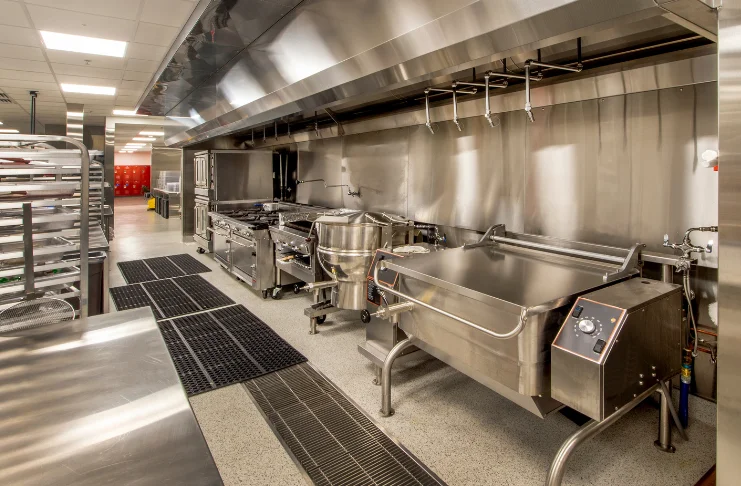
Originally designed for food truck operators’ requirements, the Commissary/Shared Kitchen Model is a commercial-grade kitchen leased by many restaurants. It offers necessary cooking, cleaning, food storage tools, and equipment. This approach lets foodies run without having to pay for a full kitchen.
Famous Examples: The Commissary or Shared Kitchen Model has been instrumental in expanding many famous food brands. For example, the Vancouver, Canada-based Kozu Sushi Pizza serves a unique combination of sushi and pizza out of the Coho Commissary Kitchens. Famous American gyros and platter makers The Halal Guys eliminate the need for additional storefronts by using shared kitchens across many US sites to increase delivery reach.
Concept: Shared kitchens are spaces with pre-installed arrangements of kitchen gear. The commercial kitchen spaces have different chefs, first-timers, food truck owners, and stall owners who can find breakthroughs. They can rent the kitchen by the hour, day, or month. This way, they can cook and sell food without spending too much money.
Pros:
Cost-Effective Option: Renting a shared kitchen is much cheaper than building your own, perfect for new food businesses and startups.
Shared Resources: You can use high-quality, commercial-grade kitchen gear without a big upfront cost.
Potential Collaboration: Working alongside other food entrepreneurs can lead to valuable networking and partnerships.
Scalability: Easily rent more kitchen time or space as your business grows without a huge investment.
Compliance and Safety: Shared kitchens meet health and safety regulations, ensuring you operate legally.
Cons:
Less Kitchen Control: Customization of the kitchen is not possible in shared spaces as the brand does not fully own the place.
Access and Scheduling: The most negative aspect of shared kitchens is that they can get crowded during busy times, making it hard to find a spot to cook.
Increased Costs: While renting a full kitchen is cheaper than owning one, rental fees can still be significant, especially for small businesses.
Brand Recognition and Customer Proximity: Operating from a shared kitchen can limit your ability to build a strong brand identity.
Operational Challenges: Managing operations in a shared space requires careful planning to avoid disruptions and conflicts with other businesses.
5. Franchise Model
The franchise model for cloud kitchens allows you to run your branch of a well-known food brand without needing a full-service restaurant. You pay an initial fee to use their name, logo, and business plan, plus ongoing royalties. In return, the brand provides training, marketing, and support, making succeeding easier. This model is popular because it combines the stability of an established brand with the entrepreneurial spirit of owning your own business.
Famous Examples: Wayback Burgers is a great example of a successful franchise. Launched in 1991, it now has over 170 locations. While most of its outlets are full-service restaurants, it also offers ghost kitchens. Their menu includes burgers, chicken meals, salads, sandwiches, and milkshakes. By opting for a Wayback Burgers cloud kitchen, you save on business costs, enter new markets, and delight customers with premium burgers and other delicious foods without the overhead of a full-service restaurant.
Concept: A franchise model lets you run your branch of a famous brand. You pay an initial fee to use their name, logo, and business plan, plus ongoing royalties. In return, the brand gives you training, marketing, and support, making success easier than starting from scratch. It’s a win-win: the brand expands with less risk, and you get their reputation and customer base.
Pros:
Faster Brand Recognition: Customers will recognize and trust new cloud kitchens faster using a well-known food brand.
Built-In Customer Base: Franchisees take advantage of customer trust and brand recognition, speeding up market entry and boosting initial sales.
Operational help: The owner provides franchisees with thorough training, operational rules, and ongoing help, which lowers the chance that the business will fail.
Standardized Processes: The staff and the owner follow pre-defined processes and systems for consistent service and food quality.
Marketing and advertising: The brand’s marketing keeps the customer aware of new offers.
Cons:
Initial Fees: You’ll need to pay a significant upfront license fee, which adds to your startup costs.
Ongoing Royalties: Regular royalty payments to the company can reduce your overall profits.
Strict Compliance: You have to follow the franchisor’s rules, limiting your ability to make independent decisions.
Limited Customization: To maintain brand consistency, you can’t change much about the menus, marketing tactics, or operations.
Operational Constraints: There are limits on where you can source goods, pricing, and the kinds of promotions you can run.
Innovation Limitations: Sticking to the franchisor’s model can restrict your creativity and make adapting to local market trends tough.
Corporate Cloud Kitchens
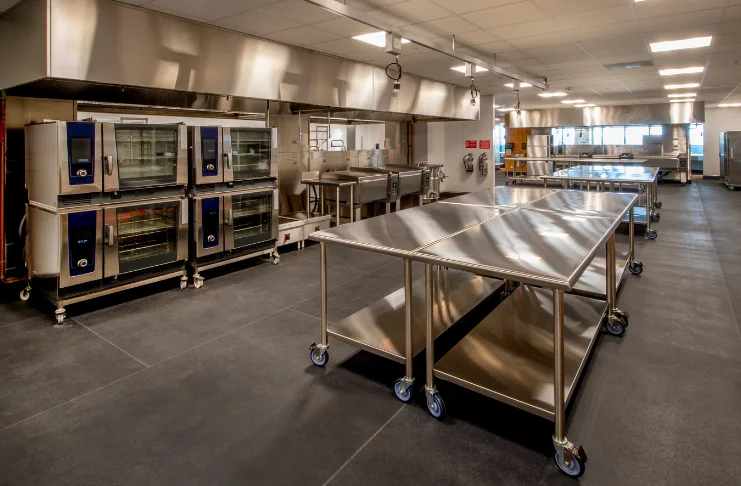
Think of it as a big, shared kitchen where several restaurants cook their meals. These kitchens, also called ghost kitchens, don’t have dining areas. These ghost kitchen models instead focus on online orders and delivery through apps like Uber Eats or DoorDash. This setup helps keep costs low and reach more customers without needing a physical restaurant.
Conclusion
After researching the numerous restaurant models, their advantages, and drawbacks, it’s time to choose which one best meets your company’s objectives. Whether you opt for pop up locations, a delivery only business model, or a virtual kitchen, the choice depends on your target market and resources. Some may find dark kitchens or a central kitchen appealing for their low overhead and efficient production. Whichever model you decide on, choosing the right tech partner is important to control costs and streamline operations. An integrated kitchen display system can be crucial for managing the entire business operation, from order taking to food preparation. Additionally, leveraging the right marketing channels will help you reach your audience effectively and maximize your restaurant’s visibility and success.
Frequently Asked Questions
Cloud kitchens can make substantial income due to lower overhead costs and high demand for delivery services. Successful ones often surpass traditional restaurants in profitability. However, exact earnings depend on location, market demand, and operational efficiency.
Cloud kitchens can be both B2B and B2C. They enable restaurants and brands to operate delivery and takeout locations without a storefront (B2B), while also facilitating direct sales to consumers (B2C) through online platforms.
Cloud kitchens are quite successful due to low overhead costs and high profit margins. They are popular among food entrepreneurs and established restaurants for expanding delivery services. Success, however, depends on factors like location, market demand, and operational efficiency.
CloudKitchens, founded by Travis Kalanick, provides shared kitchen spaces for multiple food brands. They enable delivery-only food services by offering necessary infrastructure and technology.
Kitchen United in the USA provides shared kitchen spaces for multiple food brands to operate delivery-only services. They partner with various restaurants and virtual brands, offering a streamlined solution for food preparation and delivery.
In the USA, cloud kitchens, also known as ghost kitchens, are commercial food preparation facilities for delivery-only brands. They rely on online ordering platforms without having physical dining areas.
Cloud kitchens offer lower startup and operational costs, flexibility, and the ability to reach a wider audience through delivery platforms. They allow businesses to focus on food preparation and marketing without managing a physical restaurant.
Yes, cloud kitchens are worth it due to their cost-effectiveness and potential for high profit margins. They are ideal for startups and small businesses looking to enter the food industry with minimal risk.
A cloud kitchen is a commercial kitchen used solely for preparing food for delivery. They do not offer dine-in or take-out options, focusing exclusively on delivering fresh, made-to-order meals.
Yes, you can operate a cloud kitchen from home, primarily taking orders from online platforms or phone calls. This setup doesn’t require a dine-in area and can be a cost-effective way to start a food business.
CloudKitchens continues to expand, providing infrastructure for delivery-focused food businesses. They have grown significantly, helping numerous brands operate efficiently in the food delivery market.