
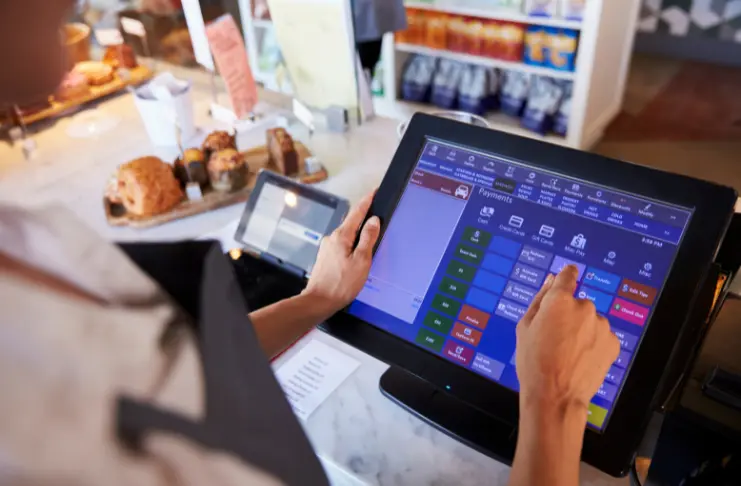
For restaurant owners, every operational decision has a direct impact on revenue. Long wait times, poor coordination with the kitchen, or inefficient ordering workflows affect both customer satisfaction and profit margins.
Yet many restaurants still rely on fragmented systems involving manual billing, inventory sheets, and paper-based ordering, which create inefficiencies that are hard to detect until they hit the bottom line.
A robust POS system addresses these challenges for Malaysian restaurant owners by acting as the operational hub for their restaurant. Modern solutions consolidate ordering, payment processing, inventory tracking, and reporting into a single platform, giving owners real-time visibility into sales trends, stock levels, and staff performance.
This visibility enables faster decision-making, reduces waste, and helps identify opportunities for upselling or menu optimization. If you’re looking for the best POS system for restaurants in Malaysia, this guide explores the top systems that help streamline your operations.
KEY TAKEAWAYS
- Malaysian restaurants are increasingly adopting POS systems to improve operational efficiency and manage digital ordering.
- Cloud-based POS platforms offer scalability for multi-outlet management and hybrid dine-in/delivery operations.
- Features like reporting, inventory tracking, and loyalty integration are critical for data-driven decision-making.
- Selecting the right POS requires aligning features with business model, budget, and growth plans.
Best POS System for Restaurants in Malaysia
Choosing the right POS system can determine how efficiently your restaurant operates day-to-day. In Malaysia’s rapidly digitizing F&B sector, modern POS solutions manage everything from table orders and kitchen coordination to real-time reporting and multi-outlet control.
Here are some of the best POS systems designed to meet the diverse needs of restaurants in Malaysia-
| POS System | Overview | Benefits | Pricing |
|---|---|---|---|
| Restroworks | Cloud-based restaurant management platform designed for multi-outlet and high-volume restaurants in Malaysia. | Scalable across multiple outlets, strong reporting and analytics, and robust POS and digital ordering ecosystem. | Custom pricing |
| Eats365 POS | A modular system with features like KDS, mobile ordering, and self-ordering kiosks. | Flexible modular design with support for hybrid dine-in and delivery. | Starting at $29/month |
| StoreHub | All-in-one F&B solution with table management and analytics focus. | Centralized multi-location management, detailed analytics. | Starting at $39/month |
| FoodZaps | Cloud POS optimized for small to medium restaurants. | Granular inventory control and mobile ordering reduce errors. | Starting at $9.90/month |
| LightSpeed | Cloud-based POS suitable for medium to large restaurants with multi-location needs. | Strong reporting and staff management with an intuitive interface. | Starting at $189/month |
1. Restroworks
Restroworks is a complete restaurant management software built for high-throughput F&B operators and multi-location restaurants looking to streamline their operations from a central location.
It unifies ordering across multiple channels, payments, inventory management, suppliers, menu management, and more into one cloud platform with offline continuity.
One of its strengths includes a modular ecosystem: along with a POS system, restaurants can add a Kitchen Display System (KDS), self-ordering kiosks, or mobile ordering tablets to their tech stack as they scale. This flexibility helps operators in Malaysia adapt to shifting diner preferences, whether it’s dine-in, takeaway, or delivery.
Trusted by over 23,000 outlets worldwide, it helps diverse formats like QSRs, fine-dining, cloud kitchens, food courts, and hotels gain more control over their everyday operations and overall performance.
Key Features:
- Real-Time Menu Management: Managers can instantly push price changes, update menu item availability, and run seasonal promotions across outlets.
- Flexible and secure transactions: The system supports flexible payment options within one interface, allowing faster checkout and secure transactions. This is particularly valuable in Malaysia’s diverse payment landscape, where digital wallets, cards, and cash all remain common.
- Customizable Workflows: Different restaurant formats can customize workflows and access according to staff roles, so servers, cashiers, and managers each see functions most relevant to their responsibilities. This reduces training time and helps minimize operational errors.
- Seamless Integrations: With more than 500 integration options, Restroworks can connect to delivery aggregators, accounting tools, loyalty systems, and ERPs into one system, allowing restaurants to extend their ecosystem without being locked into one vendor’s suite of tools.
- Advanced Reporting and Analytics: The platform offers 200+ enterprise-grade reports, giving managers complete visibility into sales, financial, and operational performance. Insights can also be accessed through the Cockpit App, which allows owners to monitor KPIs in real time from anywhere.
Pros:
- Seamless payment gateway integration
- Quick order punch-in
- Role-based access
- User-friendly interface with minimal staff training needed
- Apply tailored offers in real-time
- Add menu images, descriptions
Cons:
- It may be a little complex for small restaurant businesses.
Pricing: Customized pricing based on the requirements of the restaurant
2. Eats365 POS
Eats365 is a cloud-based POS that centralizes operations for restaurants with multiple outlets or high-volume service. With a unified dashboard for sales tracking, staff performance, and inventory across locations, it helps managers make timely, data-driven decisions.
It helps streamline order processing through a robust KDS and integrates seamlessly with major delivery platforms, reducing manual entry errors and improving operational efficiency. For Malaysian operators managing both dine-in and delivery orders, Eats365 offers real-time oversight and smoother coordination across all channels.
Key Features:
- Cloud-based platform automatically syncs changes across all outlets.
- Orders are sent directly to kitchen displays instead of printed tickets for real-time updates.
- Seamless integration with industry-leading solutions.
- Offers multilingual capabilities, enabling restaurants to cater to a diverse customer base.
Pros:
- Provides centralized management across multiple stores
- User-friendly interface
- Comprehensive customer support
- Restaurants can add more modules as they scale
Cons:
- May require a longer setup time
Pricing: Eats365 POS offers three paid plans starting $29/month for small restaurants with limited features.
3. StoreHub
StoreHub is a POS system designed to streamline restaurant workflows and retail businesses across Southeast Asia. With a range of features like inventory tracking, payments, and QR ordering, StoreHub POS helps you manage inventory, sales, staff, and customer loyalty from a single platform.
Its user-friendly interface and cloud-based operation allow you to monitor and control business operations remotely, ensuring efficiency and flexibility.
Key Features:
- Guests can scan a QR code at their table to view the menu, place orders, and make payments directly from their smartphones.
- StoreHub supports various payment methods, including cash, credit/debit cards, and QR-based payments.
- Real-time analytics for sales performance, inventory levels, and staff productivity.
- If you have multiple outlets, StoreHub allows centralized management of all locations.
Pros:
- Integrates various functionalities into a single platform
- An intuitive interface ensures quick adoption
- Suitable for businesses of all sizes
Cons:
- Users report inconsistency in reporting and poor customer service.
Pricing: Paid plans start at $39/month for small businesses.
INDUSTRY INSIGHT
The demand for POS systems in Malaysia’s retail and food service sectors is rising by over 15% annually, driven by the growing adoption of digital payments and omnichannel business models.
4. FoodZaps
Next is FoodZaps, a unified POS system designed specifically for the F&B industry, offering a comprehensive suite of tools for smooth operations. It features a unique offline mode, which ensures continuous operation even during internet outages.
This capability is particularly beneficial if your restaurant operates in an area with unstable internet connectivity. FoodZaps also provides customizable menus, detailed reporting, and analytics to help restaurant owners make informed decisions.
Key Features:
- Get access to comprehensive reporting tools and analytics for sales, menu performance, highest-selling items, billing, inventory levels, and more.
- The system includes functionalities for managing receipts and transactions to better control your money.
- Maintain customer profiles, track ordering habits, and offer personalized promotions.
- Use a queue display feature to manage customer flow, reduce wait times, and improve the overall dining experience.
Pros:
- Ensures uninterrupted service during internet outages
- Designed for ease of use
- Centralized data management
Cons:
- The device may lag
Pricing: The paid plans start at $9.90/month with limited features and go up to $139.90/month for full features and customization.
5. LightSpeed
Lightspeed Restaurant is a cloud-based POS system tailored for full-service and quick-service restaurants. It offers a range of features to enhance operational efficiency, including customizable menus, detailed reporting, and multi-location management.
Lightspeed Restaurant is suitable for medium to large restaurants seeking a scalable and flexible POS solution.
Key Features:
- Lightspeed enables businesses to tailor their POS interface to their unique needs.
- The tool offers integrated reservation management for a smoother customer experience.
- Offers integrated payment processing via multiple payment methods.
- Consolidate delivery, dine-in, and takeaway restaurants on one platform.
Pros:
- Highly scalable solution
- Cloud-based access
- Seamless checkout experience
Cons:
- Complex setup
Pricing: LightSpeed offers three paid plans starting at $189/month, with a customizable plan available.
Why Does Your Restaurant Need a POS System?
As restaurants in Malaysia face operational complexities, whether it is managing high customer volumes or juggling multiple service channels like dine-in and delivery, POS systems have become crucial to their workflows.
Malaysia’s restaurant POS software market is estimated at around MYR 250 million, with a CAGR of 7%, reflecting rising demand driven by increased dining out and digital payments adoption. Here’s what shifting to a POS system can mean for your restaurant business-
- Streamlined Order Management: POS systems facilitate seamless communication between front-of-house and kitchen staff, reducing order errors and ensuring timely food preparation. This integration enhances the overall dining experience and operational flow.
- Real-Time Inventory Tracking: Automated inventory management monitors stock levels, predicts demand, and minimizes wastage, leading to cost savings. With a proactive approach, you can ensure menu item availability is always up-to-date, preventing potential revenue loss.
- Efficient Billing and Payment Processing: Integrated payment solutions make the checkout process quick with support for various payment methods. Faster and secure checkouts lead to increased table turnover and happier guests.
- Seamless Menu Management: Running low on an item? With the right POS system, you can adjust availability, highlight specials, or offer promotions on the fly, minimizing waste and maximizing revenue per sale.
How to Choose the Right POS System for Your Restaurant?

1. Assess Your Business Model
The type of restaurant you run largely determines the POS features you need. Quick-service outlets benefit from tools that streamline ordering and kitchen operations, while full-service restaurants often require tools for managing tables, taking reservations, and offering flexible billing options.
2. Evaluate Features
Identify the core functionalities essential to your restaurant operations before exploring advanced tools. Inventory management, staff scheduling, reporting, and menu customization are common features, while others, such as loyalty programs, online and QR code ordering, or multi-channel integration capabilities, can add extra value to your restaurant business.
3. Consider Budget Constraints
A POS should fit within your operational budget without compromising critical needs. Consider upfront installation fees, monthly subscriptions, and additional costs to determine the true long-term expense.
Many providers also offer the ability to tailor the software to a restaurant’s specific workflows, so it’s best to communicate your requirements and get an accurate quote.
4. Scalability
Choose a system that grows with your business. As you expand to multiple outlets or add services like delivery, your POS should adapt seamlessly without requiring a complete overhaul. Scalable systems save costs and ensure operational consistency.
5. Customer Support
Reliable support and training resources are crucial for smooth adoption. A provider that offers ongoing assistance, troubleshooting, and regular updates ensures your staff can use the system effectively and reduces downtime during technical issues.
6. Check for Cloud-Based vs. On-Premise
Cloud-based POS systems offer real-time access to orders, inventory, and reporting from anywhere, making multi-location management and remote monitoring seamless. They offer greater flexibility, automatic updates, and easier integration with digital ordering and payment platforms, making them a business ideal.
Conclusion
Malaysia’s restaurant sector is at a point where digital adoption will differentiate businesses that merely survive from those that grow. A POS system has evolved from just a transaction tool to a framework that manages pricing, staffing, inventory, and guest experience.
As consumer expectations shift toward faster, cashless, and more personalized dining, the right POS will help operators stay competitive in an increasingly crowded market.
Frequently Asked Questions
Most restaurants use cloud-based POS systems because they offer flexibility, remote access, and integration with various third-party payment, loyalty, or delivery platforms. POS systems like Restroworks and StoreHub offer scalable platforms that suit both independent outlets and multi-location chains.
In Malaysia, POS is commonly referred to as a “Point of Sale system” or “restaurant POS.” It serves as the centralized system for managing orders, payments, and operations in the food and beverage (F&B) industry, particularly as cashless and digital adoption continue to grow rapidly.
Restaurant POS costs vary widely, typically ranging from $60 to $250 per month for subscriptions. Hardware like tablets, printers, or terminals adds extra expenses, making total setup costs between $1,000 and $5,000, depending on business needs.
Gordon Ramsay’s restaurant reportedly used TouchBistro, a cloud-based restaurant POS built to handle fast-paced, high-volume operations. Known for its user-friendly interface, the platform helps restaurants manage reservations, process payments efficiently, and generate detailed performance reports.