
In a digital business world, smartphones reign supreme, and the restaurant industry is no different. With a staggering 53% of diners using their mobile phones to search for local restaurants, the importance of leveraging mobile marketing marketing for restaurants cannot be overstated. This simply means that if your restaurant is not optimized for mobile marketing, you’re missing out on many hungry customers. On the other hand, with an effective mobile marketing strategy, you can turn those browsing phone screens into bustling tables.
Understanding the Importance of Mobile Marketing for Restaurants
Mobile marketing for restaurants is key to building strong customer relationships. Look at Starbucks’ app: it rewards loyalty, offers convenient mobile phone ordering, and allows for secure mobile payments. This creates a smooth experience that keeps customers returning, just like a successful mobile marketing strategy should.
Diners are going mobile! 49% use phones to research and order. Mobile marketing gets your restaurant in front of them, with targeted ads and high search rankings. Moreover, mobile marketing campaigns can be easily tracked and analyzed to see what’s working and what’s not and optimize your strategy for better results.
Exploring mobile marketing channels, which encompass text, social media, email, and apps, can significantly enhance how you connect with customers on their tablets and smartphones, offering personalized and location-based marketing opportunities.
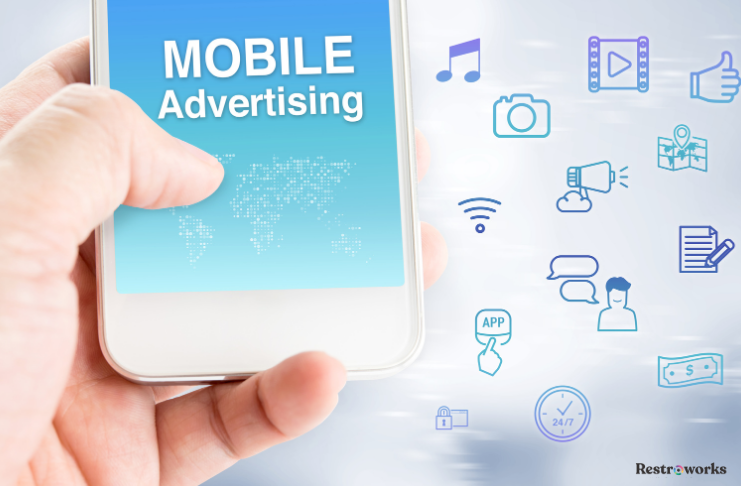
Mobile Marketing Vs Traditional Marketing
|
Feature |
Mobile Marketing |
Traditional Marketing |
|
Reach |
Targeted to specific demographics and locations based on mobile data |
Border reach, may not be as targeted |
|
Channels |
Mobile apps, SMS marketing, social media, location-based services |
Print ads (newspapers, magazines), TV commercials, radio ads, billboards, flyers |
|
Engagement |
Interactive, allows for two-way communication with customers |
One-way communication, limited customer interaction |
|
Measurability |
Easy to track and analyze results using metrics |
Measuring effectiveness can be more challenging |
|
Cost |
Can be cost-effective depending on the strategy |
Can be expensive, especially for broadcast media |
|
Customization |
Highly customizable based on user data and preferences |
Limited customization options |
|
Focus |
Driving immediate action (e.g., online orders, reservations) |
Brand awareness and building long-term relationships |

9 Effective Mobile Marketing Strategies for Restaurants
Let’s look at the nine most effective mobile marketing strategies for restaurants.
To truly excel in the competitive restaurant industry, it’s crucial to incorporate mobile marketing for restaurants into your strategy. Embracing these components can significantly enhance your ability to reach a broader customer base through smartphones and other mobile devices. By leveraging the latest digital marketing methods and understanding the evolving customer behaviors, especially the increasing reliance on mobile for web traffic, restaurants can implement effective mobile marketing strategies that drive successful results and improve their bottom line.
1. Local SEO Optimization
People on the go use mobiles to look for restaurants nearby. Keywords like “Restaurants near me” or “food near me” commonly appear in the top 20 search results for many restaurants, as per Google insights. Therefore, top restaurants use keyword research tools like Ahref, Moz, or even Google Ad Planner to identify and include such keywords throughout their website content. When it comes to local SEO, optimizing your Google My Business (GMB) listing with such keywords can also increase your restaurant’s visibility in local search results.
2. Customer Reviews
Did you know that 72% of customers trust online reviews as much as personal recommendations? Mobile marketing can help you leverage this power! Here are some tips to turn happy customers into online advocates:
1. Encourage Positive Reviews: Make it easy for satisfied diners to leave glowing reviews on your mobile-friendly website or app. Include clear calls to action after orders are placed.
2. Respond to All Reviews: Maintain a positive and professional tone in your responses, even for negative reviews. Thank reviewers for their feedback and acknowledge any concerns they raise.
3. Show Appreciation & Take Action: For positive feedback, express gratitude and highlight the dish or service mentioned. For negative reviews, offer solutions or incentives (e.g., free dessert) to encourage future visits.
4. Personalize Whenever Possible: Use the reviewer’s name and mention the specific dish they commented on. This shows you’re genuinely listening to their feedback.
5. Emojis: Use Sparingly & Strategically: Emojis can add a touch of personality, but use them sparingly and ensure they align with your brand voice.
Here are some replies that you can get inspired from while responding to your next customer – link

3. Social Media Engagement
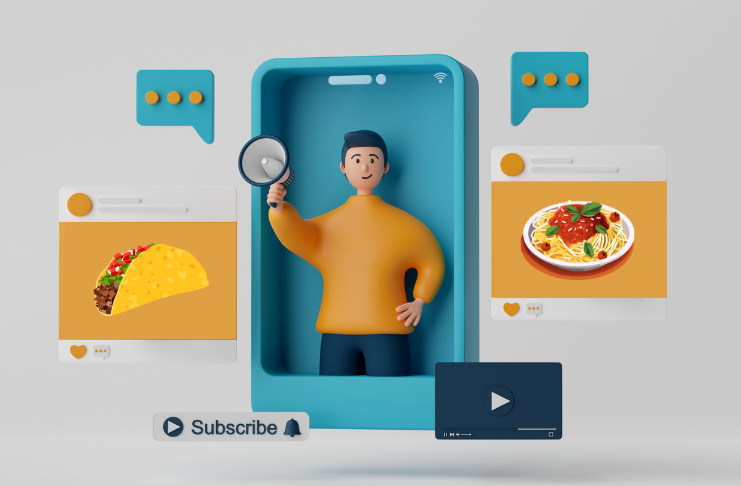
Using mobile marketing tactics, restaurants can advertise their brand, menu products, and deals on social media sites like Facebook, Instagram, and Twitter. Posts and advertisements optimized for mobile devices can also target particular geographic and demographic groups.
Social media platforms also offer restaurants the chance to share interesting information, such as images and videos of their food, behind-the-scenes looks, client endorsements, etc. By ensuring the content is ready for mobile reading and sharing, mobile advertising strategies increase its potential for engagement and reach.
Additionally, restaurants can swiftly reply to reviews, messages, and comments on social media, which promotes consumer happiness and a feeling of community.
Mobile ads are also essential for successful viral marketing campaigns. Restaurants can expand their customer base by reaching a wider target audience through viral mobile marketing campaigns on social media platforms.
4. Mobile-Friendly Websites
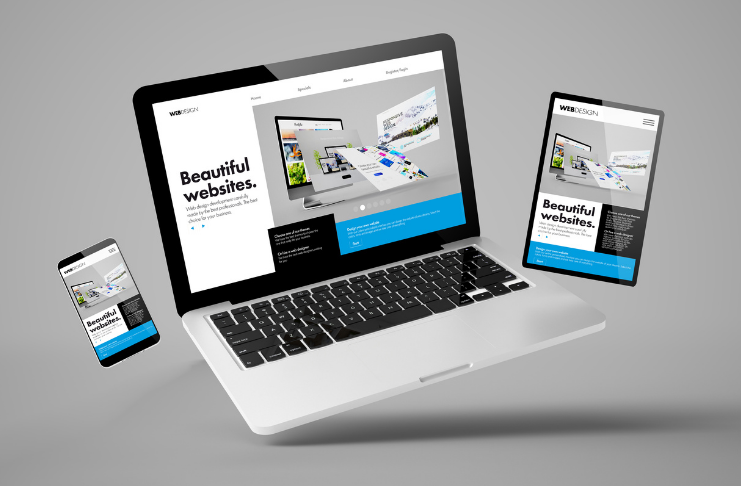
Around 80% of customers like to order food from a mobile-friendly website. It clearly shows that having a mobile-friendly website is no longer a luxury for restaurants; it’s an absolute necessity. If your website is clunky and frustrating to navigate on a small screen, your potential customers might give up and go elsewhere. A mobile-friendly website should be able to show clear menus, easy-to-find contact information, and offer an easy reservation process. It requires choosing a responsive design, optimizing images and code for faster loading speed, and using large, clear buttons to offer an optimum viewing experience to your customers.
How to Make Your Website Mobile-Friendly:
- Responsive Design is Key: Choose a responsive website design that automatically adjusts to fit any screen size, from desktops to smartphones.
- Speed is King: Optimize images and website code for faster loading times. Mobile users are impatient – a slow website means lost business.
- Tap-Friendly Navigation: Use large, clear buttons that are easy to tap on a touchscreen.
Consider using Google’s free PageSpeed Insights tool to assess your site’s mobile-friendliness and get specific recommendations for improvement.
5. Online Ordering Systems
Online food ordering has grown 300% faster than dine-in, accounting for roughly 40% of total restaurant sales. With an annual growth rate of 8.29%, the projected U.S. market volume is expected to reach $466,472 million by 2026. That explains why 92% of all top-performing restaurants offer mobile ordering systems to their customers.
Online ordering also minimizes errors compared to the phone ordering system. Customers can see the menu, customize orders, and leave any cooking instructions that might feel challenging over a phone. Most importantly, you can use the data from the mobile ordering system to identify popular dishes, analyze ordering trends, and personalize your marketing efforts accordingly.
6. SMS Marketing
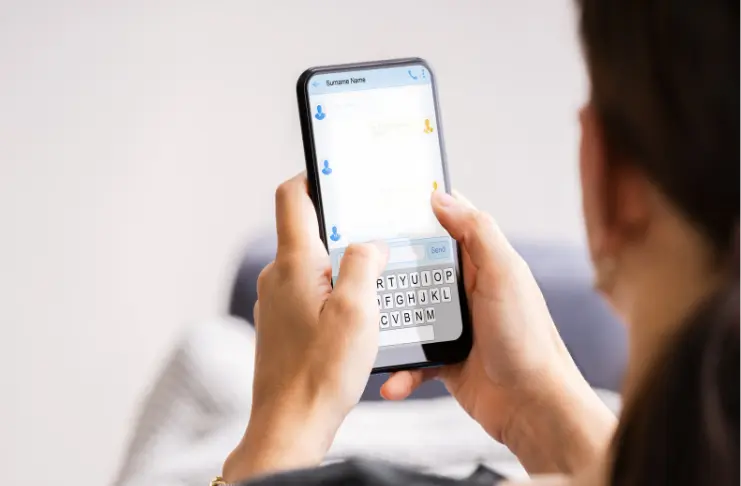
Do you know SMS messages have a 98% open rate? Unlike emails that often remain buried in inboxes, most SMS texts are read within 3 minutes of receipt. This near-guaranteed delivery straight to a customer’s pocket makes SMS marketing a highly effective medium for reaching your target audience. There is a simple blueprint to master SMS marketing.
When starting, you can grow your subscriber base organically by offering incentives for signups, like discounts or exclusive offers. Then, segment your customers based on demographics, preferences, or order history. Send them relevant and timely messages like lunch specials, happy hour deals, or weekend brunch promotions. Remember, keep your messages concise and valuable to make the strategy work in your favor.
Here are 10 ideas to help you plan your next SMS marketing campaign – link
Incorporating push notifications into your mobile marketing strategy can further enhance direct communication with your customers, serving as a powerful tool alongside SMS marketing.
7. Mobile Loyalty Programs
Customer loyalty programs, designed to reward customers for their continued patronage, play a crucial role in customer retention and engagement, encouraging them to return to your restaurant more frequently. As per a survey by Deloitte, nearly 47% of restaurant loyalty members use their memberships several times a month. Surprisingly, even 32% of customers leverage loyalty memberships several times weekly.
These statistics show how loyalty programs translate to increased sales and revenue over time. To encourage maximum participation, the program should be easy to sign up for, and the redemption process should be clear and effortless. Consider building a tired system where customers earn increasing rewards as they spend more or visit more often.
8. QR Codes
QR codes have become a powerful tool for mobile restaurant marketing in recent years. They became a trend after the rise of contactless interactions due to the pandemic. Customers simply scan the code with their phone’s camera to instantly access your website, menu, and special offers.
Additionally, QR codes offer great customization and flexibility. For instance, you can customize QR codes with your official brand logo and link them to different destinations depending on your campaign goals. It is a best practice to put them in high-traffic areas where customers are likely to see them, such as table tents, menus, window displays, or receipts.

9. Location-Based Marketing
Let’s not confuse location-based marketing (LBM) with local SEO efforts. While local SEO is all about getting found by people searching for restaurants, LBM is about reaching out directly to people who might be hungry and in your vicinity. One of the best ways to leverage LBM is to create virtual fences around your restaurant or competitor locations. When a mobile device with location services enabled enters the geofence, you can trigger targeted ads or messages. You can also choose to partner your restaurant with popular delivery apps like Grubhub or DoorDash to connect hungry users with your restaurant.
8 Common Mistakes to Avoid in Mobile Marketing
- Do Not Target Carelessly
The marketing team often gets carried away with the process and blasts their messages to everyone. Targeting everyone wastes resources and dilutes your impact. Conversely, going hyper-specific might miss valuable customers. So, it is imperative to research your potential customers by age, location, and dietary needs. Then, tailor your message to resonate with their interests and cravings. This will help you maximize your ROI.

- Ignoring Your Local Advantage
Mobile marketing is all about creating impact at the right place and time. If you’re missing the chance to target hungry customers nearby, you’re missing a big chunk of the profit. Imagine someone searching for “lunch specials,” and your ad features a delicious midday meal!
- Mixed Messages, Confused Customers
Your mobile marketing should be an extension of your brand identity, as inconsistency creates friction for users. For instance, imagine a sleek, modern website but a clunky app. When your messaging, visuals, and brand voice are consistent across all marketing channels, customers easily connect with you, no matter how they interact.

- Don’t Set It and Forget It
Mobile marketing trends are constantly evolving. What worked yesterday might not be effective today. Regularly review your strategy, analyze your campaign performance, and track audience trends to make informed marketing decisions. If you just set the marketing funnel and leave it be, you may fail to adapt to changing customer needs and keep pace with the industry.
End Thoughts
The future of mobile marketing is all about personalization, convenience, and building a strong connection with your customer base. As technology evolves, restaurants can expect to work with even more innovative mobile marketing strategies, like augmented reality (AR menus and voice-based ordering. Having the right marketing tools is crucial to stay ahead of the curve. In this regard, leveraging cloud software management software can help restaurants streamline mobile marketing from a single platform. Additionally, utilizing third party delivery apps is an important tool for restaurants to maximize sales and meet customer demands, offering a seamless integration with existing systems and avoiding the complexities of in-house delivery logistics.
Frequently Asked Questions
There is no single best marketing strategy for restaurants. The ideal approach depends on your target audience, restaurant niche (Chinese, Indian, continental, etc.), and budget. However, irrespective of the variables, some essential marketing strategies should include mobile-friendly websites, online ordering, social media marketing, loyalty programs, and local SEO optimization.
The 7Ps of marketing are:
- Product
- Price
- Place
- Promotion
- People
- Process
- Physical evidence
There are a few key strategies. First, develop a mobile-friendly website that is easy to navigate and loads quickly on phones. Second, utilize social media platforms like Instagram, Facebook, and TikTok to share mouthwatering food pics and your restaurant atmosphere. Invest in SEO, LBM, and online Ads to target and convert customers based on their demographics.
Restaurants are leveraging both traditional and modern marketing strategies to scale their business. Traditional advertising methods like print ads or radio commercials are still effective. However, restaurants’ most popular digital advertising methods are social media ads, search engine marketing, LBM, mobile app advertising, and online directories.