
Key Areas of Restaurant Staff Training
1. Customer Service Training
Providing excellent customer service is crucial for any restaurant. Training restaurant staff to communicate effectively, handle complaints professionally, and deliver memorable experiences ensures customer satisfaction. Key areas include:
- Active Listening: Understand customer needs. For example, if a customer mentions an allergy, the staff should ensure the kitchen avoids using the allergen.
- Conflict Resolution: Handle complaints calmly and offer solutions.
- Personalization: Remember regular customers’ preferences.
2. Operational Training
Operational training focuses on familiarizing employees with restaurant workflows, equipment use, and daily operations. When you train restaurant staff in operational processes, efficiency increases, and mistakes decrease. Important aspects include:
- POS System: Efficiently takes orders and processes payments. For example, they should know how to split bills and apply discounts seamlessly.
- Order-Taking: Ensure employees follow standardized procedures for accurate order-taking, including confirming orders and noting special requests.
- Inventory Management: Teach staff to manage inventory levels, record changes, report shortages, and conduct regular stock checks to avoid running out of items.

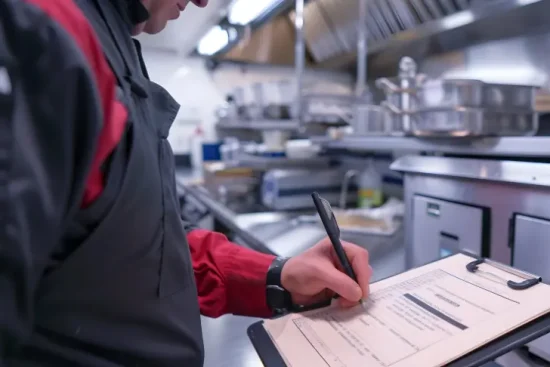
3. Food Safety & Hygiene Training
Food safety is non-negotiable in the restaurant industry. Proper training ensures compliance with health regulations and protects customers from foodborne illnesses. Essential topics to cover include:
- Food Storage: Separate raw and cooked foods. For example, raw meats should be stored on lower shelves.
- Sanitation: Emphasize regular cleaning and sanitizing of kitchen surfaces, utensils, and equipment.
- Cross-Contamination: Educate staff on preventing cross-contamination by using separate cutting boards and utensils for different types of food.
4. Sales Training
Training restaurant staff to sell effectively boosts revenue. Equip employees with product knowledge and upselling techniques to maximize order value. Key components include:
- Menu Knowledge: Ensure staff are well-versed with the menu, including ingredients and preparation methods, to make informed recommendations.
- Suggestive Selling: Train staff to suggest items that complement the customer’s order, like recommending a side salad with a pasta dish.
- Upselling: Teach staff to identify and promote high-margin items, like encouraging customers to upgrade their drinks or add a dessert.
5. Soft Skills Training
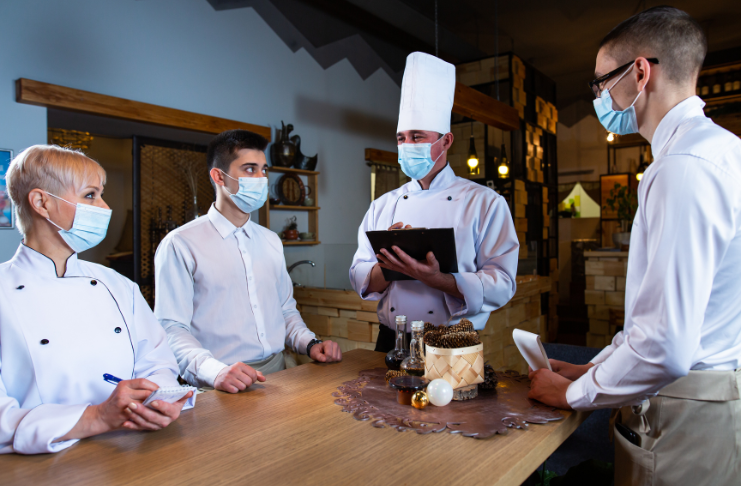
Soft skills training enhances communication, teamwork, and problem-solving abilities. When you train restaurant staff to work collaboratively and manage stress, the overall work environment improves. Focus on:
- Teamwork: Foster a team-oriented culture by encouraging staff to support each other. For example, servers can assist each other during busy periods.
- Time Management: Train staff to manage their time effectively, prioritize tasks, and multitask. They should balance taking orders, serving food, and clearing tables without compromising service quality.
- Adaptability: Prepare staff to handle high-pressure situations calmly. During peak hours, they should stay composed, communicate clearly, and focus on excellent service.
INDUSTRY INSIGHT
8 Effective Techniques for Training Restaurant Staff
1. Role-Specific Training Programs
Restaurants have diverse roles, each requiring specific skills. Implementing role-specific training ensures staff members understand the unique responsibilities of their positions. This type of training provides clarity on job expectations, builds confidence, and increases efficiency.
- Servers: Training focuses on customer interaction, order-taking, and upselling techniques. For instance, role-playing exercises can help servers practice recommending high-margin items like desserts or signature cocktails.
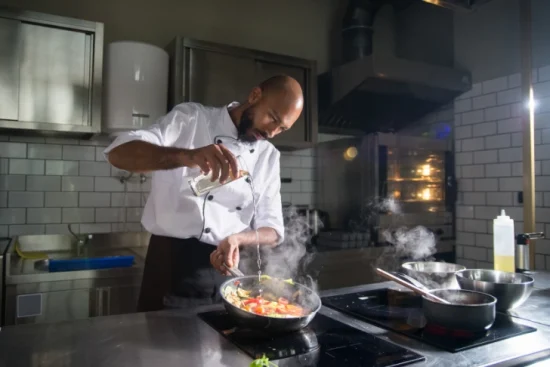
- Chefs: Emphasis on food preparation, kitchen safety, and plating standards.
- Hosts: Training includes reservation management and greeting protocols.
2. Enhancing Customer Interaction Skills
Customer interaction training goes beyond polite greetings. Staff must learn how to read customer cues, respond to complaints gracefully, and engage guests in a friendly yet professional manner. Role-playing exercises, for instance, simulate real-life scenarios, helping employees practice their responses to various customer situations.
Example: A server could learn to recommend a popular dessert when they see a guest looking at the menu. Training might also teach them how to deal with difficult customers kindly and professionally.
3. Focusing on Teamwork and Collaboration
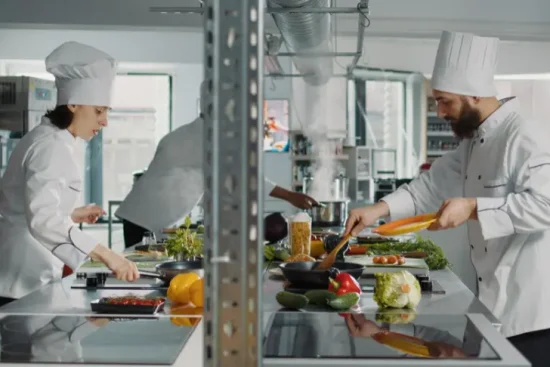
A well-functioning team is essential for smooth operations during peak hours. Training should emphasize collaboration, effective communication, and mutual support. Cross-training staff in multiple roles can also enhance team cohesion, as employees better appreciate each other’s responsibilities.
Example: Doing group activities like having kitchen staff help out front can build teamwork and respect. For instance, when chefs help serve customers, they better understand what guests want. Restaurants do well with teamwork. Plan team-building exercises to help staff work together and communicate better. Service becomes faster and better when you train restaurant staff to work as a team.

4. Upselling and Cross-Selling Techniques
Upselling and cross-selling require a mix of product knowledge and persuasive communication. Staff should be familiar with the menu to confidently recommend items that enhance the dining experience. Training sessions can use scripts, real-time practice, and mock scenarios to build these skills.
Example: When a guest orders a steak, a server could suggest a glass of wine or a side dish that goes well with it. With good training, these recommendations will sound natural, not forced. This makes the dining experience more enjoyable for the guest.
5. Managing and Resolving Customer Complaints
Even the best restaurants face customer complaints. Equip your team with problem-solving skills and a customer-centric mindset. Training restaurant staff to handle complaints calmly and offer satisfactory solutions helps retain customers.
Example: If a dish is served cold, the server should sincerely apologize, offer a replacement, and maybe provide a free item. Role-playing these situations during training helps staff handle them confidently and calmly. This way, they can ensure the customer leaves happy and satisfied.
6. Food Safety and Hygiene Training
Proper hygiene practices protect customers and comply with health regulations. Training should cover safe food handling, sanitation procedures, and the correct use of cleaning agents. Interactive demonstrations and routine assessments reinforce these practices.
Example: Kitchen staff might take part in drills to practice proper handwashing techniques, check temperatures for perishable items, and correctly clean kitchen equipment. These drills ensure everyone knows how to keep food safe and the kitchen clean. This way, the restaurant meets health standards and provides a safe dining experience for customers.
7. Integrating Technology in Service
Technology plays a significant role in modern restaurant operations. Train restaurant staff to use various tech tools and systems effectively:
i) POS Systems Training: Imagine a busy evening at your restaurant with several guests eagerly waiting to place their orders. Efficient use of the point-of-sale (POS) system can significantly affect service speed and accuracy.
Why it Matters: Train restaurant staff to be proficient in using POS systems for various tasks, such as taking orders, processing payments, and managing reservations. A well-trained staff member can quickly navigate the POS system to enter orders accurately, apply discounts, split bills, and process refunds seamlessly. This reduces wait times, minimizes errors, and enhances customer experience.
Training Focus:
- Familiarize staff with the layout and functions of the POS system.
- Teach how to input orders, apply discounts, and manage reservations.
- Ensure staff know how to process different payment methods, including cash, credit cards, and mobile payments.
- Provide practice scenarios to build confidence and efficiency in using the system.

ii) Learning Management Systems (LMS): Consider a new employee who needs to complete mandatory training modules before starting their first shift. An LMS can streamline this process, ensuring the employee receives comprehensive training without disrupting daily operations.
Why it Matters: Utilize LMS platforms to track and manage training progress, ensuring all staff complete their training modules. An LMS lets you deliver training content online, making it accessible anytime and anywhere. This flexibility is especially beneficial for new hires and ongoing staff development.
Training Focus:
- Introduce staff to the LMS platform and its features.
- Assign mandatory and optional training modules based on roles and responsibilities.
- Monitor progress and completion of training modules to ensure compliance.
- Provide feedback and support to staff as they complete their training.
iii) Digital Checklists & Task Management Tools: Picture a scenario where the restaurant needs to prepare for a busy weekend. Digital checklists and task management tools help ensure that all prep work and daily tasks are completed consistently and efficiently.
Why it Matters: Implement digital checklists and task management tools to ensure operational consistency and streamline daily tasks. These tools help staff stay organized, prioritize tasks, and maintain high standards of cleanliness and service.
Training Focus:
- Train staff on how to access and use digital checklists for daily tasks, such as opening and closing procedures, cleaning schedules, and inventory checks.
- Teach staff to use task management tools for assigning and tracking tasks, ensuring accountability and timely completion.
- Encourage staff to provide feedback on the usability of the tools and suggest improvements.
8. Continuous Feedback and Performance Assessment
Performance reviews should be constructive, focusing on strengths and areas for improvement. Regular feedback helps employees stay motivated and aligned with service standards. Training programs should include methods for self-assessment, peer feedback, and manager evaluations.
Conducting monthly check-ins where managers discuss performance metrics, customer feedback, and personal development goals can significantly enhance employee engagement and retention.
Develop a Comprehensive Training Plan
Step 1: Identify Training Objectives
Start by defining clear, measurable goals for your training program. Determine what skills and knowledge are necessary for each role in your restaurant. Outline specific learning outcomes you expect from the training. For example, a server might need to master the menu, learn upselling techniques, and handle customer complaints professionally.
Step 2: Customize Training Programs
Tailor the training content to address the unique needs of different roles within your restaurant. Use a mix of theoretical knowledge and practical exercises to keep the training engaging and relevant. For instance, kitchen staff might need hands-on practice with food safety protocols, while front-of-house staff might benefit from role-playing customer service scenarios.
Step 3: Create a Training Schedule
Develop a structured training timeline that includes onboarding for new hires, ongoing education for all staff, and regular refresher courses to keep everyone up-to-date. Balance training sessions with the operational demands of your restaurant to ensure minimal disruption. For example, schedule short training sessions during off-peak hours or set aside specific days for training.
Step 4: Use a Variety of Training Methods
Include diverse training techniques to cater to different learning styles and keep the training interesting. Some effective methods include:
- Hands-on Practice: Allow staff to learn by doing, which is particularly useful for tasks like food preparation or using the POS system.
- Online Learning Modules: Provide flexibility and convenience, allowing staff to complete training at their own pace.
- Workshops and Seminars: Offer in-depth learning opportunities on specific topics, such as customer service or team-building.
Step 5: Monitor Progress and Adjust Accordingly
Track the effectiveness of your training program using performance metrics and employee feedback. Regularly assess whether staff are meeting the learning outcomes and identify areas that need improvement. Adjust your training materials and methods to address any emerging challenges or gaps in knowledge. For example, if staff struggle with a particular task, provide additional training or resources to help them succeed.
Common Challenges & How to Overcome Them
Training restaurant staff can present several challenges. Here are some common issues and strategies to overcome them:
- High Turnover Rates: High turnover rates can make it challenging to maintain a well-trained staff. Implement consistent, ongoing training programs to ensure that new employees receive the necessary training and that existing staff continue to develop their skills.
- Lack of Time: Finding time for training can be challenging in a busy restaurant environment. Schedule short, focused training sessions during off-peak hours to minimize disruption and ensure that staff can participate.
- Training Inconsistencies: Inconsistencies in training materials and procedures can lead to confusion and inefficiencies. Standardize your training materials and procedures to ensure that all staff receive consistent and accurate training.

Conclusion
Training restaurant staff is an essential component of running a successful restaurant. By investing in comprehensive training programs that cover customer service, operational procedures, food safety, sales techniques, and soft skills, you can ensure that your staff is well-equipped to deliver exceptional service and contribute to the overall success of the restaurant. Addressing common challenges and continuously assessing performance will help you maintain a well-trained and motivated team, leading to improved customer satisfaction, operational efficiency, and lower turnover rates.