
What Are the Michelin Star Criteria?
Food enthusiasts often rely on the Michelin Star rankings to make their dining choices, but for chefs aspiring to earn this prestigious recognition, understanding the Michelin Star requirements is essential. So, how does a restaurant qualify for a Michelin Star?
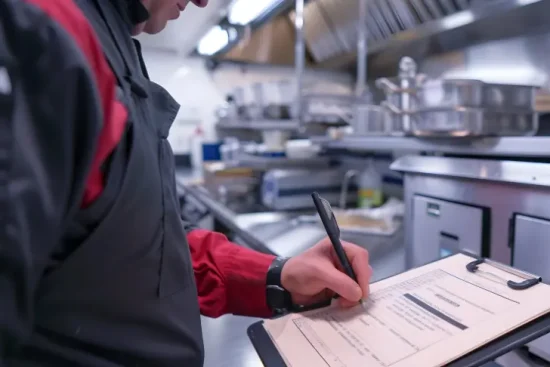
Restaurants are judged on five primary criteria, and here’s what a Michelin Guide Inspector looks for during a visit:
1. Use of High-Quality Products and Ingredients
At the heart of every exceptional meal are two critical elements: premium ingredients and expert technique. Michelin Inspectors value the use of fresh, locally sourced, and in-season ingredients that align with the restaurant’s mission and reflect its geographical identity.
It’s important to note that this isn’t about using the most expensive or rare ingredients. While truffles and caviar may capture attention, so can perfectly roasted, spice-infused local carrots or an artisanal loaf of bread from a nearby bakery. Michael Ellis, International Director of Michelin Guides, emphasized this during a panel discussion, stating, “Making the simple sublime will get our attention.”
By focusing on high-quality ingredients that tell a story and connect with the locale, chefs can create dishes that stand out and leave a lasting impression. For instance, many Michelin-starred restaurants form direct relationships with local farmers and suppliers to ensure the highest standards of produce.
2. Mastery of Culinary Techniques

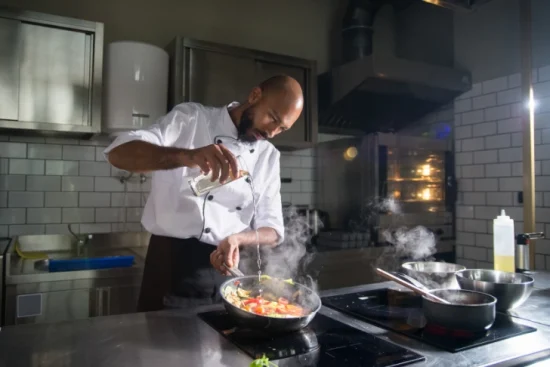
To elevate simple ingredients, chefs must master a variety of techniques and showcase their skills. True talent lies in enhancing the natural qualities of ingredients while adding a creative touch. Advanced methods like sous vide, or molecular gastronomy can impress, but only if they genuinely enhance the dish, not just be used for show.
You can keep track of your kitchen ingredients with restaurant recipe management software for accurate ingredient tracking and waste reduction.
Here are the key parts of culinary technique mastery:
- Cooking Everything Perfectly: Proteins should be cooked to the right temperature, pasta should be al dente (not too soft or hard), and every element should be prepared just right.
- Balancing Flavors and Textures: A great dish should hit all the important flavor notes—sweet, sour, salty, spicy, buttery, and umami. It should also include different textures, like soft and tender, paired with crunchy or crispy.
- Making Food Look Amazing: Presentation is key. A dish that looks as good as it tastes leaves a strong impression.
- Timely Execution: Timing is important too. Guests shouldn’t have to wait too long between courses because the kitchen is struggling to keep up.
3. Showcasing the Chef’s Personality in the Cuisine
This criterion is highly subjective, as it reflects the Inspector’s perception of how well the food connects to the chef’s vision and creativity. Ideally, each dish should feel vibrant and inspired. Just as a dull conversation can leave you disengaged, lackluster food without personality fails to excite. For example, dishes that reflect a chef’s cultural heritage or personal journey often resonate deeply with both inspectors and guests. Moreover, inspectors also evaluate whether the menu is unique and tailored compared to other restaurants in the same category.
4. Value for the Money
It refers to the overall quality of the dining experience, ensuring that what guests receive is worth the price they pay. This assessment goes beyond just the cost of the meal and considers portion sizes, service quality, attention to detail, and the overall ambiance of the restaurant. Inspectors take note of the following elements:
- Personalized Service: Restaurants where staff greet guests by name, anticipate their preferences, and provide thoughtful, knowledgeable recommendations make a strong impression.
- Expert Guidance: The presence of a sommelier to suggest ideal food-and-wine pairings to enhance the dining experience.
- Ambiance and Mood: The décor, lighting, music, and overall environment should enhance the enjoyment of the meal.
For example, staff putting in an extra effort to reach out to diners to accommodate their dietary preferences adds value.
5. Consistency of the Food and Dining Experience

Consistency in a restaurant signifies the ability to deliver the same exceptional and memorable dining experience to every guest every time. Key elements of consistency include:
- Flawless Food Quality: Every dish should taste just as delicious as it did on previous visits, with no variation in flavor, texture, or presentation.
- Impeccable Service: The staff should consistently provide attentive, professional, and friendly service, ensuring every guest feels valued and well-cared for.
- Inviting Ambiance: The restaurant’s atmosphere should remain consistently appealing, with the same attention to detail in lighting, décor, and music that enhances the dining experience.
For instance, strict quality control measures should be practiced across every aspect of the dining experience, from sourcing ingredients to plating and presentation.
Inspiring Success Stories
- Noma (Copenhagen, Denmark): Managed by Chef René Redzepi, Noma has consistently been recognized for its innovative approach to Nordic cuisine. The restaurant earned three Michelin stars due to its dedication to using locally sourced, high-quality ingredients and its creative, seasonal menu.
- Eleven Madison Park (New York, USA): Under the leadership of Chef Daniel Humm, Eleven Madison Park achieved three Michelin stars. The restaurant is known for its meticulous attention to detail, exceptional service, and a menu that reflects both culinary mastery and a deep connection to the ingredients.
- Osteria Francescana (Modena, Italy): Chef Massimo Bottura’s Osteria Francescana has been awarded three Michelin stars for its unique blend of traditional Italian flavors and contemporary techniques. The restaurant’s commitment to storytelling through food and creating an unforgettable dining experience has set it apart.
Lessons to Learn from Their Journeys:
- Innovation and Creativity: Michelin-starred chefs and restaurants often push the boundaries of traditional cuisine, experimenting with new techniques, flavors, and presentations. Embracing creativity can set a restaurant apart.
- Quality and Consistency: Using high-quality ingredients and maintaining consistency in food and service are crucial for earning and retaining Michelin stars. Attention to detail in every aspect of the dining experience is essential.
- Connection to Ingredients: A deep understanding and respect for ingredients, often showcased through seasonal and locally sourced menus, play a significant role in achieving culinary excellence.
- Passion and Dedication: The journeys of Michelin-starred chefs highlight the importance of passion, dedication, and an unwavering commitment to their craft. Continuous learning and improvement are key to their success.
Conclusion
To get a Michelin Star, a restaurant must strive for excellence in every aspect of the dining experience. This means using top-quality ingredients, mastering cooking techniques, showcasing the chef’s unique style, offering great value for the price, and maintaining consistent quality. By focusing on these areas, a restaurant can aim for this prestigious honor.