Press ESC to close

Less Is More: Why A Limited Menu Is Good For Your Restaurant Business

A well-designed menu is crucial to a restaurant’s appeal, often significantly shaping customer perception and the dining experience. More than just a list of dishes, a menu reflects a restaurant’s identity, ambiance, and culinary style. When crafted thoughtfully, a menu can enhance the dining experience by making it easier for customers to explore the offerings while subtly guiding them toward higher-margin items. However, designing an effective menu involves striking the right balance between variety and simplicity, which can be challenging for restaurateurs.

One of the most essential factors in menu design is deciding on its length. Should your restaurant offer an extensive menu with numerous options or a smaller, more focused selection?

Research from Columbia University highlights that customers prefer fewer choices, as too many options can lead to decision fatigue. A limited menu helps streamline the decision-making process, making customers feel more confident about their selections and improving their overall experience. By offering fewer but well-curated options, restaurants can increase customer satisfaction and boost operational efficiency.

Moreover, a limited menu can enhance the quality of dishes and service. Fewer menu items mean kitchen staff can perfect each recipe, maintain consistent quality, and reduce preparation time. This approach also helps minimize food waste, control inventory, and reduce costs, making it a win-win situation for the restaurant and its patrons.

Thus, a strategically designed, well-curated limited menu enhances the customer experience and improves the restaurant’s overall profitability and operational flow. As you dive into menu planning, understanding the right menu length for your concept becomes key to creating a successful dining experience.

Why A Limited Menu For Your Restaurant Could Be Ideal 

A long, intricate menu offers consumers many food choices. In contrast, a limited menu offers fewer options—the persisting trend of the long menu results from intense competition and consumer demand for more choices. Offering more menu options has also been a marketing gimmick, hoping to attract diners and keep them loyal.

However, bigger does not necessarily always mean better. This is especially true in American dining, as consumers have grown tired of the long menu and prefer quality over quantity.

Brands like Olive Garden, McDonald’s, and Burger King have been looking at trimming the number of offerings and focusing on better-executed menu items. Most of the Michelin Star or award-winning restaurants also have smaller menus.

This blog discusses why making your restaurant menu smaller would win more customers and add to the overall profits of your restaurant.

1. Improves Overall Quality

An extensive menu may offer multiple options, but it may also deteriorate the quality of dishes. On the other hand, with a limited menu, your restaurant chefs can focus on making few but well-executed high-quality dishes. Limited menus guarantee better execution in the kitchen, with increased accuracy and consistency. Better coordination, in turn, helps provide faster service, keeps the food fresh, and ultimately elevates the guest experience. 

EXPERT OPINION

Chef Ajay Chopra, a renowned Indian chef, consultant, and media personality, has revolutionized the culinary world with his innovation and talent. From hosting MasterChef India to launching successful global restaurants, he leaves a lasting mark on the hospitality industry. He states about the benefits of having a limited menu:

Every dish on a menu tells a story, whether it’s inspired by a specific region, a family recipe, or a chef’s personal journey. With a small menu, restaurants can craft a narrative that captivates customers and enhances their dining experience”.

2. Lesser Food Costs

Manage food costs

Food costs are often a restaurant’s most significant expense, accounting for one of its highest expenses. An extensive menu requires more inventory, and the chances of food wastage are higher. On the contrary, a limited menu curbs excessive food costs and ensures you spend less money on them. With fewer food items, tracking the exact ingredient requirements is more effortless, leaving no space for excessive inventory wastage.

Some recipes may even require the same ingredients. By ordering the raw materials in bulk, you can negotiate a better deal with vendors and reduce excessive purchase orders. Therefore, a smaller, streamlined menu significantly affects the bottom line and increases the restaurant kitchen’s productivity. 

3. Better Profits

A shorter menu has better profit margins than a long, elaborate menu. With limited items, restaurateurs can better forecast future demands and avoid inventory wastage. They can also standardize food quality while ensuring the best-selling items or signature dishes taste great. Even a highly priced menu can boost profitability when restaurants trim their menus.

4. Does Not Overload The Inventory Management Process

A limited menu simplifies inventory management. Preparing fewer menu items requires fewer raw materials. Limited stock supplies require fewer food vendors and a substantial decrease in the total number of purchase orders. Extensive menu items are more challenging to stock and cook consistently, so they target a different segment than shorter menus with more consistent cooking.

5. Streamlines The Order Taking Process

Customer experience

From an ordering viewpoint, a limited menu is better than an extended menu. When customers are bombarded with too many menu choices, they can experience ‘decision fatigue’ and become confused. 

However, if your menu is limited and has a simple, easy-to-read design, deciding what to order would be easier and quicker for customers. A small menu would also help streamline and improve your employees’ ordering process and service. It will decrease the turnaround time exponentially and simplify the servers to process orders and address more customers.

6. Works As A Wonderful Marketing Tool

A smaller menu offers better visibility of the entire brand’s offerings. Limited menus also serve as exceptional marketing tools. A shorter menu is visually appealing. Following the latest trends in menu design will capture the attention of customers, and they are more likely to choose your restaurant brand over others.  

7. Improves Business During Off-Peak Hours

Off-peak hours can be challenging for restaurants, as lower foot traffic often leads to reduced revenue. A limited menu helps improve business during these slower periods by allowing restaurants to offer flexible promotions and quick-turnaround meals without compromising quality. With fewer ingredients and dishes to manage, kitchen staff can work more efficiently, enabling the restaurant to serve customers faster and maintain high consistency.

Additionally, a limited menu makes introducing creative off-peak specials or combo deals that utilize existing inventory easier. These targeted promotions can help attract customers during typically slow hours. These targeted promotions can increase foot traffic and keep operations running smoothly even when business is slow. By optimizing ingredient use and preparation time, a limited menu ensures that off-peak hours become an opportunity to drive sales rather than a financial burden.

8. Streamlines Restaurant Operations
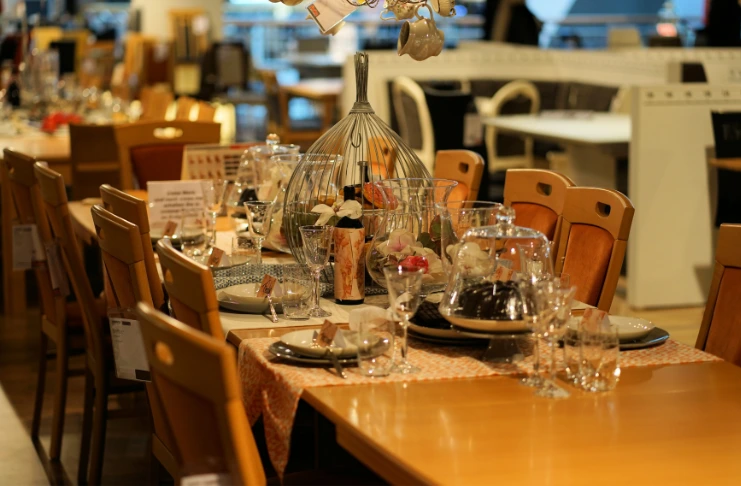
Enhanced restaurant operations

A limited menu streamlines restaurant operations by reducing complexity in the kitchen and simplifying staff training. With fewer dishes to prepare, the kitchen staff can focus on perfecting each item, leading to faster service and better consistency. Inventory management also becomes more manageable as fewer ingredients are required, allowing for better control over stock levels and minimizing waste. Additionally, a smaller menu reduces the likelihood of errors during food preparation and service, enhancing overall operational efficiency. By streamlining operations, restaurants can deliver a smoother, more reliable dining experience while controlling costs. 

INDUSTRY INSIGHT

According to an article by CNN Business, streamlined menus help reduce complexities and costs. It further discusses the importance of highlighting the benefits of adopting limited menus:


Shrinking the menu is a better option. It allows restaurants to order ingredients in bulk and achieve better economies of scale. And because restaurants remove their least popular or more expensive items, the changes may impact a relatively small number of customers”.

Common Types of Limited Menus

Limited menus are a common strategy in various restaurants and can be tailored to fit different dining concepts. Below are some examples:

  1. Seasonal Menus: Restaurants often create a limited menu featuring dishes made from fresh, in-season ingredients. This ensures quality and freshness and reduces costs by utilizing readily available produce.
  2. Brunch Menus: Many establishments offer a streamlined brunch menu with various popular breakfast and lunch dishes. This simplifies preparation during peak brunch hours and enhances the overall customer experience.
  3. Prix Fixe Menus: Typically found in fine dining establishments, prix fixe menus offer a fixed selection of courses at a set price. They provide a curated dining experience while reducing operational complexity.
  4. Tasting Menus: Designed to showcase the chef’s expertise, tasting menus feature several meticulously crafted dishes. This approach allows restaurants to offer a unique experience without overwhelming the kitchen.
  5. Special Event Menus: For occasions like holidays, anniversaries, or themed nights, a limited menu featuring exclusive dishes can create excitement and streamline kitchen operations during busy periods.

By offering fewer but thoughtfully chosen dishes, these types of limited menus improve operational efficiency and enhance the dining experience, helping restaurants stand out in a competitive market.

Effective Tips For Making The Most From A Limited Menu

Follow these valuable tips to generate maximum business from a limited menu.

  • Bring changes to the menu quite often. Don’t change it entirely, but make it a point to replace less popular items with high-profit menu items. 
  • More often than not, accommodate alternative items that can be cooked at the last moment.
  • If your restaurant follows a long, intricate menu, consider switching to alternating short menus once a week. However, keep your restaurant dynamics and the target audience in mind. 
  • Set aside a few menu items to add to the ‘Specials Menu.’ Offer these items on special occasions and creatively display your special menu to customers. 

Conclusion

A streamlined, limited menu can be a game-changer for your restaurant’s profitability and operational efficiency. By narrowing down your offerings, you can better manage your inventory, minimizing waste and ensuring that ingredients are always fresh. This approach allows you to focus on high-margin, best-selling dishes that truly resonate with your customers.

Beyond the back-end benefits, a limited menu enhances the customer experience and boosts your restaurant’s agility. A concise menu reduces decision fatigue for customers, helping them quickly choose their meals, which speeds up table turnover and improves overall service efficiency. It also allows your kitchen and front-of-house staff to operate seamlessly, delivering faster, more accurate service. This creates a positive feedback loop, as happy customers are more likely to return and recommend your restaurant to others.

Ultimately, a limited menu is not just about doing less; it’s about doing more with focus and precision, setting your business up for long-term success. Consider reducing the size of your restaurant menu and make your business quick-moving! 

A limited menu is often referred to as a prix fixe, tasting, or set menu. It offers a smaller selection of dishes, usually with fixed pricing or curated options.

A selective menu offers a range of options within a fixed number of categories, such as appetizers, main courses, and desserts. Guests can choose from a curated list.

Fine dining, fast-food restaurants, and specialty cuisine establishments often have limited menus to maintain quality, speed, and consistency.

A limited menu enhances operational efficiency, reduces food waste, and ensures consistent quality by allowing the kitchen staff to focus on fewer dishes.

The three main menu types are à la carte (individual pricing for each item), table d’hôte (fixed price for a set meal), and prix fixe (fixed price for multiple courses).

Restaurants offer limited-time items to create excitement, test new dishes, and drive demand by creating a sense of urgency.

A limited menu features fewer carefully selected dishes. It is typically designed for special events, seasonal offerings, or operational simplicity.

A menu is a list of dishes offered by a restaurant, often categorized by meal courses. For example, a brunch menu might include pancakes, omelets, and avocado toast.

Sakshi Chaturvedi

Sakshi Chaturvedi is the Content Specialist at Restroworks. With a PhD in English Literature and a digital marketing background, she combines academic rigor with practical industry insights to develop content that engages audiences. Experienced in crafting industry-focused content that highlights emerging trends, digital transformation, and innovations within the restaurant technology sector.

Newsletter subscription banner