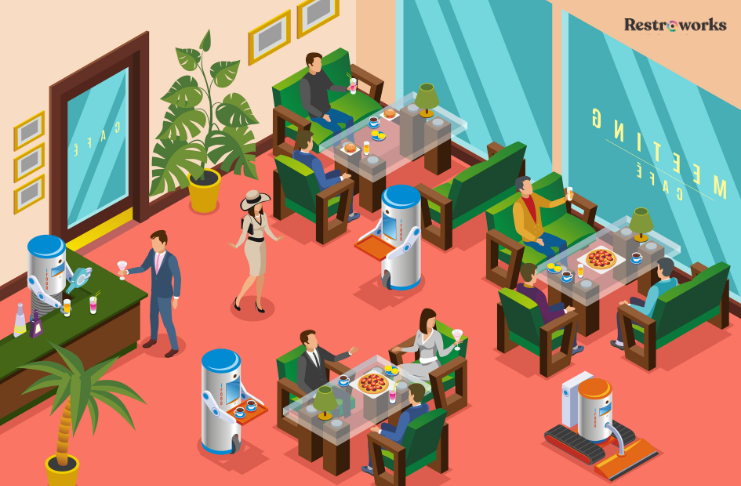

The rise of multisensory dining experiences is redefining hospitality by integrating advanced technologies into food delivery, hotel room service, and dining environments. By engaging senses beyond taste and smell, these innovations craft immersive culinary adventures that leave lasting impressions.
Virtual Reality (VR) Dining Rooms
VR technology transforms dining by transporting guests to exotic locations, such as under the sea, atop a mountain, or even in outer space. Hotels can incorporate these experiences into room service packages, while restaurants enhance at-home dining by pairing meals with VR kits.
- Example applications: Special occasion packages like a “romantic dinner in Paris” or “family picnic on Mars.” Seasonal or cultural experiences such as celebrating the Lunar New Year in China.
Sensory-Enhanced Hotel Rooms
Hotels are integrating lighting, music, and aromas to elevate room service experiences.
- A seafood platter could come with ocean wave projections and a sea breeze aroma.
- A chocolate dessert might be served with warm lighting and soothing classical music, amplifying indulgence.
Interactive Dining Tools
Smart plates with embedded screens display animations or nutritional information about the food, while interactive utensils mimic textures with subtle vibrations. Connected apps track calorie intake and suggest pairings for a balanced meal, blending dining with personalized health insights.
Augmented Reality (AR) Menus and Experiences
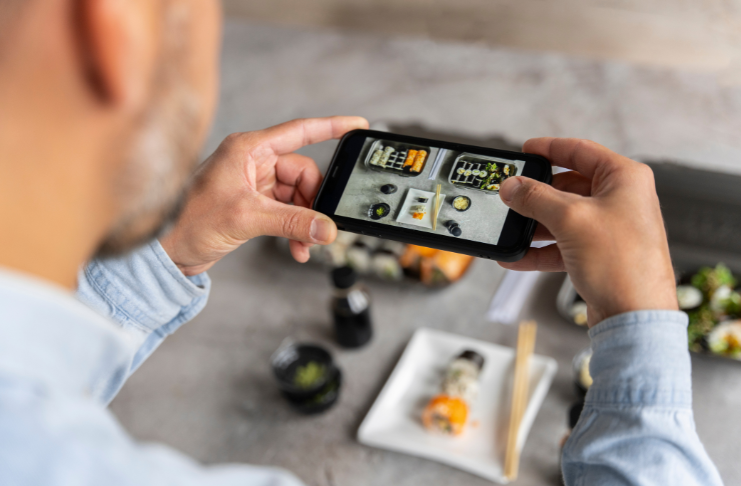
AR apps let diners visualize their meals in 3D before ordering, offering lifelike views with detailed ingredient and preparation descriptions.
- Immersive dining applications further enhance the experience with storytelling elements, such as an AR visualization of sushi preparation from sea to plate.
Customized Audio and Edible Enhancements
Specific sounds and music tailored to cuisines amplify flavor perception. For instance:
- Soft piano music enhances desserts.
- Upbeat flamenco pairs with a tapas-style menu.
Restaurants and hotels are also using edible QR codes to offer guests recipes, pairing suggestions, or behind-the-scenes chef videos, turning dining into an interactive experience.
3D Food Printing and Sensory Kits
With 3D food printers, chefs create intricate designs and customizable meals to suit guest preferences. Restaurants are also including sensory kits with deliveries—aroma diffusers, themed playlists, or mini projectors—to help customers recreate the dining ambiance at home.
Psychology of Dining
The psychology of multisensory dining experiences is another area of exploration.
- Warm tones stimulate appetite, while scents like lavender reduce stress and enhance focus.
- Restaurants experiment with mood-altering elements to elevate the overall dining journey.
Challenges and Opportunities
While the high cost of advanced technologies and training requirements pose challenges, the opportunities are significant. By creating unique, memorable experiences, hotels and restaurants can differentiate themselves in competitive markets, boost customer loyalty, and offer premium packages for special occasions or events.
Conclusion
Multisensory dining experiences are transforming the hospitality industry. By leveraging technologies like VR, AR, smart devices, and sensory integrations, hotels and restaurants can turn dining into an unforgettable adventure—blending innovation with the timeless joy of food.