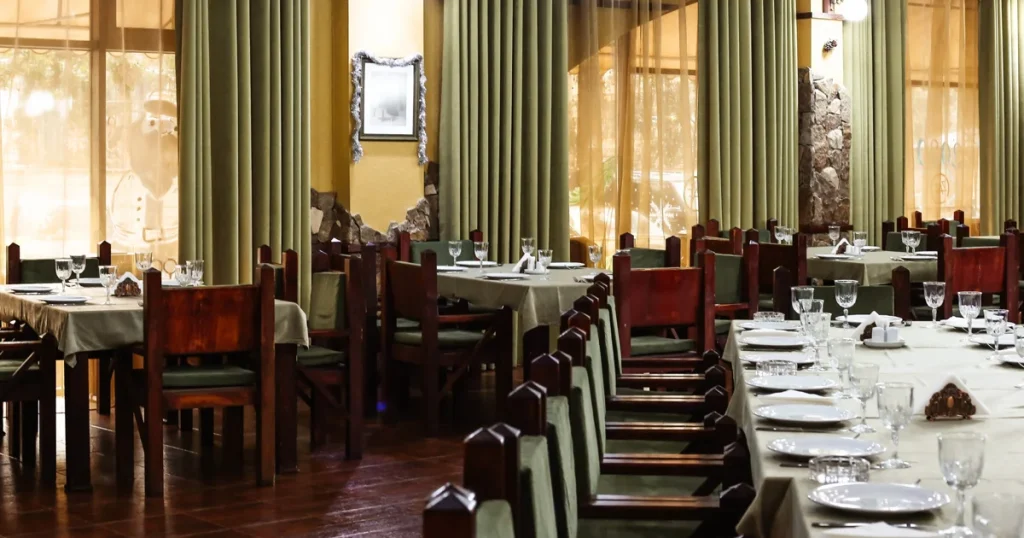

The Backwaters in Kochi is a testament to the profound impact of well-thought-out restaurant design. This dining venue, embracing the ‘sea to table’ concept, demonstrates how a strategic layout can significantly enhance the dining experience. But how does this align with broader industry trends? Statistics confirm that an appropriate design can skyrocket sales by almost 300%. It raises the question: What makes a layout not just good but great?
This blog will dissect the intricacies of restaurant design. We will analyze the importance of carefully planning table placement and overall layout.
We will also include what elements should be considered and how restaurant owners can apply these principles.
Understanding Restaurant Floor Plans
Think of a restaurant floor plan as your space’s blueprint. It’s more than just where tables and chairs go; it includes everything from the dining area, kitchen, and staff zones to restrooms and exits. If you’ve got outdoor seating, that’s part of the plan, too.
It’s like being an air traffic controller. You’re choreographing the flow of customers and staff, ensuring smooth operations and avoiding collisions. Ask yourself: Are paths to restrooms clear and separate from staff routes? Can guests dine without kitchen clamor?
Getting this right from the start is key. You must balance your Space, desired capacity, and the dining experience you aim to offer. It’s all about making your guests feel comfortable and your staff efficient.
Remember, floor plans aren’t just practical—they’re often required for health and building approvals. So, while drawing up these plans for compliance, seize the opportunity to refine them. Make sure your layout not only meets legal standards but also supports your menu and restaurant’s vibe.
Layout Design: Factors to consider
Once you grasp the concept of a restaurant floor plan, it becomes crucial to delve into the considerations for designing your table layout. Here are some key factors that you should keep in mind;
- Complying with Building Codes and Ensuring Accessibility: It is essential to adhere to regulations without any compromise. Your layout should prioritize safety, accessibility, and comfort by considering aisle widths, exits, and provisions for wheelchair access.
- Balancing Budget and Efficiency: When investing in furniture and equipment, it is important to balance cost and quality. The aim is to make use of your Space while minimizing operational expenses.
- Creating an Aesthetic Ambiance: Your restaurant’s overall look and feel play a role. Choosing the colors, lighting, and decor that harmonize with your furniture will set the tone for your brand. Enhance the overall customer experience.
- Determining Space, per Customer, and Emphasizing Sustainability: Calculating how much space each Customer will have is essential based on your service style and target market. Additionally, consider incorporating practices by using eco materials to minimize environmental impact.
How Restaurant Design Influences Different Restaurant Types
Your restaurant’s type significantly impacts your design decisions. Let’s explore how:
Types of Restaurants:
- Family style
- Pop-up restaurant
- Café or Bistro
- Fine dining
- Fast food
- Food truck
- Fast-casual
- Restaurant buffet
Interior Design Essentials:
No matter your restaurant type, these six elements are crucial:
- Color: Color psychology is powerful. For instance, red can stimulate appetite, whereas blue might slow metabolism.
- Decor: Balance cost and functionality. Fine dining calls for plush decor, while cafes can opt for modern elements.
- Lighting: It sets the mood. Consider hiring a lighting expert to get this right.
- Seating Spacing: Find a balance between profit and comfort. Gourmet restaurants need more Space per table, and fast-casual restaurants need less.
- Music: It influences mood and dining pace. Choose tunes that complement your restaurant’s vibe.
- Indoor Temperature and Air Quality: A good HVAC system maintains comfort and keeps the dining area fresh.
Restaurant Design Layout Basics:
Consider these areas:
- The Entrance: It’s the first impression. Make it welcoming and thematic.
- The Waiting Area: Utilize it for marketing and menu previews.
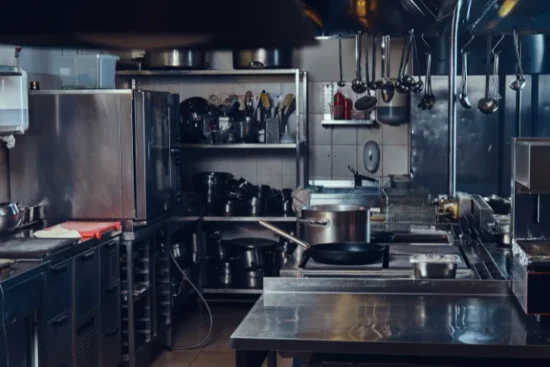
- The Kitchen: Its layout should support staff efficiency and food quality.
- The Bar: Balance comfort for guests with functionality for staff.
- The Dining Room: Consider both guest comfort and staff workflow.
- The Restroom: Maintain cleanliness and design consistency.
A well-designed space enhances the dining experience, which is crucial for success in any restaurant type. These principles remain relevant as you navigate the post-COVID era, even with a shift towards online orders.
Harnessing Advanced Technology in Restaurant Design Optimization
In the intricate landscape of restaurant design, strategically incorporating advanced technologies, such as restaurant table management software, is paramount. This advanced cloud-based platform offers an array of analytics and performance metrics crucial for optimizing table turnover and refining spatial layout.
Confronting the prevalent industry challenges, where 52% of restaurant professionals grapple with escalated operating and food costs, deploying such innovative technology transcends mere utility; it emerges as an indispensable strategic asset. In an environment marked by a 75% turnover rate, deploying efficient table management systems and data-driven spatial planning becomes instrumental in bolstering customer satisfaction and fortifying staff retention.
Moreover, with 73% of diners acknowledging the enhancement of their dining experience through technological integration and an overwhelming 95% of restaurateurs concurring on its impact on elevating business efficiency, the infusion of such technology into restaurant design is critical.
The integration of software within the ambit of your restaurant’s design and operational strategy not only aligns your physical layout with data-driven insights but also ensures your establishment is attuned to the evolving expectations of the contemporary diner. This amalgamation of design acumen and technological prowess extends beyond aesthetic considerations, forging a more streamlined, profitable, and customer-centric dining milieu.
Conclusion: Realizing the Ideal Dining Space
Imagine a restaurant where design and technology converge flawlessly, reminiscent of The Backwaters in Kochi. Every aspect, from ambiance to operations, is enhanced by tools like restaurant table management software. This ideal setting balances aesthetics, functionality, and sustainability, resonating with modern diners’ preferences. It is a benchmark in the industry, showcasing how strategic design and technological integration can create a memorable and efficient dining experience.
Frequently Asked Questions
1. What Impact Does a Strategic Restaurant Layout Have on Sales?
A well-planned restaurant layout can dramatically enhance the dining experience, significantly boosting sales. Strategic table placement and overall design can contribute to a potential increase in sales by up to 300%.
2. What Are Key Considerations in Restaurant Floor Planning?
Essential elements in restaurant floor planning include complying with building codes, balancing budget with efficiency, creating an aesthetic ambiance, determining space per customer, and emphasizing sustainability.
3. What is the Best Layout for a Restaurant and Ideal Table Spacing?
The assembly line layout is considered optimal for restaurant floor plans, especially in high-volume kitchens. It aids in quick food movement. The ideal distance between two tables in a restaurant should be at least 24 to 30 inches, ensuring comfortable guest movement and efficient service.