

The restaurant industry is dynamic and growing, offering tremendous opportunities for aspiring entrepreneurs. With consumers increasingly dining out and exploring new cuisines, the demand for unique dining experiences is higher than ever. However, starting a restaurant requires more than just a passion for food; it demands a strategic approach, creativity, an understanding of the market, and a solid business plan. But what does it cost to open a restaurant? The answer depends on several factors- according to Restaurant Owner Survey, startup costs typically range from $175,500 to $750,500. Your actual investment will vary based on the restaurant’s size, location, and concept. This guide provides an essential roadmap to help you launch a successful restaurant and navigate the food industry’s challenges.
A Step-by-Step Guide to Start a Restaurant
1. Concept Development
A restaurant concept is the core idea or theme that shapes your business. It’s the foundation of what your restaurant will become and should reflect everything from the decor and menu to the overall ambiance. A well-defined concept helps you develop your restaurant’s brand and identity, create a unique selling point, attract customers, and stand out from the competition. Here are a few pointers to consider:
- Defining Your Vision:
The first step in creating a successful restaurant is defining its vision. Your concept should outline your theme, cuisine, and ambiance and cater to the preferences and expectations of your specific audience. Are you envisioning a rustic Italian trattoria, a sleek sushi bar, or a cozy farm-to-table bistro? Understanding your restaurant’s identity is crucial to creating a cohesive and compelling brand. - Unique Selling Proposition (USP):
To stand out, identify what makes your restaurant different. It could be your innovative menu, exceptional service, or unique location. For instance, a “farm-to-fork” concept stressing locally sourced ingredients can resonate with sustainability-conscious diners. In contrast, a nostalgic 1950s diner may appeal to families looking for a fun, casual dining experience. - Market Research:
Comprehensive market research involves studying potential customers, understanding local market trends, and analyzing competitors. Use surveys, social media insights, and demographic data to learn about your audience’s preferences. Visit competing restaurants, observe their clientele, and identify service gaps your concept could fill. - Type of Restaurant Concepts:
Some of the most common restaurant concepts are quick-service restaurants, casual restaurants, fast-casual restaurants, pop-up restaurants, contemporary restaurants, and fine dining.
- Defining Your Vision:
2. Develop a Restaurant Business Plan
A restaurant business plan offers a detailed structured blueprint for how you will launch your restaurant, guiding you throughout the startup process. This not only helps clarify the specifics of your vision but also becomes a valuable tool when presenting to investors, showcasing that your concept is both well-planned and viable. Here’s a breakdown of the core aspects of a restaurant business plan:
- Executive Summary:
Your business structure should start with an executive summary that describes your restaurant’s vision, mission, and goals. This section serves as a quick overview for potential investors and stakeholders. - Financial Plan:
Develop a detailed budget that includes equipment, permits, staffing, and marketing expenses. Determine whether you’ll seek funding through loans, investors, or personal savings, and outline your financial projections to estimate your restaurant’s profitability. Also, consider sales forecasts, break-even analysis, and pricing projections. - Marketing Strategy:
Brand positioning is crucial to attract and retain customers. Define your brand’s voice, visual identity, and message. Outline your promotional tactics, including social media marketing, email campaigns, and influencer partnerships. - Operational Plan:
An operational plan includes the daily processes needed to keep the restaurant running. Detail your staffing requirements, inventory management, and supplier partnerships, and define systems for handling peak hours efficiently. - Management and Ownership Structure:
Describe your ownership structure, whether the restaurant is a sole proprietorship, partnership, limited liability company (LLC), or corporation. Also, describe how you will organize your management team and how it will operate day-to-day. - Staffing Needs:
This section outlines the number, types, and levels of employees required to run the restaurant efficiently. Be realistic about the requirements and qualifications of the staff you’ll need to hire and the plan to retain them. For example, you may need more staff during weekends or holidays, so consider including a plan for part-time or temporary workers.
- Executive Summary:
3. Securing Funding
Funding is one of the most critical steps when starting a successful restaurant, as the capital required to start a restaurant can be substantial. From securing a prime location and renovating the space to purchasing kitchen equipment and managing initial marketing costs, estimate the total the total startup costs of your restaurant for a smooth launch. Here is a guide on how to secure funding for your restaurant:

- Determine your Funding Needs:
Calculate the amount of money required to cover both startup and operational expenses. Consider key cost factors like lease or purchase costs for your location, renovations and interior design, kitchen equipment and furnishing, staffing and payroll, initial inventory (food, drinks, and supplies), marketing and advertising, licenses, permits, and insurance. - Funding Sources:
Explore various funding sources such as bank loans, independent investors, crowdfunding, and small business loans. Here’s a breakdown of the main options:- Commercial loan: Traditional commercial loans are obtained directly from a bank. They usually offer lower interest rates and access to larger amounts of capital. However, they often require collateral and a high credit score is essential for eligibility.
- Small business loans: The United States Small Business Administration (SBA) offers loan programs specifically designed for small businesses. The SBA 7(a) Loan is one of the most popular, offering flexible terms and lower interest rates. Its purpose is to protect both the lender and small business owners. However, it requires a well-prepared business plan, a good credit history, and personal guarantees.
- Independent investors: These investors or companies invest capital in startup businesses, often in exchange for equity in the company. They also bring industry experience and connections, which can be valuable for new restaurateurs. In return, they generally expect a high rate of return within a specified timeframe.
- Crowdfunding: Platforms like Kickstarter and Indiegogo allow you to raise small amounts of money from many people in exchange for rewards, such as discounted meals or exclusive experiences. This is a popular choice for restaurants with unique concepts, as it creates early customer engagement and a loyal customer base.
- Pitch Deck Preparation:
Create a compelling pitch deck highlighting your concept, market research, and financial projections. This deck should showcase the potential return on investment to appeal to investors. - Financial Management Tools:
Use software like QuickBooks, Xero, or Wave to track expenses and manage cash flow. Many restaurant-specific POS systems now offer integrated financial tracking, providing insights into revenue and expenses in real-time.
Expert Opinion
Here’s what Barbara Lynch, Chef and Restaurateur, emphasized about the importance of balancing passion with financial acumen when starting a restaurant:
4. Location Selection
Before starting a restaurant, conduct a thorough location analysis based on your targeted market and restaurant needs. Explore the following key factors when searching for the best location:
- Restaurant Visibility and Accessibility:
To attract walk-in customers, look for areas with high foot traffic, such as near shopping centers, office buildings, or other busy venues. Additionally, ensure adequate parking spaces or access to public transportation as this increases the likelihood of repeat business. - Customer Demographics:
Understand the demographic profile of potential customers in the area. Research factors like age, income level, and dining preferences to ensure the location aligns with your restaurant’s concept. - Market Demand:
Study the local competition to understand demand saturation and identify gaps in the market. For example, a quick-service restaurant may thrive in a busy commercial area, while a fine-dining establishment may be better suited to a higher-income neighborhood. - Restaurant Labor Costs:
Labor costs can vary significantly between locations. Urban centers often have higher minimum wages and living costs than suburban or rural areas, impacting your operating budget. - Local Regulations:
Every city or county has regulations determining the types of businesses permitted in specific areas. It’s essential to familiarize yourself with these laws to ensure that your restaurant complies and remains protected from potential legal issues.
5. Plan Your Restaurant’s Layout
Your restaurant layout impacts the flow of service, restaurant workers, the customer experience, restaurant costs, and the effectiveness of your operations. It considers the balance between front-of-house (FOH) and back-of-house (BOH) areas that contribute to the overall functionality of the restaurant.
Front-Of-House Layout: The front-of-house is where guests spend most of their time, which is key to making a positive first impression. This includes the entrance, waiting area, dining area or space, bar (if applicable), and other customer-facing amenities. A well-planned FOH layout prioritizes customer comfort, service style, accessibility, and ambiance. To achieve this layout, focus on:
- Seating Capacity: Plan your seating arrangement based on the number of guests you aim to serve at any given time, aligning with your dining area’s size and the type of service you provide. Some restaurants maximize seating to boost revenue, while others focus on spacious layouts for a more relaxed and comfortable guest experience.
- Furniture: Choose furniture that provides comfort and complements your restaurant’s theme. Style, material, and durability are key factors; selecting commercial-grade furniture ensures it withstands daily use and aligns with your restaurant’s aesthetic.
- Ambiance and Decor: The ambiance and decor of the front-of-house create the mood and personality of your restaurant. Elements like unique lighting, cohesive color schemes, artwork, and music can elevate the dining experience and establish a distinct atmosphere. Consider thoughtful details like table settings, wall decor, and greenery to add warmth and visual appeal.
- Ease of Cleaning: In a restaurant, spills and messes are common. Hence, it’s crucial to choose materirals and finishes that can be cleaned easily. Opt for stain-resistant, durable options for furniture and flooring, such as vinyl or laminate, to ensure a polished and manageable space.
- Efficient Movement: Your staff should be able to move efficiently while attending guests and hence, its important to provide a clear, and unobstructed pathway for staff to navigate seamlessly between tables and the kitchen area. Moreover, arrange service stations strategically like dessert or beverage station to reduce congestion.
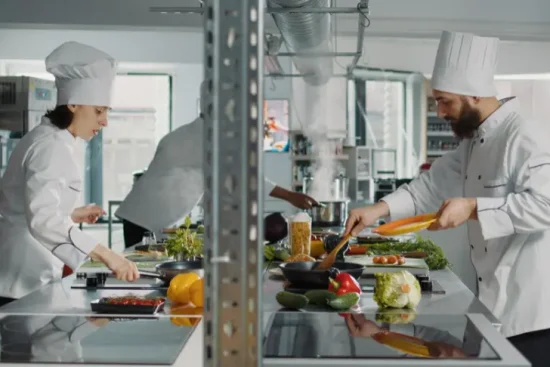
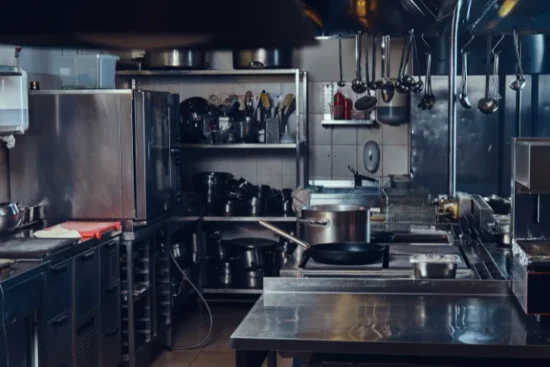
Back-Of-House Layout: The back-of-house is where your kitchen, prep areas, dishwashing station, and storage rooms are located. This area is crucial for ensuring smooth operations and delivering high-quality service. A well-organized BOH layout optimizes workflow, minimizes travel time between stations, and enhances safety for your staff. To achieve this layout, focus on:
- Food Preparation Area: Arrange a well-organized food preparation zone with enough counter space, sinks, cutting boards, and storage for utensils and equipment. Keep prep stations near refrigeration and dry storage to ensure a smooth workflow and minimize unnecessary movement.
- Dry and Cold Storage: Organize dry storage areas for easy access, cleanliness, and efficient inventory rotation. Cold storage, including walk-in refrigerators and freezers, should be positioned to minimize the distance between storage and preparation areas, reducing transport time for ingredients.
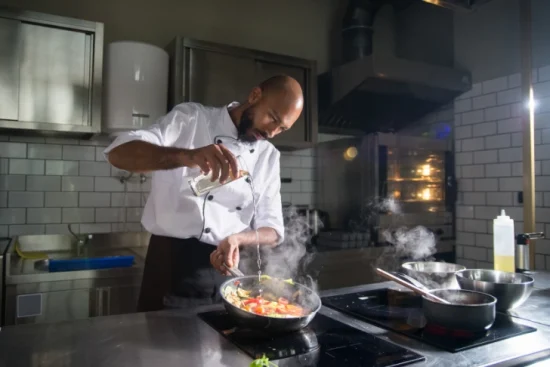
- Cooking Area: Tailor this space to your restaurant’s specific cooking needs with equipment such as ovens, grills, ranges, and fryers. Ensure proper ventilation and fire safety features to handle heat, smoke, and odors, maintaining a safe and comfortable kitchen environment.
- Warewashing Area: Allocate ample space for a warewashing area equipped with a dishwashing machine, a sink for manual washing, racks for dishes, and shelving for clean items. Plan the flow between dirty and clean dishes to avoid cross-contamination and streamline cleaning processes.
- Service Area: This space should support quick and organized dish plating. To ensure efficient service and maintain food presentation quality, include counters, warming units, and storage for plates, utensils, and garnishes.
6. Restaurant Legal Requirements and Permits
Compliance with local, state, and federal regulations ensures your business model operates smoothly and reduces the risk of legal issues. Some of the standard legal requirements and permits you’ll need to establish your restaurant include:

- Food Service Permit: This permit ensures that your restaurant meets health and safety standards for food preparation and handling. The application process includes submitting documentation like floor plan, menu, and proof of food handlers’ certifications.
- Business License: Most municipalities require a general business license to operate legally. This license demonstrates that your restaurant complies with local business regulations. The application process includes basic information about your business, such as its location, name, and ownership details.
- Alcohol License: If you plan to serve alcohol, you’ll need to secure an alcohol license. This process varies significantly by location, so familiarize yourself with state laws and local regulations. Some areas may require different permits for beer, wine, or spirits.
- Employer Identification Number (EIN): Obtain an EIN from the Internal Revenue Service (IRS) for tax purposes. This number is necessary for hiring employees and filing taxes.
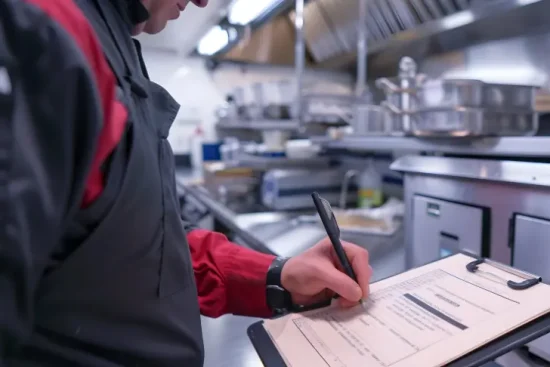
- Health Department Permit: Your restaurant must comply with local health codes, which may require an inspection before you can open. The health department will assess your kitchen, storage areas, and overall cleanliness.
- Fire Safety and Building Codes: Ensure compliance with local fire safety regulations and building codes. Install necessary fire suppression systems, alarms, and emergency exits, and schedule inspections as required.
7. Menu Development
A menu is a cornerstone of a restaurant and significantly shapes a customer’s dining experience. It’s essential to thoughtfully design a menu that aligns with your restaurant’s concept and reflects your guests’ desired experience. Developing a menu involves more than simply listing the dishes you intend to serve; it also determines the equipment you’ll require, the skills to look for in your staff, and the target audience you will attract. When developing your menu, there are several important factors to consider:
- Menu design: Your menu should be visually appealing and easy to read. Highlight your dishes with high-quality images and a clean layout. The menu design should also include clear headings and subheadings to avoid overwhelming customers. Depending on your restaurant type, aim for 10-15 items in each category.
- Pricing Strategy: Calculate the food cost for each menu item to establish a suitable pricing structure. Conduct a deep analysis of ingredients costs, labor, overhead, and desired profit margins. Additionally, research the pricing of similar restaurants in your area to set competitive prices that reflect your restaurant’s positioning.
- Menu Item Development: Create unique dishes that differentiate your restaurant from competitors. Experiment with flavors, presentations, and ingredient combinations to develop signature items that reflect your concept.
- Sales projections: It play a crucial role in inventory management by providing insights into the demand for various menu items and forecasting customer preferences. You can create a menu that aligns with projected sales by analyzing historical sales data, conducting market research, and considering factors such as seasonality, local trends, and customer feedback.
- Competitor Analysis: Analyze menus from competing restaurants in your area. Look at what dishes are popular, their pricing, and their presentation. This research can provide insights into market trends and help identify gaps your restaurant can fill.
8. Hiring and Training Staff
Hiring the right staff is one of the most critical components of starting a restaurant. Your team will directly influence the quality of service, customer satisfaction, work culture, and ultimately, the reputation of your establishment. Therefore, a strategic approach to recruitment, training, and employee retention is essential. Consider including employee benefits, training, and incentives to build a positive working environment and maintain a work-life balance. Some common steps include:

- Recruitment Strategies:
Attract top talent by highlighting your restaurant’s culture, growth opportunities, and benefits. Use online job boards, social media, and referrals to find suitable candidates. - Training Programs:
Effective training programs are essential to ensuring service quality and brand consistency. To ensure a cohesive team, incorporate both operational training and soft skills development. - Employee Retention:
Reduce turnover by fostering a positive work environment. Offer growth opportunities, recognize achievements, and encourage feedback to build loyalty. - Hiring Staff:
Several key positions you’ll need to hire include management team (general manager, kitchen manager, front-of-house manager), kitchen staff (head chef, sous chefs, prep cooks, line cooks, dishwashers), front-of-house staff (servers, hosts, food runners, bussers), and bar staff (bartenders, barbacks, cocktail servers).
Expert Opinion
Here’s what Randy Garutti, CEO of Shake Shack, said about “Hiring and Training Staff”: