
Thinking about contactless payment solutions in restaurants? You’re in the right place. In today’s fast-paced world, dining out is more than just enjoying a delicious meal- customers crave a smooth, seamless experience from start to finish.
Imagine you’re at your favorite sushi spot, savoring the last piece of your dragon roll. The last thing you want is to fumble for cash or wait endlessly for the bill. Customers crave convenience, especially when it’s time to settle the check. That’s where contactless payment solutions come in. They make transactions effortless and quick, making diners and restaurant operators happy. In this blog, we’ll discuss how contactless payments transformed the dining experience and how to implement contactless payment solutions in your restaurant.
What are Contactless Payment Systems?
Contactless payment systems allow transactions without physical contact between the customer and the restaurant’s point-of-sale (POS) terminal. This means customers don’t need to sign a receipt, use cash, receive change, or hand over their debit or credit cards to the cashier.
These systems typically use technologies like near-field Communication (NFC), Radio Frequency Identification (RFID), or QR codes to facilitate secure and quick payments. Moreover, contactless payment methods enhance security compared to traditional payment methods. They reduce the need for close interactions between guests and staff, providing a more seamless and hygienic dining experience.
The Rise of Contactless Payments in Restaurants
Even before the COVID-19 pandemic, the trend toward cashless transactions in restaurant technology was on the rise. Touchless payments were already becoming popular, especially in quick-service restaurants where saving a few seconds per transaction could significantly impact efficiency.
With technological advancements and the need for social distancing, coffee shops, and casual dining started accepting cashless payment methods.
Paper money and coins are known to harbor germs and are considered potential sources of disease transmission. The traditional methods of handing over credit cards, entering passwords or PINs, and signing on touchpads are now seen as less secure. On the other hand, contactless payment systems, such as tap-and-go cards, digital wallets, and online banking, reduced the need for these actions, allowing customers to pay without touching anything at the store.
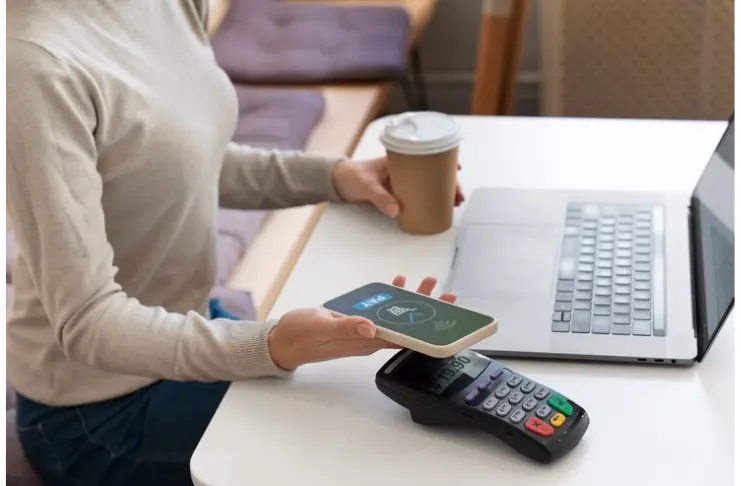
Both restaurants and customers have adapted to contactless ordering and payment techniques, such as scanning QR codes at tables or placing phones or cards over a scanner to complete transactions.
Moreover, Mastercard states that it takes a consumer three tries with a product to become a habitual behavior. As more restaurants and their customers experience the convenience of contactless transactions, the dependence on cash and cumbersome change is reducing.
Understanding the Technology Behind Contactless Payments
Contactless payments rely on several advanced technologies to facilitate quick and secure transactions. Here’s an overview of the technology behind contactless payments:

- Near Field Communication (NFC): NFC is a short-range wireless technology that enables communication between devices when they are close, typically within a few centimeters. Users tap or hold their device near the terminal to complete the transaction. NFC is widely used in mobile payment apps like Apple Pay, Google Pay, and Samsung Pay, making it a popular choice for contactless transactions.
- Radio Frequency Identification (RFID): RFID technology uses radio waves to transmit data between a payment card or device and a reader. RFID tags, embedded in contactless cards or devices, store payment information securely and communicate with the terminal when brought close enough.
RFID tags can be scanned in batches, which makes the technology ideal for tasks like inventory management. However, it is somewhat less commonly used for contactless payments. - QR Codes: Some contactless payment systems use QR codes that customers scan with their smartphones to make payments. This method is popular in regions where NFC technology is less prevalent.
To enable QR codes, the merchant needs to generate a unique QR code for the transaction. Then, the customer scans the QR code using their smartphone’s camera, and the payment app on their phone processes the transaction, often linking directly to their bank account or digital wallet. - Application Programming Interfaces (APIs): APIs are sets of protocols and tools that allow different software systems to interact and communicate with each other. They define the methods and data formats applications use to request and exchange information, enabling them to work together seamlessly.
APIs integrate various payment systems (such as those used by banks or payment processors) with applications and services. This integration allows for a unified payment experience across different platforms and devices. - Encryption: Encryption secures the data transmitted between the payment device and the terminal. It ensures that transaction information is encoded and protected from interception or tampering during payment.
- Tokenization: It is a security process that replaces sensitive payment data with a unique, encrypted token or identifier. During a contactless transaction, the actual card information is not exposed; instead, a token is sent to the payment terminal, increasing security and reducing the risk of fraud.
The Benefits of Contactless Payment Systems in Restaurants
Integrating contactless payment systems in your restaurant offers several benefits:

- Enhanced Customer Experience: Contactless payments provide a faster and more convenient way for customers to pay, reducing wait times and improving overall satisfaction. This seamless experience can lead to higher customer retention and positive reviews.
- Increased Security: These systems reduce the risk of fraud and theft since customers don’t need to hand over their cards or cash. Technologies like NFC and RFID ensure secure transactions, protecting customers and restaurants from potential security breaches.
- Improved Hygiene: Hygiene has become a top priority in the post-pandemic world. Contactless payments minimize physical contact, reducing the spread of germs and making customers feel safer.
- Operational Efficiency: Contactless payment streamlines transactions and reduces the steps and hustle of traditional payment methods. This reduces the time your staff spends collecting and processing payments and, hence, focuses on other operational issues. This efficiency can lead to increased revenue, especially during peak hours.
- Modern Image: Adopting the latest payment technologies can enhance your restaurant’s image as a modern, forward-thinking establishment. This can attract tech-savvy customers who prefer using the latest innovations.
- Data Insights: Contactless payment systems often have integrated software that provides valuable data insights. You can track customer preferences, peak hours, and transaction histories, helping you make informed business decisions.
How to Integrate Contactless Payment Systems in Your Business
Integrating contactless payment systems into your business improves customer experience and streamlines transactions and involves the following steps:
1. Accepted Payment Methods: There are several contactless payment systems, so choose which payment method will be appropriate for you. This includes:
- Credit and Debit Cards: Ensure your system supports major card networks like Visa, MasterCard, and American Express.
- Mobile Wallets: Allow payments through popular mobile wallets such as Apple Pay, Google Pay, and Samsung Pay.
- NFC-Enabled Devices: Support payments from NFC-enabled devices, including smartphones and smartwatches.
2. Point of Sale System: Which POS system is best for you depends on your business needs, budget, and demographic data of customers. Key considerations include:
- Compatibility: Ensure your POS system is compatible with contactless payment technology, including NFC.
- Upgrades: If your current POS system is outdated, consider upgrading to a modern one supporting contactless payments.
- Integration: Seamlessly integrate the POS system with your inventory management, accounting, and customer relationship management (CRM) systems for streamlined operations.
 3. Internet Connectivity: Reliable internet connectivity is crucial for processing contactless payments. Consider the following factors:
- High-Speed Internet: Invest in a high-speed internet connection to handle payment transactions quickly and efficiently.
- Backup Connection: Have a backup internet connection to avoid disruptions during peak business hours.
- Security: Implement robust cybersecurity measures to protect your network from potential threats and ensure the safety of payment data.
4. Compliance with Payment Card Industry Data Security Standards (PCI DSS): Compliance with PCI DSS is essential to protect cardholder data and maintain customer trust. Key actions include:
- Security Measures: Implement strong security measures, such as encryption and tokenization, to protect payment data.
- Regular Audits: Conduct security audits and vulnerability assessments to identify and address potential risks.
- Employee Training: Train your staff on PCI DSS requirements and best practices for handling payment data securely.
Navigating the Challenges of Contactless Payment Systems
There are several drawbacks of contactless payment systems, and some of them are:
- Increased Transaction Costs: Contactless payments often have higher transaction fees than traditional payment methods. These costs can add up, especially for small businesses.
- Security Concerns: Although contactless payments are generally secure, there are concerns about potential data breaches and fraud. Hackers could intercept payment information if proper security measures are not in place.
- Infrastructure and Maintenance: Implementing contactless payment systems requires new hardware and software investment. Additionally, maintaining and updating these systems can be costly and time-consuming.
- Technical Issues: Technical glitches, such as connectivity problems or system malfunctions, can disrupt the payment process and lead to customer dissatisfaction.
Conclusion
Incorporating contactless payment solutions into your business is an advanced approach that aligns with modern customer preferences for speed and convenience. This helps you enhance the customer experience and streamline your operations, making transactions smoother and more efficient.
However, it’s essential to stay vigilant about security, keep your systems updated, and continuously educate your staff on best practices. This proactive approach ensures that your business remains secure and your customer’s data is protected.