

Here is an eye-opener for you before reading this guide: Search for “burger” in Meta’s ad library and see the number of advertisements running over there. You’ll discover over 50,000 ads currently running at any given time. Ads from Jocas Burger, Angel’s Burger, and Street Burger are just a few examples you’ll see. This massive volume of advertisements highlights fierce competition, continuous innovation in restaurant social media marketing, and creatives in the restaurant industry. The verdict is that standing out is crucial.
For restaurant marketers, mastering the elements of a social media marketing proposal is a game-changer. This guide is designed to boost your knowledge and equip you with the skills needed for a standout social media marketing strategy. We’ll dive deep into essential topics like executive summaries, business objectives, target audience analysis, content strategy, platform selection, engagement tactics, advertising plans, influencer collaborations, analytics, and budgeting. Get ready to transform your approach to social media marketing and help your restaurant clients shine in today’s crowded market. Let’s get started!
Social media marketing proposal for restaurants

Restaurant marketers should know that proposals are meant to be simple, precise, and easily readable. This means that they should know the objective of every aspect that they are going to show in the proposal. Understanding the impact of social media sites on the restaurant business is crucial. By crafting a compelling restaurant marketing strategy, they can effectively reach and engage with social media users. Additionally, proposing ideas to host social media contests can be a great way to increase visibility and attract more customers.
Let’s start with an understanding of key objectives.
Key Objectives
A social media marketing proposal in restaurant marketing acts as a detailed blueprint. It ensures every stakeholder understands and aligns with the restaurant’s vision, from kitchen staff to the marketing team. This proposal unites everyone, keeping them on the same page and focused on achieving the restaurant’s goals.
1. Executive Summary

When writing a social media proposal for restaurants, start by grabbing attention with a compelling opening statement. Highlight the restaurant’s unique features without making generic introductions. Then, provide a detailed business description, focusing on the concept, location, and key features. Next, summarize your market analysis with concrete data, avoiding assumptions. After that, outline your restaurant’s social media strategy and avoid vague statements. Briefly describe the operational plan, emphasizing key personnel.
Now, present the financial requirements and projections, including social media budgets. Finally, specify detailed funding needs and end with a strong call to action to reinforce your proposal.
2. Writing Business and Marketing Objectives for a Social Media Proposal
When establishing business and marketing goals for a social media proposal, never forget your audience. Whether you are presenting to your employer or possible investors, you should be compelling, succinct, and clear.
Align your social media goals with the restaurant’s business objectives:
The ‘Business Objective’ part of the proposal is the ultimate goal of the restaurant marketing proposal. It is noteworthy to make it precise, to the point, and attainable (as unrealistic business goals fail). To do this, you must go through a series of brainstorming sessions to find the answers.
What are you aiming for:
Brand recognition and its expansion,
Customers visit your restaurant,
boost online sales, or
foster consumer loyalty.
Goal setting should be based on ‘Specific’ and ‘Measurable’. Moreover, they should be within the capability of attainment. Plus, you should also consider the relevancy of goals and how much time you give them to attain them.
Example: “Increase Instagram followers by 25% and engagement rate by 15% within six months.”
Identify Key Performance Indicators (KPIs):

You should choose KPIs that align with your business goals. These indicators help measure the success of your social media strategy.
Relevant KPIs could be the number of followers, engagement rates, and click-through rates to increase traffic.
Use Tools for Tracking: Marketers can use tools like Hootsuite, Sprout Social, or Semrush to track these KPIs. The dashboard in these tools gives an overview of all the vitals, which helps analyze the scope of improvement.
Tip: There should be a schedule of ‘Review and Adjust’ strategies for your KPIs.
Crafting effective objectives and KPIs:
Kick-off with a Discovery Session: Understand the restaurant’s needs, social media presence, and goals. Ask questions like, What are your social media goals? Challenges? Success vision?
Align Strategies with Goals: Show how each social media activity supports business objectives. Example: Propose targeted campaigns with promotions and ads to boost online orders.
Use Data for Support: Incorporate data and industry insights to support your strategies. Highlight trends showing social media effectiveness in restaurants.
Detail the Scope of Work: Outline activities like content creation, posting schedules, and engagement tactics. Example: A weekly content planner that outlines everything, such as monthly contests and active engagement.
Deadlines: Establish a timeline and mark important milestones.
Example –
January Month: Increase Instagram followers by 10% on the current follower count.
February Month: Launch influencer campaign.
Month 6: Measure increased foot traffic.
3. How to Plan and Show Target Audience Analysis
When you plan to present a target audience analysis, make sure that you remain within the context of the marketing. This means that you need to prune unnecessary data before presenting it. This practice helps highlight important insights.
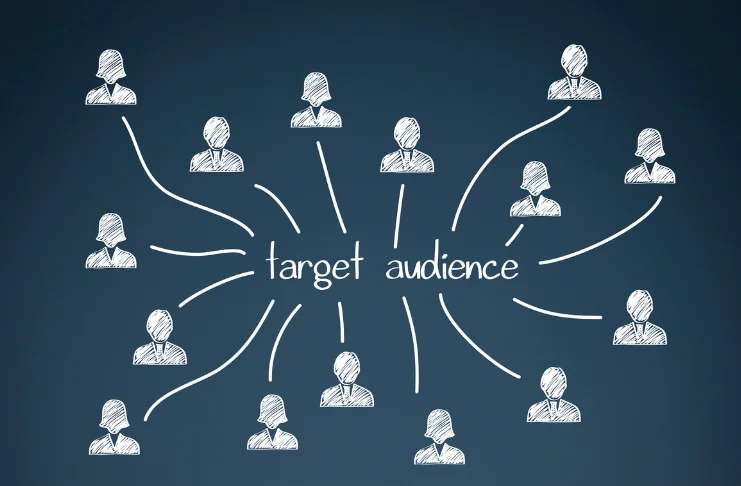
Furthermore, this will help everyone understand your potential customers, what they want, and how you can effectively reach them. It’s the foundation for crafting a strategy that truly resonates with your audience.
What Target Audience Analysis Brings to the Table
Target audience analysis provides valuable information about the demographics (population and particular groups), psychographics (classification based on habits), and behaviors of your potential customers. This understanding helps you tailor your marketing efforts to meet specific needs and preferences, ensuring your campaigns are effective and efficient.
The Importance of Target Audience Analysis
As mentioned earlier, target audience analysis gives you these vital insights:
Precision Marketing: Let’s say you’re running a vegan cafe. Your target audience is people who are health-conscious and who prefer plant-based eating. A great example is how some brands focus on eco-friendly and sustainable lifestyles. They connect their products with a commitment to the environment and healthy living. This kind of analysis helps you create precise marketing campaigns and ensures your message reaches the right people.
Resource optimization: It brings results and saves costs. If social media and Google Ads are more effective at increasing reach, you will optimize your budget and allocate less to SMS or offline marketing.
Enhanced Engagement: Every social media activity aims to reach this milestone. If the audience participates in your social media campaigns through comments, likes, or even messages, this means that their preferences and behaviors are well understood. Also, this data allows you to create resonating content.
How to Identify the Market
Step 1: Start by gathering some intel. Check out your competitors and see who their customers are. Pay attention to their age, style, how they interact in groups, and what they usually order.
Step 2: Use your observations to create customer profiles (buyer personas). Look for patterns, such as young professionals coming in for lunch or families visiting on weekends.
Step 3: Use surveys and focus groups to get deeper insights. Conduct online surveys to ask about dining preferences and social media habits. Discuss what they want in a dining experience in focus groups.
Step 4: Analyze Census Data. Validate your findings with local census data. Ensure your target demographic, like young professionals, is present.
Step 5: Create Detailed Profiles Develop detailed customer profiles, including demographic, psychographic, and behavioral traits. This helps you visualize your ideal customer.
Demographics, Psychographics, and Behavior

Demographics: The knowledge of age, gender, income, education, and location to set the perimeter of your audience targeting.
Example: Let’s think about someone’s background—like their age, gender, income, education, and where they live—all to understand who they are and what they like. For instance, imagine someone in their late twenties to mid-thirties, with a good income, living in a lively city. They probably appreciate quality dining experiences that fit their busy lifestyle. A stylish restaurant with a modern twist on classic dishes located in a trendy neighborhood would be just right for them. It matches their taste and the way they enjoy living.
Psychographics: These cover attitudes, values, and lifestyle preferences.
Example: Imagine someone who really likes eating healthy, organic food, enjoys modern decor and prefers quick yet fancy meals. This person cares about where they eat, choosing places with fresh, eco-friendly ingredients and a stylish, comfy vibe. They’re willing to spend more on food they trust and often check online reviews before trying new places. For them, a cool restaurant in a hip area, serving organic, fancy dishes in a modern setting, would be just right. It fits their lifestyle and tastes perfectly, offering a dining experience that feels both special and thoughtful.
Behavior: Behavioral analysis looks at actions such as dining habits, spending patterns, and online behavior.
Example: Consider someone whose habits include dining out often, making reservations online, and relying on social media reviews. This person enjoys exploring new places to eat and values convenience and reliability when choosing restaurants. For them, a trendy eatery with a strong online presence, an easy reservation system, and a reputation for consistent quality would be ideal. Think of a stylish bistro in a bustling city area known for its innovative menu and vibrant atmosphere—it would perfectly suit their dining preferences and tech-savvy lifestyle.
How Target Market Influences Your Business Plan
Concept Development: Customize your restaurant’s concept in a way that your target audience would love to visit.
Design a modern, chic ambiance with quick service options for young professionals.
Menu and Services: Offer menu items and services that appeal to your target audience.
Quick service and health-conscious cuisine are offered, along with an easy-to-navigate design for working people.
Marketing and Promotion: Reach your target market via the appropriate methods.
Promotion can be done on Facebook, Instagram and the platforms where your audience is most active.
Location: Your restaurant’s success (especially dining) derives from location. Usually, an easy-to-reach location is preferred.
The location of your cafe can be near offices to attract young professionals.
4. How to Plan and Show a Social Media Audit
A social media audit evaluates all social profiles for consistent branding and performance. Conduct this audit quarterly, taking one to two weeks, to align with market trends and customer preferences. Regular audits enable timely strategy adjustments, ensuring sustained growth and engagement.
Steps to Conduct a Social Media Audit
1. Social Media Profiles Repository: You can prepare an Excel sheet with tabs for all the restaurant’s social media profiles. Then, populate the sheet with the current stats, which will vary for each profile.
Tip: The sheet will be helpful for managing all accounts and updating their social media.
2. Define Goals for Each Platform: Every social media platform has its own unique goal setting, and you need to identify these goals clearly.
Examples:
Facebook: Increase engagement by 20%.
Instagram: Grow followers by 15%.
Twitter: Boost website referral traffic by 10%.
3. Collect and Analyze Metrics: When you collect the data, extract the important metrics so that you can establish benchmarks for certain elements. For example, you can use the six-month average of your click-through rates as a benchmark for your next goal.
Gather data on key performance metrics. These might include:
Metrics that reflect audience action: likes, comments, shares, retweets.
Publishing Metrics: Frequency of posts, best times to post. Also, you can gather similar kinds of data for individual platforms.
Audience General Information: Age, gender, location of followers.
Referral Traffic: Click-through rates, website visits from social media.
Growth Metrics: Follower growth rates over time.
4. Conduct a SWOT Analysis: This analysis will give you the correct idea of where to align your strategy and what you can do with your opportunities.
SWOT Analysis Sample:
Strengths:
|
Weaknesses:
|
Opportunities:
|
Threats:
|
5. How to Conduct and Present Competitor Analysis in a Social Media Marketing Plan
Marketers must understand that competitor analysis sharpens your social media efforts, providing insights that can give your restaurant a competitive edge.
Start with Conducting the Competitor Analysis

To conduct a thorough competitor analysis, follow the steps:
Identify Your Competitors
Analyze Audiences and Platforms
Find Industry Benchmarks
Analyze Competitors’ Content and Activity
Conduct a SWOT Analysis
Refine Your Social Media Strategy
Presenting Your Findings in the Proposal
The gathered data and your findings need to be structured in an ‘easy to articulate’ manner. The general way is to start with an introduction (a statement of what you are going to cover), and then you can present your top 5 competitor analyses. Here are the tips to follow:
Introduction: It must contain the purpose of the competitor analysis. The role of competitors in the analysis should also be determined.
Competitor Profiles: The modern approach is to showcase this part through data visualization (pivot charts or pie charts). This way, you can summarize each profile’s social media presence.
Audience Analysis: Again, this part is data-oriented. You can present it through data visualization to compare demographics, psychographics, and behavior metrics.
Industry Benchmarks: Our recommendation is to analyze your data for a quarter, half a year, and a year. Then, compare it with industry standards. After that, you can set achievable goals for engagement rates and platform effectiveness.
Content and Activity Analysis: Outline competitors’ content strategies and posting frequencies to inform your approach and match or exceed their activity levels.
Include the SWOT Analysis: You must include the analysis you have done before to understand the competition and make any strategic decisions.
Conclusion and Recommendations: In this part, you can include new ideas about the future after attaining these goals. This practice is highly effective when you give the future prospect information in a simple way.
6. Content Strategy for Social Media Marketing Proposal

A proposal must contain a well-defined content strategy. Here’s a breakdown:
|
Content Theme |
Description |
Content-Type |
Posting Schedule |
|
Behind-the-Scenes |
Showcase the inner workings of the restaurant, including kitchen activities and chef stories. |
Photos, Videos, Stories |
Twice a week, mornings |
|
Customer Stories |
Share testimonials and experiences from customers, highlighting their positive interactions. |
User-Generated Content, Photos, Reels |
Once a week, on weekends |
|
Special Events |
Promote upcoming events, special menus, and seasonal offers to create excitement and anticipation. |
Videos, Stories, Photos |
Leading up to events, evenings |
|
Educational Content |
Provide useful information such as cooking tips, nutritional info, and the history of certain dishes. |
Blogs, Videos, Infographics |
Weekly, mid-week, afternoons |
|
Community Engagement |
Highlight your restaurant’s involvement in local events, charity work, and collaborations with other businesses. |
Photos, Videos, Blogs |
Bi-weekly, mornings |
Content-Type
Mouth-watering Food Photos
Behind-the-Scenes Videos
Customer Testimonials
Live Cooking Demos
User-Generated Content
Special Promotions and Offers
Interactive Stories and Polls
Recipe Sharing
Event Announcements
Chef Interviews and Spotlights
7. Platform Strategy for Social Media Marketing Proposal

|
Platform |
Justification |
Content-Type |
Posting Schedule |
|
|
Facebook is ideal for reaching a broad audience and fostering community engagement through groups and events. |
Photos, Videos, Stories and Event Posts |
Daily, evenings |
|
|
Instagram is good for visual storytelling and showcasing your restaurant’s ambiance, dishes, and behind-the-scenes content. |
Photos, Reels and Stories |
Daily, mid-morning, and evenings |
|
Twitter (X) |
Twitter (X) is ideal for real-time updates, customer service interactions, and participating in trending conversations. |
Tweets, Photos, and Short Videos |
Multiple times a day, throughout the day |
|
TikTok |
TikTok offers a platform for creative and engaging short videos, perfect for reaching younger audiences with fun content. |
Short Videos, Challenges, and Trends |
3-4 times a week, afternoons |
|
YouTube |
YouTube is ideal for longer-form content like cooking tutorials, behind-the-scenes videos, and chef interviews. |
Long-form Videos |
Weekly, weekends |
8. Engagement and Community Management in a Social Media Proposal
As a marketer, the marketing proposal must have a plan to engage and manage a community to build a loyal customer base. This plan aims to create meaningful connections, boost customer loyalty, and improve overall social media performance.
Interaction Plan: Strategies for Engaging with Followers
|
Strategy |
Why |
How |
|
Response Turnaround Time |
Quick responses show followers that you value their time and feedback, increasing customer satisfaction and trust. |
Set up notifications for comments and messages to ensure timely responses. Aim to reply within 24 hours. |
|
Personalize Responses |
Personalized interactions make followers feel appreciated and valued. |
Use the follower’s name and address their specific concerns or compliments. Avoid generic replies. |
|
Maintain Professionalism |
Professionalism in interactions helps maintain your brand’s credibility. |
Keep responses polite and professional, even when dealing with negative comments. |
|
Handle Negative Comments Professionally |
Addressing negative comments effectively can turn a negative experience into a positive one. |
Apologize for any issues and offer solutions. Show empathy and a willingness to resolve the problem. |
|
Encourage Further Engagement |
Engaging your audience in conversations increases interactions and builds a community. |
Ask questions, invite opinions, and encourage followers to share their experiences. |
Community Building: Tactics for Growing a Loyal Online Community
|
Tactic |
Why |
How |
|
Highlight Positive Feedback |
Sharing positive feedback encourages others to share their experiences and builds a positive brand image. |
Regularly feature testimonials and user generated content (UGC) from satisfied customers. |
|
Offer Exclusive Content |
Exclusive offers and content make followers feel valued and part of an exclusive group. |
Provide followers with exclusive discounts, early access to events, or special content. |
|
Host Contests and Giveaways |
Contests and giveaways drive engagement and attract new followers. |
Organize regular contests with attractive prizes and encourage followers to participate and share. |
|
Leverage Influencers |
Collaborating with influencers can extend your reach and attract new followers. |
Partner with local influencers to create authentic content that resonates with their followers. |
|
Engage with Local Community |
Showing involvement in local events and collaborations enhances your brand’s local presence. |
Participate in community events, partner with local businesses, and showcase these activities on social media. |
9. Advertisement and Promotions for Restaurants in a Social Media Proposal
Outline Plans for Social Media Advertising
1. Define Your Objectives:
Clearly outline what you want to achieve with your social media ads. This could include increasing brand awareness, driving more traffic to your website, or boosting engagement on your posts.
2. Budget and Targeting Options:
Budget: Allocate a specific budget for your campaigns. For instance, you might decide to spend $500 per month on Facebook and Instagram ads.
Targeting: Utilize the advanced targeting options available on social media platforms. You can target users based on demographics, interests, behaviors, and even their location.
3. Platform Selection:
|
Platform |
Reason for Selection |
|
|
Ideal for targeting a broad audience with customizable ad formats. |
|
|
Effective for targeting younger demographics who engage with photo and video content. |
|
YouTube |
Perfect for showing off the menu and behind-the-scenes content. |
|
Google Ads |
Excellent for search engine marketing. Helps your restaurant appear in the top search results for relevant keywords. |
|
TikTok |
Growing rapidly with a young audience. Perfect for creative, short-form video content that can go viral. |
|
|
Effective for real-time promotions and updates. Allows for quick and direct interactions with customers. |
4. Ad Formats and Strategies:
|
Ad Format |
Description |
|
Photo Ads |
Single image ads that are visually appealing. Great for showcasing dishes and restaurant ambiance. |
|
Video Ads |
Short videos highlighting menu items, customer testimonials, or behind-the-scenes footage. |
|
Carousel Ads |
Multiple images or videos in a single ad. Useful for displaying a variety of menu items or promotions. |
|
Story Ads |
Full-screen ads that appear in between user stories on Instagram or Facebook. |
|
Influencer Collaborations |
Partner with local influencers to create authentic content and reach a wider audience. |
|
Location-Based Ads |
Target customers within a specific radius of your restaurant to drive foot traffic. |
Promotions: Details on Contests, Giveaways, and Special Offers
You should leverage contests, giveaways, and special offers to boost visibility and engagement. Host photo contests where customers share their dining experiences on Instagram with a branded hashtag. Offer prizes like a free dinner for two or a cooking class with the chef. Promote limited-time offers or discounts, such as “Buy One, Get One Free”, on specific days.
10. Mastering Influencer Marketing for Restaurants

Identifying the Right Influencers: Find influencers who match your target audience. Look for those with a strong online presence. Ensure they can promote your brand well. Think of it like picking the finest ingredients for a gourmet dish.
Types of Food Influencers: Food influencers come in many forms. From bloggers and chefs to local foodies and lifestyle influencers, each offers a unique perspective.
Evaluating Potential Influencers: Choosing the right influencer is like selecting the best wine for your meal. Evaluate their content quality, audience engagement, and relevance to your market. Positive comments mean true engagement—a good sign for your business.
Creating Successful Campaigns: Crafting a campaign is like preparing a gourmet meal. Set clear objectives, like brand awareness or lead generation. Ensure the influencer’s vibe matches your restaurant’s image. This alignment creates a win-win partnership.
Collaborating with Influencers: Collaboration is key. Make sure everyone’s on the same page. Choose the right influencers. Make great offers—measure results. Authentic content from influencers builds audience trust.
Setting Clear Goals and Expectations: Define clear goals and expectations. Set objectives, exclusivity, deliverables, payment terms, and usage rights. Clear timelines ensure smooth execution.
Tracking and Measuring Success: Track success like a chef monitors a dish. Use metrics like reach, engagement, and conversions. Tools like Google Analytics help track traffic and conversions.
Finding Partnership Opportunities: Identify local businesses and community organizations for partnerships. Look for those that complement your brand. Joint promotions and collaborative events can broaden your reach and visibility.
Proposing Influencer and Partnership Strategies: In your proposal, outline the steps for finding the right influencers and partners. Highlight their fit with your brand and audience. Show how these collaborations will boost your restaurant’s visibility and engagement. Use clear, concise language. Provide examples of successful partnerships—present metrics for tracking success. Ensure your proposal showcases a strategic, results-driven approach.
11. Analytics and Reporting for Social Media Performance:
Tracking Tools: Use tools like Hootsuite, Sprout Social, and Google Analytics to track performance. These tools provide insights into engagement, reach, impressions, and audience growth. They also offer customizable dashboards, competitor analysis, and social listening features.
Reporting Schedule: Establish a consistent reporting schedule. Monthly reports are common, featuring impressions, engagement, and follower growth metrics. Customize the format to include charts, graphs, and visual summaries for clarity and actionable insights.
Adjustment Plans: Use data analytics to refine your strategies and identify what works and what doesn’t. Allocate resources to effective social media channels, tweak messaging to better connect with your audience, and continuously evaluate performance through A/B testing and predictive analytics. This approach helps optimize future campaigns and ensures better customer engagement.
Budget and Timeline for the Social Media Marketing Plan

Break down the costs associated with your social media marketing plan into clear categories. Include expenses for tools, ad spending, influencer collaborations, content creation, and any other relevant costs. For example, funds can be allocated for social media management tools like Hootsuite or Sprout Social, advertising costs on platforms like Facebook and Instagram, fees for influencer partnerships, and costs for professional content creation such as photography, videography, and graphic design.
|
Category |
Cost |
|
Tools |
$200/month for Hootsuite |
|
Ad Spend |
$1000/month on Facebook and Instagram |
|
Influencers |
$500 per collaboration |
|
Content Creation |
$3000 for professional videos and photos |
|
Miscellaneous |
$500 for other expenses |
Timeline: Outline the project phases and key milestones to ensure the timely execution of your plan. Divide the timeline into phases: planning, content creation, campaign launch, and review. Specify key milestones like campaign launch dates, major content drops, and reporting periods.
Conclusion
Great job! You’ve now mastered the essentials of creating a social media marketing proposal. We’ve covered everything from identifying key objectives and target audiences to developing content strategies and collaborating with influencers. What’s next? Practice these skills to refine your approach and make your proposals stand out. Ensure your brand guidelines are consistently applied across all social media posts and social media accounts. Continuously evaluate your social media marketing efforts to improve and adapt your restaurant social media strategy for optimal results.
The more you practice, the better you’ll get at crafting proposals that drive engagement and growth for your restaurant. Keep at it, and soon, you’ll see the results of your hard work in a thriving social media presence. Now, go ahead and start crafting those winning proposals! Focus on optimizing your Facebook page and other social platforms to ensure your restaurant’s social media accounts reach their full potential.