
What Are Restaurant Technology Services?
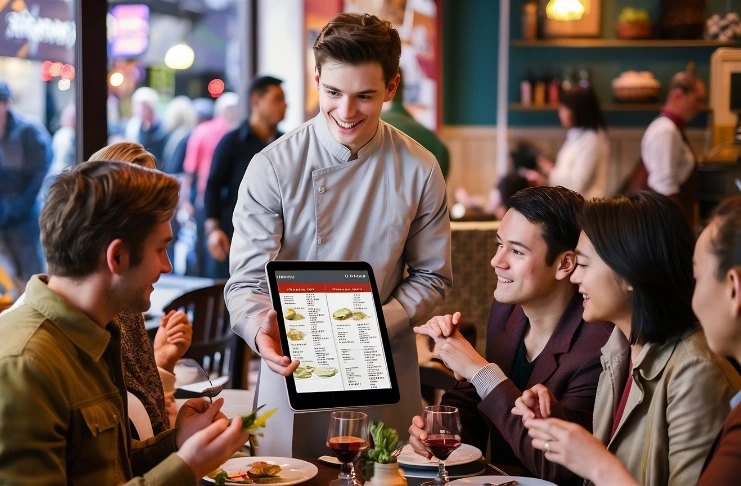
Restaurant technology services are the digital systems that support and automate day-to-day restaurant operations. They are designed to reduce manual work, improve accuracy, and give teams better control over how the business runs during service and beyond.
In fact, according to the National Restaurant Association’s Restaurant Technology Landscape Report 2024, 76% of restaurant owners say implementing technology gives them a competitive advantage in the industry.
The right restaurant tech tools support workflows across the operation:
- Front of house: order capture, billing, payments, table and queue management
- Back of house: kitchen coordination, inventory tracking, food cost control
- Management: sales reporting, labor monitoring, performance visibility
Earlier, many of these functions operated in isolation. Today, restaurants are shifting to connected systems that share data across teams, helping reduce errors, align workflows, and support faster operational decisions.
What are the Top Restaurant Technologies You Need?
Restaurant technology covers a broad range of systems that directly influence operational stability and efficiency. Here are the core restaurant tools to support your daily workflows and centralize decision-making-
1. Modern POS and Restaurant Management Systems
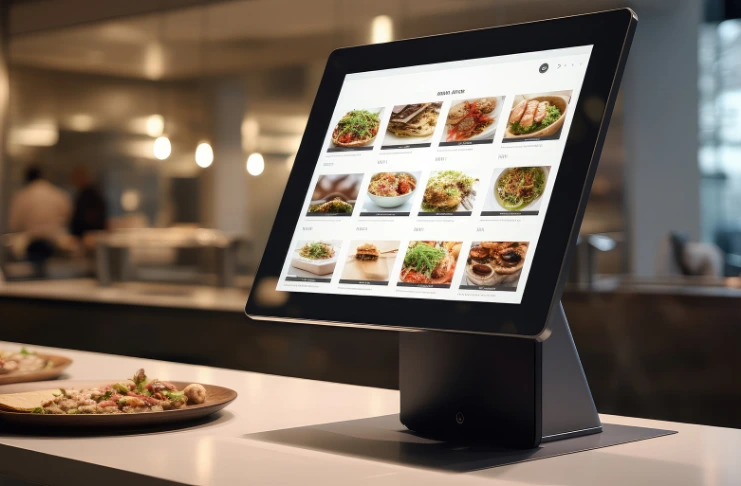
Modern POS systems no longer operate only as separate billing terminals. They are now also a part of broader restaurant management systems that connect sales, service, inventory, and reporting into a single operational layer. Together, they serve as the control centre for daily restaurant activity.
At a functional level, these systems support-
- Order capture and processing across dine-in, takeaway, and other service formats
- Payment handling, including digital and contactless payment methods
- Table, bill, and service flow management
- Direct integration with kitchen and back-of-house workflows
Beyond front-of-house operations, restaurant management systems extend visibility and control-
- Inventory and menu tracking tied to real-time sales
- Operational reporting and analytics throughout the day
- Sales versus labor performance metrics
- Item-level insights, including demand trends and waste indicators
Because most operational data originates here, POS-led restaurant management systems act as the nervous system of the restaurant, centralizing workflows, maintaining consistency, and reducing dependence on manual reconciliation.
2. Workforce Management Systems
Labor is one of the largest and most sensitive operational levers in a restaurant. Workforce and back-office tools help operators plan staffing accurately, track work hours reliably, and manage payroll and compliance without manual intervention.
A. Employee Scheduling and Shift Management
- Centralized schedules to manage availability, role requirements, and demand patterns
- It features a single system to manage shift assignments, swaps, and time-off requests
- Staffing plans that scale up or down based on expected service volume
B. Time Tracking and Attendance Management
- Capture precise clock-in and clock-out times across roles and shifts
- Track breaks, overtime, and attendance patterns automatically
- Improve payroll accuracy and support labor law and wage compliance
C. Payroll and HR Automation
- Automate wage calculations, taxes, and statutory deductions
- Centralize onboarding documents, employee records, and compliance requirements
- Reduce errors caused by manual data transfer between systems
D. Labor Reporting and Performance Metrics
- Dashboards combining sales, schedules, and actual labor hours
- Labor cost and productivity are visible at the shift and outlet levels
- Comparisons between planned staffing and real labor usage
These tools reduce administrative workload, minimize payroll and scheduling errors, ensure regulatory compliance, and give restaurant owners more time to focus on operations and teams.
3. Back-of-House Automation
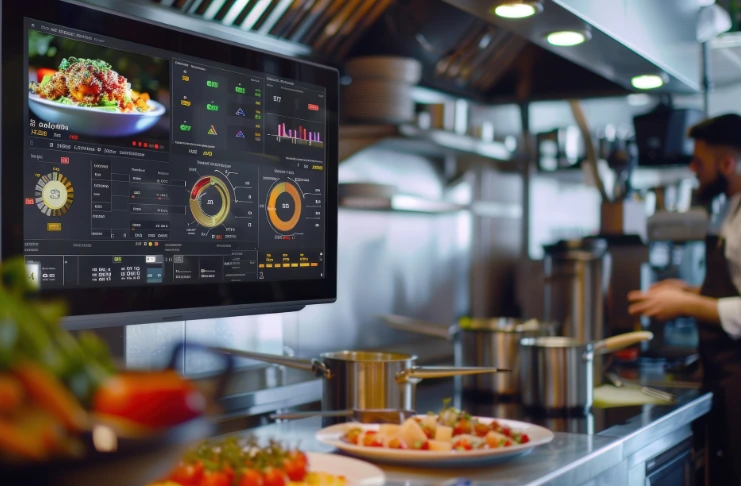
Back-of-house operations directly affect food cost, throughput, and consistency through smoother workflows. Inventory and kitchen, in particular, suffer when tracking relies on manual counts or disconnected tools. Automation through inventory management systems brings structure and traceability to these high-risk areas.
A. Inventory Management and Stock Control
- A centralized view of purchased ingredients, current stock levels, and daily usage
- Perishable tracking that records shelf life, expiry dates, and consumption patterns
- Adjusts inventory levels based on actual sales and prep activity
- Ingredient-level data that feeds food cost and variance analysis
B. Purchasing and Supply Automation
- System-generated purchase orders based on defined reorder points and usage trends
- Supplier records, invoices, and order histories are maintained in one place
- Visibility into procurement patterns that support cost control and planning
C. Kitchen Display Systems
- Kitchen display systems route orders digitally from the POS with item-level instructions
- Preparation status updates are shared between the kitchen and service teams
- Reduce dependence on printed tickets and verbal coordination
Back-of-house technology can improve accuracy, reduce manual handoffs, and bring predictability to day-to-day kitchen operations.
4. Customer-Facing and Guest Experience Tools
Guest-facing systems shape how orders are placed, tables are managed, and repeat visits are encouraged. When these tools are fragmented, small inefficiencies quickly surface as longer wait times, order errors, or missed revenue. When they are aligned, service becomes smoother and easier to scale.
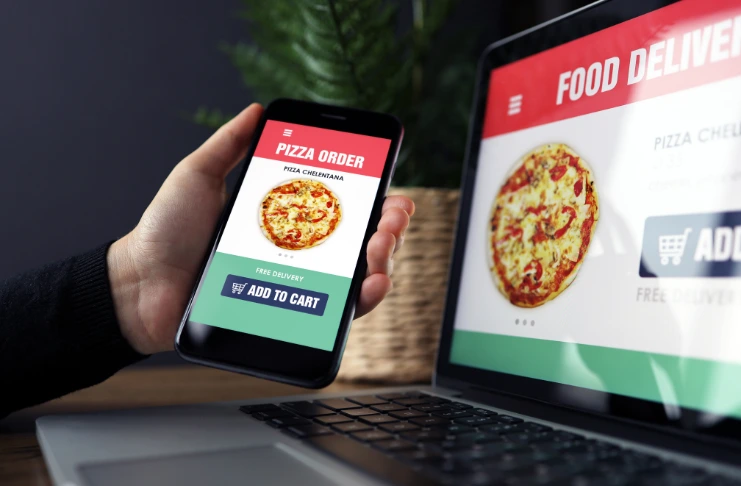
A. Online and Mobile Ordering Systems
- Restaurant website and food delivery app accept takeaway, pickup, and delivery orders directly
- Order flows are linked to kitchen and fulfillment systems to avoid re-entry
- Menu availability, pricing, and modifiers managed centrally
- They offer greater control over customer data, margins, and order consistency
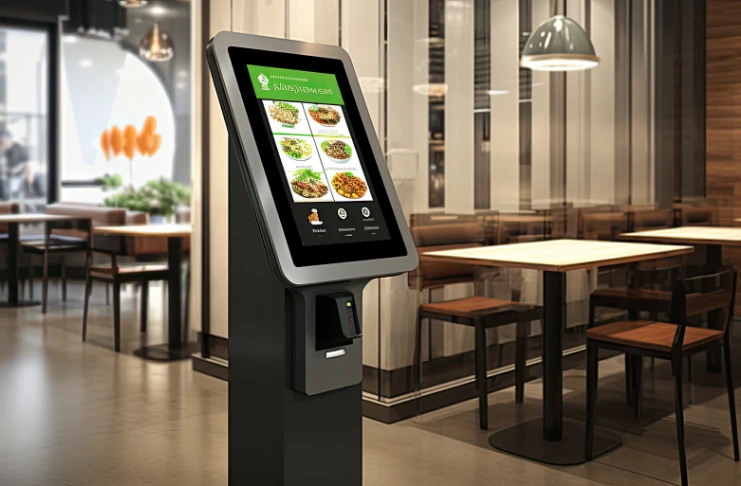
B. Self-Ordering, QR Menus, and Self-Ordering Kiosks
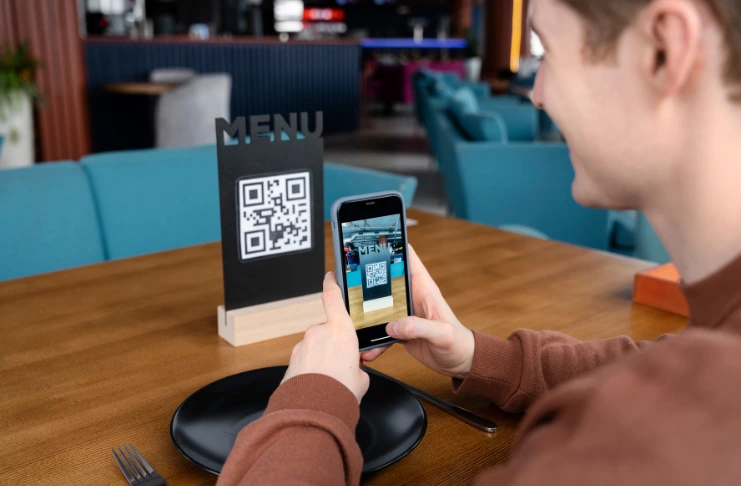
- Customer-initiated ordering through mobile menus or on-site terminals, such as self-service kiosks
- Item selection, customization, and payment are handled at the point of order
- Reduced dependence on frontline staff during peak periods
- Order accuracy supported by direct input rather than verbal relay
C. Reservation, Table, and Waitlist Management
- Online table reservations and table assignments are tracked in real time
- Waitlists managed digitally with updates communicated to guests
- Floor utilization is monitored to avoid overbooking or idle capacity
- Service pacing supported through visibility into guest arrival patterns
D. Customer Relationship Management and Loyalty Tools
- Guest profiles built from visit history, order behavior, and feedback
- Loyalty activity and rewards tracked across visits and channels
- Targeted outreach enabled through stored preferences and engagement data
- Repeat visits supported through consistent post-dining communication
E. Third-Party Delivery Channels
- Accept orders from third-party delivery platforms
- Sync menus, pricing, and item availability across delivery and takeout channels
- Route incoming orders directly to the kitchen and preparation systems
- Track delivery-specific sales, fees, and order volume separately from dine-in activity
These tools reduce friction at the guest interaction layer while giving operators stronger control over service flow, data ownership, and revenue channels.
5. Reporting, Analytics, and Business Intelligence
As restaurants add more operational systems, data becomes one of the most valuable and easily underused resources. Reporting and analytics tools bring together information from sales, labor, inventory, and guest activity to support faster, more informed operational decisions.
A. Operational Data and Performance Tracking
- Aggregate sales, order volume, and revenue data across service periods
- Surface peak hours, demand patterns, and channel-wise performance
- Compare revenue against labor and food costs to track efficiency
- Monitor inventory movement, waste levels, and variance over time
B. Integrated Reporting and Real-Time Visibility
- Pull data directly from POS, inventory, and workforce systems
- Update dashboards in near real time as service unfolds
- Reduce dependence on manual reports and end-of-day
- Provide managers with a single view of operational health
INDUSTRY INSIGHT
Choosing the Right Tech Stack: What Restaurants Should Consider Before Implementation?
Choosing restaurant technology is as much an operational decision as it is a technical one. The right setup depends on how a restaurant operates day to day, not on the number of features a system offers.
Before implementing or upgrading tools, you need to consider fit, integration, usability, and long-term impact on workflows. Here are the key factors to consider-
- Restaurant Type, Size, and Business Model: The technology needs of a quick-service outlet differ significantly from those of a fine-dining or multi-location operation. Factors such as service style, order volume, delivery mix, and outlet count should guide which tools are essential and which would add unnecessary complexity.
- System Integration and Data Flow: A strong tech stack depends on how well systems connect with one another. POS, inventory, kitchen, online ordering, and workforce tools should share data seamlessly to avoid silos that lead to duplicate work, reporting gaps, and operational inefficiency.
- Scalability and Long-Term Flexibility: You must evaluate whether systems can accommodate additional outlets, higher order volumes, expanded service channels, or new operational modules without requiring a complete replacement.
- Ease of Use, Training, and Total Cost: Complex systems can slow adoption and create resistance on the floor. A user-friendly interface, seamless onboarding processes, and ongoing vendor support are crucial for seamless tech implementation. Costs should be assessed beyond subscriptions, including hardware, implementation, training, and ongoing support.
- Phased Implementation and Rollout Planning: Attempting to automate all functions at once often creates disruption. A phased approach, perhaps starting with core systems such as POS, labor, and inventory, and adding in ordering, reservations, and CRM over time, allows the staff to adapt while maintaining operational stability.
Conclusion
Smooth restaurant operations depend on how well core systems work together. The right mix of operational systems helps teams execute consistently, manage costs with greater accuracy, and respond to daily changes without relying on manual workarounds.
As operations grow more dynamic, choosing connected, purpose-driven tools becomes a practical step toward stability and long-term performance, rather than a technology upgrade for its own sake.