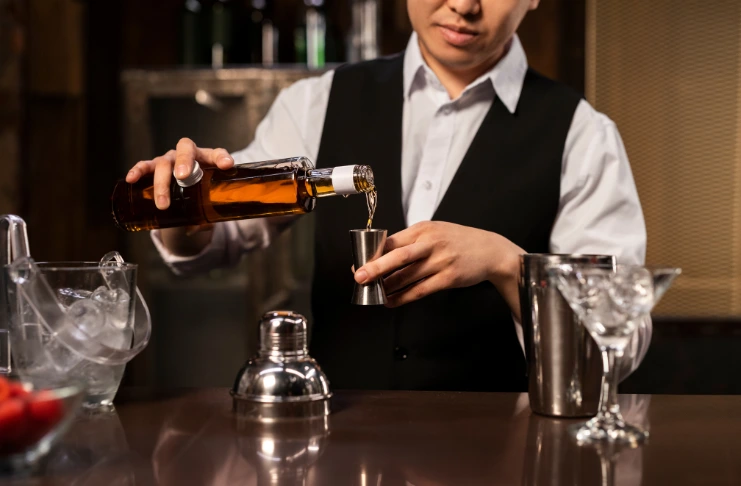

What is an Alcohol License for Restaurants?
An alcohol license is the legal authorization that allows a restaurant to sell and serve beer, wine, or spirits on its premises. Every state regulates this permission separately, and each license type comes with its own conditions related to what you can serve, when you can serve it, and what operational standards you must maintain.
For restaurant owners, it determines the structure of your beverage program, the compliance expectations you must follow, and the regulatory agencies you will interact with throughout your operating life.
At its core, obtaining the license confirms three things:
- Your business is eligible under state laws governing ownership, zoning, and food service requirements.
- Your establishment is compliant, meaning you have the proper layout, processes, and trained staff to serve alcohol responsibly.
- Your operation is accountable, with documented processes for ID checks, sales records, service practices, and incident reporting.
Because the licensing system varies by state, restaurants, bars, and pubs must align their service model with the license category they apply for—beer and wine only, full liquor, tavern, club, or other specialized classifications.
Understanding these distinctions at the outset helps operators budget correctly, design the right bar setup, and avoid compliance issues once the restaurant opens.
Why Do Restaurants Need an Alcohol License?

Restaurants need an alcohol license because state governments require formal authorization before any business can sell or serve alcoholic beverages. This license confirms that the restaurant meets the legal prerequisites for on-premise alcohol service and is operating within the state’s regulatory framework.
These requirements apply to every restaurant, regardless of size or concept, establishing the conditions under which alcohol can be served. The key benefits of getting a liquor permit include-
- Legal Compliance: It authorizes your team to sell alcoholic beverages within state and local regulations, preventing fines, penalties, or forced closures for non-compliance.
- Clear Service Standards: License requirements outline expectations for ID checks, responsible service, storage, and sales reporting, giving staff a defined operational framework.
- Regulatory Credibility: Maintaining a valid license signals to regulators, insurers, and stakeholders that your restaurant follows responsible practices and meets industry standards.
- Revenue Growth: Alcohol typically carries higher margins than food, and a licensed beverage program can increase average check value and overall profitability.
- Better Guest Experience: Offering beer, wine, or cocktails allows you to enhance your menu, introduce pairings, and appeal to customers who expect full-service dining options.
INDUSTRY INSIGHT
What are the Types of Alcohol Licenses for Restaurants in the U.S.?

Alcohol licensing in the U.S. is organized around two broad categories: on-premise and off-premise licenses. On-premise licenses allow customers to consume alcohol inside the establishment, which is the most common model for full-service dining.
Off-premise licenses authorize businesses to sell sealed alcohol for consumption elsewhere and are typically issued to retailers, not restaurants. Within the on-premise category, states offer several license types that determine what you can serve, how you can serve it, and what operational rules apply. Here are the key on-premise licenses for a restaurant-
A. Beer and Wine License
A beer and wine license allows restaurants to serve only malt beverages and wine for on-premise consumption. It is often simpler to obtain than a full liquor license and comes with lower fees and fewer restrictions in many states.
This option suits restaurants with a limited beverage program, casual dining concepts, or menus where wine pairings and craft beers deliver sufficient variety. While the license excludes spirits and liquors, it still requires the restaurant to meet state standards for ID checks, responsible service, and operational compliance.
B. Full Liquor License
A full liquor license authorizes you to sell wine produced, beer, and distilled spirits. It offers the greatest flexibility for building a comprehensive beverage program, including cocktails, specialty drinks, and spirit-forward menus.
Because it carries broader privileges, states typically impose stricter requirements, higher fees, and more rigorous background checks for applicants. For many full-service restaurants, this license unlocks higher-margin drink offerings and supports a more competitive menu strategy.
C. Tavern License
A tavern license is intended for businesses in which alcohol sales represent a significant portion of total revenue. Some states define eligibility based on minimum beverage sales, while others require a smaller food service component compared to a standard restaurant license.
This license applies to operations that maintain a bar-forward model but still offer some level of prepared food. Restaurants must review their state’s revenue ratio rules to confirm whether their concept aligns with tavern licensing criteria.
D. BYOB License
In states where permitted, a BYOB (Bring Your Own Bottle) license allows customers to bring their own beer or wine to the restaurant. Not all jurisdictions require a formal license, but some impose registration, safety measures, or restrictions on service practices.
Restaurants using a BYOB model must understand local rules regarding corkage fees, age verification responsibilities, and limits on the types of alcohol guests may bring.
E. Special Event License
A special event license authorizes temporary alcohol service for a defined period, typically for catered events, pop-ups, festivals, or private functions. Restaurants may apply for these permits when hosting off-site events or when adding alcohol service beyond their standard license privileges.
Approval timelines and requirements vary by state, but most involve event-specific conditions such as dates, locations, and service controls.
F. Quota License
Some states operate under a quota system, issuing a limited number of full liquor licenses based on population. Since supply is restricted, quota licenses can be costly and may require purchasing an existing license on the secondary market.
Restaurants in quota states must factor availability, transfer rules, and higher acquisition costs into their planning. This license type often has the longest wait times and the highest investment requirements.
What are the Alcohol Licensing Requirements for Restaurants?
Before submitting an application, restaurants must meet operational, structural, and compliance criteria that verify eligibility under state laws. While specific expectations vary by state, most jurisdictions evaluate the same core aspects-
1. Ownership, Legal Entity, and Background Check Requirements
States require restaurants to demonstrate that their ownership structure is fully compliant and transparent. Key expectations include:
- Business Registration: Your restaurant must be organized as a legal entity, typically an LLC or corporation, before applying.
- Federal EIN: An employer identification number is mandatory for tax and reporting purposes.
- Background Checks: Owners, officers, and sometimes managers must undergo fingerprinting and criminal history screening to verify good moral character and lawful eligibility to hold a license.
- Financial Disclosures: Some states require proof of financial responsibility, tax compliance, or source of funds to ensure the business can operate without regulatory risk.
2. Facility, Layout, and Zoning Requirements
A restaurant must show that its physical space and location meet the standards for on-premise alcohol service. Typical requirements include:
- Zoning Approval: The premises must be located in an area where on-premise alcohol service is permitted, and some cities require formal zoning verification before the application is accepted.
- Proximity Rules: Many states enforce minimum distance requirements from schools, religious institutions, or hospitals to limit alcohol service near sensitive locations.
- Floor Plans: Regulators review detailed layouts of dining rooms, bar stations, storage rooms, and points of sale to ensure safe traffic flow, proper alcohol storage, and compliant service areas.
- Outdoor Areas: Patios or sidewalk seating may require additional approval because outdoor service affects visibility, monitoring, and neighborhood noise regulations.

3. Staff Training and Responsible Service Requirements
States increasingly require restaurants to demonstrate responsible service practices.
Common expectations include:
- Mandatory Employee Training: Many states require servers to complete approved alcohol safety programs that cover ID verification, intoxication assessment, and legal responsibilities.
- Manager-Level Requirements: Some jurisdictions require managers to hold advanced certifications, since they oversee staff practices and respond to enforcement visits.
4. Insurance Requirements
Liquor liability insurance is a common requirement and protects the business from claims related to alcohol service.
- Coverage Minimums: States may specify minimum policy limits to ensure the restaurant can cover damages related to overservice or alcohol-related incidents.
- Premium Considerations: Costs vary based on concept, hours of operation, alcohol sales volume, and claims history, making it important to align coverage with projected service levels.
- Regulatory Purpose: Proof of insurance reassures regulators that the restaurant can absorb liability risks and maintain responsible operating practices.
How to Apply for an Alcohol License for Your Restaurant?
Applying for an alcohol license is a detailed, multi-stage process that involves state, county, and sometimes city-level reviews. Each step verifies whether your restaurant meets the operational, zoning, and compliance standards required for on-premise alcohol service.
While timelines vary by state, the overall workflow follows a consistent sequence. The steps below outline how restaurants can move through the process efficiently and reduce delays.
Step 1: Understand Local Regulations and Choose License Type
Every state regulates alcohol differently, and many delegate additional authority to counties or municipalities. Before starting the application, you need a clear understanding of what your jurisdiction allows, what restrictions apply, and which license type aligns with your service model.
Some states offer simplified paths for restaurant beer-and-wine service, while others maintain quota systems that limit access to full liquor licenses. Reviewing these rules early helps you set accurate expectations for costs, documentation, timelines, and operational requirements.
This step also ensures you select the appropriate license — beer and wine only, full liquor, tavern, BYOB registration, or any other classification used in your state.
Step 2: Confirm Zoning Compliance
Zoning compliance is a prerequisite before you can proceed with a license application. A restaurant must be located in an area where on-premise alcohol service is allowed, and many cities require zoning verification from the planning or zoning department.
You may also need to confirm additional restrictions, including:
- Minimum distance from schools, religious institutions, or residential zones
- Approval for outdoor dining, patios, or sidewalk seating
- Local noise or operating-hour ordinances
- Parking and ingress/egress requirements for alcohol-serving establishments
Resolving zoning issues early prevents application denials and avoids rework later in the process.
Step 3: Prepare Licensing Documentation
Once zoning is cleared, the next step is assembling the documents required by your state’s Alcohol Beverage Control (ABC) agency. While the exact documentation varies, most states require a combination of business, facility, and personal disclosures.
Common documentation includes:
- Business formation documents: Articles of organization/incorporation, operating agreements, partnership agreements, or corporate bylaws.
- Federal EIN: Verification issued by the IRS.
- Ownership disclosures: Personal information, financial ownership percentages, and background forms for all officers, partners, or members.
- Fingerprinting and background checks: Required for owners and sometimes managers, conducted through state-approved vendors.
- Financial statements: Proof of funding, bank letters, or documentation showing legitimate sources of capital.
- Lease or property deed: Confirming legal right to occupy and operate at the proposed location.
- Restaurant licenses: This includes key restaurant permits like food service license, restaurant floor plans, health and safety permits, building licenses, and business licenses.
- Zoning verification: It confirms that the premises are approved for on-premise alcohol service.
- Staff training certificates: In states where training must be completed before the license is issued.
- Liquor liability insurance: Required in jurisdictions where proof of coverage must accompany the application.
Organizing these documents in advance helps avoid delays when state agencies request clarifications or additional information.
Step 4: Submit the Application and Pay the Fees
With documentation prepared, the next step is submitting your application through the state ABC portal or local licensing office.
Most states require both application fees and initial licensing fees at this stage. Fees vary widely based on license type, population density, and whether your state operates under a quota system.
During submission, regulators review the application for completeness. Any errors or omissions can cause the entire file to be returned, so accuracy is essential.

Step 5: Post Public Notice/Newspaper Notice
Many jurisdictions require restaurants to notify the surrounding community of their intent to serve alcohol. This involves-
- Posting a notice at the restaurant entrance for a set number of days
- Publishing a legal notice in an approved local newspaper
- Allowing a defined period for public comments or objections
These notices give residents and nearby businesses an opportunity to raise concerns. Restaurants that demonstrate strong operational practices, clear service policies, and responsible management often move through this step without issue.
Step 6: Prepare for Police or Local Authority Review
Law enforcement and local governing bodies may review your application to assess the suitability of the location and the business’s ability to maintain safe operations. This review can include interviews, meetings, or requests for additional information.
Local officials typically evaluate:
- Your security plans and ID-check procedures
- Hours of operation
- Bar layout and visibility
- Management experience and training
- Past compliance history (for existing operators)
A cooperative approach during this review supports timely approvals.
Step 7: Undergo Inspection and Wait for Approval
Before a license is issued, bars and pubs usually undergo an on-site inspection by the ABC or a local licensing inspector. This ensures the layout matches the submitted floor plan, storage areas are secured, signage is in place, and the space is ready for compliant alcohol service.
Once the inspection is passed and all reviews are complete, the state issues the alcohol license. Timelines can range from 30 to 180 days, depending on state complexity and license type. Restaurants can then begin alcohol service in full compliance with state regulations.
What is the Cost of Obtaining a Liquor License?

The cost of an alcohol license varies substantially across the United States because each state, and often even each city or county, sets its own fee structure.
The cost depends on the type of license you apply for, whether your state operates under a quota system, and what level of review is required during the application process.
That said, an alcohol license can cost anywhere between $50-$300,000, with the average cost around $1,400. As a result, you must budget for both the direct licensing fees and the additional expenses tied to compliance, inspections, and insurance.
- Application and Licensing Fees
Beer-and-wine licenses typically fall at the lower end of the fee range, while full liquor licenses carry higher initial and annual costs.
Some states charge a single, standardized fee, while others adjust pricing based on the size of the municipality, population density, or the type of establishment.
In quota states, where the number of full liquor licenses is capped, the cost can increase significantly due to scarcity and the need to purchase an existing license on the secondary market.
- Local Fees and Administrative Charges
Cities and counties may add their own licensing charges on top of state fees. These can include application surcharges, processing fees, and charges for background checks, fingerprints, or zoning verification.
Restaurants should also factor in legal or consulting fees if they choose to work with specialists who manage compliance and filings.
- Renewal Fees
Alcohol licenses must be renewed annually or biannually, depending on state rules. Renewal fees may be lower than initial licensing fees, but restaurants must account for recurring costs such as training renewals, updated documents, or changes in ownership disclosures.
- Compliance-Related Costs
Additional expenses may arise from mandatory staff training programs, facility modifications requested during inspections, or liquor liability insurance, required in many states before approval.
Insurance premiums vary based on sales volume, concept type, and operating hours, making it important to match coverage levels with projected alcohol activity.
Given these variables, planning ahead is essential. Restaurants should research state and local fee schedules early in the process and assess whether quota restrictions, high-demand markets, or multi-agency approvals will affect total licensing costs.
What are the Compliance Obligations for Restaurants Serving Alcohol?

Restaurants must maintain continuous compliance after obtaining a license, with regulators focusing on age verification, reporting, and responsible service.
State agencies expect restaurants to demonstrate active oversight, consistent enforcement of policies, and readiness for inspection at any time.
1. Age Verification and ID Checks
Age verification is one of the most important compliance responsibilities for restaurants serving alcohol. Regulators expect businesses to use reliable ID-checking procedures and train staff to recognize valid identification.
- Accepted IDs: Most states accept government-issued IDs such as driver’s licenses, state IDs, passports, and military IDs. Restaurants must ensure staff know which formats are acceptable and how to detect tampering or expired documents.
- High-Risk Scenarios: Locations near college campuses, entertainment districts, or late-night service areas face higher scrutiny. In these environments, regulators expect a stricter ID-check process, including second-step verification if a guest appears younger than the legal drinking age.
- Penalties for Violations: Selling alcohol to minors can lead to fines, license suspension, or mandatory retraining. Repeat violations may result in permanent revocation, making strong ID-verification procedures essential for long-term compliance.
2. Hours of Sale and Service Conditions
Restaurants must follow state rules governing when alcohol can be sold and how service must be conducted. These rules differ significantly across the country.
- Local Ordinances: Cities and counties can impose additional limits that override state rules. Restaurants must confirm both sets of regulations to avoid unintentional non-compliance.
- Last-Call Requirements: Many jurisdictions require restaurants to stop serving alcohol at a specific time and follow consistent last-call procedures. Staff must be trained to manage the cutoff while maintaining guest safety and preventing overservice.
3. Recordkeeping and Reporting Requirements
Accurate recordkeeping is a central part of alcohol compliance. Regulators rely on documentation to verify that restaurants purchase alcohol from licensed suppliers, track sales accurately, and maintain transparent operations.
- Purchase Records: Restaurants must keep detailed records of all alcohol purchases, including supplier information, quantities, and dates. These records confirm that all products were obtained from approved distributors.
- Sales Records: Point-of-sale data, register receipts, and end-of-day reports help demonstrate accurate alcohol sales reporting and support tax compliance.
- Supplier Invoices: States may request invoices during inspections to verify product traceability and ensure no unauthorized purchases were made.
- Inspection Readiness: Records must be organized, accessible, and up-to-date. Inspectors often ask for documents with no advance notice, so maintaining a consistent filing system is essential.
What are the Different Alcohol License Rules for Restaurants by State?
Alcohol laws vary significantly across the United States, and these differences affect how restaurants apply for licenses, structure their beverage programs, and manage daily operations.
Understanding these variations is essential for any operator expanding into new markets or opening locations in states with strict regulatory frameworks.
1. Quota System
Some states limit the number of full liquor licenses available within a city or county based on population. Demand often exceeds supply, creating a secondary market where restaurants must purchase licenses from existing holders.
- For example, states such as Florida, Michigan, New Jersey, and Pennsylvania are commonly listed among quota states where full liquor license availability is capped.
- In these states, restaurants may need to purchase an existing license on the secondary market, which significantly increases acquisition costs and timelines.
- Businesses may face long waitlists or need to negotiate private transfers, adding time and cost to the opening timeline.
- Operators should review transfer rules, escrow requirements, and approval processes early, as these steps can take months to finalize.
2. Dry Counties
Although less common today, certain counties or municipalities restrict alcohol sales entirely or allow only limited permissions.
- Dry or partially dry counties may prohibit on-premise liquor sales, permitting you to only sell beer or wine, or banning all alcohol sales within the jurisdiction.
- Restaurants operating in or near these regions must confirm local regulations before finalizing their service model or negotiating leases.
- Some dry counties allow alcohol service through special ballot measures or precinct-level voting, which adds another layer of regulatory variation.
3. Hours of Operation and Sale
Each state sets its own rules for when alcohol can be sold, and local governments can further restrict those hours.
- Some states allow early morning or late-night service, while others impose strict cutoffs. For instance, in many parts of California, on- and off-premises consumption of alcohol is permitted from early morning until roughly 2 a.m. daily.
- Cities may enforce earlier closing times than the state, particularly in residential neighborhoods or entertainment districts.
- Restaurants must align their operating hours, staffing, and last-call procedures with both state and municipal regulations.

4. BYOB Permissions
Not all states treat BYOB in the same way. In some locations, restaurants may allow guests to bring their own wine or beer without a license; others require a permit or prohibit the practice entirely.
- Regulations may govern corkage fees, types of alcohol permitted, and whether staff can open or pour guest-provided beverages.
- Even when BYOB is allowed, restaurants remain responsible for verifying age and preventing overservice.
5. Sunday Sales Requirements
Sunday alcohol laws vary widely across states and often come with special restrictions.
- Some states allow full service, while others limit hours, restrict liquor sales, or allow only beer and wine.
- Special Sunday permits may be required, especially in historically conservative counties or cities.
- Operators should confirm holiday and Sunday rules together, as both often have unique conditions.
What are the Common Mistakes to Avoid When Applying for Alcohol Licenses?
Alcohol license applications are rejected or delayed most often because of preventable errors. Understanding where operators commonly go wrong helps reduce risk and keeps the approval process moving smoothly.
- Incomplete or Inconsistent Documentation: Missing signatures, outdated floor plans, mismatched ownership details, or incomplete forms can cause immediate delays. Regulators verify every detail, so all documents must align across business information, zoning approvals, and personal disclosures.
- Wrong License Type: Applying for a beer-and-wine permit when the concept requires full liquor privileges forces operators to restart the process later. Confirming the right license category upfront prevents rework and ensures the service model aligns with regulatory permissions.
- Overlooking Zoning and Distance Restrictions: Some locations are not eligible for on-premise alcohol service due to zoning rules or proximity to schools, religious institutions, or hospitals. Failing to check these restrictions before applying—or before signing a lease—can result in automatic denial.
- Not Preparing for Public Notice Requirements: Many states require posting a notice on the licensed premises or publishing announcements in a local newspaper. Operators who fail to complete this step correctly may face delays or be required to restart the notice period.
- Missing Staff Training Requirements: Some states require server training certifications before the license is issued. Missing or expired certificates can delay approval or trigger corrective actions during inspection.
- Failing to Budget for All Fees: Licensing comes with multiple expenses, including state fees, local administrative charges, fingerprints, newspaper notices, and in some states, secondary-market license purchases. Incomplete payments or budgeting gaps can pause processing.
Conclusion
Securing an alcohol license requires careful preparation, attention to state-specific rules, and a clear understanding of the responsibilities that come with serving alcohol.
When you approach the process methodically, from confirming zoning, choosing the correct license type, to organizing documentation and planning for ongoing compliance, you can reduce delays and ensure long-term operating stability.
With the right groundwork, an alcohol license supports stronger revenue opportunities, safer service practices, and a well-structured beverage program that fits the restaurant’s goals.