Press ESC to close

SEO Marketing for Restaurants: Effective Restaurant Search Engine Marketing Strategies

Read summarized version with

Table of Contents

In today’s digital age, hungry diners no longer expect just good food. They whip out their phones and search for the perfect spot. That’s where SEO, or Search Engine Optimization, comes into play. By optimizing your restaurant online presence, you can climb search engine results pages and ensure your delicious offerings are the first thing potential customers see. This includes enhancing your website content, ensuring your restaurant is listed in online directories and review sites, and facilitating online ordering. By strategically improving these aspects, you can thrive in a competitive market where users search for dining options.

This blog will be your guide to optimizing restaurant SEO, teaching you how to attract more diners, fill your tables, and grow your business to new heights.

Local SEO Optimization

Local search engine optimization allows your restaurant to appear in local search queries, which increases the possibility of customers locating your eating place. Implementing effective SEO strategies can significantly boost your visibility. Here are some restaurant SEO tips: target specific keywords related to your location and cuisine, use seo strategies to improve your content, and focus on gaining higher search rankings. By integrating these tactics into your marketing strategy, restaurant owners can ensure their business appears in relevant searches and attracts more local customers.

Here are key methods to enhance your restaurant search engine optimization:

1. Secure and maximize your Google My Business Listing

Google My Business (GMB) is critical for neighborhood search engine optimization. Making your GMB profile more engaging can also contribute to developing your restaurant’s visibility in searches and Google Maps.

Steps for GMB customization:

  • Get your registration: Visit Google My Business and click on the ‘Save’ button to keep your commercial enterprise.

  • Complete your profile: Provide accurate information, including your name, address, telephone number, internet site, etc.

  • Add Photos: You must add fine photographs of your restaurant, the menu, and the living room.

  • Collect evaluations: Ask customers to write a testimonial if they have had a fantastic experience with your enterprise.
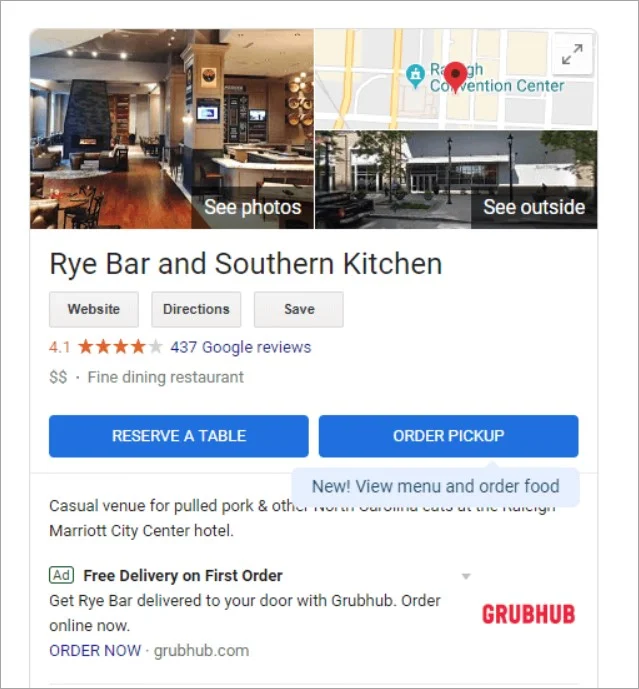
Google My Business list for a restaurant featuring images and opinions.

Source – WP Codeus

Example:

A neighborhood café in San Francisco, Sunny Café, has stepped up its GMB list by adding colorful photographs and prolonged hours of operation, growing foot visitors by 30% in 3 months.

2. Use Local Keywords

Ensure that your website contains regional key phrases to capture clients’ attention inside your area. This could be written as: ‘The high-quality pizza in New York’ or ‘The best authentic sushi in Los Angeles.’

Example:

An Austin bakery, for instance, used ‘excellent cake in Austin’ on its homepage, which gave it a few of the first effects that a nearby might locate.
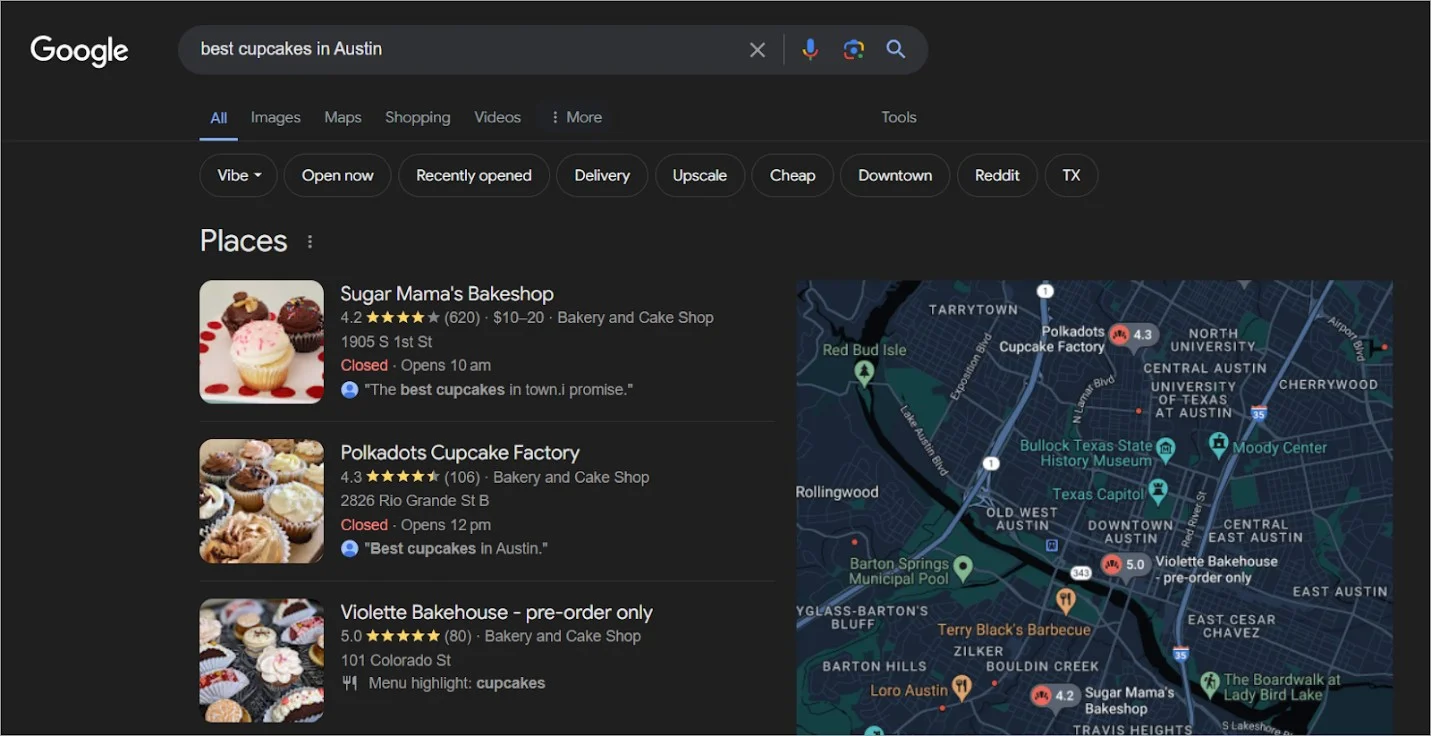
Screenshot of Google search results revealing “best cupcakes in Austin”.

Source – Fit Small Business

3. Get Listed in Local Magazines

Listing your restaurant on local sites like Yelp, TripAdvisor, and Zomato improves local SEO and increases credibility. This can help you reach new customers who trust these directories and use them while looking for a suitable restaurant.
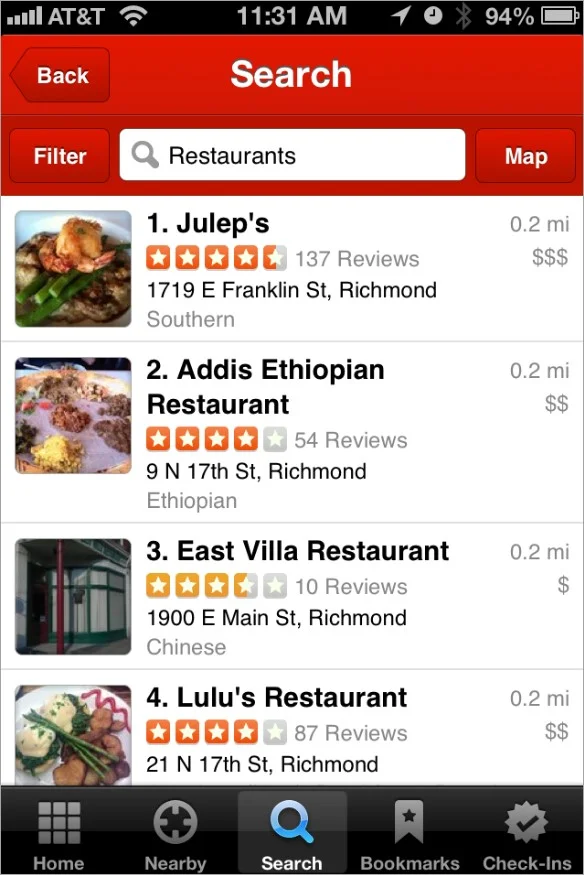
Restaurants listed on Yelp.

Source – The Hodges Partnership

4. Create Location-Specific Content

Write blog posts or create videos highlighting local events, working with local businesses, or community engagement. This will increase your SEO and local contact.

Example:

A Miami seafood restaurant created blog posts about local fishing news and partnered with nearby fish markets, attracting more local customers.

Blog post about local fishing programs on a restaurant website.

Source – Wired 2 Fish

On-Page SEO

On-page SEO focuses on optimizing individual web pages to attract more relevant traffic to rank higher in search results. Here are some important on-page SEO techniques:

1. Customize Title Tags and Meta Descriptions

Title tags and meta descriptions are essential for search engine rankings and click-through rates. Make sure it’s short, relevant, and includes particular keywords.

Example:

The restaurant’s home page reads “Best Italian Restaurants in Denver | Delicious Pasta and Pizza,” and the meta description reads, “Check us out for the best Italian food in Denver. Enjoy authentic pasta, pizza, and more.”

Search engine results with a customized title tag and meta description.

Source – Strikingly

2. Use Header Tags Appropriately

Organize content with header tags (H1, H2, H3) to improve readability and SEO. The main keyword should include the H1 tag, and the subheadings should have a clear structure.

Example:

Restaurant blog posts about the new menu can use the H1 tag “New Summer Menu at XYZ Restaurant” and the H2 tag for each new dish.
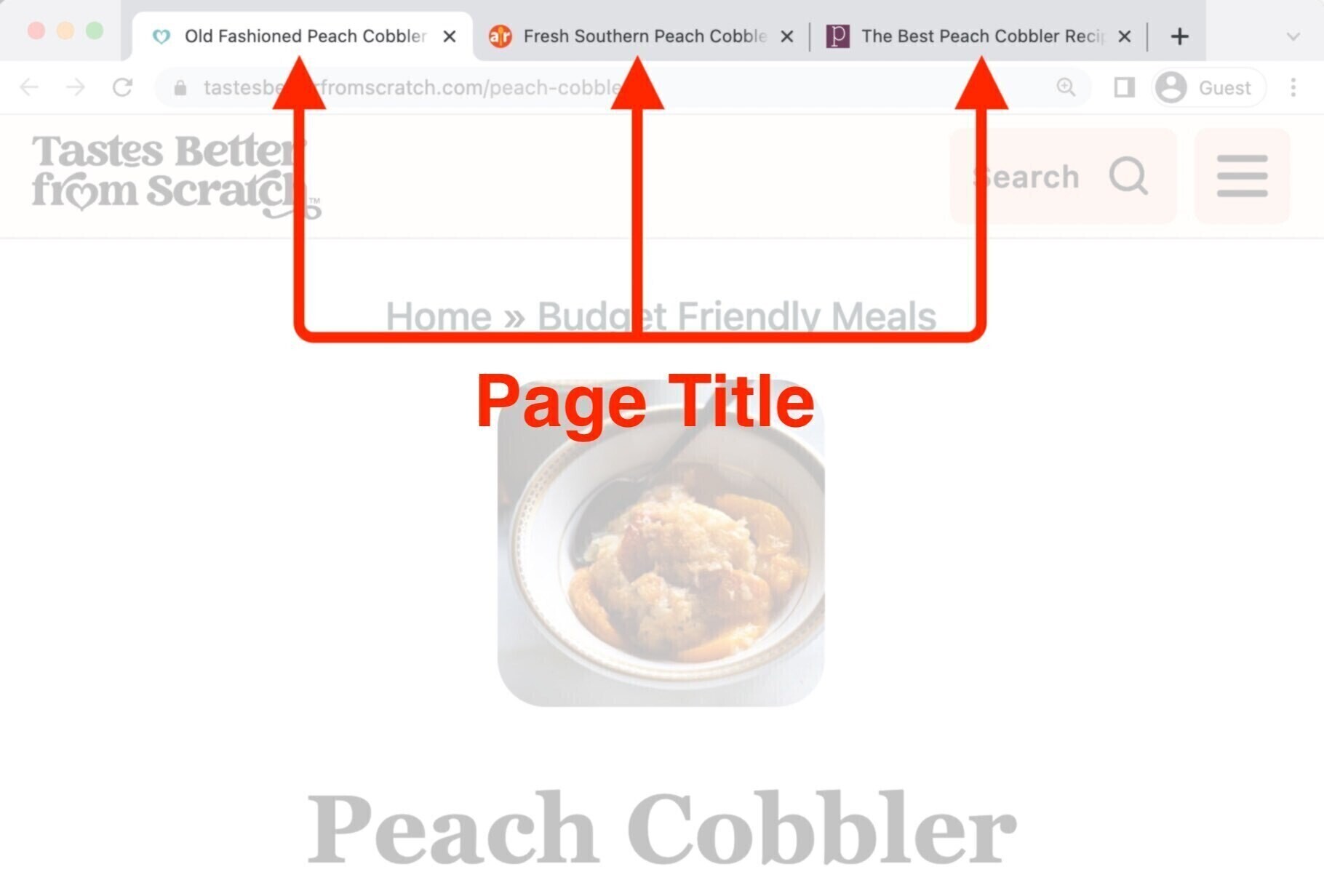
An example of a blog post with title tags.

Source – Semrush

3. Optimize Images With Alt Text

Use descriptive alt text for images to improve SEO and accessibility. Ensure the alt text includes the right keywords and accurately describes the image.

Example:

The picture of the signature dish should have the alt text “Delicious Margherita Pizza with Fresh Basil at XYZ Restaurant”.
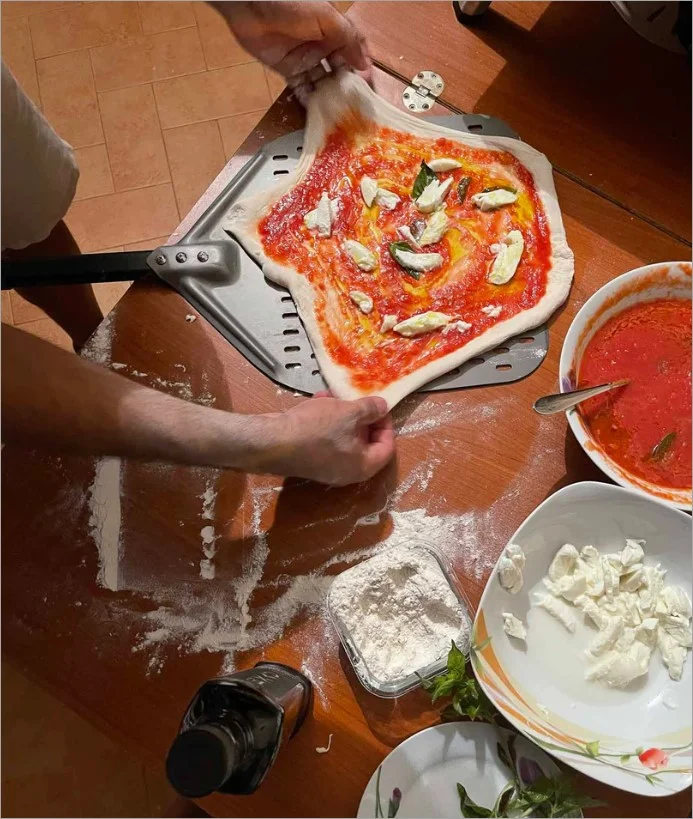
Delicious Margherita pizza with fresh basil at XYZ restaurant.

Source – EXAU Olive Oil

Technical SEO

Effective SEO marketing for restaurants can fill your table and increase your visibility online. Getting technical SEO and content marketing right lets your restaurant attract more diners and generate loyal customers. This section will explore the essentials of SEO for restaurants, providing practical examples, statistics, and tips to help your business.

1. Optimize Website Speed

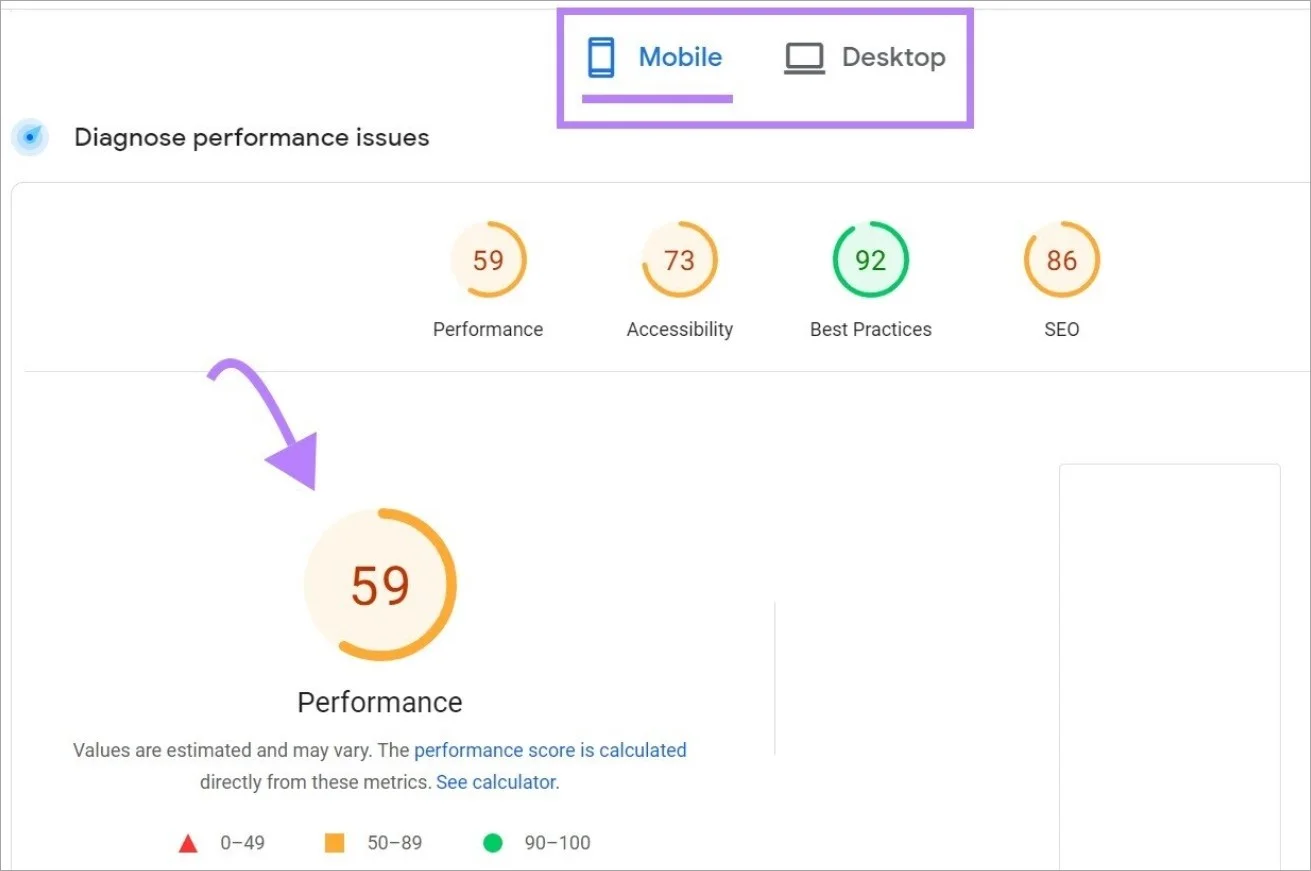
A fast website is important for retaining visitors and improving your search engine ranking. Google reports that 53% of mobile site visitors leave pages that take more than three seconds to load. Use tools like Google PageSpeed ​​Insights to analyze and improve your site’s performance. An example of a restaurant’s mobile-friendly website design.

Source – Semrush

2. Mobile-Friendly Design

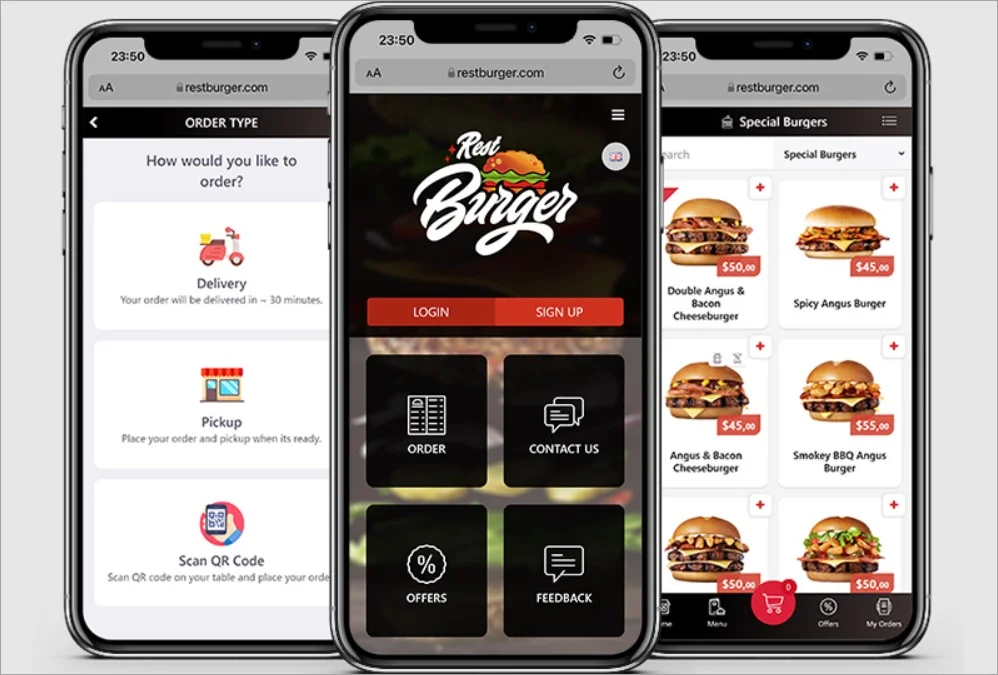
More than 64% of searches are now done on mobile devices, so having a mobile-friendly site is essential. Ensure your website is responsive and provides the best user experience across all devices. An example of a restaurant’s mobile-friendly website design.

Source – RestApp

3. Use Structured Data

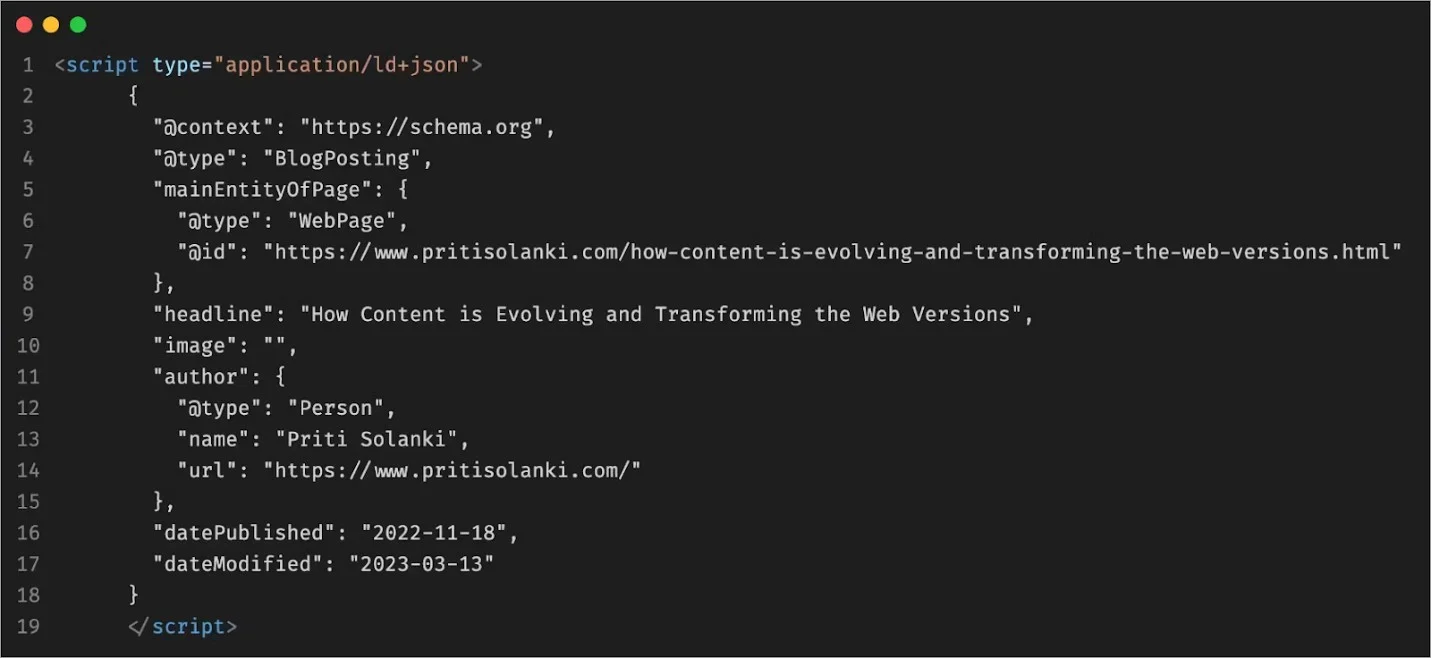
Structured data helps search engines better understand your content and can increase your search visibility with high-quality snippets. Use Schema.org markup for menus, shapes, and business details. JSON-LD structure data model for a restaurant.
Source – Hashnode

4. Do the Local Research Thoroughly

Local SEO is important for restaurants because it helps you appear in search results and Google Maps. Take your Google My Business listing, make sure your NAP (name, address, and phone number) is consistent across platforms, and collect reviews.
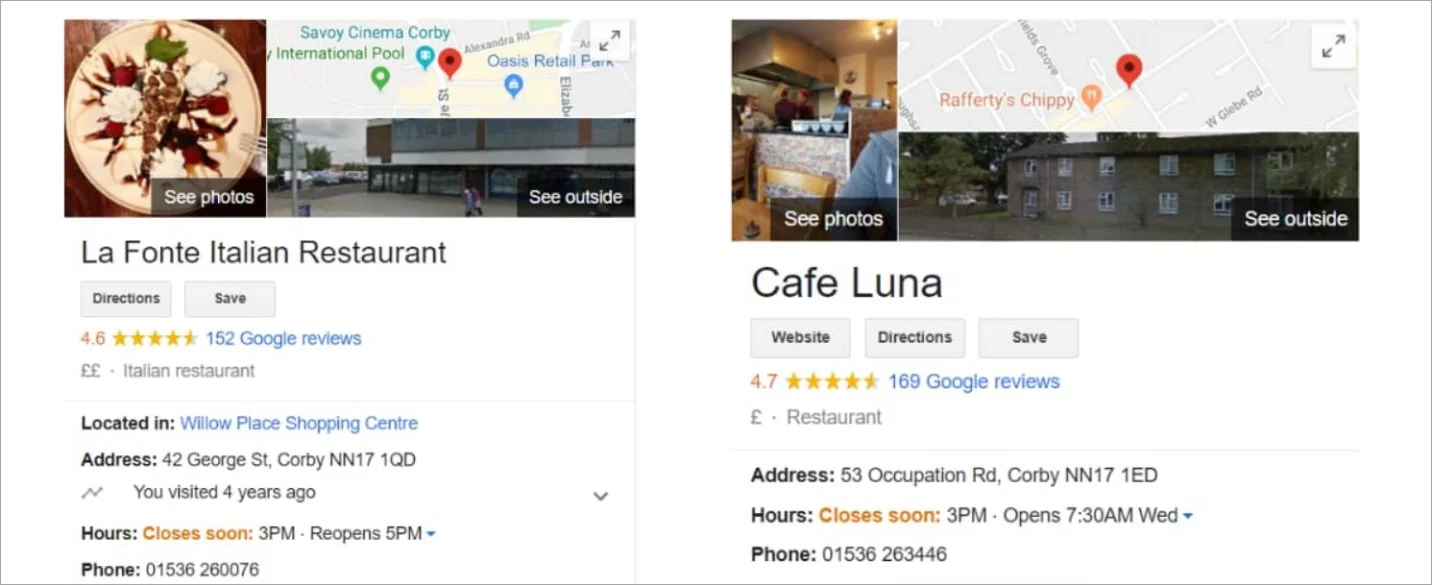
An example of a Google My Business profile created for a restaurant.

Source – Online Ownership

Content Marketing

SEO marketing for restaurants includes both technical SEO and content marketing. By optimizing website speed, making sure it’s mobile-friendly, using structured data, and focusing on local search, you can improve your restaurant’s online jump to attract and retain customers through blog posts, recipes, videos, and user-generated content. Add interesting content to this effort. Start using these strategies today and watch your restaurant business grow online.
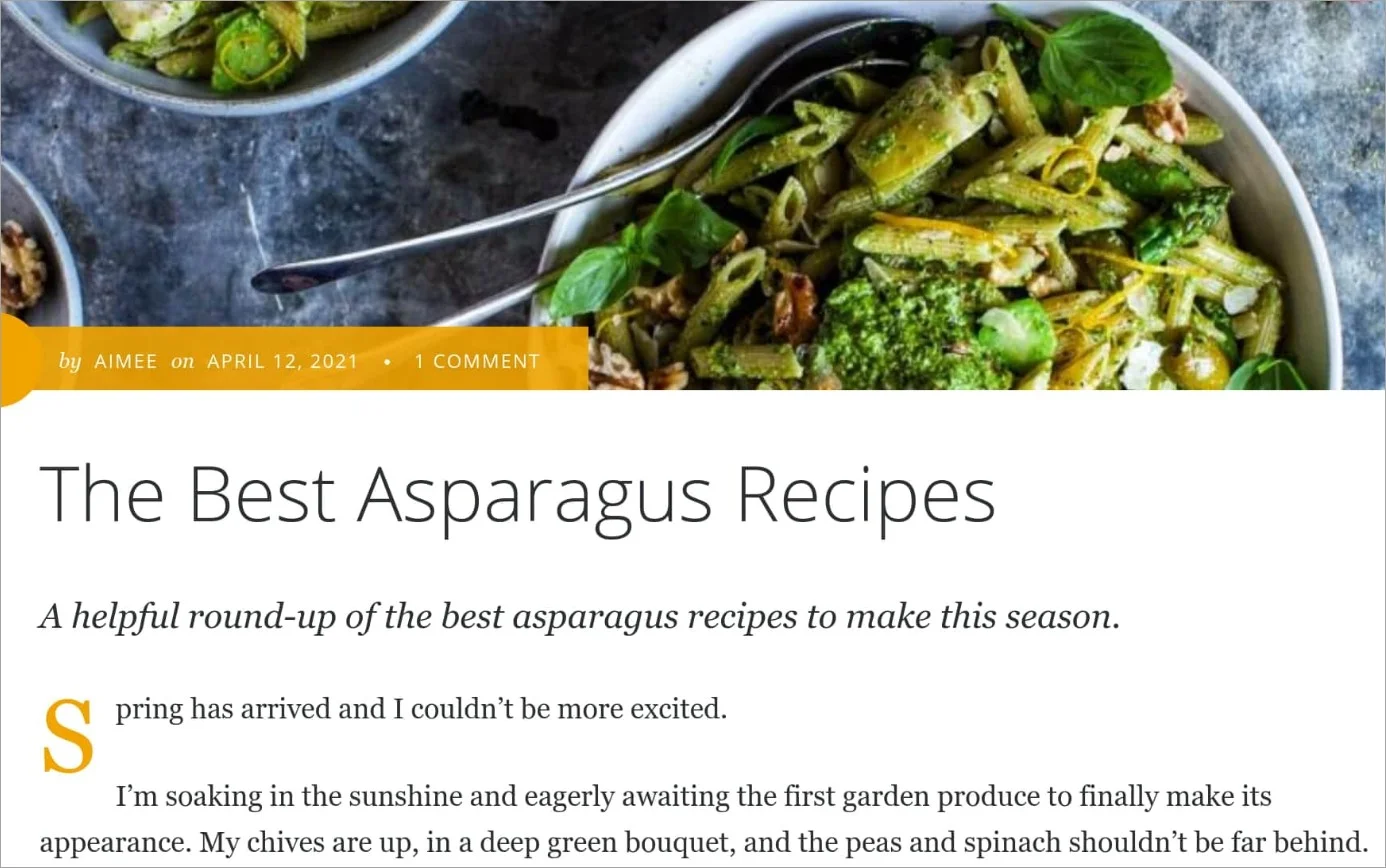
Source – Bootstrapped Ventures

1. Blog About Local Food Trends

Creating blog posts about local food trends and events can position your restaurant as a local hub and increase your SEO. Write about seasonal ingredients, food festivals, and community partnerships.

2. Share Recipes and Cooking Tips

Sharing recipes can attract a larger audience to your website, showcase your culinary skills, and attract potential customers. Use high-quality graphics and step-by-step instructions.

3. Create Interesting Videos

Video can dramatically increase engagement and keep visitors on your website longer, improving your SEO. Create behind-the-scenes photos, cooking tutorials, and customer testimonials.

4. Use Social Media

Promote your content on social media to reach a wider audience and drive traffic back to your website. Use platforms like Instagram, Facebook, and TikTok to share mouth-watering photos, special offers, and event announcements.
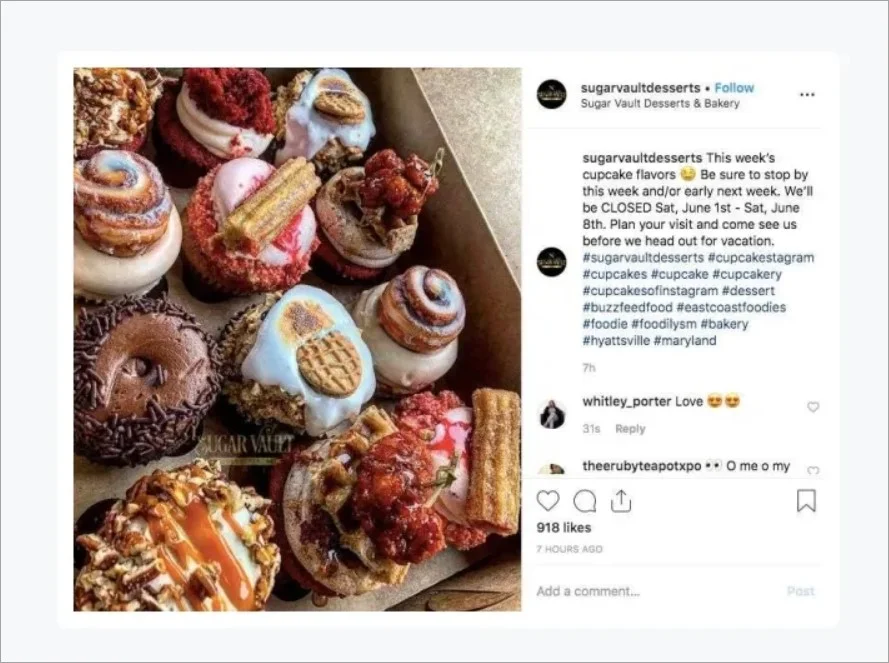
An Instagram post showing the bakery’s daily specials with a branded hashtag.

Source – StatusBrew

5. User-Generated Content

Encourage customers to share their experiences and brand your restaurant on social media. Information acts as authentic testimonials and can increase engagement and trust.

Photo of a burger customer with the hashtag #BestBurgerInTown.

Source – Hashtag Burgers

Review Management

Search engine optimization (SEO) is an important tool for restaurant marketing. SEO marketing for restaurants can drive more traffic to your website, increase orders, and ultimately increase your bottom line. This section explores how effective SEO practices, including search management and social media integration, can fill your table and elevate your restaurant business.

According to a survey, 87% of consumers read online reviews about local businesses, and 88% trust online reviews as much as personal recommendations.

Customer reviews play an essential role in SEO marketing for restaurants. It affects potential restaurants and how your restaurant is seen on search engines. Positive reviews can boost your local SEO efforts, leading to higher rankings on Google and other search engines.

1. Encouraging Customer Feedback

Encouraging satisfied customers to leave reviews can benefit your restaurant’s online presence. Put reminders on receipts, menus, and on your website. You can also send follow-up emails after the tour, asking customers to share their experiences.
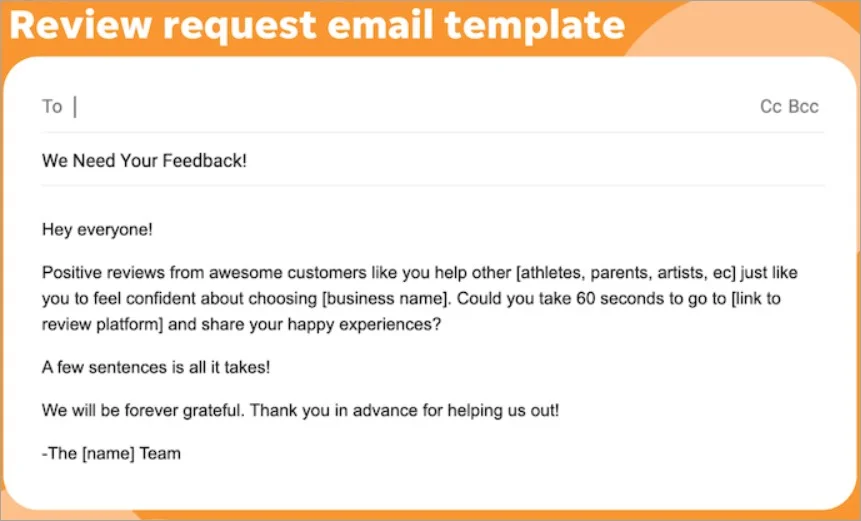
Screenshot of the email template requesting review from the client.

Source – WordStream

2. Responses to customer feedback

Responses to both positive and negative reviews indicate that customer feedback is valued. It also helps build trust and loyalty with your clients. Thank customers for positive reviews and address concerns raised in negative terms professionally and constructively.

Use positive feedback snippets on your website to enhance the content. Search engines are interested in relevant innovation, and customer testimonials offer both. Additionally, adding search options to your website can help display star ratings in search results, improving click-through rates.

Social Media Integration

By incorporating search engines and social media into your SEO strategy, your restaurant can improve its online visibility, attract more customers, and ultimately grow its business. Use the following methods to see significant improvements in your restaurant search engine marketing efforts.

1. Role of Social Media in SEO

Social media platforms like Facebook, Instagram, and Twitter are powerful restaurant search engine marketing tools. They help drive traffic to your website, increase brand awareness, and improve SEO efforts.

Restaurants with an active social media presence tend to see higher engagement and better visibility in local search results.

2. Creating Shareable Content

Creating content your audience wants to share can dramatically increase your online presence. Share behind-the-scenes videos, daily highlights, or customer testimonials. Use high-quality images and catchy headlines to attract more likes, shares, and comments.
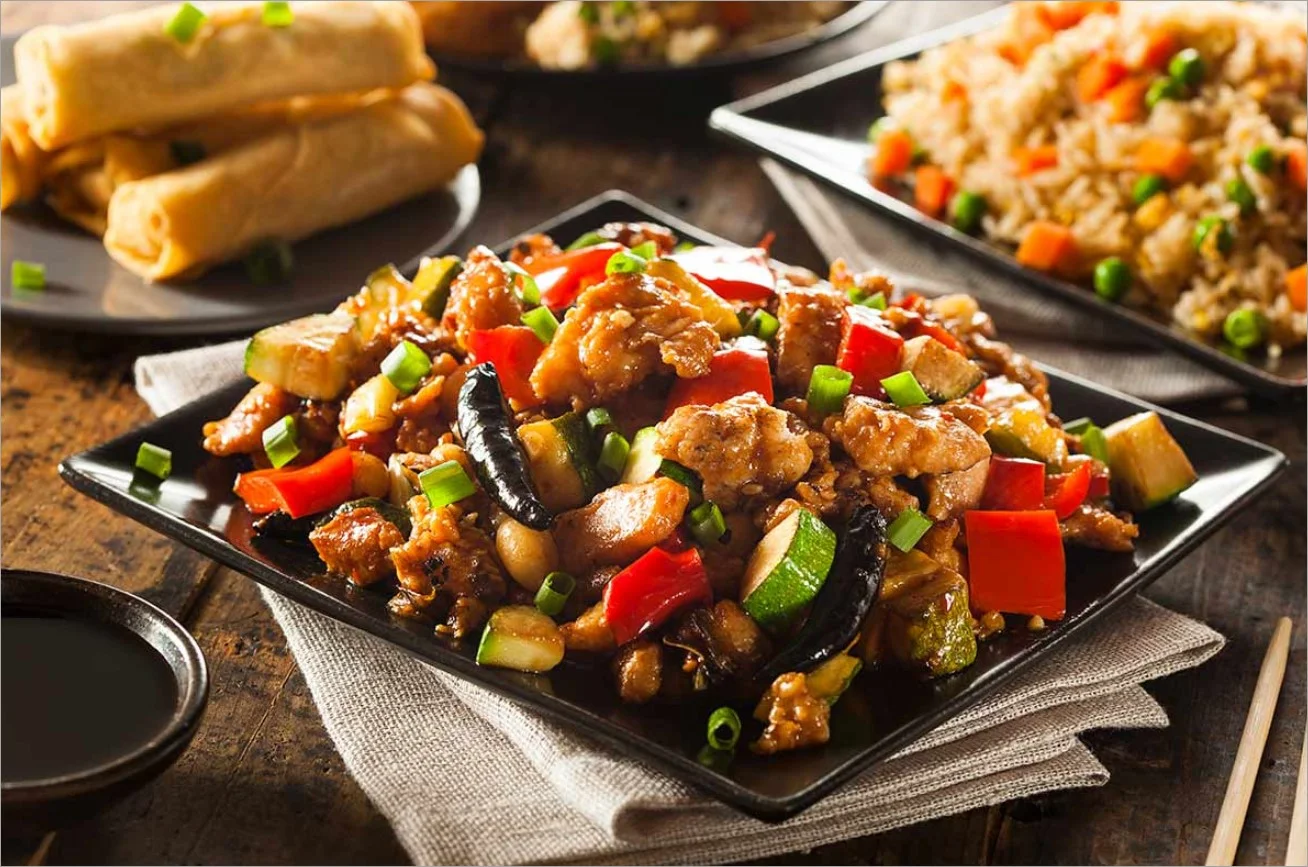
Image of a popular dish in a restaurant.

Source – Times of India

3. Using Hashtags and Geotags

Using hashtags and geotags can increase your content’s social media reach. Hashtags help share your content, making it visible to a broader audience. Geotags, on the other hand, help attract local customers.

Example:

Posts with hashtags like #Foodie and #BestBrunch, and geotagging your restaurant’s location can reach more potential customers.

4. Communicating With Fans

Engaging with fans by replying to comments and messages can create a loyal community. Consistent communication shows you value your customers, which can translate into positive reviews and recommendations.

5. Promotion of Special Events and Product Offers

Use social media to promote special events, offers, and discounts. Share exciting news about upcoming events or temporary offers that generate excitement and drive traffic to your website and physical location.

About 58% of consumers follow brands on social media for deals and promotions.

Source – Poster My Value

Link Building

Effective SEO marketing for restaurants can generate more traffic, increase orders, and boost your bottom line. This blog explores how link building, analytics tracking, and avoiding common mistakes can enhance your restaurant’s SEO strategy.

1. The Importance of Link Building

Link building is an integral part of restaurant search engine marketing. High-quality backlinks from popular websites indicate to search engines that your website is credible and authoritative, which can strengthen your search rankings.

Example:

A food blog associated with your restaurant website can increase your domain authority and improve your search engine ranking.

2. Effective Communication Building Techniques

Guest blogging: Write guest posts for popular food and travel blogs. Include links back to your restaurant’s website in the content.

Example: Collaborate with a local food blogger to write a post about the best dining experiences in your city, featuring your restaurants.

Local Business Directory: Make sure your restaurant is listed in local agencies like Yelp, TripAdvisor, and Google My Business. These directories tend to rank first in searches and provide valuable backlinks.
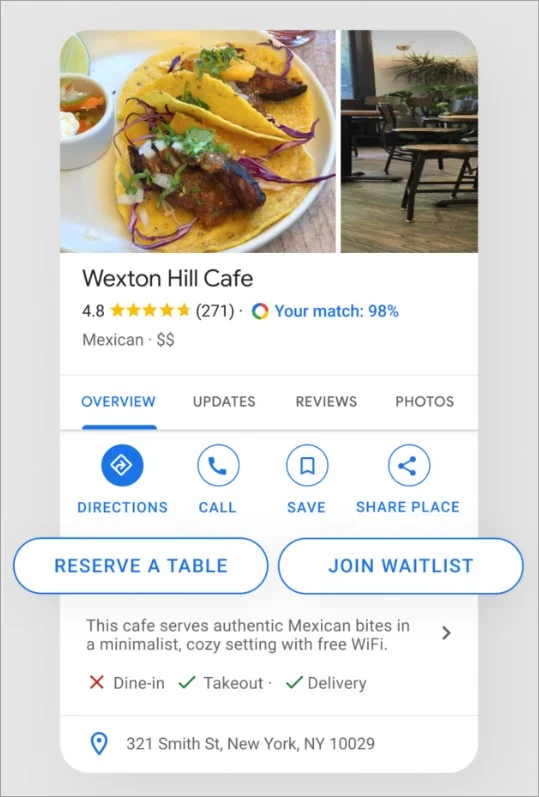
A screenshot of the Google My Business listing for the restaurant.

Source – Google

Partnerships and collaborations: Work with local businesses, event organizers, and influencers to create content that returns to your website.

Example: Host a food festival and collaborate with local vendors; make sure all promotional materials include links to your website.

3. Managing Backlinks

Use tools like Ahrefs or Moz to manage your backlinks. These tools help you track the quality and quantity of backlinks, ensuring the effectiveness of your link-building efforts.
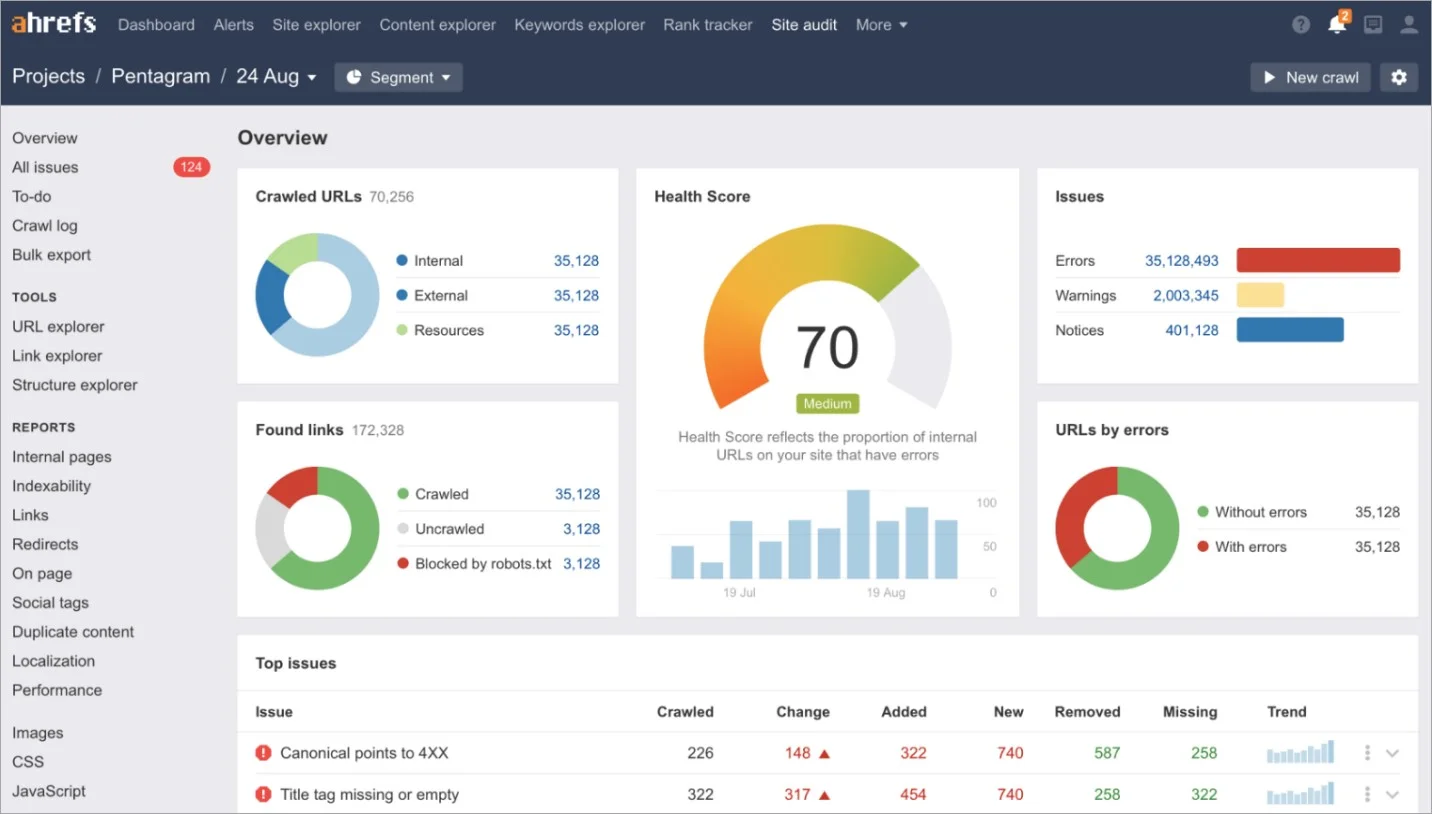
Screenshot of the Ahrefs backlink monitoring tool interface.

Analytics and Monitoring

Monitoring your SEO performance regularly helps you see what’s working and what’s not. Analytics provide insights into user behavior, website traffic, and conversion rates, which guide your SEO strategy.

Google Analytics can identify the keywords that drive the most traffic to your restaurant’s website.

1. Key Metrics to Track

  • Organic Traffic: Measure the number of visitors visiting your website through your restaurant search engine marketing. Increased organic traffic is an indicator of successful SEO efforts.

  • Bounce Rate: A high bounce rate can indicate that your site’s content is no longer interesting or relevant for visitors. Aim to reduce this by improving page content and load speed.

  • Conversion rate: Track how many visitors complete desired actions, such as booking a table or signing up for a newsletter. A high conversion rate indicates that SEO is an effective website design.

  • Keyword rankings: Monitor your rankings for targeted keywords. Tools like SEMrush and Google Search Console can help you track your position in search results.

5 Common Mistakes to Avoid:

1. Ignoring Local SEO

Failing to do the local search properly can lead to missed opportunities. Ensure your restaurant name, address, and phone number (NAP) match on all online platforms. Use local keywords in your content to attract nearby customers.

Pro tip: Instead of just using “best pizza,” use “best pizza in [City Name]” to target local searches.

2. Overlooking Mobile Optimization

Many users visit websites on mobile devices, so not having a user-friendly website can hurt your ranking and user experience. Make sure your site is responsive and runs fast on mobile devices.
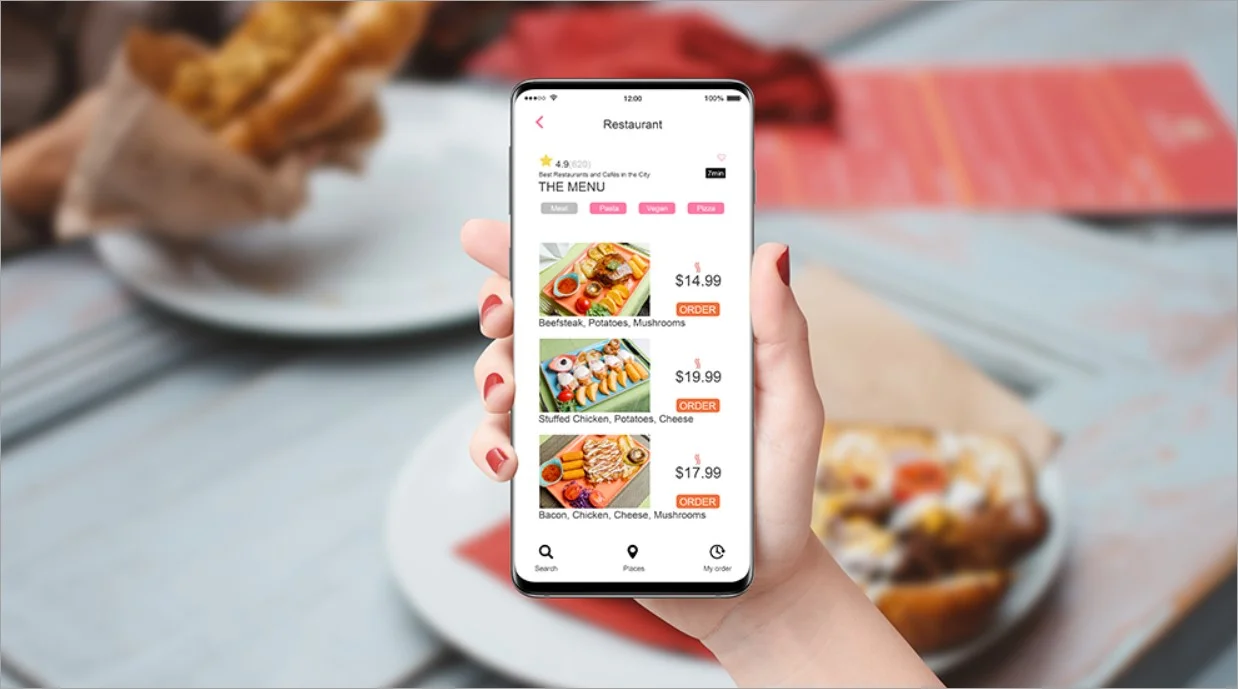
Mobile-optimized restaurant website.

Source – Chef’s Store

3. Black Hat search engine optimization Strategies

Avoid black hat search engine optimization techniques like keyword stuffing, hidden text, or shopping for backlinks. These actions can get you penalized by search engines like Google, negatively affecting your ratings.

4. Ignoring the Quality of Content

High-quality, applicable content is crucial to search engine optimization achievement. Regularly update your blog with thrilling content, including recipes, cooking pointers, and behind-the-scenes testimonies. This no longer most effectively draws traffic but additionally continues to bring it back.

5. Failure to Track and Adjust

search engine optimization is not a one-time effort. Constantly screen your analytics and adjust your method based on facts and insights. Update your content material frequently, check for broken hyperlinks, and stay updated on search engine marketing best practices.

Conclusion: SEO Marketing for Restaurants

The restaurant industry is cutthroat, and thus, utilizing SEO can greatly improve your business and its appeal to the public. When you claim and complete the Google My Business listing, incorporate local keywords, post relevant and interesting location-oriented content, and ensure that your website is technically correct and mobile-friendly, you will see an increase in your search engine ranking. 

Further, sound content marketing, review management, and link-building strategies will also help in increasing your visibility. It is important to have long-term goals. Check your SEO score and do not make these mistakes. Use these SEO tips now to fill your tables and take your restaurant business to greater heights.

Frequently Aksed Questions

SEO for eating places includes optimizing your internet site and online presence to rank higher in search engine results. This makes it less difficult for potential clients to discover your restaurant while looking for relevant keywords such as “quality pizza in [Town]” or “suitable eating near me”. Effective search engine marketing techniques encompass optimizing your website’s content, improving page load velocity, and ensuring your website is cell-friendly.

There are numerous fundamental steps to improve the search engine marketing of your eating place internet site:

  • Optimize your content: Use appropriate keywords on the website, specifically in titles and meta descriptions. Make sure your content is exceptional and exciting.

  • Improve page pace: Fast loading enhances the website’s consumer interest and boosts search engine optimization rankings. Use gear like Google PageSpeed ​​Insights to discover and connect issues.

  • Mobile Optimization: Make sure your website is mobile-friendly, as many people look for restaurants on their phones.

  • Local search engine marketing: Optimize nearby searches with the aid of bringing up your Google My Business listing, and make sure your call, address, and contact range (NAP) are consistent across online platforms.

Search engine marketing advertising for eating places includes developing a blog post titled “Top 10 Brunch Spots in [City]” highlighting your restaurant. This post must consist of applicable keywords, exquisite snapshots, and links to your menu or reservation page.

Creating a search engine marketing plan includes the following steps:

  • Keyword studies: Identify applicable keywords that capacity clients use to search for eating places just like yours.

  • Content Creation: Create extraordinary content around those keywords. This can consist of blog posts, menus, and touchdown pages.

  • On-Page SEO: Optimize your website’s meta tags, headers, and photos with your goal keywords.

Yes, Coca-Cola uses seek engine marketing (SEM) as a part of its comprehensive virtual advertising strategy. SEM includes paid search marketing and content optimization to enhance natural search ratings. Although Coca-Cola, in particular specializes in marketing and essential branding and advertising campaigns, it still uses SEM to make certain that its merchandise is effortlessly found online

In business, search engine optimization refers to the exercise of optimizing a website to increase its visibility and enhance its rating in search engine results. This consists of using focused keywords, growing wonderful content material, optimizing the technical aspects of the website, and building one-way links. Effective search engine marketing facilitates and more organic traffic, boosting logo consciousness, patron engagement, and sales.

Categories:

logo

Restroworks is a leading platform that specializes in providing technological solutions to the restaurant industry. It stands out for its ability to streamline operations, enhance customer experiences, and enable scalability for global restaurant chains.


Subscribe to Our Newsletter

Stay ahead of the curve
with Restroworks industry insights.

Read what transforms how leaders think and act

Newsletter subscription banner