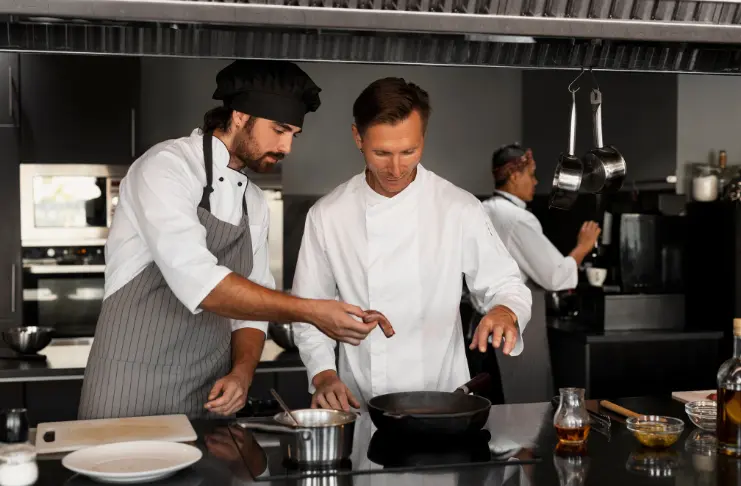

The rise of delivery-first dining has created an entirely new category of food businesses in the U.S.: ghost kitchens. These operations run without customer-facing storefronts, relying instead on digital ordering and delivery to reach diners. This way, the model promises faster entry into competitive markets and greater flexibility in scaling brands.
Yet the financial reality is more complex than it appears. While ghost kitchens eliminate the cost of a traditional dining space, they introduce a different set of expenses, including kitchen leases, licensing, specialized equipment, delivery technology, and ongoing marketing to stay visible on crowded platforms.
Misjudging these numbers can make the difference between building a sustainable operation and burning through capital too quickly. This blog examines the full scope of ghost kitchen startup costs, from one-time capital investments to recurring monthly expenses, to help you launch a financially successful ghost kitchen business.
The Rising Popularity of Ghost Kitchens

Over the past few years, ghost kitchens have shifted from an experimental model to a proven business strategy in the global restaurant landscape. With consumers ordering more meals through delivery apps and operators searching for leaner, more flexible formats, these kitchens have carved out a significant share of the market.
The ghost kitchen concept is expanding rapidly across the U.S., with the market estimated at $11.9 billion, and is projected to reach $36 billion by 2035, at a CAGR of 10.1% during that period. Meanwhile, globally, virtual restaurants and ghost kitchens were valued at about $56.8 billion in 2024, with forecasts pointing to over $139 billion by 2030.
And here are the factors driving its growth-
- Surge in online food delivery demand: Consumers increasingly prefer ordering food via apps, which has increased sales numbers and altered expectations around speed and convenience.
- High urban real estate costs: Renting or leasing a physical space in major cities is expensive. Ghost kitchens reduce or eliminate these costs by removing dine-in amenities.
- Flexible business models: Operators can test multiple concepts out of one kitchen, scale gradually, or use shared kitchen spaces to enter markets with lower capital.
- Pandemic-driven behavior shifts: COVID-19 accelerated demand for contactless delivery and built customer comfort with takeout and delivery-only models.
- Technology and automation: Improved order management, AI forecasting, and better logistics allow ghost kitchens to manage inventory, predict demand, and streamline operations, backed by Restroworks cloud kitchen software.
How Much Does it Cost to Start a Ghost Kitchen Business?
Starting a ghost kitchen in the U.S. requires a meaningful investment, even though the model eliminates front-of-house expenses. The total cost depends heavily on location, kitchen format, and scale of operations, but there are some clear benchmarks to guide expectations.
Depending on the size and scope of the business, the cost of opening a ghost kitchen can be around $50,000-$500,000 in upfront investment.
When compared to traditional restaurants, ghost kitchens generally require 30-50% less upfront investment. A full-service dine-in restaurant can easily demand $750,000 to $1 million or more to launch, driven largely by front-of-house construction, interior design, and prime retail leases.
Ghost kitchens reduce that barrier by focusing resources on kitchen operations, delivery technology, and marketing, making them a faster, more cost-efficient path into the foodservice market.
INDUSTRY INSIGHT
Ghost Kitchen Startup Cost: A Breakdown
Launching a ghost kitchen involves several key investments, from securing a kitchen space to outfitting it with the right equipment. Understanding these costs can help you plan effectively and avoid unexpected expenses.
Here’s a complete breakdown of the key startup investments to expect-
1. Location
When planning a ghost kitchen, the rent or lease of your kitchen space significantly influences your startup and operational costs. On average, renting a commercial kitchen can range from $2,000 to $10,000 per month for shared spaces, while private ghost kitchens may run higher.
For instance, in high-demand urban areas like New York or Los Angeles, commercial kitchen rentals typically start at around $30 per hour.
Beyond rent, location also affects delivery efficiency. Being closer to your target customers can reduce delivery times and operational costs, making it a key factor in both your budget and business strategy.
2. Renovation and Build Out
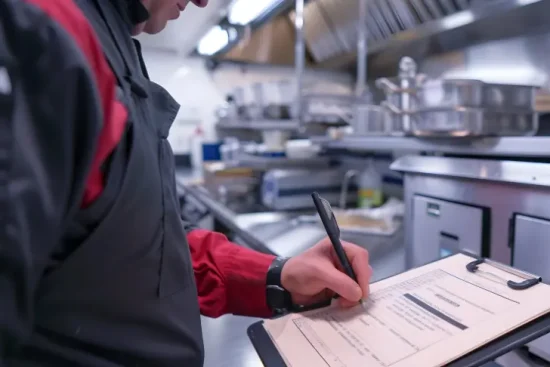
Once you secure a location, renovating and customizing the space to meet health and safety standards is the next major cost. Renovations often involve installing proper ventilation for multiple cooking stations, upgrading plumbing for sinks and dishwashing areas, adding non-slip flooring, and ensuring adequate lighting for prep and packaging zones.
Even minor adjustments, like creating separate zones for raw and cooked foods, can prevent cross-contamination and improve workflow. For smaller kitchens, a basic build-out may be sufficient, while mid- or large-scale operations often require structural changes to accommodate multiple brands or high-volume cooking.
Depending upon these factors, renovation costs can reach $30,000-$100,000.
3. Kitchen Equipment
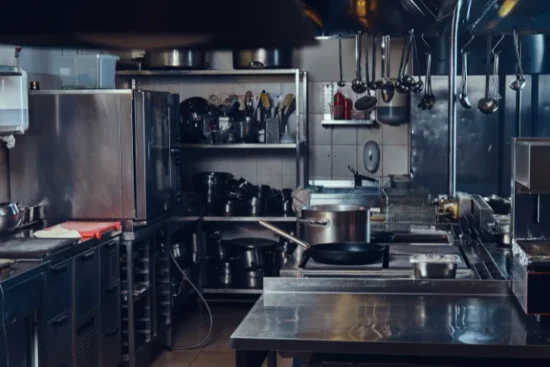
The food production and efficiency depend a lot on the range and quality of kitchen equipment you purchase. It is a significant investment, with key items including ovens, fryers, stoves, refrigerators, freezers, prep tables, and small wares like utensils and pans.
At the same time, equipment costs vary with brand, size, and capacity, and cost about $30,000 to $150,000. Selecting durable, commercial-grade appliances is an investment in efficiency
While upfront costs may be significant, reliable equipment reduces maintenance issues, prevents downtime, and supports scaling your operation without compromising quality.

4. Licensing and Compliance
Operating a ghost kitchen requires you to navigate a complicated landscape of regulations to ensure food safety, legal compliance, and smooth operations. Obtaining the right licenses and permits is critical to avoid fines, delays, or even shutdowns, and can cost you
These requirements can vary significantly depending on your location, the scale of your operation, and whether you’re operating independently or within a shared kitchen space. Key licensing requirements can cost about $2000 to $10,000, depending on the location, and include-
- Business License: Required to legally operate your business within a specific jurisdiction. Costs typically range from $50 to $500, depending on location and business structure.
- Employer Identification Number (EIN): Issued by the IRS for tax purposes, and is essential for hiring employees and opening business bank accounts.
- Food Establishment Permit: Issued by local health departments, this permit ensures your kitchen meets food safety standards. Costs can vary based on location and facility size.
- Fire Safety Permit: It is necessary if your kitchen uses open flames or certain cooking equipment. Fees depend on local fire department regulations.
- Commissary License: Required if operating from a shared kitchen space, ensuring compliance with sanitation and operational standards.
- HACCP Certification: For kitchens handling high-risk foods like meats or seafood, this certification demonstrates adherence to food safety protocols.
5. Technology
Technology is the backbone for ghost kitchen operations, enabling them to operate efficiently, manage multiple brands, and meet growing delivery demand. Modern ghost kitchens rely on integrated systems that streamline order management, track inventory, and monitor kitchen performance in real time.
A robust point-of-sale system ensures that incoming orders from multiple delivery platforms are organized and processed without errors, reducing mistakes and preparation delays.
For ghost kitchens, initial technology setup typically costs between $5,000 and $20,000, depending on the complexity of integrations and the number of brands managed, with ongoing subscription or software fees ranging from $100 to $500 per month.
6. Marketing
Establishing a strong brand presence is crucial for a ghost kitchen, as it operates without a physical storefront. Effective marketing strategies help build trust, attract customers, and differentiate your brand in a competitive online marketplace.
Your restaurant’s marketing and branding efforts can include branding elements like website, logo, social media presence, photography, and advertising. Considering these areas, the total initial marketing and branding investment for a ghost kitchen can range from $3,000 to $20,000, depending on the scale and scope of your efforts.
Ghost Kitchen Operating Costs
While startup costs set the foundation for accurate financial planning, controlling monthly costs ensures the business can scale sustainably. Here are the major operating costs that you must account for
1. Rent and Utilities
Ghost kitchens typically operate in leased commercial spaces, often in non-prime locations, to lower overhead costs. Monthly rent can range from $5,000 to $20,000, depending on factors such as location, size, and facility type.
Utilities such as electricity, gas, and water are another essential consideration, typically costing $500 to $2,000 per month. High-volume kitchens with multiple cooking stations or refrigeration units may face higher utility bills, making energy-efficient appliances a worthwhile long-term investment
2. Staff Salaries
Labor costs are a significant portion of operating expenses for restaurants, with salaries for permanent staff contributing around 25% to 30% of overall expenditures.
For a ghost kitchen, staff includes roles such as cooks, kitchen assistants, and delivery drivers. In larger operations with more extensive menus and higher order volumes, labor costs can rise significantly, ranging from $20,000 to $75,000 for the first three months.
Efficient scheduling, cross-training staff, and relying on technology to simplify and automate mundane tasks can help optimize these costs while maintaining consistent service quality.

3. Inventory and Supplies
Managing inventory effectively is crucial for maintaining food quality and controlling costs. Monthly inventory expenses typically range from $5,000 to $25,000, depending on menu complexity and order volume.
Key inventory components include:
- Food Ingredients: Costs vary based on menu offerings and supplier pricing.
- Packaging Materials: Delivery packaging items can range from $500 to $2,000 per month.
- Cleaning Supplies: Necessary for maintaining hygiene standards; budget around $100 to $300 monthly.
Investing in proper storage solutions and inventory tracking helps reduce waste and prevent unexpected shortages, directly improving operational efficiency.
4. Insurance
Insurance is vital for protecting the business against potential risks and liabilities. Annual insurance premiums can range from $2,000 to $10,000, depending on coverage types and business size. Adequate insurance coverage ensures peace of mind, allowing operators to focus on growth without risking financial setbacks from unforeseen incidents.
Common insurance policies for ghost kitchens include:
- General Liability Insurance: Covers accidents or injuries on the premises.
- Property Insurance: Protects kitchen equipment and physical assets.
- Workers’ Compensation Insurance: Required in many jurisdictions to cover employee injuries.
Strategies to Optimize Ghost Kitchen Costs
Running a ghost kitchen efficiently requires restaurant owners to take a proactive approach with cutting upfront expenses and strategically managing operations to maximize ROI while maintaining quality and scalability.
A. Start with Shared Kitchens
Leasing space in a shared or commissary kitchen allows you to test concepts without committing to high rent or long-term leases. This approach reduces initial capital requirements and offers flexibility to scale or pivot in response to market conditions.
B. Use Technology
Integrated POS and order management systems streamline workflows, reduce errors, and provide insights into customer behavior. Data-driven decisions on menu offerings, peak-hour staffing, and promotions can significantly reduce operational waste and improve margins.
C. Negotiate Supplier Contracts
Building relationships with suppliers and committing to volume-based agreements can unlock cost savings on ingredients and packaging. Comparing multiple vendors regularly ensures competitive pricing and reduces the risk of overpaying.
D. Focus on Niche Menus
Simplifying offerings to a focused menu reduces inventory complexity, minimizes waste, and accelerates kitchen operations. Targeted menus also allow for precise demand forecasting and bulk purchasing efficiencies.
E. Build Direct Ordering Channels
Encouraging customers to order directly through your own ordering website or app reduces reliance on delivery aggregators and lowers commission fees. Combined with loyalty programs and promotions, this approach increases customer retention and improves profitability.
Conclusion
Launching a ghost kitchen starts with a clear understanding of the financial and operational realities of the model. Beyond the initial investment, the key to sustainable growth lies in how efficiently you manage resources, leverage technology, and adapt your menu and marketing to evolving demand.
Successful operators focus on optimizing processes, minimizing waste, and creating direct connections with customers, turning lean operations into a competitive advantage. By approaching your ghost kitchen strategically, you can build a scalable, resilient delivery-focused brand that is prepared to thrive in a fast-changing foodservice market.