
Why Liquor Costs Matter in the Restaurant Industry
Liquor costs are a major factor in the profitability of bars and restaurants. Since alcoholic beverages often carry higher margins than food, managing these costs effectively can significantly boost overall revenue. Poor control over liquor cost percentage can lead to losses through overpouring, theft, or mispricing.
Here’s why liquor costs deserve close attention:
- They directly impact your COGS and bottom line
- Help shape a profitable pricing strategy for drinks
- Reveal inefficiencies in inventory and staff practices
- Allow better control over pour cost and waste
- Support smarter decisions using industry averages and benchmarks
Step-by-Step: How to Calculate Liquor Cost

1. Track Beginning Inventory
Start by conducting a physical count of all liquor on hand at the start of the period. This includes unopened bottles and partial stock. Use consistent valuation methods, such as FIFO or weighted average cost.
2. Record Purchases
Log all liquor purchases made during the period. Include invoices, shipping fees, and any applicable add-on sales tax. In India, the standard GST rate on alcohol is 18%.
3. Determine Ending Inventory
At the end of the period, perform another inventory count. This helps calculate the actual liquor consumed and ensures accurate cost of goods sold.
4. Track Liquor Sales
Use your POS system to extract total liquor sales. Be sure to exclude food, non-alcoholic beverages, and discounts to maintain accuracy.
5. Apply the Liquor Cost Formula
Plug the values into the liquor cost formula to determine your liquor cost percentage. For example:
- Beginning Inventory: ₹50,000
- Purchases: ₹30,000
- Ending Inventory: ₹40,000
- Liquor Sales: ₹1,00,000
Liquor Cost % = (₹50,000 + ₹30,000 – ₹40,000) ÷ ₹1,00,000
= ₹40,000 ÷ ₹1,00,000 = 40%
This result indicates that 40% of your liquor revenue was spent on inventory, a red flag if your target is closer to industry averages.
Ideal Liquor Cost Percentage Benchmarks
Different bar formats have varying benchmarks:
Bar Type | Ideal Liquor Cost % |
Nightclub | 15-18% |
Casual Bar | 18-22% |
Fine Dining | 20-24% |
Maintaining a low pour cost percentage means you’re pricing drinks effectively and managing inventory well.
Tips to Control and Reduce Liquor Costs

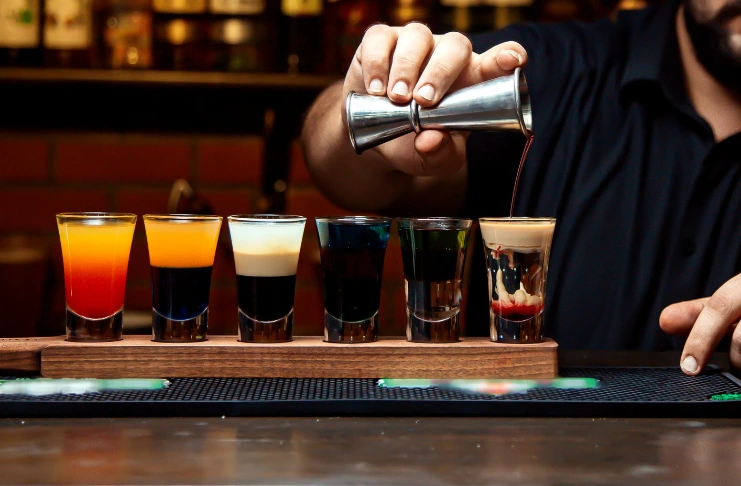
- Portion Control: Use jiggers, measured pour spouts, or automated dispensers to ensure consistent drink sizes and prevent overpouring, which directly affects profit margins.
- Staff Training: Educate bartenders on standard recipes, proper pouring techniques, and how their actions impact inventory and costs. Well-trained staff reduce waste and improve efficiency.
- Menu Engineering: Price drinks strategically by calculating pour cost and including taxes. Highlight high-margin items and design menus to guide customer choices toward profitable options.
- Supplier Negotiation: Build relationships with vendors to secure bulk discounts, seasonal deals, or renegotiate contracts for better pricing and terms.
- Inventory Audits: Conduct weekly inventory checks to identify discrepancies, track usage trends, and detect theft or loss early to prevent financial losses.
According to a study, fixing overstocking and understocking can reduce inventory costs by up to 10%.
Common Mistakes in Calculating Liquor Cost

Ignoring Inclusive Tax: Failing to include taxes in purchase records leads to underestimating actual liquor costs and skews cost percentage calculations.
Mixing Food and Liquor Sales: Combining food and beverage revenue distorts liquor-specific profitability and makes cost tracking inaccurate.
Inconsistent Inventory Valuation: Using different valuation methods (FIFO, LIFO, average cost) across periods causes unreliable cost comparisons and misrepresents actual expenses.
Not Accounting for Spillage, Theft, or Comps: Overlooking losses from accidental spills, employee theft, or complimentary drinks results in inflated inventory figures and misleading cost analysis.
Pricing Strategy: Balancing Drink Price and Profit
A smart pricing strategy considers both the actual cost of ingredients and the perceived value guests derive from the experience. For example,
Understand Pour Cost: Pour cost is the total cost to make a drink (e.g., ₹100 for ingredients).
Set Target Margin: Choose a target pour cost percentage (e.g., 20%) to maintain healthy profits.
Calculate Selling Price: Use the formula: Drink Price = Cost ÷ Pour Cost %
Example: ₹100 ÷ 0.20 = ₹500
Factor in Perceived Value: Price should reflect quality, ambiance, and customer expectations.
Include Taxes: Ensure the final price covers inclusive tax to protect margins.
Conclusion
Understanding how to calculate and manage liquor costs is vital for bar profitability. By mastering the liquor cost formula, optimizing your pricing strategy, and leveraging inventory tools, you can stay ahead of industry averages and boost your bottom line.
Whether you’re refining your pour cost percentage or rethinking your drink price, every rupee saved in liquor costs is a step toward sustainable success.