
Business Model & Location Decisions That Drive Cost
Your restaurant business model significantly influences your startup and operational costs. A small café may require less capital than a full-service fine dining restaurant, but both must comply with Dubai’s stringent food safety and licensing standards.
Mainland vs. Free Zone vs. Hotel Outlet
- Mainland: Offers access to the local market and flexibility in location. Requires a DED-issued trade license.
- Free Zone: Allows 100% foreign ownership but may restrict direct trade with the mainland unless a local distributor is appointed.
- Hotel Outlet: Ideal for luxury or fine dining concepts. These spaces often come with built-in foot traffic but higher rental costs.
Choosing the right jurisdiction affects not only the cost of opening a restaurant in Dubai but also your long-term growth potential and compliance obligations. Each jurisdiction offers unique benefits and challenges:
Jurisdiction | Ownership | Market Access | Cost Range (AED) | Compliance Level |
Mainland | 100% (2025 update) | Full UAE access | 10,000-30,000 | High |
Free zone | 100% | Limited mainland | 15,000-25,000 | Moderate |
Hotel outlet | Varies | High foot traffic | 50,000+ | Moderate |
Licensing & Approvals: Step-by-Step (2025 Requirements)
To legally operate a restaurant in Dubai, you’ll need two primary licenses:
1. Trade License
Issued by the DED (for mainland) or Free Zone authorities, this license registers your restaurant as a legal entity. Costs range from AED 10,000 to AED 30,000 annually depending on jurisdiction and business activity.
2. Restaurant License
Granted by the Dubai Municipality, this license permits food preparation and service. It requires:
- Restaurant layout approval
- Food safety compliance
- Fire safety and ventilation checks
- Waste management systems
Restaurant license fees typically range from AED 10,000 to AED 50,000, depending on the type of establishment (e.g., café, fast food, fine dining).
Complying with the Food Safety Department Regulation

To comply with Dubai’s food safety regulations, you’ll need to:
1. Get Layout Approval
Before construction or fit-out begins, you must submit your restaurant’s kitchen and dining layout to the Dubai Municipality. They’ll check for:
- Proper ventilation
- Waste disposal systems
- Safe food storage areas
- Separation of raw and cooked food zones
2. Follow the Dubai Food Code
The Dubai Food Code outlines all the hygiene and safety standards your restaurant must follow. It covers:
- Temperature control for food storage
- Pest control measures
- Staff hygiene practices
- Cleaning and sanitation protocols
3. Train Your Staff
All food handlers must undergo food safety training approved by the municipality. This ensures they understand:
- Personal hygiene
- Safe food handling
- Cross-contamination prevention
4. Register Your Products (If Applicable)
If you’re importing or selling packaged food, you must register each product through the Food Import and Re-export System (FIRS). This includes:
- Labeling in Arabic and English
- Ingredient list and country of origin
- Manufacturer certificates
5. Pass Regular Inspections
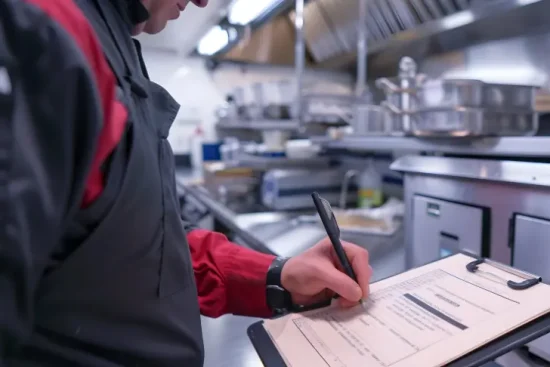
Dubai Municipality conducts routine inspections to ensure ongoing compliance. They’ll check cleanliness, food storage, staff hygiene, and documentation. Restaurants are graded, and poor scores can affect your reputation and operations.
Leasing or Purchasing Restaurant Space

One of the foundational decisions when starting a restaurant in Dubai is whether to lease or purchase your commercial space.
Leasing is often the preferred route for new restaurateurs due to its lower upfront costs and flexibility. It allows you to test your concept without committing long-term, and many landlords offer fit-out periods or rent-free months to help you get started.
On the other hand, purchasing a property gives you full control over the space, including renovations and branding, and can be a smart investment if you’re confident in your business model and want to build equity over time.
Steps to Lease or Buy Restaurant Space
1. Define Your Requirements
- Size of space (e.g., 500–5,000 sq ft)
- Kitchen infrastructure
- Parking availability
- Outdoor seating or delivery access
2. Work with a Real Estate Agent
Agents familiar with F&B properties can help you find:
- Running restaurants for sale
- Shell & core units for customization
- Spaces with existing approvals
3. Negotiate Terms
For leasing:
- Rent amount and payment schedule
- Fit-out period and rent-free months
- Renewal and exit clauses
For purchasing:
- Title deed transfer
- Mortgage or financing options
- ROI potential (some spaces offer 10–15% annually)
4. Register with Ejari (for Leases)
Ejari is Dubai’s official tenancy registration system. It’s mandatory for:
- Licensing your business
- Applying for utilities
- Legal protection
Hiring Staff & Managing Payroll

Building a reliable and skilled team is essential for delivering consistent service and maintaining operational efficiency. In Dubai, restaurant staffing involves recruiting chefs, kitchen assistants, waitstaff, cashiers, and cleaning personnel, often from a diverse pool of nationalities. You can hire directly or work with specialized recruitment agencies, which streamlines the process and ensures compliance with UAE labor laws.
Once hired, managing payroll becomes a legal and logistical priority. Dubai mandates the use of the Wage Protection System (WPS), which ensures timely salary payments through approved financial institutions. You’ll need to:
- Register your business with WPS
- Maintain accurate attendance and leave records
- Process salaries, overtime, and end-of-service benefits
- Ensure compliance with UAE labor laws regarding working hours, holidays, and gratuity
Staffing costs are one of the largest ongoing expenses. In 2025, average monthly salaries for restaurant staff range from:
- Chef: AED 8,000–15,000
- Waitstaff: AED 3,000–5,000
- Kitchen assistants: AED 2,500–4,000
You’ll also need to budget for:
- Visa fees (AED 5,000–7,000 per employee)
- Health insurance
- End-of-service benefits
- Payroll software and compliance tools
Marketing Your Concept to Attract Customers

In Dubai’s competitive food scene, marketing isn’t optional; it’s survival. With over 13,000 food establishments vying for attention, your restaurant needs a distinct identity and a strategy to reach your target audience. Start by defining your brand: What makes your concept unique? Is it fusion cuisine, sustainability, or cultural authenticity?
Effective marketing strategies include:
- Local SEO: Optimize your Google Business Profile and website so locals searching “best burger near me” find you easily.
- Social Media: Be active on Instagram and TikTok with behind-the-scenes content, menu highlights, and customer testimonials.
- Influencer Collaborations: Invite food bloggers or micro-influencers for tastings. They’ll share your story with engaged followers.
- Loyalty Programs & Offers: Launch discounts, referral bonuses, or app-based rewards to encourage repeat visits.
- Cultural Sensitivity: Align your promotions with local holidays and customs to build trust and relevance.
Investment Breakdown
Understanding the costs involved is crucial for budgeting and financial planning. Here’s a breakdown of the major capital and operational expenses:
CapEx: What You’ll Spend Before Opening
- Trade license and restaurant license fees
- Interior design and fit-out (AED 150,000–500,000+)
- Kitchen equipment and furniture
- Branding and signage
- Initial inventory and supplier contracts
OpEx & Working Capital: First 6–12 Months
- Rent for restaurant space (AED 60,000–500,000/year depending on location)
- Utilities (AED 5,000–10,000/month)
- Staffing costs (AED 15,000–50,000/month)
- Marketing and digital presence
- Insurance and maintenance
Conclusion
Opening a restaurant in Dubai in 2025 is a promising venture, but it requires meticulous planning, financial discipline, and regulatory compliance. From securing a trade license to navigating staffing costs and food safety regulations, the journey is complex but rewarding.
Dubai’s diverse culinary scene and strategic economic development initiatives make it an ideal location for restaurateurs. Whether you’re launching a fine dining concept or a quick-service outlet, understanding the costs involved and aligning with the food code will set you up for success.