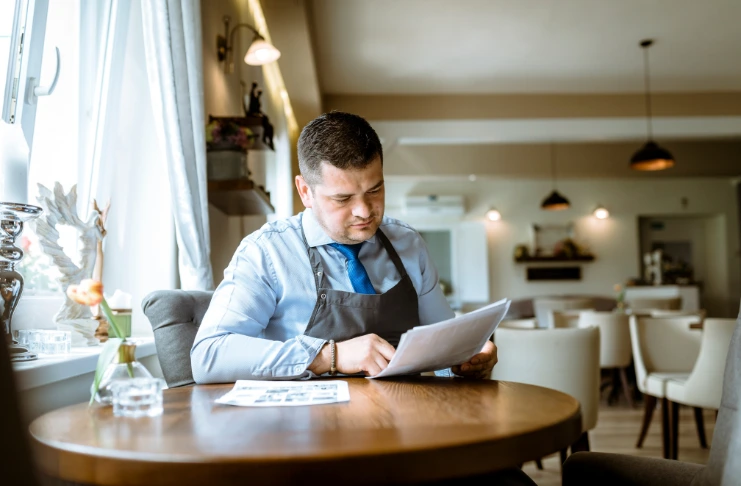

Running a restaurant today isn’t easy. Food prices are higher than ever, wages keep rising, and delivery services take a big cut. That’s why most restaurants make only a small profit. Every rupee saved can help grow your business, whether it’s opening a new location, upgrading the menu, or launching a fresh marketing campaign.
But while cutting costs is important, it shouldn’t hurt the dining experience. Customers still expect great food and friendly service at a fair price.
This comprehensive guide will help you strike the right balance. We’ll highlight the key areas where operational inefficiencies lead to unnecessary expenses like food waste, staff scheduling, and energy bills, and offer ten proven ways to fix those issues without affecting service or quality. Let’s get started.
What Are Restaurant Operating Costs?
Restaurant operating costs are the ongoing, day‑to‑day expenses required to keep your doors open and guests satisfied. They extend well beyond the obvious purchase of ingredients, encompassing every line item that drains cash before profit appears. Understanding and routinely auditing each category is the first step toward sustainable cost control. Broadly, restaurant operating costs fall into six buckets:
- Food Costs (Cost of Goods Sold): All edible products, condiments, and beverages that end up on a guest’s plate or in a to‑go bag. Accurate recipe costing and waste management are critical levers here.
- Labor Costs: Wages, salaries, payroll taxes, and employee benefits. Because labor is service‑driven, even small scheduling inefficiencies can erode margins quickly.
- Occupancy: Rent or mortgage, common‑area maintenance (CAM), property taxes, and business insurance. Long‑term lease negotiations and smart space utilization help contain this largely fixed expense.
- Utilities: Electricity, gas, water, trash, and sewage. Energy‑efficient equipment and vigilant shutdown procedures directly lower this bill.
- Marketing & Technology: Point‑of‑sale systems, reservation and online ordering platforms, loyalty apps, ad spend, and subscription software, all vital for revenue growth but prone to fee creep.
- Repairs, Maintenance & Hidden Fees: Equipment servicing, linen rentals, pest control, credit‑card processing, and other miscellaneous charges that often escape notice until they swell.
Industry benchmarks aim for food costs to be around 28–32% of sales and labor costs to be near 30%, combining into a “prime cost” of roughly 60%. Every small cost you reduce from either adds directly to your profits.
The 80/20 Rule of Cost Reduction

The Pareto Principle, better known as the 80/20 rule, states that 80% of results often come from just 20% of the inputs. When it comes to controlling restaurant costs, this refers to a few key expense areas like food costs and labor costs, which have a much bigger impact than smaller items like décor or magazines.
Focusing on food and labor makes sense because, together, they usually account for over 60% of your restaurant’s operating expenses. Even small improvements, such as reducing overstaffing or adjusting portion sizes, can lead to significant cost savings and improved profits. The 80/20 mindset ensures that every hour spent on cost reduction produces a meaningful and measurable impact.
For instance, a fast-casual burger chain with five locations and $15 million in yearly sales was spending too much on prep labor and inconsistent portioning. By introducing recipe scales and better staff scheduling software, they cut food costs by 1.5% and labor costs by 2%. In just three months, they saved $525,000, enough to match the profit of opening a brand-new store, without needing more seats or staff.
INDUSTRY INSIGHT
10 Proven Ways to Cut Operational Expenses
Cutting operational expenses doesn’t have to mean lowering standards or service. With a few smart changes, restaurants can run more efficiently and save big. This section highlights 10 practical ways to reduce everyday costs while keeping food quality and customer satisfaction high.
1. Optimize Food Purchasing & Inventory
Keeping the right amount of food in stock saves money and reduces waste. The goal is to avoid over-ordering while making sure you don’t run out of ingredients.
- Set smart stock levels. Use software to adjust your stock levels based on things like past sales, holidays, and weather. You’ll have fresher ingredients and spend less on storing extra food.
- Negotiate with suppliers every 3 months. Compare prices and use your buying power to get better deals. Review delivery fees, fuel charges, and rebate options—small savings can really add up.
- Automate your ordering process. Connect your inventory system with supplier portals. When something runs low, it goes straight into a purchase order. All the manager has to do is check and approve—no guessing or last-minute shopping trips.
- Use seasonal ingredients. Build your menu around what’s fresh and in season. These items usually cost less and taste better, making your food more appealing while saving you money.
2. Standardize Recipes & Portions

Inconsistent plating can quietly drain profits. When each cook prepares a dish differently, it’s hard to control food costs. Standardizing recipes and portion sizes helps save money while keeping customer satisfaction high.
- Start with clear recipes. Use digital recipe cards that list ingredients by weight, serving size, and prep steps. Include photos showing the ideal plating so every staff member knows what the final dish should look like.
- Use the right tools. Provide portion scales, pre-measured scoops, and color-coded ladles. Even small over-servings—like an extra ounce of salmon—can add thousands to restaurant expenses if it happens often.
- Keep scales accurate. Check and calibrate them weekly to avoid mistakes that slowly increase food costs over time.
- Connect with tech. Link recipes to your POS and restaurant management software. This way, you can compare expected vs actual usage. If there’s waste or over-portioning, you’ll catch it quickly. Also, ensure modifiers like “extra cheese” on online ordering platforms are priced to cover added costs.
- Test and adjust. Do regular checks—especially with seasonal ingredients—to confirm portion yields are still accurate. If guests consistently leave part of the meal untouched (like fries), shrink the serving size to save on food and oil.
3. Reduce Food Waste Early
Food thrown away is money lost. Restaurants waste a lot of food, and that leads to extra costs. But with smart steps, you can save money and help the environment too. In fact, every ₹1 spent on cutting food waste can return about ₹8 in savings.
- Use older stock first. Label all deliveries with dates and use older items first (called FIFO: First In, First Out). Keep daily prep sheets that match how many customers you expect—this avoids making too much food that goes uneaten.
- Create “rescue” menu items. Use extra produce in things like soups, frittatas, or drink garnishes before it goes bad. Highlight dishes using fresh, in-season ingredients—they cost less and taste better.
- Donate or compost leftovers. Team up with local food banks to give away unused but safe food. It saves money on trash removal and supports the community. If donation isn’t possible, compost food scraps to reduce landfill waste and show customers you care about sustainability.
- Track waste daily. Weigh and monitor how much food is wasted every day. Set goals to reduce it. Less waste means lower costs and a cleaner, more efficient kitchen.
4. Make Your Kitchen Energy Efficient
Restaurants use a lot of power, much more than offices. That means high electricity and gas bills. But with smart upgrades, you can cut costs big-time.
- Use energy-saving equipment. Switch to certified ENERGY STAR appliances like fryers, fridges, and dishwashers. They use less power and can save you hundreds of dollars a year; one gas fryer alone can cut $560 annually.
- Upgrade your lighting. Replace old lights with LEDs. They use 75% less energy and last way longer. Add motion sensors in prep areas so lights turn off when nobody’s working there.
- Save water in the dish area. Install low-flow spray nozzles ($60–$80 each). They cut water use by half and help lower your monthly water and sewer bills.
- Reuse heat from equipment. Add heat recovery systems that capture hot air from ovens or dishwashers and use it to warm rinse water. It’s a small investment that adds up to big savings.
5. Optimize Staff Scheduling
Labor is one of the biggest costs in restaurants. Scheduling staff wisely helps save money fast without hurting service quality.
- Plan with data. Use your software to check weather, events, and ordering patterns. It shows when you’ll be busy or slow so you can schedule the right number of staff—no overstaffing on quiet days.
- Train staff to handle multiple roles. Teach team members different tasks. A server who can help in the kitchen or a cook who can prep saves time and avoids bringing in extra workers.
- Watch labor costs live. Labor‑management apps show your labor costs in real time. If you’re going over budget, you can adjust schedules quickly with breaks or early clock-outs.
- Keep your team happy. Losing and replacing staff is expensive, over ₹1,200 for back-of-house and ₹2,100 for managers. Fair schedules and career growth keep employees around longer and save money.
- Combine smart planning with flexibility. By using real-time data, cross-training your team, and keeping an eye on costs, restaurants can reduce labor expenses by 2–3%. That means more profit without cutting service quality.
6. Leverage Smart Technology to Cut Costs

6.1 Connect POS to Kitchen Display Systems (KDS)
Instead of printing paper tickets or relying on handwritten orders, you use a digital KDS that connects directly to your POS system. Why it matters:
- Orders are automatically routed to the correct kitchen station.
- Mistakes (like wrong items or missing modifiers) get flagged immediately.
- No more messy handwriting = fewer errors and faster service.
- Real result: One restaurant chain saw a 45% drop in mistakes and 25% faster service, meaning more happy customers and lower labor costs.
6.2 AI for Demand Forecasting
AI tools study your sales data, seasons, holidays, and trends to predict how busy you’ll be and then automatically create ingredient shopping lists and stock levels. Why forecasting matters:
- You avoid overbuying, which leads to waste.
- You won’t run out of key ingredients during peak times.
- It saves money on last-minute orders (which often cost more).
- Some restaurants have saved up to $8,000/week just by optimizing purchasing with these tools.
6.3 Use Cloud-Based Management Software
Instead of using separate systems for inventory, labor, and ordering, you use one dashboard that shows everything in real-time. Why unified restaurant software matters:
- Managers see how labor costs compare to current sales instantly.
- You can track if food or supply usage matches your plans (actual vs theoretical).
- If something’s off, you can act fast—cut hours, adjust inventory, or fix waste.
- Better decisions, faster action, and fewer surprises in your expenses.
7. Negotiate & Combine Supplier Deals
Working smart with suppliers can save your restaurant a lot of money. Don’t wait for prices to rise; review your deals regularly to cut costs without changing your food or hurting customer satisfaction.
- Group your purchases. Bundle items like cleaning supplies, dry goods, and disposables under one deal. Buying more from one supplier often gets you better prices, free delivery, or extra rebates.
- Join a buying group. Smaller restaurants can save by joining a group-purchasing organization (GPO). You share buying power with others, which helps lower prices on everyday items like flour and oil.
- Check extra fees often. Review fuel charges, delivery minimums, and small-order fees every 3 months. If you’re placing more orders due to online ordering, renegotiate terms to avoid paying more.
- Monitor supplier performance. Use your management software to track things like late deliveries or price changes. When it’s time to renegotiate, you’ll have solid data to guide decisions.
- Use seasonal ingredients wisely. Lock in prices ahead of time when produce is in season. This keeps food costs steady and helps you save during times of price hikes.
Why it works- Fewer suppliers mean fewer invoices and easier tracking. Better deals mean less spending. All this helps reduce restaurant operating costs without lowering food quality.
8. Preventive Equipment Maintenance
Broken equipment can quickly drain money. Fixing things after they fail can cost up to 10 times more than keeping them in good shape with regular checks.
- Plan maintenance instead of waiting for problems. Clean filters weekly, check exhaust hoods monthly, and tune up refrigerators every few months. Restaurant management software can remind you and track each task so costs stay steady, not sudden.
- Watch equipment usage. Use timers and meters to see when machines are wearing out. Changing a small $15 part early (like a cooler gasket) can save money on energy and prevent food from going bad.
- Use warranties the smart way. Store warranty info for each machine. If something breaks, call the right repair service covered under the warranty. This saves money, avoids delays, and keeps your kitchen running smoothly.
Why it matters- Regular maintenance keeps machines working longer, cuts surprise costs, and helps reduce electricity bills, all while keeping food quality and service high.
9. Menu Engineering for Margin
Menu engineering helps you earn more and spend less by guiding customers toward dishes that bring in the most profit.
- Analyze Your Data. Look at 6–8 weeks of sales and food costs from your POS system. Then sort each menu item into four categories:
- Stars (Popular & profitable): Highlight on menu with icons, boxes, or server suggestions
- Plow-Horses (Popular but low profit): Shrink portions slightly or raise price just a bit
- Puzzles (Not popular, but high profit): Rename, bundle, or move to a more visible spot
- Dogs (Unpopular & Low profit): Remove, replace, or make with cheaper seasonal ingredients.
- Use the Best Menu Spots. Put Stars in eye-catching places like the top-right corner or first item online. Use symbols or graphics to make them pop.
- Improve the Low-Profit Winners. If chicken pasta sells well but profit is low, reduce the portion slightly or serve it with a premium side dish.
- Turn Hidden Gems Into Favorites. A lamb shank might sell better when offered as a combo with a craft beer, making it more appealing.
- Say Goodbye to the Underperformers. Removing unpopular items saves fridge space, prep time, and money. You can reuse ingredients in specials or soups to prevent waste.
- Keep It Fresh. Recheck this every few months, as customer tastes and food prices change. Staying on top of your menu keeps profits healthy and customers happy.
10. Reduce Employee Turnover

Hiring and training new staff is expensive. Losing a cook can cost ₹1,200, and replacing a manager might cost ₹2,100. These hidden costs hurt your budget and service. Keeping good staff through simple strategies helps save money and boosts customer satisfaction.
- Give new hires a clear path. Pair new employees with mentors and set skill goals for 30, 60, and 90 days. If staff see a future in your restaurant, they’ll stay longer—and you’ll save on hiring costs.
- Offer flexible schedules and support. Use scheduling tools and swap boards to make shift changes easier. Provide small perks like mental health support. These low-cost benefits reduce absenteeism and improve team performance.
- Train staff in multiple roles. Let servers learn kitchen tasks and cooks help at other stations. Cross-training keeps things running smoothly, even when someone calls out—and cuts overtime and extra training costs.
- Celebrate and reward smart work. Recognize top staff and tie rewards to actions that save money, like reducing waste or increasing sales. This builds pride and helps create a team that works toward common goals.
Why it matters- By investing in your people early, you avoid surprise costs, build a stronger team, and keep your restaurant running efficiently—with lower labor expenses and happier guests.
Tracking Savings: KPIs & Benchmarks
Metric | Target | Tracking Tool | Why It Matters |
Food cost % | 28-32% | POS + inventory module | Direct measure of food costs |
Labor cost % | 25-35% | Scheduling software | Largest controllable operating expenses |
Prime cost | ≤ 60 % | Accounting system | Combines food + labor |
Utility cost/cover | < $1.50 (full‑service) | Utility dashboard | Reflects energy cost savings |
Turnover rate | < 60 %/yr | HRIS | High turnover destroys cost reduction strategies |
Mini Case Studies
1. Fast‑Casual Taco Brand
A taco chain saw high energy bills in its city locations. An energy check showed outdated equipment was the problem. They upgraded to energy-saving griddles and added rooftop systems to use cool outside air. This cut energy use by 12% and saved $18,000 in one year, money they used for marketing, which helped boost sales by 4%.
2. Independent Bistro
A small farm-to-table bistro was spending too much on food, 33% of its sales. The chef looked at the menu and found some dishes used expensive, out-of-season ingredients. They created a seasonal menu and reduced the number of ingredients they ordered. With tighter recipe portions, their food cost dropped to 29%, saving $32,000 in a year without affecting customer satisfaction.
3. Multi‑Unit QSR
A regional burger chain had a high staff turnover, losing crew members and shift leaders regularly. They used AI tools to schedule smarter and rewarded staff for upselling and good attendance. In just six months, crew retention went up 25%, manager turnover dropped by a third, and they saved $74,000 on hiring and training. Fewer mistakes in orders also made service faster and customers happier.
Building a Cost‑Conscious Culture
A spreadsheet hidden in the general manager’s laptop won’t reduce costs; people will. So, make the numbers visible to the whole team. Show daily waste and labor cost stats on a kitchen screen or talk about them during a short team meeting. When staff see how extra waste or overtime affects profits, they start paying attention.
Next, make saving money fun. Set weekly goals for food costs using your management software. If the team hits the target, reward them with pizza, gift cards, or the best weekend shifts. This turns cost savings into a friendly competition, not a boring rule, and happier staff usually means happier customers.
Give your supervisors real ownership. Teach them how staffing choices, food waste, and discounts affect profits. Then assign each of them one area to improve, such as linen use, overtime, or food waste. When they understand the numbers and feel responsible, cost control becomes part of their daily habits.
Finally, celebrate wins big or small. If a cook finds a clever way to cut food waste or a server breaks their upsell record, give them public praise. When staff feel appreciated, they stay engaged, and cost awareness becomes a natural part of your culture. That means lower costs, stronger teams, and a restaurant that guests notice is running smoothly.
Conclusion
Saving money in the restaurant business isn’t about penny-pinching; it’s about power. The power to reinvest, reimagine, and reinvigorate your operations. The ten strategies we’ve explored aren’t just financial tactics; they’re levers to unleash efficiency, preserve quality, and strengthen culture.
Whether it’s optimizing kitchen equipment, rethinking inventory, reducing energy waste, or refining labor management, each cost-saving move presents an opportunity to transform chaos into clarity. And that clarity opens doors: sharper menus, happier staff, loyal guests, and scalable growth.
The restaurants that thrive don’t wait for perfect conditions. They get proactive, audit ruthlessly, and act decisively. Because when you stop viewing expenses as fixed burdens and start treating them as opportunities to evolve, you shift from surviving to scaling.