
The Landscape of Fine Dining Restaurants Statistics
A. Global Market Size and Growth
According to the IMARC Group, the global food service industry, which includes fine-dining restaurants, will be $4.14 trillion by 2033, growing at a CAGR of 3.15% from 2025 to 2033.
Within this, the fine-dining restaurants market reached an estimated $166.9 billion in 2024 and is projected to grow to $243.2 billion by 2030, representing a robust 6.5% CAGR during that period.
This growth is driven by rising disposable incomes in urban areas and a stronger appetite for luxury dining experiences and drinking places, especially among high-net-worth individuals — 71% in APAC and 54% in Europe indicate an increase in fine dining spending.
B. U.S. Market Size and Growth
In the U.S., the fine dining restaurant segment has grown at a 2.4% CAGR between 2019 and 2024, indicating strong resilience and steady expansion. The industry revenue is estimated to reach $17.2 billion by 2025.
As of 2023, the U.S. had approximately 4,618 fine dining locations, reflecting a 0.3% increase from 2022. In addition, only 1% of independent restaurants are fine dining restaurants in the U.S.
The fine dining restaurant industry’s growth is slow, which can indicate high entry barriers due to significant capital requirements, staffing challenges, and real estate pressures associated with opening and sustaining a fine dining venue.
Unlike casual formats, fine dining requires intensive investment in culinary talent, design, and personalized service, which limits expansion.
Fine Dining Revenue Insights and Average Spend Trends
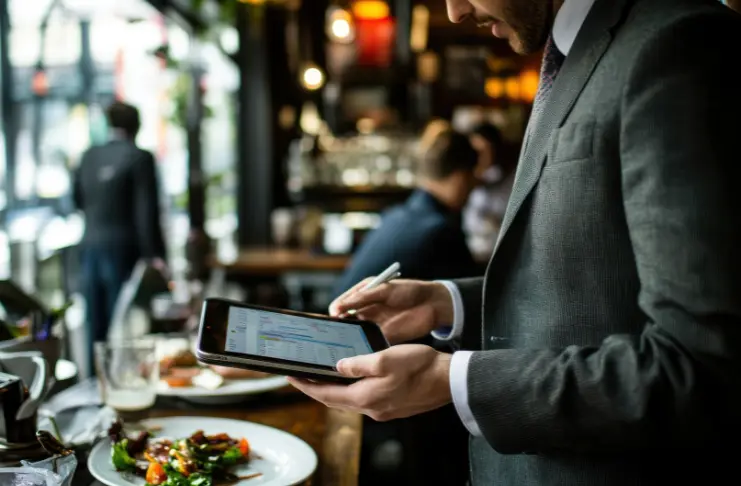
Fine-dining restaurants rely on fewer guests but higher spending per visit. Understanding how much guests typically spend and when they order food can help restaurants make smarter decisions about pricing, staffing, and menu design.
Average Revenue
According to IBIS World, the U.S. fine dining segment generated $16.7 billion in total revenue across 4,688 locations in 2024. That puts the average annual revenue per restaurant at approximately $3.56 million. Higher check sizes, curated experiences, and a lower volume but higher-value guest base largely drive this revenue density.
Average Spend Per Customer
A typical fine dining guest can spend between $50-$1,000 per visit, depending on location and inclusions such as wine pairings.
For instance, a Michelin-star restaurant in New York like Musket Room charges around $145 for its tasting menu. Another example is a fine-dining restaurant in Spain, with a high-end Mediterranean dining concept and immersive experience, that can cost up to $2,380 for a 20-course tasting menu.
Dining out, especially at fine-dining restaurants, became more expensive from 2019 to 2023, as the average fine-dining meal cost rose from $41.18 in 2019 to $47.73 in 2023.
Peak Revenue Periods
Most restaurants, including fine dining, see their highest revenue during weekends, holidays, and seasonal peaks. U.S. restaurant sales jumped 7.8% during November-December 2023 versus 2022, reflecting stronger holiday demand.
Fine Dining vs Casual Dining vs Fast-Casual: A Competitive Breakdown
As the restaurant landscape grows increasingly segmented, understanding how fine dining compares with casual dining and fast-casual formats can be helpful for strategic planning. While fine dining focuses on prestige, pricing, and high-end experiences, casual dining and fast-casual formats thrive on scale, speed, and consistency.
Here’s a quick comparison of these restaurant formats to understand how the fine dining restaurant sector is doing.
A. Fine Dining
Fine dining restaurants prioritize exclusivity, craftsmanship, and immersive experiences, catering to an audience that values quality over convenience.
- Fine dining relies on trained waitstaff, sommeliers, and multi-course menus to create a personalized, often theatrical experience.
- It features a premium pricing model, where an elevated average check size allows for higher margins, despite lower table turnover and higher overhead.
- Dining at a fine dining restaurant is often seen as a status symbol. People choose it for special occasions, to impress, or to enjoy a high-end experience worth the higher price.
B. Casual Dining
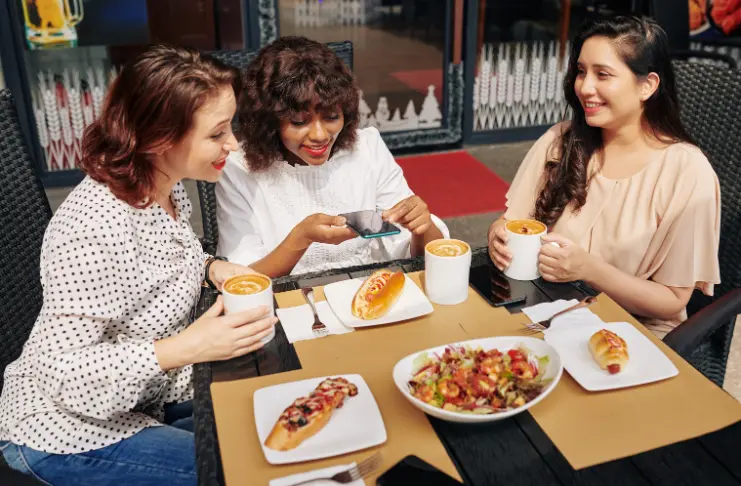
Casual dining combines comfort and variety, offering sit-down service without the formality of fine dining, targeting families, social groups, and everyday diners.
- It features competitive pricing that attracts a broad customer base seeking a balance of quality food and affordability.
- Menus focus on well-known items that appeal to a wide range of customers, like burgers, pasta, or pizzas, often global flavors or seasonal options to keep things fresh.
- The success of the restaurant hinges on consistent foot traffic, efficient service, and repeat visits.
C. Fast Casuals
Fast-casual restaurants offer better food quality than fast food, but with quicker service than casual dining and no full table service, making them a popular choice for customers with a busy lifestyle and a preference for quick meals.
- It often follows a limited service model, with customers ordering at a counter or self-service kiosk, resulting in reduced labor costs and faster throughput.
- Menus are highly customizable, catering to diverse palettes and wiser dietary needs.
- These restaurants focus on efficiency with streamlined kitchen operations, technology-driven ordering, and high turnover to drive profitability.
Key Comparison Statistics
While business models and guest expectations shape the overall approach of each format, these statistics will offer a clear picture of how they perform in real terms.
- Globally, casual dining dominates the full-service restaurant segment with a 65% market share.
- Fine dining has the highest profit margin, with an average profit of 10-15%, compared to 3-9% for casual and 2-6% for fast-casual.
- Casual dining patrons spend about $18 per check, versus $50-$1000 for fine dining guests.
- A casual dining restaurant employs an average of 50-75 staff per restaurant, while a fine-dining restaurant requires a higher-skilled team of Chefs, sous chefs, sommeliers, wait staff, and others.
- As of 2024, there are more than 16,000 casual dining restaurant locations in the U.S., as compared to 4,000+ venues for fine dining restaurants.
Fine Dining Consumer Behavior and Preferences
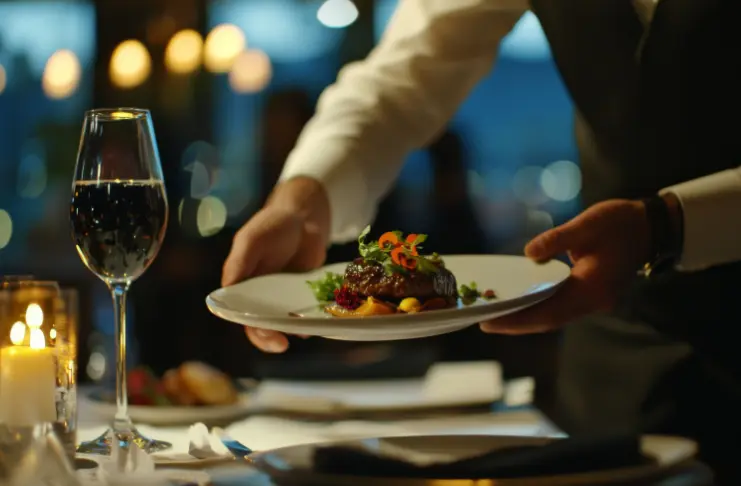
Fine dining increasingly centers on affluent urban adults who value quality and occasion. A survey shows that 70% of frequent fine dining guests are aged 35-54, although this age group represents only 26% of the overall population.
What Drives a Customer to Fine-Dining Restaurants
Special occasions such as birthdays, anniversaries, and major life milestones are among the most common reasons guests choose upscale venues, where the ambiance and service match the significance of the event.
Beyond celebrations, many guests seek a premium experience that goes beyond the meal itself. According to the National Restaurant Association, 64% of full-service diners value the overall dining experience more than price.
Another strong motivator is access to unique flavors. About 80% of diners eat out to try dishes they can’t easily replicate at home, making innovation and menu differentiation critical for fine dining success.
Key Consumer Behavior Statistics
- 41% of high-income consumers visit a restaurant at least once a week, though this is down two percentage points in 2024.
- 38% of guests with average checks of $89-$126 seek exclusive VIP events.
- 33% of diners who visit 7-8 times/month value VIP or specialty seating access.
- On average, consumers dine in full-service restaurants more than once, with men dining out more frequently (6.2 times/month) than women (4.7 times/month).
- Consumers with household incomes over $75,000 dine out more often than those earning less.
- For 69% of fine dining guests, food quality is the most important factor when choosing a restaurant.
- Another 70% of fine dining customers prioritize the dining environment when picking a restaurant.
- 81% of fine-dining guests prefer independent establishments over upscale national chains.
- Within the fine dining sector, 60% of customers prefer booking online over calling.
- Customers are looking for more than good food at fine dining restaurants. They are looking for exclusive, personalized experiences, and 75% of guests are even willing to pay more for that.
- 63% say they prefer simply prepared dishes in a casual setting over rich, formal presentations at fine dining restaurants.
Operational Challenges in Fine Dining Restaurants
Running a fine-dining restaurant is a high-risk operation with no margin for error. Behind the scenes, operators face complex, layered challenges that demand precision, planning, and constant adaptation.
1. High Costs
Fine dining requires access to exceptional talent and premium ingredients, but both come at a steep price. Skilled labor, such as chefs de partie, sommeliers, and experienced servers, commands higher wages.
Plus, staffing requirements are significantly higher than those in casual formats, which means labor costs become a major expense in running a fine-dining restaurant. For perspective, the labour cost percentage, or the cost of staff against sales for fine-dining, stands at 30-35%.
On the other hand, premium ingredient sourcing and intricate menu preparation drive up the cost of goods sold. According to the National Restaurant Association, food and labor costs for restaurants have increased by 35% since 2020, highlighting a serious financial strain on fine dining restaurants.
2. High Staff Turnover
Maintaining a high-performing team is one of the biggest hurdles. Many fine dining roles require years of training, yet turnover remains high. According to a report by the NRA, 80% of full-service restaurants are finding it difficult to fill kitchen positions, and 50% are struggling to fill service positions.
Additionally, the cost of losing a trained team member is also high, costing restaurants upwards of $150,000 per year, factoring in hiring, training, and lost productivity.
3. Managing Guest Expectations
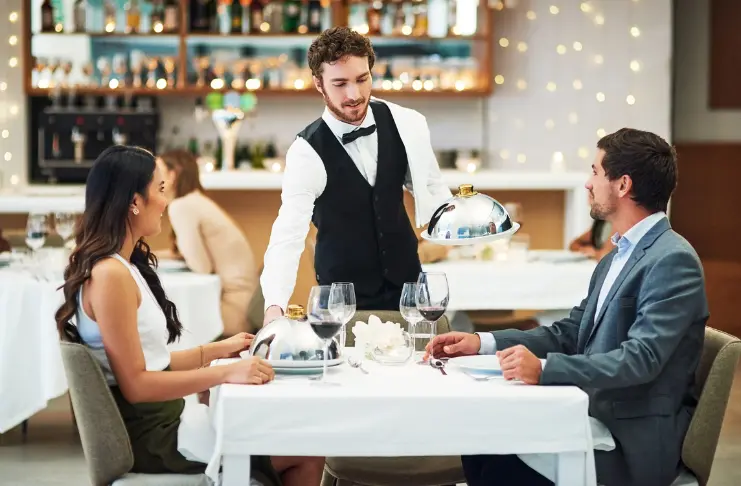
In fine dining, guests aren’t just paying for food, they’re buying an experience. That raises the stakes for operators to offer a near-perfect experience. But that precision also means added pressure across operations.
An unpleasant guest experience can lead to poor reviews or lost loyalty, affecting the business’s reputation. Not to mention, with diners spending hundreds of dollars per head, expectations around personalization, service quality, and dining ambiance are significantly higher than in casual formats.
4. Fixed Overheads
High-end restaurants typically operate with limited seating and high fixed costs, featuring upscale interiors and extensive front-of-house staffing.
But a few empty tables can sink profitability for the night. Table reservation no-shows have become a growing issue in the U.S. fine dining segment, particularly in cities like New York, where some Michelin-starred restaurants report no-show rates of 5-10%, which can also go up to 25%.
5. Supply Chain Issues
Fine dining menus often rely on rare, seasonal, or imported ingredients. That makes sourcing both costly and unpredictable. Chefs may work with dozens of small producers, each with their own delivery timelines, pricing models, and service quality.
Any delay within the supply chain may result in stockouts or last-minute changes to multi-course menus, affective service quality or consistency.
Emerging Trends in the Fine Dining Sector
As fine dining continues to evolve, staying ahead of guest expectations is essential for long-term relevance and profitability. The most successful operators in 2025 must combine innovation, technology, sustainability, and curated experiences to redefine what upscale dining means.
Here are the key upcoming trends in the fine dining landscape and what they mean for restaurateurs looking to lead the game.
1. Experiential and Multi-Sensory Dining
In 2025, fine dining is shifting from meals to full sensory experiences, engaging sight, sound, scent, and interaction. Restaurants are incorporating themed lighting, high-end tasting menus, and visual elements to turn meals into memorable events.
This multi-sensory dining experience also includes dishes served on aromatic platters, sounds and visuals that change with each course, and interactive lighting to create an inviting experience.
In Los Angeles, Elementa offers a five-course menu with virtual volcanoes, underwater backdrops, and atmospheric soundscapes for $200 a ticket. Such immersive moments not only increase the perceived value for the guests but also foster social media buzz.
2. Tableside Dining
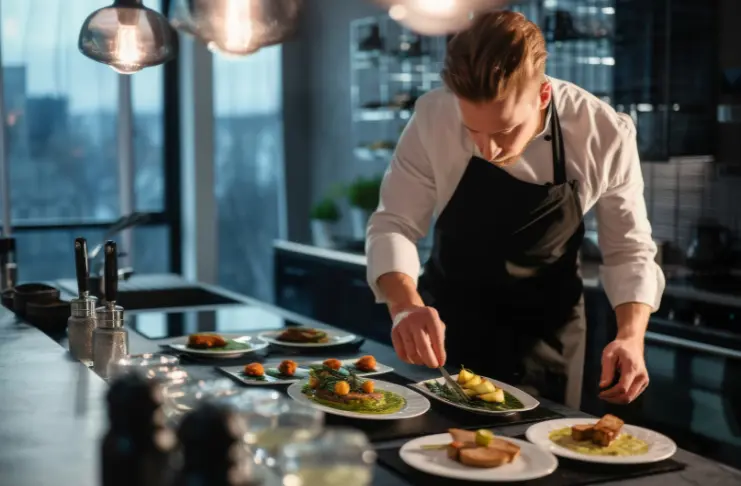
Tableside preparation, from flambé desserts to carving and cheese plating, is emerging as a key trend. Chefs like Tyler Florence highlight this “tableside razzle-dazzle” as one of the most talked-about 2025 restaurant trends.
Mintel reports that 62% of diners are interested in interactive experiences like chef’s tables, themed dining, or culinary workshops.
Chef’s Table is a unique concept where chefs showcase their culinary skills with personalized menus and dishes. It offers an intimate, insider access to culinary creativity, driving loyalty and social-media-worthy moments.
At the same time, these live interactions justify higher menu prices and elevate guest satisfaction in a way that even automation cannot replicate.
3. Hyper-Personalization
The consumer’s preference for integrated technology in restaurants is not limited to self-service kiosks or digital payments. Within the fine dining segment, digital innovation like smart-table technology, including touchscreens, embedded charging ports, personalized lighting, and AR-enhanced menus, that adapts in real time to diners, can enhance guest experience and operational efficiency.
In addition, the use of data analytics and AI to personalize guest experiences with custom seating or AI-enabled menu recommendations will further boost the fine dining segment.
4. Ethical Sourcing
Sustainability is emerging as a critical aspect of restaurant operations, with a strong focus on ethically sourced materials and reduced wastage. According to reports, 66% of fine dining consumers are willing to pay more for ethically sourced food ingredients.
In NYC, the “Make Food, Not Waste” week brought together 12 Michelin-starred restaurants to implement zero-waste menus, composting, and ingredient reuse from scraps to create innovative dishes.
Additionally, restaurants across the U.S. are adopting biodigesters, glassware repurposing, and fermentation programs, all driving sustainability and culinary creativity.
5. Health-Conscious Offerings
A report by the International Food Information Council reveals that 70% of diners today are actively seeking healthy dining options. As wellness continues to influence consumer choices across the restaurant industry, fine-dining restaurants are responding with curated offerings that balance taste with nutrition.
Case in point, Eleven Madison Park, a Michelin-starred fine dining restaurant in NYC that transitioned to an entirely vegan menu and retained its three Michelin stars in 2023.
In 2025, restaurants are increasingly incorporating clean-label ingredients, seasonal produce, and nutrient-rich preparations without compromising flavor or presentation. The emphasis is shifting to lighter, more plant-forward and nutrient-dense ingredients that celebrate simplicity and freshness.