
Innovative marketing ideas for pizza restaurant is key to success in the competitive pizza industry. Recently, a pizzeria’s menu flyer, designed to look like a $100 bill tucked inside a wallet, went viral on Instagram.
Shared by @socialmediadissect, the post garnered over 57,000 views and 2,000 likes daily, sparking comments like “genius” and “brilliant.” This highlights the power of creativity in generating significant engagement. In 2023, consumers spent $40.7 billion on pizza at quick-service restaurants, emphasizing the need for unique marketing tactics. Pizzerias must leverage innovative strategies to capture and retain customer interest. For marketing professionals and restaurant owners, embracing such creative ideas is crucial to standing out in a crowded market.
Implementing marketing ideas for pizza restaurants such as limited-time offers and loyalty programs can attract both new and existing customers. Developing a robust pizza marketing strategy that includes targeted promotions and influencer partnerships will further enhance visibility in the competitive restaurant industry
This blog will explore effective marketing ideas for pizza restaurants, from seamless online ordering systems and enticing digital menus to leveraging social media and engaging in community events.
1. Online Ordering Systems
The rise of online ordering is reshaping the pizza industry. Reports indicate that 80 percent of American diners increasingly turn to online options. Recognizing this trend, pizza restaurants are adopting integrated online ordering systems for convenience and as a strategic tool for growth.
Integrating different services with an online ordering system has proven beneficial. These systems allow seamless data integrations, offering insights into customer preferences and behaviors. Such insights enable restaurants to fine-tune their menus and promotional strategies effectively.
Mobile apps complement this integration by directly placing the restaurant’s interface into customers’ hands. This convenience boosts personalization and engagement, supporting robust loyalty programs. These programs are particularly impactful; members typically order more frequently and spend more, increasing overall sales.
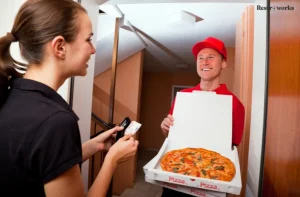
The integration extends to other areas as well. POS systems linked with online ordering streamline operations and ensure real-time updates to menu prices and availability, reducing errors. Delivery service integrations offer flexibility in managing local deliveries, which can enhance customer satisfaction and encourage repeat orders.
Moreover, adding survey tools can significantly improve customer relations. Feedback mechanisms help address any service hitches promptly, often turning dissatisfied customers into regular patrons.
An example of successful integration is Uno Pizzeria & Grill, which revamped its operations by adopting a comprehensive guest engagement platform. This move increased its online orders and enhanced customer loyalty, operational efficiency, and cost management.
Leveraging a first-party online ordering platform with integrated services is crucial for pizza restaurants today. It simplifies managing technology, improves customer engagement, and streamlines operations, all essential for thriving in a competitive market.
This approach helps attract more customers and retain loyal customers through personalized experiences. Implementing pizza marketing campaigns and effective pizza marketing ideas can further enhance visibility and drive sales.
2. Upgrade to Digital Menus
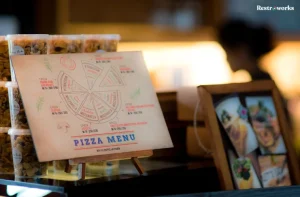
The COVID-19 pandemic accelerated the adoption of digital menus as restaurants sought to reduce contact between staff and customers.
With the easing of pandemic restrictions, many establishments retain digital menus for their considerable business advantages.
Types of Digital Menus
Digital menus come in various forms, each serving different operational needs:
- Static Menus: These are non-interactive and often found as digital boards in fast-food restaurants or PDFs on websites. They are used to display options that customers can order through a server.
- Interactive Menus: Accessed on mobile devices or via in-house devices like kiosks. These allow customers to browse, order, and pay without server intervention.
- QR Codes and Mobile Ordering: By scanning a QR code, customers can view a menu on their mobile devices—static or interactive—and place orders directly.
Advantages of Digital Menus
Switching to digital menus offers several benefits:
- Flexibility and Customization: Menus can be updated in real-time based on inventory, eliminating the need for costly reprints.
- Efficiency and Accuracy: Direct customer input reduces order mistakes, streamlining the dining experience.
- Enhanced Customer Experience: Digital menus allow staff to focus on hospitality and improve service quality. They can provide detailed descriptions and images of menu items, helping customers make informed choices and enhancing their dining experience.
- More Possibilities: Faster table turnover and upselling opportunities through menu design can lead to higher profitability. This should excite marketing professionals and restaurant owners, as it opens up new avenues for revenue generation.
- Data Collection: Digital menus provide valuable insights into consumer preferences, aiding strategic decisions.
How to Design Digital Menus
When designing a digital menu, consider readability and navigation:
- Font and Color: Choose simple, legible fonts and high-contrast color schemes to enhance readability.
- Layout: Optimize layouts for the device—vertical scrolling for mobile devices and horizontal for static displays.
- Branding: Incorporate brand colors subtly to highlight key items without overwhelming the design.
Tips to Implement Digital Menus
To implement a digital menu effectively:
- Choose a Provider: Select a digital menu provider that integrates well with your existing tech stack and offers comprehensive support.
- Design Your Menu: Utilize preset or custom designs that meet usability standards.
- Integrate Systems: Ensure your digital menu integrates seamlessly with your POS and other technology for real-time updates. System integration, which involves connecting different systems and software to work together, is a crucial step in implementing digital menus. It can help pizza restaurants streamline operations, improve efficiency, and ensure real-time updates to menu prices and availability, reducing errors.
- Train Your Staff: Equip your team with the necessary skills to use the new system and address customer queries confidently.
- Market Your Menu: Inform customers about your digital menu through online and offline channels, employing tools like QR codes for easy access.
Kotsu Ramen & Gyoza exemplifies effective digital menu usage. The restaurant employs Lightspeed’s Order Anywhere tool, allowing customers to scan a QR code and place orders seamlessly, mirroring the in-house ordering flow.
This setup emphasizes integrating digital menus with the overall customer service strategy, enhancing efficiency and guest satisfaction.
3. Value-Driven Offers
The quick-service industry thrives on speed, convenience, and cost-effectiveness. Introducing value-driven offers is a strategic move for pizza restaurants to attract customers and stay competitive.
The Allure of Value Menus
The value menu concept isn’t new but remains profoundly effective. Originating with Wendy’s in 1989, the value menu saw a radical introduction of low-priced items like the 99-cent burger, leading to a 25 percent sales increase that year. This strategy revolutionized Wendy’s approach and set a precedent for the industry. Today, amidst fierce competition, value menus are crucial for drawing customers and responding to price wars among quick-service restaurants.
Strategic Price Positioning
Value does not necessarily mean cheap. Consumers perceive value through the lens of price-quality balance. Effective value-driven strategies go beyond mere low prices. They include perceived quality, portion size, and the ability to customize orders. Examples like Taco Bell’s mix-and-match bundles and Wendy’s four-for-$4 deals highlight how tailored experiences offer perceived value that resonates with consumers.
Leveraging Limited-Time Offers and Couponing
Limited-time offers (LTOs) and couponing are tactical methods that balance profitability with customer attraction. LTOs, such as dine-in-only deals, encourage visits and purchases of higher-margin items like drinks. Coupons increase traffic, introduce new customers to the brand, and encourage the trial of new products without undermining the value of signature items.
Introducing New Items at Lower Prices
Innovating the menu with new, lower-priced items caters to modern, on-the-go lifestyles and can enhance the nutritional appeal of the menu. This approach allows brands to offer variety without diluting the perceived value of their main offerings. For instance, introducing snack items or smaller portions at lower prices can attract a broader customer base.
The Barbell Strategy: Balancing Value and Premium
The barbell strategy involves balancing low-priced items with premium offerings to maintain profitability while catering to diverse consumer preferences. By offering both, restaurants can draw in price-sensitive customers with value deals and encourage purchases of higher-margin, premium products. This dual approach helps maintain a healthy profit margin and customer satisfaction.
4. Leveraging Seasonal and Themed Promotions in Pizza Marketing
Seasonal and themed promotions are pivotal strategies for pizzerias to attract and retain customers by tapping into the zeitgeist of current events, seasons, or holidays.
These innovative marketing tactics boost pizza sales and enhance the dining experience by creating a resonant connection with customers.
Pizzerias can adopt various promotional strategies, such as:
Seasonal Specials: Crafting menus that feature fresh, seasonal ingredients, such as summer pizzas topped with barbecue chicken or tropical fruits, highlight the vibrancy of the season and attract customers looking for novel dining experiences.
Themed Deals: Celebrating holidays and special occasions with unique offerings, like Valentine’s Day heart-shaped pizzas or Halloween-themed toppings, can draw in theme enthusiasts and create memorable moments.
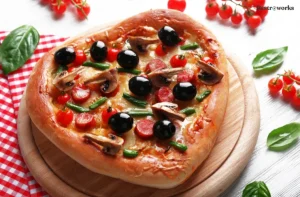
Family-Friendly Promotions: Offering meal bundles or family-sized pizzas caters to family diners, providing value and convenience.
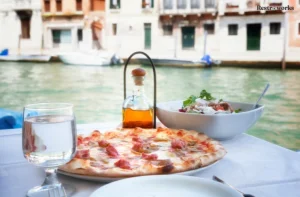
Outdoor Dining Experiences: Promoting outdoor dining during pleasant weather enhances the overall enjoyment of dining out, making the most of seasonal beauty.
Social Media Engagement: Utilizing social media platforms to promote these special offers helps reach a broader audience, engage with customers interactively, and build excitement around seasonal or themed specials.
5. Implementing Effective Delivery Deals in Pizza Marketing
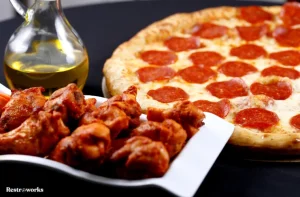
Offering a variety of delivery deals is an effective strategy to increase order volumes and attract new customers in the competitive pizza industry. For instance, percentage discounts such as “20% off your delivery order tonight” or “Get 15% off your first online delivery” provide straightforward savings that customers can easily understand and appreciate. Similarly, Buy One, Get One (BOGO) deals like “Buy one large pizza, get one medium free” on BOGO Tuesdays not only entice customers but also encourage larger orders.
Moreover, fixed-price deals can simplify the ordering process for customers by offering a complete meal at a set price, such as “Large pizza, wings, and breadsticks for $19.99.” This type of offer appeals to those looking for value and convenience. Additionally, promotions that waive delivery fees, like “Free delivery on all orders over $25,” effectively remove a common barrier that might deter potential orders.
Limited Time Offers (LTOs) add an element of urgency that can compel customers to act quickly; examples include “This week only: 30% off delivery with code ‘WEEKEND30′” or “Half-price appetizers with any delivery order before 6 PM.” These deals are designed to boost short-term sales and can influence holidays or special events.
To successfully implement these deals, they should be prominently highlighted on your website and mobile app. A dedicated “Deals” section that is easy to navigate ensures that customers can find and take advantage of offers without hassle. Additionally, promoting these deals through social media with eye-catching graphics and engaging campaigns, such as contests or giveaways, can significantly increase their visibility.
Email marketing is another powerful tool, where regular newsletters keep your offers at the top of your customers’ minds. Exclusive discounts for email subscribers can foster loyalty and drive repeat business. It’s also beneficial to remind customers of deals that are about to expire to encourage immediate action.
Engaging with the local community through partnerships with complementary businesses and local events can further extend the reach of your promotions. Traditional advertising methods, such as flyers and local newspaper ads, continue to be effective, especially for reaching demographics less inclined to digital media.
In all promotional activities, simplicity should be a guiding principle. Deals that are easy to understand and redeem are more likely to be successful. Monitoring which promotions resonate best with your customers can help refine your strategy. Additionally, ensuring a smooth ordering and delivery process is crucial, as positive customer experiences will likely result in repeat business.
For example, a midweek campaign might include a “Wednesday Special: 20% off all delivery pizzas + Free Delivery on orders over $20.” Promoting this offer through a banner on your website, social media posts with engaging visuals, an email blast to loyalty members, and targeted ads within your delivery radius can effectively boost midweek sales.
6. Effectively Highlighting Your Pizza Restaurant’s Unique Selling Propositions (USPs)
Successfully differentiating your pizza restaurant in a crowded market involves strategically showcasing your unique selling propositions (USPs). Here are streamlined methods to communicate what sets your establishment apart, utilizing various marketing platforms:
On Your Website
Develop an “Our Story” section to narrate your restaurant’s heritage and commitment to quality. Enhance menu descriptions with enticing terms like “sun-ripened San Marzano tomatoes” or “daily hand-stretched dough.” Invest in professional food photography to visually entice visitors with your culinary creations.
Through Social Media
Capture the craft behind your pizzas with videos displaying the freshness of your ingredients and the skill in preparation. Foster community interaction by encouraging customers to post their experiences and host contests that showcase the breadth of your menu options.
Through Email Marketing
Offer exclusive deals directly related to your USPs, such as a complimentary upgrade to a specialty crust for new subscribers. Feature stories about specific ingredients, explaining their origins and contribution to your dishes’ flavor profiles.
Inside Your Restaurant
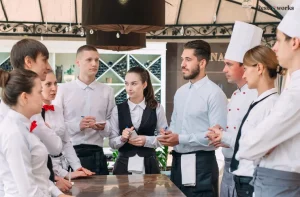
Design your physical menus to emphasize specialty dishes and unique ingredients prominently. Equip your tables with promotional materials that spotlight seasonal specials or the story behind your homemade sauces. Train your team to articulate these highlights effectively, enhancing the dining experience with their knowledge.
Community Engagement at Local Events
Participating in community events, such as hosting a “Pizza Party in the Park“, showcases your brand and connects you with potential customers meaningfully. It’s an effective strategy to give back to the community while promoting your restaurant. Engaging in such activities can significantly increase local customer loyalty and brand recognition.
Responsive Interaction with Customer Reviews
Actively responding to customer reviews is crucial. For example, sending a personalized message to thank customers for their feedback and inviting them back shows you value their input and are committed to improving their experience. This practice is important as nearly 97% of customers read online reviews for local businesses, emphasizing the importance of managing and responding to reviews to maintain a positive public image and foster customer loyalty.
Multichannel Marketing
Utilizing a mix of online and offline channels, such as social media, email campaigns, and local advertising, enables you to promote your pizza business effectively. Multichannel marketing strategies allow you to reach customers across various platforms, increasing brand awareness and engagement. Research shows that campaigns integrating four or more digital channels can outperform those that use fewer channels by 300%, underlining the effectiveness of a comprehensive promotional strategy.
Tips to Enhance Pizza Restaurant Marketing Through Review Platforms
Here are the ways to solidify the presence of your pizza marketing:
Establishing a Strong Online Presence
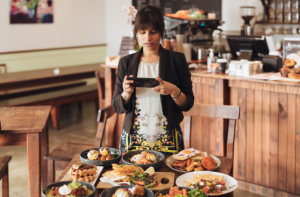
Restaurants should optimize profiles on TripAdvisor, Yelp, and Google Business. Accurate details and high-quality photos boost visibility. Use relevant keywords for better searchability.
Utilizing Loyalty Programs
Digital loyalty programs via apps or websites offer personalized rewards, promotions, order tracking, and customer data. Examples include Domino’s and Papa John’s rewards programs. Offline programs, like punch cards, are limited to in-store customers.
Leveraging Digital Ads
Google Ads and Waze are vital for U.S. pizza marketing. Google Ads target searches like “pizza near me” and offer display and YouTube ads. Waze features Hyperlocal Targeting, Branded Pins, and engaging ads for nearby drivers.
Managing Customer Reviews
Encourage reviews through table tents, email receipts, and signage. Simplify the process with direct links on websites and social media.
Engaging with Reviews
Respond to positive reviews with gratitude and address negative reviews professionally. Regular monitoring ensures timely responses and a responsive image.
Expanding Online Platforms
List on local directories, partner with delivery apps, and engage on TikTok and Instagram. These platforms showcase the menu and attract younger customers.
Implementing Targeted Advertising
Use Yelp Ads and TripAdvisor Sponsored Placements for higher search visibility. Consider costs and targeting options for effective resource use.
Prioritizing Quality and Integrity
Maintain high standards in food and service to earn positive reviews. Engage authentically with customers, avoid fake reviews, and participate in community interactions to build a strong reputation.
Final word: Marketing Ideas for Pizza Restaurant
As a restaurant owner, learning the right marketing will increase the ROI as well as establish good brand visibility. These pizza restaurant marketing ideas help you to stand out in the competition. Always start with setting a pizza restaurant marketing plan and conduct proper research before implementing these strategies.