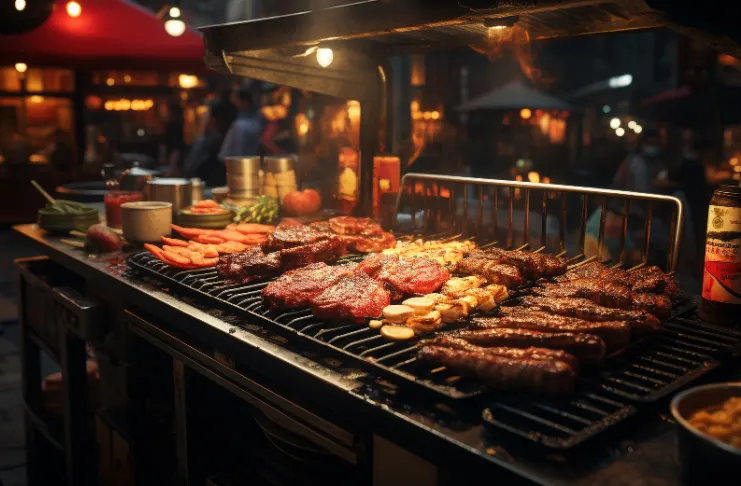

Barbecue is a popular cooking style enjoyed worldwide, from casual backyard cookouts to home cooking to fancy restaurant meals. Its smoky, grilled flavors appeal to many, making it an important part of the food industry. As consumer demand for flavorful, slow-cooked meats rises, BBQ restaurants continue to evolve with new techniques and innovative concepts. From traditional smokehouses to modern fusion BBQ, the industry is adapting to meet changing tastes and dining preferences. This blog explores the BBQ restaurant business, covering market trends, growth, and key facts shaping the industry today.
BBQ Restaurant Industry Overview
The global barbecue grill market has witnessed substantial growth in recent years due to rising demand for smoked meats and outdoor cooking. Whether it’s backyard BBQs, buffets, or specialized restaurants, people are drawn to high-quality BBQ grill equipment like Traeger grills, which are known for their advanced wood pellet technology.
Valued at approximately USD 5.28 billion in 2024, it is projected to reach USD 7.08 billion by 2030, growing at a CAGR of 5.1%. This growth is fueled by changing lifestyles, increased outdoor activities, and a rising preference for grilled foods.
In the United States, the barbecue culture is deeply ingrained, with 64% of adults owning a grill or smoker. The popularity of barbecue extends beyond the U.S., with regions like South America showing significant market potential.
Key BBQ Market Trends (2024–2025)
1. Rise of Regional BBQ Styles
In 2024 and 2025, regional barbecue styles remain a driving force behind consumer interest in BBQ restaurants. In the U.S., iconic styles like Texas-style brisket, Carolina vinegar-based pulled pork, Kansas City’s sweet and smoky ribs, and Memphis’ dry rub ribs define local menus and brand identities. These styles don’t just offer distinct flavor profiles, they tap into cultural pride and nostalgia, which drives loyalty and repeat business.
Restaurants that successfully showcase or fuse regional styles can differentiate themselves in a crowded market. Additionally, tourists increasingly seek out local BBQ traditions, turning regional authenticity into a key customer acquisition strategy.
2. Growing Demand for Craft BBQ and Artisanal Sauces

Modern consumers are seeking more than just a plate of ribs, they want a story. This has fueled a sharp rise in demand for craft BBQ experiences and house-made, artisanal sauces. Customers are drawn to slow-smoked meats cooked in small batches, signature spice blends, and sauces that reflect a chef’s personal recipe or a region’s heritage.
These craft-forward experiences align with broader foodservice trends centered on authenticity and premium quality. Most barbecue restaurants now emphasize their scratch-made sauces or in-house rubs as a brand differentiator. This trend also allows restaurants to boost margins by charging more for quality-driven, curated menu offerings.
3. Health-Conscious Twists on BBQ
Barbecue has traditionally been known for indulgence rich meats, sugary sauces, and generous portions. But in 2024–2025, the BBQ business is evolving to meet the needs of health-conscious diners. More operators are offering lean protein options such as turkey or grilled chicken breast, incorporating sides like smoked vegetables or quinoa salad, and even introducing plant-based BBQ options.
This approach not only helps attract health-aware diners but also broadens the restaurant’s customer segment to include vegetarians and flexitarians. Balancing indulgence with nutrition is becoming a strategic priority for restaurants aiming to future-proof their menus and cater to a more mindful audience.
4. Influence of Food Trucks and Pop-Up BBQ Joints
BBQ food trucks and pop-ups are transforming how smoked meat is served, bringing the flavors of traditional barbecue to street corners, festivals, and breweries. These models have surged post-pandemic due to lower operating costs, agility in location targeting, and a growing appetite for unique, casual dining experiences.
For entrepreneurs, food trucks are a cost-effective entry into the BBQ space, allowing them to test markets and refine menus before committing to a full-service restaurant. Additionally, pop-up BBQ joints often collaborate with local events and vendors, creating buzz and attracting foodies eager to try limited-time offerings or regional specials.
5. Growth of BBQ Catering Services

Barbecue’s crowd-pleasing appeal makes it ideal for large gatherings, fueling rapid growth in the catering segment. From corporate events and weddings to backyard parties and festivals, BBQ catering has become a staple. Restaurants are capitalizing on this by offering customizable catering menus, buffet-style service setups, and on-site smoking experiences.
With the right logistics and prep systems, catering provides a high-margin revenue stream with low marketing costs especially when paired with customer referrals and repeat bookings. Operators who invest in packaging, bulk-ordering logistics, and scalable prep systems are finding catering to be a lucrative extension of their dine-in or delivery model.
6. Expansion of BBQ Franchises and Chains
BBQ chains are scaling fast, particularly in fast-casual and quick-service formats. Brands like Dickey’s Barbecue Pit and Mission BBQ are expanding nationally through franchise models that offer streamlined operations, consistent branding, and support systems for franchisees. This trend is expected to accelerate as demand for grilled food continues to grow across urban and suburban markets.
Franchising allows these concepts to tap into regional markets where BBQ culture already thrives, such as Texas, Tennessee, and parts of South America. With scalable menus and proven supply chains, these franchises are attracting investors seeking stability and market growth in the foodservice industry.
Insight into Revenue & Profit Margins by BBQ Restaurant Type
1. Casual BBQ Restaurants
Casual BBQ restaurants cater to families and groups, offering both dine-in and takeout options. Their revenue typically falls between $50,000 and $125,000 per month, supported by steady customer traffic and affordable menu pricing. These establishments thrive on high turnover, ensuring consistent sales.
With profit margins ranging from 10% to 15%, they maintain a balanced financial structure. Cost-effective ingredients, like BBQ staples purchased in bulk, help control expenses while delivering flavorful meals that keep customers returning.
2. Fast-Casual BBQ Restaurants

Fast-casual BBQ restaurants focus on speed and convenience, offering a streamlined menu primarily for quick-service dining and takeout. Their monthly revenue typically ranges between $40,000 and $100,000, reflecting their efficient operations.
Despite generating less revenue compared to full-service BBQ establishments, these restaurants maintain healthy profit margins of 8% to 12%. Their ability to optimize service flow and minimize operational costs allows them to stay financially sustainable while catering to a fast-moving customer base.
3. Upscale BBQ Restaurants
Upscale BBQ restaurants focus on delivering a high-end dining experience, offering premium barbecue meats, gourmet BBQ preparations, and an elegant atmosphere. Their monthly revenue typically ranges between $100,000 and $200,000, supported by higher pricing and an affluent customer base.
Although these restaurants have higher operational costs, including labor, top-quality ingredients, and upscale décor, they achieve strong profit margins of 15% to 20%. Their ability to charge premium prices while maintaining a refined ambiance allows them to stay financially successful in a competitive market.
4. BBQ Food Trucks
BBQ food trucks operate with a mobile and event-driven model, allowing them to serve a variety of locations and cater to different occasions. Their monthly revenue typically falls between $10,000 and $50,000, depending on foot traffic, event bookings, and seasonal demand.
Since these trucks have lower overhead expenses compared to traditional restaurants, they benefit from higher profit margins of 20% to 30%. However, earnings can vary based on location, time of year, and the frequency of catering opportunities, making flexibility and strategic positioning key to financial success.
Cost Optimization Opportunities to Improve Margins
1. Food Costs
Implementing portion control, sourcing ingredients locally, and minimizing waste are effective strategies for managing food costs. Regularly reviewing supplier contracts can also lead to cost savings.
2. Labor Costs
Cross-training staff, optimizing scheduling, and investing in employee retention programs can reduce labor expenses. Efficient labor management ensures consistent service quality while controlling costs.
3. Operational Efficiency

Streamlining kitchen workflows, maintaining equipment, and adopting energy-efficient appliances contribute to operational efficiency. These measures reduce downtime and utility expenses, enhancing overall profitability.
4. Menu Engineering
Analyzing sales data to identify high-margin items allows for strategic menu design. Promoting these items can increase average check sizes and improve profit margins.
5. Marketing and Customer Retention
Investing in targeted marketing campaigns and loyalty programs fosters customer retention. Engaged customers are more likely to return and recommend the restaurant, driving sustained revenue growth.
Strategies to Grow a BBQ Restaurant
1. Marketing & Local SEO
- Google Business Profile Optimization: Ensure your BBQ restaurant’s Google listing is complete, accurate, and includes high-quality photos, menu links, and updated hours. This is vital for appearing in “near me” BBQ or buffet-related searches and capturing mobile traffic from hungry diners nearby.
- Content & Review Strategy: Regularly update your website or blog with BBQ-related content (e.g., “best ribs in town,” “how we smoke our brisket”). Encourage satisfied customers to leave Google and Yelp reviews—positive social proof significantly improves your local SEO rankings and trustworthiness.
- Social Media + Geo-Targeted Ads: Use platforms like Instagram and Facebook to share behind-the-scenes content, showcase signature dishes, or announce seasonal deals. Pair this with geo-targeted ads to attract nearby customers, especially during peak lunch and dinner hours.
2. Tech Adoption
- Integrated POS System: A modern POS helps streamline order-taking, manage kitchen workflows, and track inventory in real-time. For BBQ restaurants where timing and temperature control are crucial, an efficient POS reduces errors and helps manage complex domestic cooking appliances like smokers and grills.
- Online Ordering & Mobile Apps: Offering in-house online ordering or partnering with third-party platforms can drive incremental revenue. Make sure your online menu is easy to navigate and optimized for mobile—customers should be able to order their favorite BBQ grill combos or extensive buffet spreads within a few clicks.
- Third-Party Integrations: Restaurant management software help integrate delivery apps, customer databases, and loyalty programs. This ensures a seamless operational experience and reduces manual entry errors, while also providing valuable data on customer behavior and sales trends.

3. Increase Average Order Value (AOV)
- Bundled Combos & Upsells: Offer combo deals that group main BBQ dishes with sides, drinks, or desserts. For example, pair brisket sandwiches with fries and a craft soda, or promote a “family BBQ pack” with larger margins.
- Premium Add-Ons: Introduce upsell items like extra sauces, premium meats (e.g., wagyu brisket), or limited-time Traeger grills-smoked specials. These items not only elevate the dining experience but also increase spend per ticket.
- Menu Design Psychology: Use visual cues, strategic placement, and descriptive copywriting to draw attention to high-margin dishes. Highlight customer favorites or chef-recommended platters with icons or badges to subtly guide choices.
4. Increase Customer Purchase Frequency
- Digital Loyalty Programs: Offer points or rewards through mobile apps or integrated POS systems. Incentivize repeat orders with rewards like free sides, discounts on buffet meals, or exclusive early access to new menu items.
- Email & SMS Engagement: Collect customer data at checkout and use it to send personalized offers, event invitations, or birthday deals. These channels drive repeat visits and keep your restaurant top-of-mind.
- Customer Experience Consistency: Focus on delivering consistently great food and service. BBQ often thrives on word-of-mouth, so a memorable experience—from smoky flavors to friendly staff—turns first-timers into lifelong fans.
Conclusion
The barbecue restaurant industry is poised for continued growth, driven by evolving consumer preferences and innovative business models. By understanding market trends, optimizing operations, and leveraging technology, barbecue restaurants can enhance profitability and ensure long-term success.