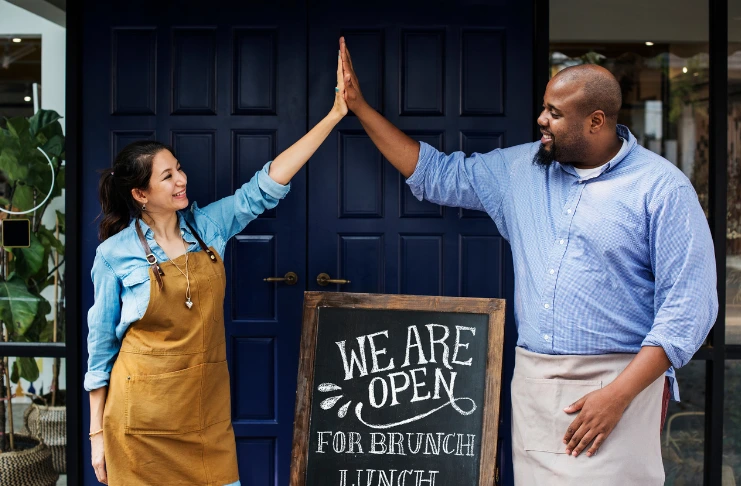

Why Welcoming Guests Properly Matters
The moment a guest enters your restaurant, they start forming opinions—about your staff, your atmosphere, and ultimately your food. If this crucial moment is mishandled, it can impede the chances of creating a positive dining experience, even if the best cuisine is served.
Key Reasons Why a Warm Welcome is Critical:
- Sets the tone for the visit: A friendly, confident greeting instantly puts guests at ease.
- Shows professionalism: Organized and attentive front-of-house staff signal a well-run establishment.
- Encourages loyalty: New customers are far more likely to return if they feel genuinely valued from the beginning.
- Influences online reviews: Many glowing or negative reviews start with how a guest was treated at the door.
Example:
Imagine a guest entering a busy bistro. One host smiles, greets them by name, and offers to take their coat. Another host at a different restaurant ignores the arriving party for several minutes. Which restaurant do you think will earn repeat business?
Preparing Your Staff to Welcome Guests

Good customer service starts with proper preparation. Restaurant owners should treat greeting guests as a core skill, not an afterthought. Your staff should be trained to approach every interaction with confidence, warmth, and professionalism to ensure great customer service. Key Training Areas:
1. Body Language:
- Staff should maintain a friendly smile, stand upright, and use open gestures to appear approachable.
- Direct eye contact conveys attentiveness and respect, making new customers feel acknowledged.
- Non-verbal communication often speaks louder than words—train staff to master it.
2. Tone of Voice:
- A warm, polite tone creates an inviting atmosphere and immediately sets the tone for an excellent customer service experience.
- Even during busy hours, voices should remain calm, clear, and patient.
- Avoid sounding rushed or robotic—natural, conversational tones work best. Like: “Welcome in! We’re so glad you’re here.”; “It’s great to see you again—your table is ready.”
3. Appearance:
- Clean, well-fitted uniforms signal professionalism and care, both key to a great dining experience.
- Personal hygiene is non-negotiable; customers notice details like clean hands, neat hair, and tidy shoes.
- An orderly appearance assures guests that your restaurant is clean and trustworthy.
Steps to Greet and Seat Customers Professionally
Welcoming a customer doesn’t stop at “hello.” The entire process from entry to table should feel seamless and curated. Step-by-Step Guide:
- Greet Immediately: Within 5 seconds of entry, acknowledge every guest—even if you’re attending another party.
- Smile and Make Eye Contact: It creates trust and sets a positive tone.
- Inquire Politely: Ask, “Do you have a reservation with us today?” instead of a blunt “Reservation?”
- Accommodate Their Needs: Offer booster seats for children, wheelchair-accessible seating, or quiet corners for conversations.
- Escort and Engage: Walk them to their table while sharing a brief welcome message or a daily special.
- Present the Menu Thoughtfully: Once seated, provide menus, introduce the server, and set expectations—“Your server will be right with you to walk you through today’s specials.”
Example:
At fine-dining restaurants like Eleven Madison Park in New York, staff often walk around the table to pull out each chair and personally introduce themselves. These details may seem minor, but they form a foundation for delivering good customer service.
Creating a Personalized Guest Experience

The best restaurant owners and staff understand that personalized service transforms a meal into a memory. This is especially effective in fostering loyalty among both regulars and new customers. How to Personalize the Experience:
1. Recognize returning guests
- Train your team to review reservation notes or use CRM tools to identify repeat diners.
- Remembering customer preferences like seating choice or favorite dishes shows attention to detail.
- It makes new customers feel remembered and valued, building long-term loyalty.
2. Acknowledge special occasions:
- Celebrate milestones like birthdays or anniversaries with a genuine smile or a small complimentary treat.
- Even a verbal acknowledgment makes guests feel special and appreciated.
- These gestures often lead to glowing reviews and return visits.
3. Use names when possible:
- Referring to customers by name fosters familiarity and creates a stronger emotional connection.
- It signals that your restaurant sees guests as individuals, not just table numbers.
- This simple detail enhances the overall dining experience and encourages loyalty.
Technology’s Role in Guest Welcome

Modern restaurants are leveraging technology to support better greetings and smoother operations. Smart tools that help:
1. Reservation Management Systems (RMS):
RMS tools help restaurants manage bookings and track guest preferences like seating, allergies, or visit history. Staff can greet returning guests by name or acknowledge special occasions, creating a personalized experience. RMS also helps avoid overbooking and improves table turnover. For restaurant owners, it’s a powerful way to deliver good customer service and build loyalty among both new customers and regulars.
2. POS Systems with Guest Notes:
Modern POS systems store guest preferences, allergies, and favorite orders, allowing staff to tailor service even on return visits. For instance, remembering a guest’s gluten-free request or usual table shows attention to detail. This strengthens relationships and improves dining experiences, particularly during the initial interaction. For restaurant owners, it ensures service consistency across shifts and enhances operational efficiency while boosting guest satisfaction through personalized interaction.
3. Digital Check-In Kiosks:
Digital check-in kiosks speed up guest entry by reducing wait times and automating the reservation or queue process. Guests can enter preferences or confirm bookings themselves, freeing staff to focus on personal interaction. These kiosks improve efficiency during busy hours while enhancing the overall dining experience, thus reducing the chance of encountering rude customers. They’re a smart way for restaurant owners to maintain good customer service without sacrificing convenience or guest flow management.
4. Create Customer Loyalty Programs:
Smart loyalty programs track guest visits and offer personalized rewards, like greeting return customers by name or offering a free dessert. Integrated with POS, they boost repeat business and encourage brand loyalty. These programs help restaurant owners deliver good customer service by making guests feel valued. Personalized perks and recognition elevate the dining experience and turn new customers into long-term regulars.
Tips for Different Scenarios

Welcoming guests isn’t one-size-fits-all. In the hospitality industry, various situations demand slight adjustments to maintain a great dining experience.
1. Walk-Ins:
- Let them know the estimated wait time right away.
- Offer the option to wait at the bar or use SMS notifications to alert them when the table is ready.
2. Reservations:
- Always confirm the name and preferred seating.
- If a reservation isn’t ready, apologize sincerely and offer a complimentary drink or appetizer if the wait is extended.
3. Late Arrivals:
- Be polite and understanding. Say: “We’re glad you made it. Let’s get you seated comfortably.”
4. Unhappy Guests:
- Listen first. Acknowledge their feelings before jumping to a solution.
- A calm, attentive welcome can often defuse tension before it escalates.
Common Mistakes to Avoid
Even experienced restaurant owners sometimes overlook the most common errors in customer greeting. Don’t Let These Happen:
- Ignoring Guests: Leaving new customers unacknowledged, even briefly, can cause frustration and lead to walkouts.
- Uncoordinated Staff: If the host is unsure where to seat a guest or gives mixed messages, it undermines the entire experience.
- Sounding Scripted: “Hi, how many? This way…” is not the warm, personalized welcome your guests deserve.
- Forgetting Follow-Through: A good greeting must be followed by swift service. A great hello, followed by a 10-minute wait for water, ruins the initial impression.
Conclusion
Welcoming a customer into your restaurant is more than opening the door—it’s about opening a relationship. Whether you run a boutique café or a high-volume casual dining chain, how you handle those first moments can make or break the entire dining experience.
For restaurant owners, investing in host training, personalized service, and technology that supports guest interactions is essential for enhancing the overall customer experience . New customers might walk in because of your menu—but they’ll return because of how you made them feel. And in the restaurant industry, feelings drive loyalty far more than flavors.